
Have you ever heard of the quati? If not, don't worry, you're not alone. This fascinating creature is not as well-known as some of its more famous cousins, but it's definitely worth learning about. In this article, we'll delve into the world of the quati, exploring its habits, habitats, and what makes it so unique. So, let's get started and discover the wonders of the quati.
What is a Quati?
The quati, also known as the coati, is a medium-sized mammal that belongs to the family Procyonidae. It's related to raccoons, olingos, and kinkajous, and is native to Central and South America, as well as the southern United States. There are four species of quati: the white-nosed coati, the South American coati, the eastern mountain coati, and the western mountain coati. Each species has its own unique characteristics, but they all share some common traits that make them quatis.

Physical Characteristics
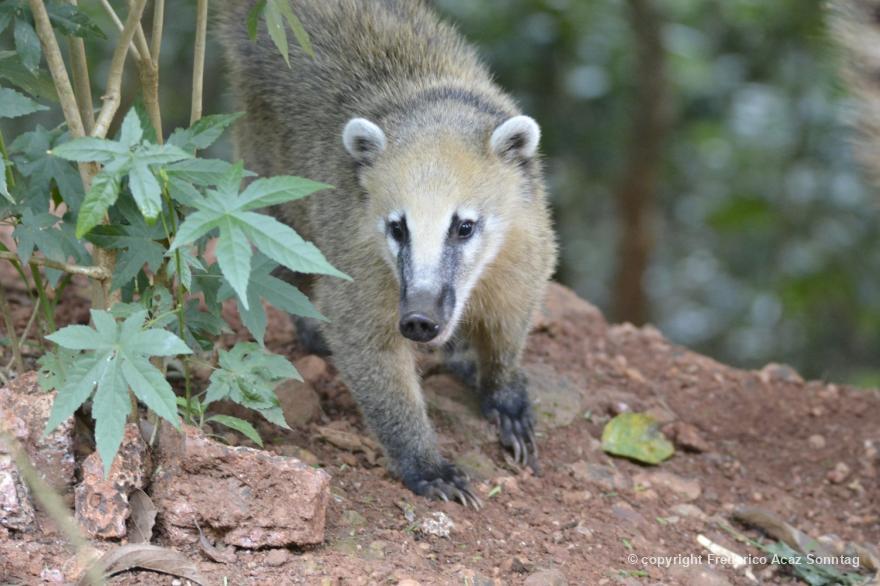
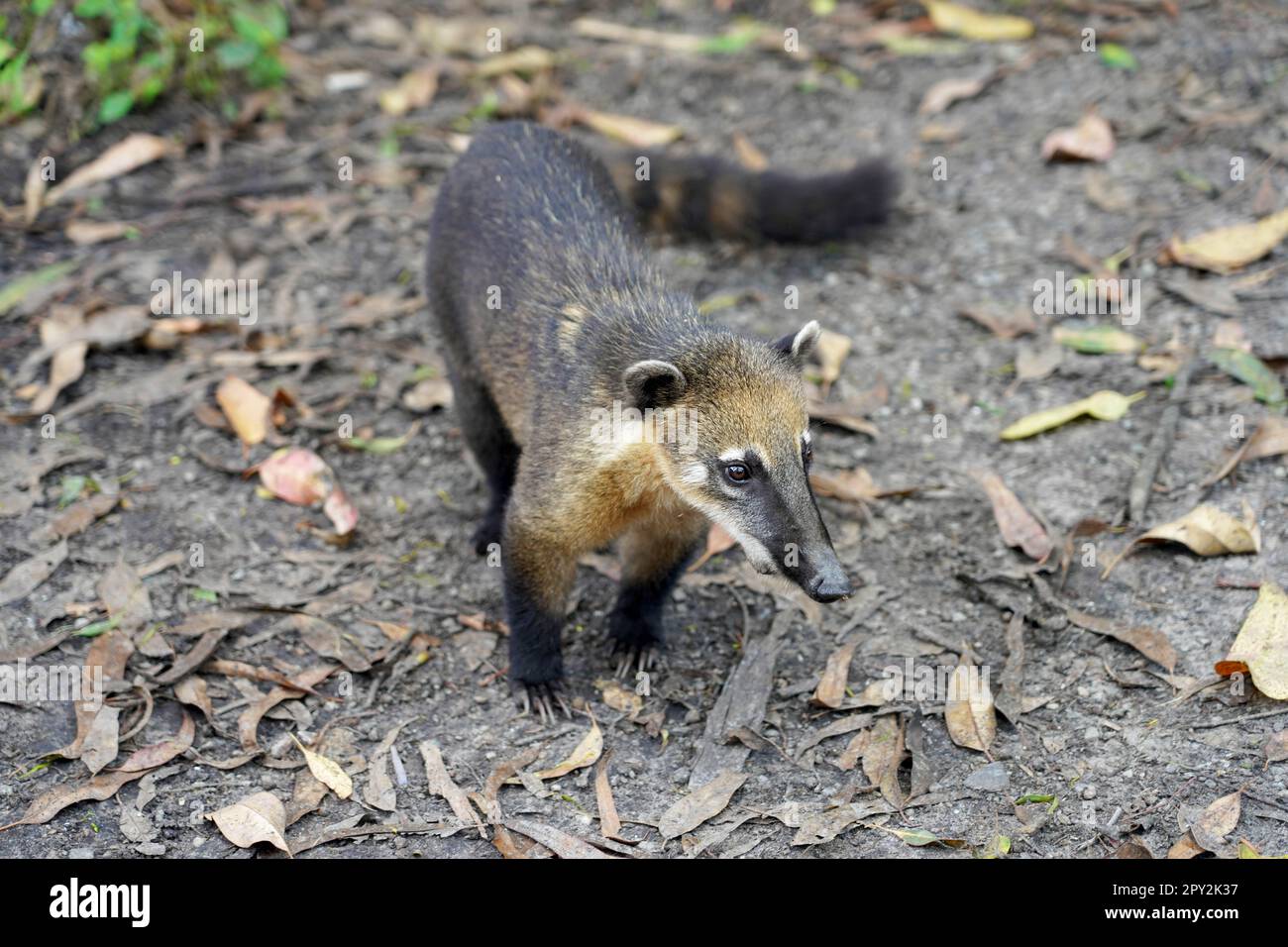
Quatis are relatively small animals, typically weighing between 3-6 kg (6.6-13.2 lbs) and measuring 40-60 cm (15.7-23.6 in) in length, plus a tail of around 30-50 cm (11.8-19.7 in). They have a distinctive appearance, with a long, pointed snout, large eyes, and a bushy tail. Their fur is usually brown or black, with a white or yellowish patch on the nose, and they have sharp claws and agile hands. Quatis are also known for their intelligence and dexterity, often using tools to obtain food or solve problems.
One of the most interesting things about quatis is their ability to adapt to different environments. They can be found in a variety of habitats, from tropical rainforests to dry deserts, and are even known to inhabit urban areas. This flexibility is likely due to their omnivorous diet, which includes fruits, insects, small animals, and even garbage. Quatis are not picky eaters, and will take advantage of whatever food sources are available to them.
Diet and Foraging
Quatis are skilled foragers, using their keen sense of smell and sharp claws to find and extract food from their surroundings. They're particularly fond of fruits, nuts, and seeds, and have even been known to raid gardens and crops. In addition to plant material, quatis also eat insects, worms, and small vertebrates, such as lizards and rodents. They've even been observed following army ants, feeding on the insects and other small animals that the ants disturb as they march.
In the wild, quatis play an important role in seed dispersal and forest regeneration. By eating fruits and then depositing the seeds in new locations, often in a pile of fertilizer, quatis help to spread plant species and promote biodiversity. They're also an important food source for other animals, such as jaguars, pumas, and birds of prey. Unfortunately, quatis are often persecuted by humans, who view them as pests or competitors for food. This can lead to population declines and even local extinctions, which can have negative impacts on ecosystem health.
Behavior and Social Structure
Quatis are social animals, often living in small family groups or larger communities. These groups are usually led by a dominant female, who guides the others in their foraging and breeding activities. Quatis are also known for their playful and curious nature, often engaging in games of chase or exploring their surroundings with enthusiasm. They're highly intelligent and have been observed using tools, such as sticks, to obtain food or solve problems.

One of the most interesting aspects of quati behavior is their unique communication system. They use a variety of vocalizations, including chirps, whistles, and grunts, to convey information and coordinate their actions. Quatis also have a keen sense of smell, and use scent markings to communicate with other members of their group. They're able to recognize individual scents, and use this information to maintain social bonds and establish dominance hierarchies.
Reproduction and Development
Quatis breed throughout the year, with females typically giving birth to 2-7 young after a gestation period of around 70-80 days. The young quatis are born blind and helpless, but develop quickly, opening their eyes after around 10-14 days and becoming independent at around 6-8 months. Female quatis often care for the young, nursing and protecting them from predators, while the males may provide some support, such as bringing food or guarding the group.
As the young quatis grow and mature, they begin to learn important skills, such as foraging and social behavior, from their elders. They may also engage in play-fighting and other forms of social interaction, which helps to establish their position within the group and develop their communication skills. After around 1-2 years, the young quatis reach adulthood and become independent, often leaving their natal group to start their own families or join other groups.
Conservation Status
Quatis are not currently considered to be a threatened species, although their populations are declining in some areas due to habitat loss, hunting, and persecution. They're also vulnerable to disease, such as rabies and distemper, which can have significant impacts on local populations. Conservation efforts, such as habitat protection and education campaigns, are necessary to protect quatis and their habitats, and to promote a greater understanding and appreciation of these fascinating creatures.
In conclusion, the quati is a fascinating and unique animal, with a rich social life, intelligent behavior, and adaptability to different environments. By learning more about quatis and their habits, we can gain a greater appreciation for the natural world and the importance of conservation. Whether you're a seasoned wildlife enthusiast or just starting to explore the world of animals, the quati is definitely worth getting to know.