coatimundi
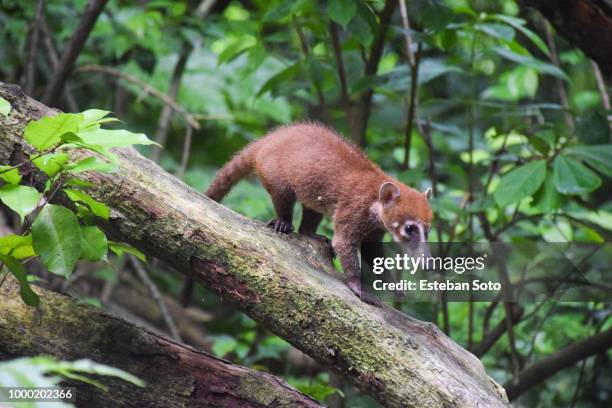
As we explore the fascinating world of wildlife, we often come across creatures that are both intriguing and unfamiliar. One such animal is the coatimundi, a member of the raccoon family that is native to the Americas. In this article, we'll delve into the world of the coatimundi, exploring its habits, habitats, and unique characteristics. So, let's get started and learn more about this amazing animal.
Introduction to Coatimundi
The coatimundi, also known as the coati, is a medium-sized mammal that belongs to the family Procyonidae. It is closely related to raccoons, olingos, and kinkajous, and is found in a variety of habitats, including forests, grasslands, and wetlands. There are four species of coatimundi, which are divided into two genera: Nasua and Nasuella. The most common species is the white-nosed coatimundi, which is found in a wide range of habitats, from Mexico to Argentina.

Habitat and Distribution
Coatimundis are found in a variety of habitats, including tropical rainforests, dry forests, and grasslands. They are highly adaptable and can be found in a range of elevations, from sea level to mountainous regions. In the wild, coatimundis are typically found in areas with abundant food and water, such as near rivers, lakes, and coastal regions. They are also found in urban areas, where they can be seen rummaging through trash and gardens in search of food.
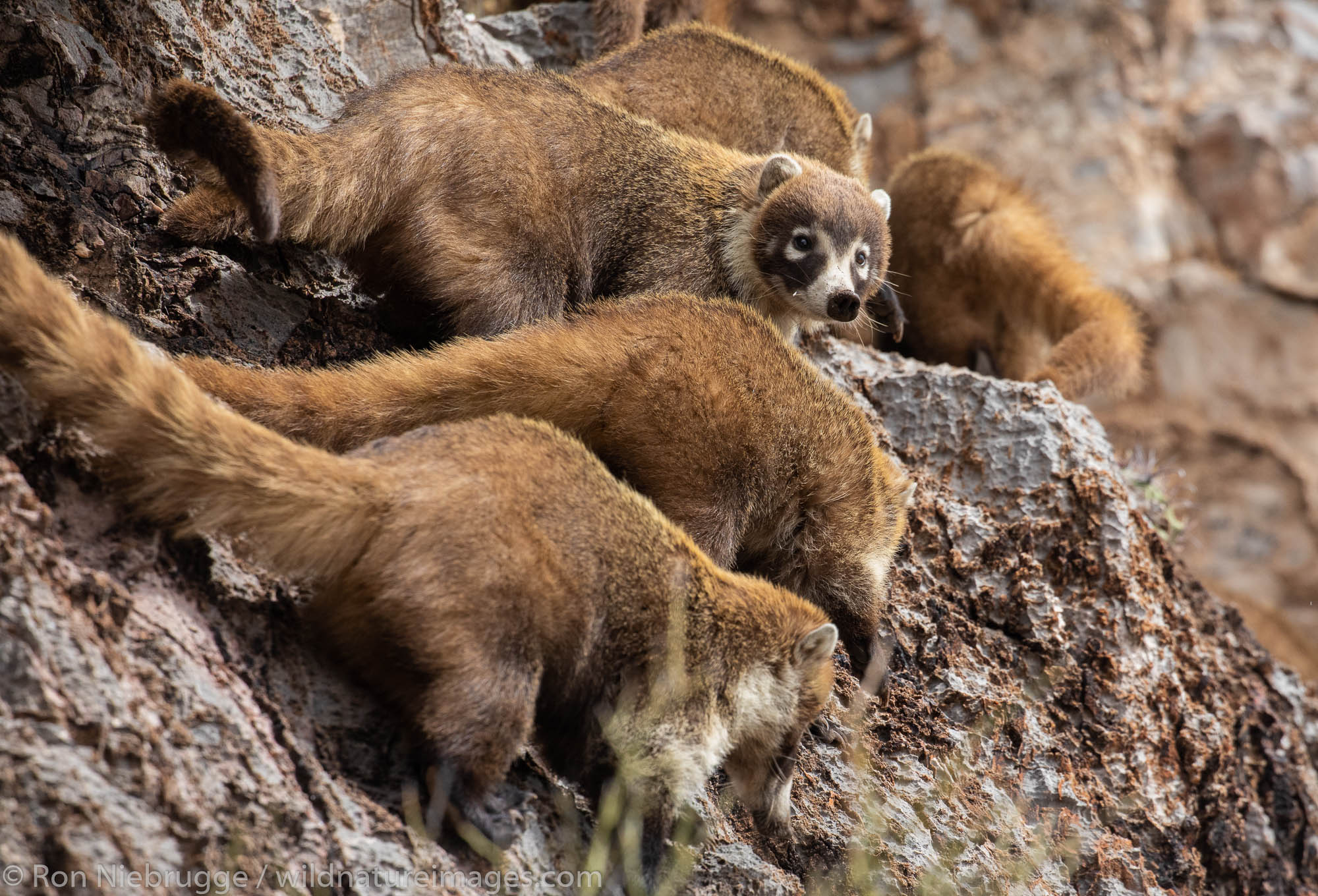
Coatimundis are social animals and are often found in large groups, called bands. These bands typically consist of females and their young, while males will often wander on their own or form bachelor groups. In the wild, coatimundis are important seed dispersers and help to maintain the balance of their ecosystems. They are also important predators, feeding on insects, fruits, and small animals.
Diet and Foraging
Coatimundis are omnivores and have a varied diet that includes fruits, insects, small animals, and plants. They are skilled foragers and will use their keen sense of smell and agile hands to search for food. In the wild, coatimundis will feed on a variety of fruits, including berries, figs, and palm fruits. They will also eat insects, such as grasshoppers and crickets, as well as small animals, like lizards and rodents.
In addition to their natural diet, coatimundis have been known to raid gardens and crops, causing damage to agricultural areas. They are also attracted to human food and will often rummage through trash and pet food in search of an easy meal. In some areas, coatimundis are considered pests and are hunted or trapped to protect crops and livestock.
Behavior and Social Structure
Coatimundis are highly social animals and live in complex societies with a strict hierarchy. Female coatimundis will often form close bonds with each other and will work together to protect their young and territory. Males, on the other hand, will often wander on their own or form bachelor groups, and will only join female groups during the breeding season.
Coatimundis are also known for their intelligence and curiosity. They are skilled problem solvers and have been observed using tools to obtain food and solve puzzles. In the wild, coatimundis have been seen using rocks to crack open nuts and seeds, and have even been known to use sticks to extract honey from beehives.
Reproduction and Lifespan
Coatimundis breed throughout the year, with females giving birth to litters of 2-7 young after a gestation period of approximately 74-82 days. The young coatimundis will stay with their mother for about a year, during which time they will learn important skills, such as foraging and social behavior. After leaving their mother's group, young coatimundis will either join an existing group or form their own bachelor group.
Coatimundis can live up to 10-15 years in the wild, although their average lifespan is around 5-7 years. In captivity, coatimundis can live up to 15-20 years, provided they receive proper care and nutrition. Unfortunately, coatimundis are often hunted for their fur and meat, and are also vulnerable to habitat loss and fragmentation.
Conservation Status
Coatimundis are listed as Least Concern on the IUCN Red List, although their populations are declining in some areas due to habitat loss and hunting. In addition, coatimundis are often persecuted as pests, and are hunted or trapped to protect crops and livestock. Efforts are being made to protect coatimundi habitats and to educate the public about the importance of conserving these amazing animals.

In conclusion, the coatimundi is a fascinating and unique animal that plays an important role in its ecosystem. With their intelligence, social behavior, and adaptability, coatimundis are a true marvel of nature. By learning more about these amazing creatures, we can gain a greater appreciation for the natural world and work to protect and conserve them for future generations.
Interesting Facts About Coatimundis
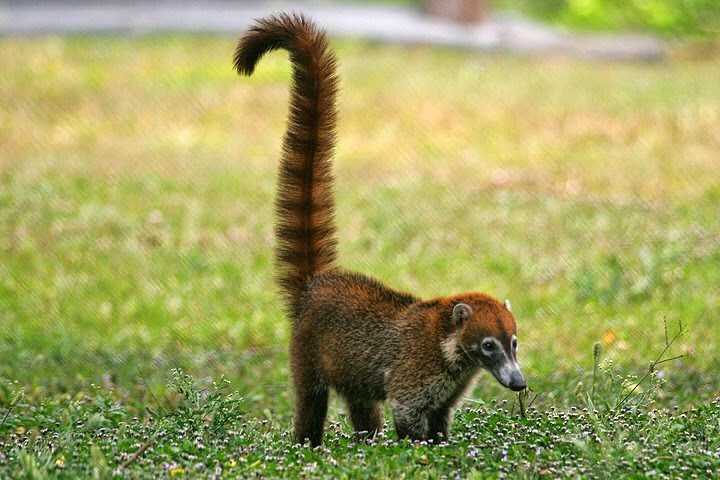
Coatimundis have several interesting adaptations that allow them to thrive in their environments. For example, they have a highly developed sense of smell, which they use to locate food and detect predators. They also have strong, agile hands, which they use to climb, forage, and manipulate objects.
Coatimundis are also skilled climbers and have been observed climbing trees to escape predators or to find food. In addition, they are excellent swimmers and have been known to swim long distances to find food or to escape danger.
Coatimundis have a unique way of communicating with each other, using a variety of vocalizations, including chirps, whistles, and grunts. They also use body language to convey information and express emotions, such as fear, aggression, and friendliness.
In some cultures, coatimundis are considered sacred animals and are revered for their intelligence and adaptability. In other cultures, they are hunted for their fur and meat, and are considered a delicacy. Regardless of how they are viewed, coatimundis are truly amazing creatures that deserve our respect and admiration.
As we continue to learn more about coatimundis and their habitats, we can work to protect and conserve these incredible animals. By supporting conservation efforts and educating the public about the importance of preserving wildlife habitats, we can help to ensure the long-term survival of coatimundis and other amazing creatures.
In the end, the coatimundi is a remarkable animal that continues to fascinate and inspire us. With their intelligence, social behavior, and adaptability, they are a true marvel of nature. By learning more about these incredible creatures, we can gain a greater appreciation for the natural world and work to protect and conserve it for future generations.
0 Response to "coatimundi"
Post a Comment