
When it comes to fascinating creatures in the animal kingdom, there's one that often slips under the radar, yet is undeniably captivating: the coati. Native to the Americas, this member of the raccoon family is known for its agility, intelligence, and unique appearance. In this article, we'll delve into the world of the coati, exploring its habits, habitats, and what makes it so intriguing to wildlife enthusiasts and casual observers alike.
Introduction to Coatis
Coatis belong to the family Procyonidae, which also includes raccoons, olingos, and kinkajous. There are four species of coatis: the white-nosed coati, the South American coati, the eastern mountain coati, and the western mountain coati. Each species has distinctive characteristics, but they all share a common body shape and behavior that sets them apart from other mammals. One of the most recognizable features of coatis is their long, bushy tail, which they use for balance and communication.

Habitat and Distribution
Coatis are found in a variety of habitats across the Americas, from the southwestern United States to Central and South America. They inhabit forests, grasslands, and even urban areas, showcasing their adaptability. These animals are highly versatile, able to climb trees with ease and navigate through dense underbrush with their sharp claws and agile limbs. Their ability to thrive in different environments is a testament to their resilience and cunning nature.
In their natural habitats, coatis are known to be omnivores, feeding on fruits, insects, small reptiles, and even carrion. Their diet is diverse and opportunistic, reflecting their intelligence and adaptability. This flexibility in their eating habits allows them to survive in a range of ecosystems, from the deserts of the southwestern United States to the rainforests of South America.
Behavior and Social Structure
Coatis are social animals and often live in large groups, known as bands. These bands typically consist of females and their young, while males will often wander on their own or form bachelor groups. The social structure of coatis is complex, with females playing a central role in the group's dynamics. They are known to be protective of their young and territory, using a variety of vocalizations and scent markings to communicate with other coatis.

One of the most interesting aspects of coati behavior is their foraging technique. They use their keen sense of smell and dexterous front paws to uncover food, often turning over rocks and logs to find insects and small vertebrates. This methodical approach to foraging underlines their intelligence and problem-solving abilities, traits that are essential for their survival in the wild.
Conservation Status
Despite their adaptability and omnivorous diet, coatis face several threats in the wild. Habitat loss and fragmentation, due to deforestation and urban expansion, have reduced the available space for coatis to live and forage. Additionally, they are hunted for their meat and fur in some regions, further threatening their populations. In response to these challenges, conservation efforts are underway to protect coati habitats and educate local communities about the importance of preserving wildlife.
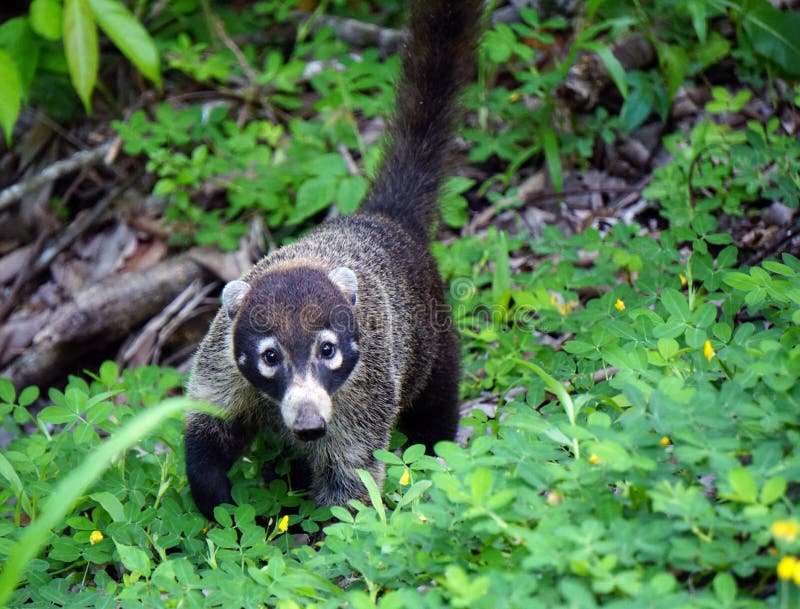
Conservation organizations and wildlife sanctuaries play a crucial role in the protection of coatis and their habitats. By supporting reforestation efforts, conducting research on coati behavior and ecology, and promoting coexistence with local communities, these organizations contribute to the long-term survival of coati populations. Moreover, raising awareness about the plight of coatis and the importance of conservation can inspire action and support from the general public.
Interesting Facts About Coatis
Beyond their intriguing social behavior and adaptability, coatis have several unique characteristics that set them apart from other animals. For instance, they are excellent swimmers, capable of crossing rivers and lakes with ease. This ability is crucial in their natural habitats, where water sources are often abundant and traversing them is necessary for finding food or escaping danger.
Coatis are also known for their curious nature, often approaching humans in areas where they have become accustomed to human presence. This curiosity, while it can lead to interesting interactions, also poses a risk to coatis, as they may be fed inappropriate foods or become too trusting of humans, leading to potential harm.

In conclusion, the coati is a fascinating creature that offers insights into the adaptability, intelligence, and social complexity of animals in the wild. Through their unique appearance, omnivorous diet, and intriguing behavior, coatis captivate the imagination of wildlife enthusiasts and the general public alike. As we continue to learn more about these animals and the challenges they face, it's essential that we support conservation efforts and promote a deeper understanding and appreciation of the natural world.
By exploring the world of coatis, we are reminded of the beauty and diversity of life on Earth and the importance of preserving it for future generations. Whether through supporting conservation organizations, spreading awareness about wildlife protection, or simply learning more about these incredible animals, every action counts in the pursuit of preserving the natural balance and ensuring the survival of species like the coati.