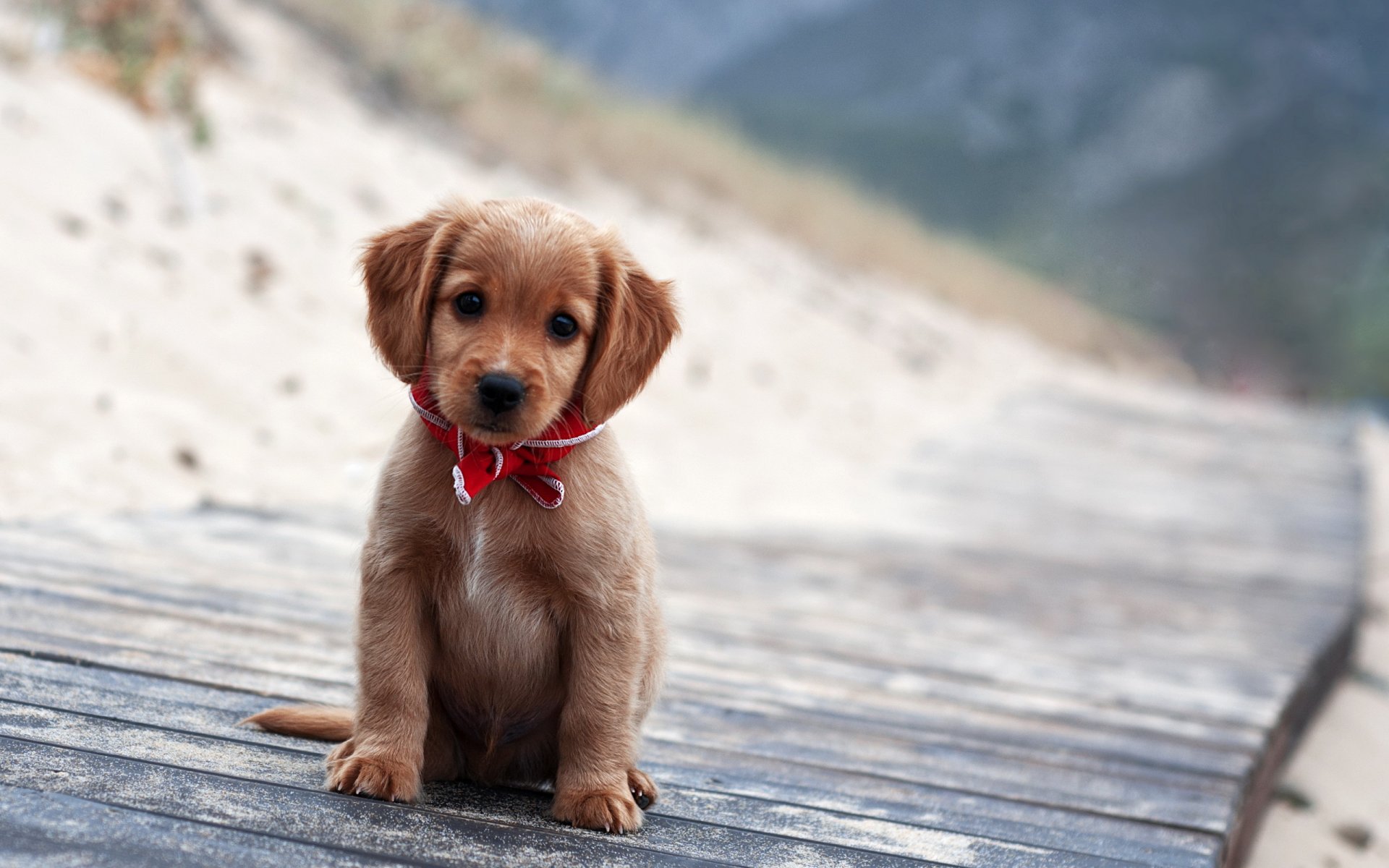
Ever feel like you have a furry shadow, a four-legged confidant who's always right behind you, no matter where you go in the house? It's a common scenario for dog owners – that unwavering loyalty that leads your canine companion to follow you from the bedroom to the kitchen to even the bathroom! But why do they do it?
It can be endearing at first, but sometimes it can feel a little...intense. Tripping over them in the kitchen while you're trying to cook, having zero privacy when you just need a moment to yourself, or even feeling a pang of guilt when youdareto close a door behind you. It makes you wonder, is this normal? Is my dog overly attached? Are they bored? Am I doing something wrong?
This article is for anyone who's ever wondered why their dog is their constant companion throughout the house. We'll explore the reasons behind this behavior, discuss whether it's something to be concerned about, and offer tips on how to manage it if you need a little more personal space.
We'll delve into the psychology behind a dog's desire to be near you, covering topics like breed tendencies, attachment styles, and the potential for separation anxiety. We'll also explore practical solutions to address this behavior, including training techniques and enrichment activities. Ultimately, we want to help you understand your dog's motivations and foster a healthy, balanced relationship.
The Psychology Behind the Follow
The other day, I was working from home, and my Golden Retriever, Buddy, was my ever-present shadow. Every time I stood up from my desk, he was right there, tail wagging, ready to follow me. I went to the kitchen to grab a snack, and he was there, hoping for a stray crumb. Even a trip to the laundry room was met with his enthusiastic presence. At first, I found it sweet, but after a few hours, it started to feel a little claustrophobic. I started wondering, was he just bored? Did he think I was always going to give him food? Or was there something more to it?
Turns out, there are several psychological reasons why dogs follow their owners. For many dogs, it stems from their pack animal instincts. In the wild, dogs rely on their pack for survival, so being close to their leader provides a sense of security and belonging. You, as your dog's owner, are their pack leader. This instinctual drive to stay close is amplified in breeds specifically bred for companionship, such as Golden Retrievers, Cavalier King Charles Spaniels, and Bichons Frises. They are bred to love and need human contact. Beyond instinct, dogs also learn to associate your presence with positive things like food, walks, playtime, and affection. Every time you move, they anticipate something good might happen, so they want to be there to witness it (and maybe get a reward!).
Is It a Sign of Separation Anxiety?
It's important to differentiate between normal "velcro dog" behavior and signs of separation anxiety. While some dogs simply enjoy being near their owners, others may exhibit more concerning symptoms when left alone. Dogs with separation anxiety may display destructive behaviors like chewing furniture, excessive barking, or urinating/defecating indoors when you're not home. They may also become extremely agitated or anxious when they sense you're about to leave. The distinction is that the dog is fine when you are home, even if the dog follows you from room to room. It's when the dog is left alone that anxiety is triggered. The "follow" is more about security and anticipation. If you suspect your dog has separation anxiety, it's crucial to consult with a veterinarian or certified dog trainer. They can help you develop a training plan and, in some cases, recommend medication to manage the anxiety.
The History and Myth of the Velcro Dog
The idea of dogs being "man's best friend" is deeply ingrained in our society, and this close bond has been cultivated over thousands of years. From ancient hunting companions to modern-day service animals, dogs have always played a vital role in human lives. The myth surrounding the "velcro dog" often romanticizes this relationship, portraying it as a sign of unwavering loyalty and unconditional love. The image of a dog faithfully following its owner is seen as heartwarming and reassuring. However, it's important to remember that while affection is a key part of the relationship, the intensity of the following behaviour can be detrimental to both dog and owner. Overly attached dog may develop anxieties when separated, and the owner may feel a loss of personal space and freedom.
Unveiling the Hidden Secrets
One of the hidden secrets behind a dog's constant following behavior is the power of reinforcement. Even seemingly insignificant actions can unintentionally reinforce the behavior. For example, if you occasionally give your dog a treat when they follow you into the kitchen, you're essentially rewarding them for that behavior, making them more likely to repeat it. Similarly, if you always greet your dog with enthusiastic praise when they follow you, you're reinforcing their desire to be near you at all times. By being more mindful of our interactions and avoiding unintentional reinforcement, we can subtly influence our dog's behavior and encourage a bit more independence. Instead of constant affection, consider offering rewards only when your dog is calmly relaxing in another room or engaging in independent play.
Recommendations for a Balanced Relationship
Creating a balanced relationship with your dog involves setting boundaries and encouraging independence. This doesn't mean you love your dog any less; it simply means you're helping them develop into a well-adjusted and confident companion. One recommendation is to establish designated "quiet zones" where your dog is not allowed to follow you, such as your bedroom or office. Use baby gates or closed doors to create these boundaries and provide your dog with a comfortable bed or mat in another area. Gradually increase the amount of time your dog spends in the quiet zone, rewarding them for staying calm and relaxed. Another helpful tip is to provide plenty of mental and physical enrichment to keep your dog occupied and prevent boredom. Puzzle toys, interactive games, and regular walks can help expend energy and reduce the urge to constantly follow you.
Understanding Breed Tendencies
Certain dog breeds are naturally more prone to following their owners due to their breeding history and temperament. Herding breeds, such as Border Collies and Australian Shepherds, are genetically predisposed to keeping a close eye on their charges and may naturally follow you around the house. Similarly, companion breeds like Cavalier King Charles Spaniels and Maltese were specifically bred to be close companions and thrive on human interaction. Understanding your dog's breed tendencies can help you better anticipate and manage their following behavior. If you have a breed known for its clinginess, you may need to be more proactive in setting boundaries and encouraging independence. On the other hand, if you have a more independent breed, their following behavior may be less pronounced. It's also worth noting that individual personalities can vary within a breed, so it's important to observe your dog's specific behaviors and adjust your approach accordingly.
Tips for Managing the Following Behavior
Managing your dog's following behavior requires patience, consistency, and a positive reinforcement approach. Start by identifying the situations where the following behavior is most problematic, such as when you're trying to work or relax. Then, implement strategies to redirect your dog's attention and encourage them to engage in other activities. One effective technique is to teach your dog a "stay" command and reward them for remaining in place while you move around the house. Gradually increase the duration of the "stay" and the distance you move away from your dog. Another helpful tip is to provide your dog with a designated "safe space," such as a crate or bed, where they can retreat when they need a break from following you. Make this space comfortable and inviting by adding soft bedding, toys, and treats. Encourage your dog to spend time in their safe space by rewarding them for voluntarily entering and relaxing there. Finally, be consistent with your boundaries and expectations. If you allow your dog to follow you into certain rooms sometimes but not others, it will only confuse them and make it harder to change the behavior.
The Importance of Mental Stimulation
Mental stimulation is just as important as physical exercise for a dog's overall well-being, and it can play a significant role in reducing following behavior. A bored dog is more likely to seek attention and follow their owner around the house in search of something to do. Providing your dog with a variety of mental challenges can help keep them occupied and reduce the urge to constantly shadow you. Puzzle toys are an excellent way to engage your dog's mind and provide them with a sense of accomplishment. These toys require your dog to solve a problem in order to access a treat or toy, stimulating their problem-solving skills and keeping them entertained. Training sessions are another great way to provide mental stimulation and strengthen your bond with your dog. Teach your dog new commands, tricks, or even agility exercises to challenge their mind and body. Even short, 10-15 minute training sessions can make a big difference in your dog's overall behavior and reduce their need to constantly follow you.
Fun Facts About Canine Companionship
Did you know that dogs have been domesticated for over 15,000 years? This long history of partnership has shaped their behavior and created an incredibly strong bond between humans and dogs. Dogs are also highly social animals and are naturally drawn to companionship. They view their human families as their pack and crave the security and connection that comes with being part of a group. Another interesting fact is that dogs are capable of reading human emotions and body language, which allows them to anticipate our needs and respond accordingly. This heightened sensitivity may contribute to their tendency to follow us around, as they are constantly monitoring our movements and trying to understand what we're doing.
How to Encourage Independent Play
Encouraging independent play is crucial for reducing a dog's reliance on their owner for entertainment and companionship. Start by providing your dog with a variety of toys that they find engaging and stimulating. Rotate the toys regularly to keep things interesting and prevent boredom. Choose toys that are appropriate for your dog's size and chewing habits to ensure their safety. Some dogs enjoy playing with balls, while others prefer chew toys or plush animals. Experiment with different types of toys to see what your dog enjoys the most. You can also create a designated "play area" where your dog can freely access their toys. This could be a corner of a room or a specific area in the yard. Encourage your dog to play in this area by tossing toys, hiding treats, or simply praising them for exploring their toys. It's important to avoid constantly interacting with your dog while they're playing, as this can reinforce their reliance on you for entertainment. Instead, allow them to explore their toys and play independently, offering occasional praise or encouragement from a distance.
What if the Following Behavior is Sudden?
If your dog suddenly starts following you everywhere after previously being more independent, it's essential to consider potential underlying causes. A sudden change in behavior can indicate a medical issue, such as pain, discomfort, or cognitive dysfunction. Schedule a visit with your veterinarian to rule out any medical problems. Pain or discomfort can make your dog feel vulnerable and insecure, leading them to seek reassurance and proximity from you. Cognitive dysfunction, also known as canine dementia, can cause confusion, anxiety, and disorientation, which may also lead to increased clinginess. Changes in the home environment, such as a new baby, a move, or the loss of a family member, can also trigger sudden following behavior. These changes can disrupt your dog's routine and make them feel insecure, leading them to seek comfort and reassurance from you. In these cases, providing extra attention, reassurance, and a stable routine can help your dog adjust to the changes.
Listicle of Reasons Why Your Dog Follows You:
Here's a quick listicle of reasons why your dog might be your furry shadow:
- Pack Instinct: They see you as their leader and want to stay close to the pack.
- Positive Association: They associate your presence with good things like food, walks, and affection.
- Boredom: They're looking for something to do and hope you'll provide entertainment.
- Anxiety: They may be experiencing separation anxiety or general anxiety.
- Breed Tendencies: Certain breeds are naturally more prone to following their owners.
- Medical Issues: Pain, discomfort, or cognitive dysfunction can cause increased clinginess.
- Changes in the Home Environment: New baby, move, or loss of a family member can trigger following behavior.
- They Love You!: Sometimes, it's just pure, unadulterated love and affection.
Question and Answer
Here are some common questions about dogs following their owners:
Q: Is it normal for my dog to follow me everywhere?
A: It can be normal, depending on the breed, individual personality, and circumstances. However, excessive following behavior can sometimes indicate underlying issues like separation anxiety.
Q: How can I tell if my dog has separation anxiety?
A: Signs of separation anxiety include destructive behaviors, excessive barking, and urinating/defecating indoors when you're not home.
Q: How can I encourage my dog to be more independent?
A: Provide plenty of mental and physical enrichment, establish designated "quiet zones," and reward your dog for engaging in independent play.
Q: When should I consult a veterinarian or dog trainer about my dog's following behavior?
A: If you suspect your dog has separation anxiety, if the following behavior is sudden, or if it's causing you or your dog significant stress, seek professional advice.
Conclusion of Dog Follows You Into Every Room No Matter What
Understanding why your dog follows you everywhere is the first step towards fostering a healthy and balanced relationship. While it can be endearing to have a loyal companion by your side, it's important to recognize the underlying motivations and address any potential issues like separation anxiety or boredom. By providing plenty of mental and physical enrichment, setting boundaries, and encouraging independence, you can help your dog develop into a confident and well-adjusted companion who enjoys your company without being overly dependent on you. Remember, a balanced relationship is one where both you and your dog can thrive, enjoying each other's presence while also respecting each other's space and independence.