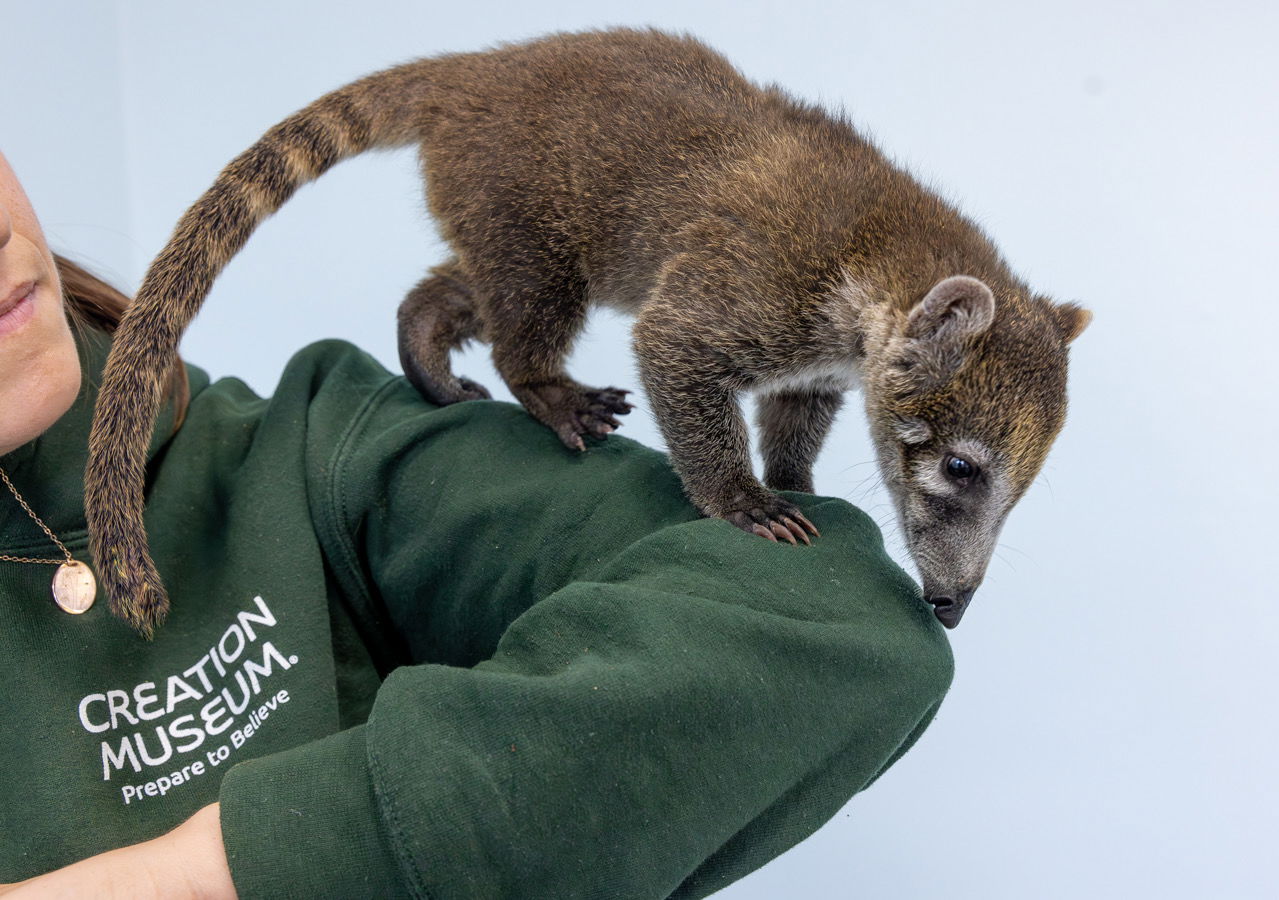
When it comes to the animal kingdom, there are so many fascinating creatures that often go unnoticed. One such creature is the coati, a medium-sized mammal that is native to the Americas. If you're like me, you might be wondering what a coati is and what makes it so unique. In this article, we'll delve into the world of coatis and explore their habits, habitats, and characteristics.
Introduction to Coatis
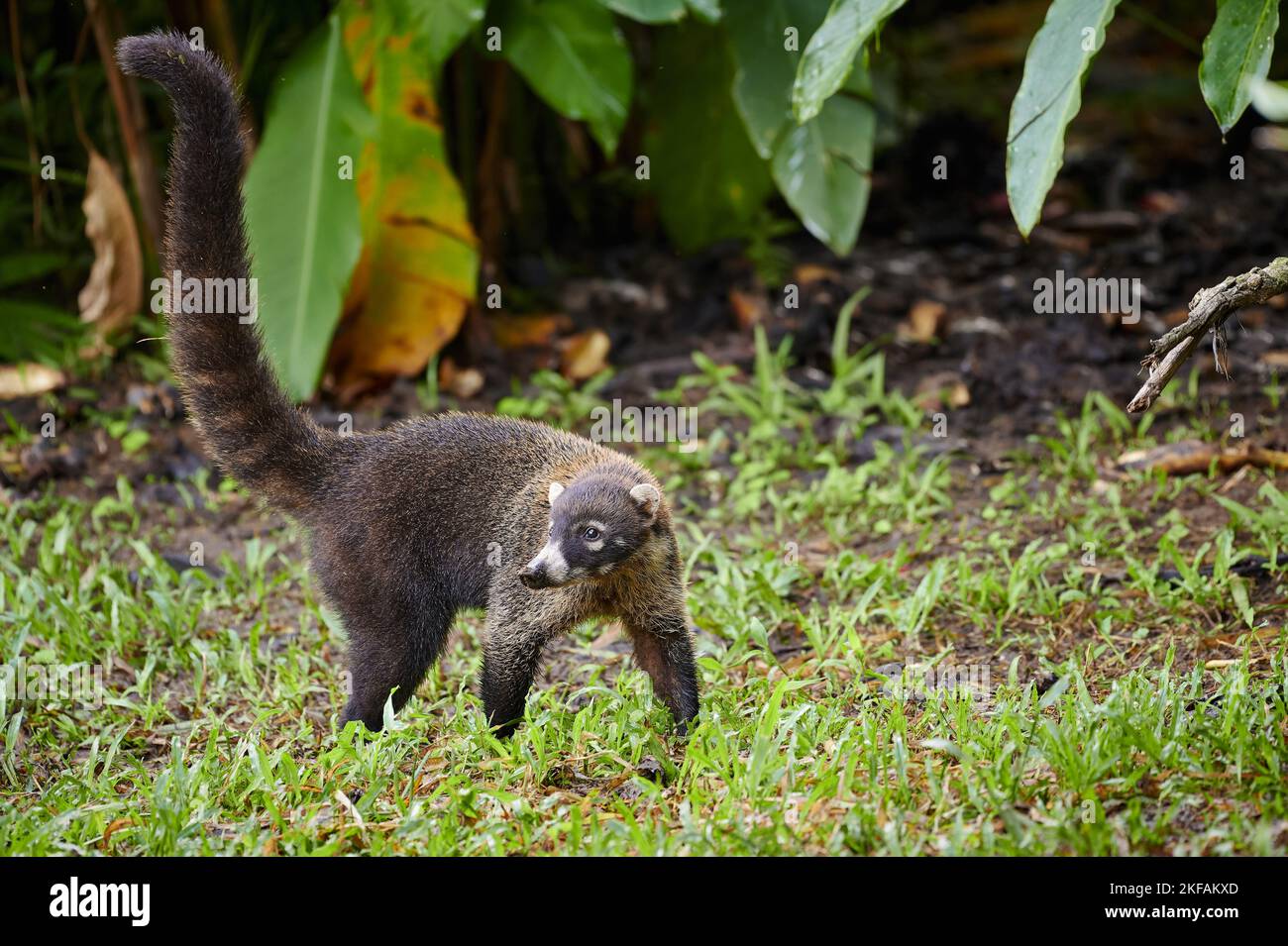
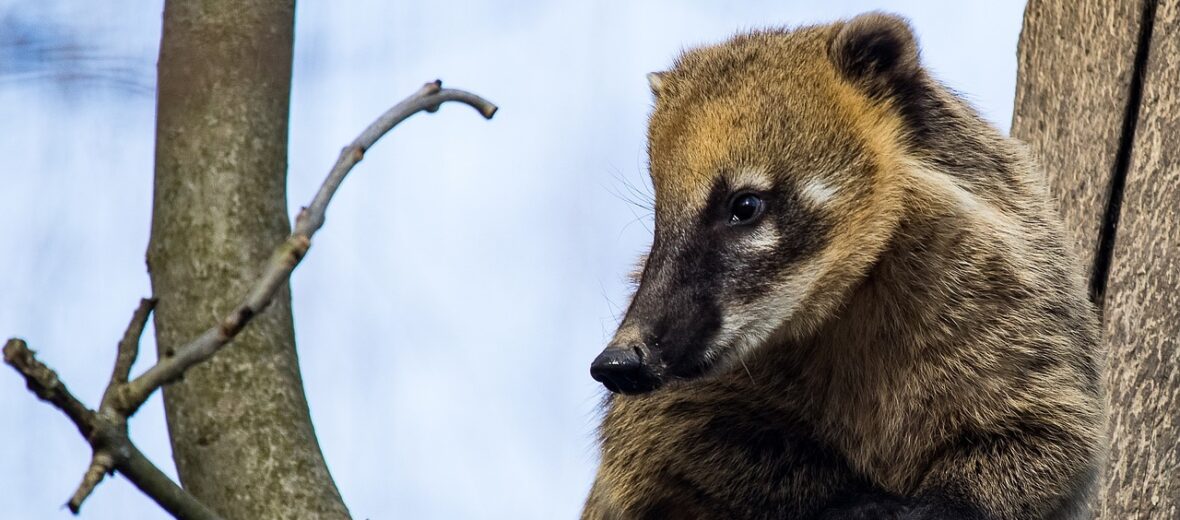
Coatis belong to the family Procyonidae, which also includes raccoons, olingos, and kinkajous. These animals are found in a variety of habitats, from tropical rainforests to dry deserts, and are known for their agility and adaptability. Coatis are generally medium-sized, with adults reaching lengths of up to 40 inches and weighing between 10-20 pounds. They have a distinctive appearance, with a long, bushy tail and a pointed snout, and are often mistaken for raccoons or monkeys due to their similar appearance.
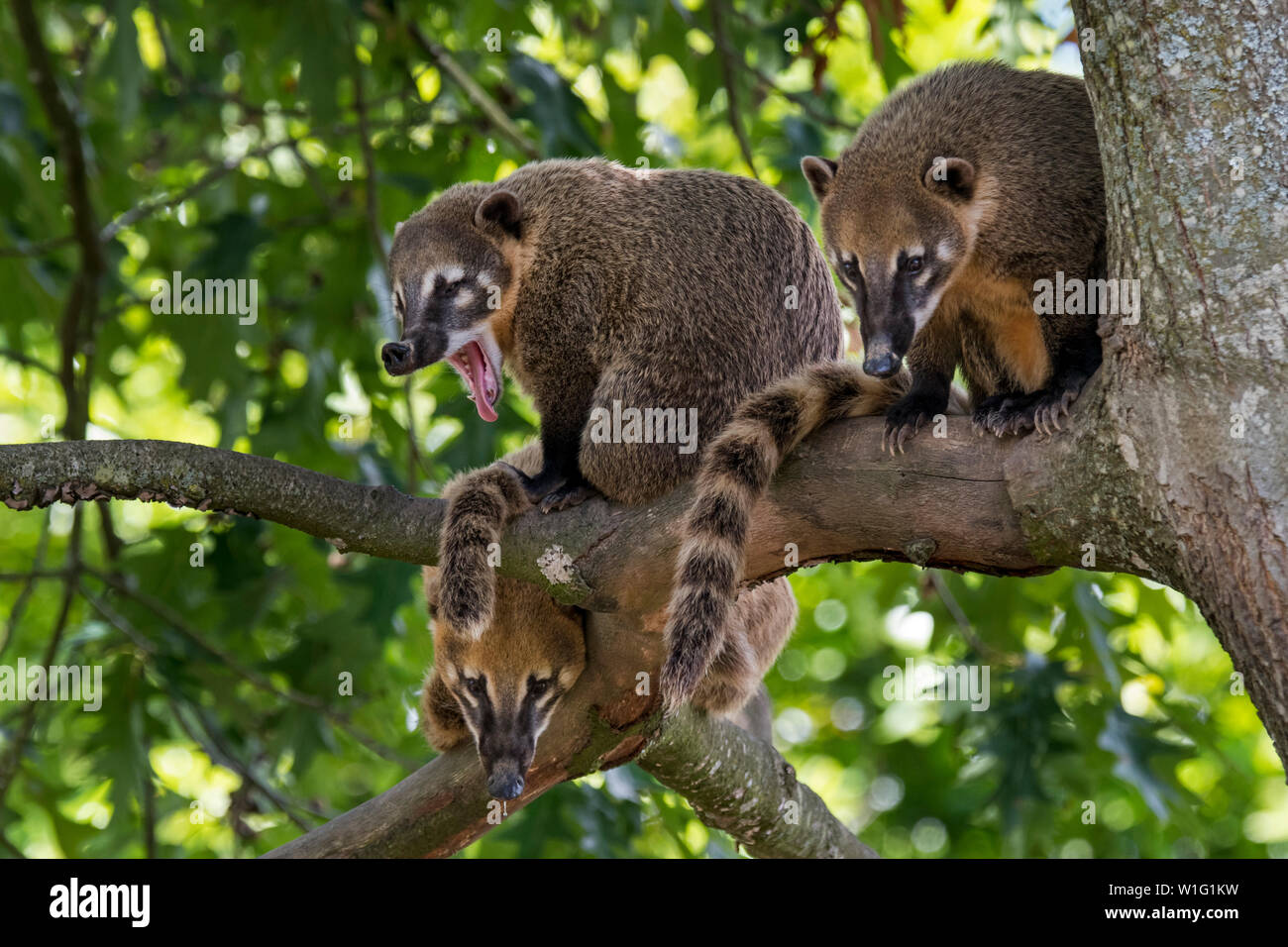
One of the most interesting things about coatis is their social behavior. Unlike many other mammals, coatis are highly social creatures that live in large groups, often consisting of up to 30 individuals. These groups, known as "bands," are usually made up of females and their young, while males will often wander on their own or form small bachelor groups.
Habitat and Distribution
Coatis are found in a wide range of habitats, from the tropical rainforests of Central and South America to the dry deserts of the southwestern United States. They are highly adaptable and can be found in a variety of environments, including forests, grasslands, and even urban areas. Coatis are excellent climbers and are often found in trees, where they can feed on fruits, leaves, and insects. They are also skilled diggers and have been known to dig burrows in a variety of different habitats.
Despite their adaptability, coatis are not found in all parts of the Americas. They are generally found in areas with warm temperatures and high levels of rainfall, and are most commonly found in countries such as Mexico, Costa Rica, and Argentina. In the United States, coatis are found in the southwestern states, including Arizona, California, and Texas.

Diet and Foraging
Coatis are omnivores, which means they eat a wide variety of foods including fruits, insects, and small animals. They are highly skilled foragers and have been known to eat everything from fruits and berries to lizards and snakes. Coatis are also skilled climbers and have been known to raid bird nests and eat eggs and nestlings. In urban areas, coatis have been known to raid garbage cans and eat a variety of human foods, including fruits, vegetables, and even pet food.
One of the most interesting things about coatis is their unique foraging behavior. Coatis have a highly developed sense of smell and can detect food sources from great distances. They are also skilled diggers and will often dig up roots, tubers, and other underground plant material. In addition to their sense of smell, coatis also have excellent eyesight and can spot potential food sources from far away.
Behavior and Social Structure
As I mentioned earlier, coatis are highly social creatures that live in large groups. These groups, known as "bands," are usually made up of females and their young, while males will often wander on their own or form small bachelor groups. Within these groups, coatis have a strict social hierarchy, with dominant females leading the group and younger females and males deferring to them.
Coatis are also highly communicative and use a variety of different vocalizations, including barks, whistles, and grunts, to communicate with each other. They are also skilled at using body language, and will often use postures and facial expressions to convey information and express emotions. In addition to their vocalizations and body language, coatis also use scent markings to communicate with each other, and will often rub their faces and bodies on objects to leave their scent behind.
Despite their social nature, coatis are not always friendly and can be quite aggressive when threatened or competing for food. They are also skilled fighters and will not hesitate to defend themselves if necessary. In the wild, coatis have been known to fight with a variety of different predators, including snakes, birds of prey, and even other coatis.

Conservation Status
Unfortunately, coatis are not without their threats. Habitat loss and fragmentation, due to deforestation and urbanization, have reduced the availability of suitable habitat for coatis and have led to population declines in many areas. Coatis are also hunted for their fur and meat, and are often persecuted as pests by farmers and ranchers who see them as a threat to their livelihoods.
In addition to these threats, coatis are also vulnerable to climate change, which is altering the availability of food resources and changing the distribution of habitats. In some areas, coatis are also competing with other invasive species, such as feral pigs and monkeys, for food and resources. As a result, conservation efforts are necessary to protect coati populations and preserve their habitats.
Interesting Coati Facts
Coatis are fascinating creatures, and there are many interesting facts about them that are worth sharing. For example, coatis are excellent swimmers and have been known to swim long distances in search of food or shelter. They are also skilled climbers and have been known to climb trees in search of fruit or to escape predators.
Coatis are also highly intelligent and have been observed using tools in the wild. In one study, coatis were observed using rocks to crack open nuts and seeds, and in another study, they were observed using sticks to dig up roots and tubers. Coatis are also known for their curious nature and have been observed exploring their surroundings and investigating new objects and smells.
Finally, coatis have a unique way of communicating with each other through scent markings. They have scent glands located on their chest, near their front paws, and on their tail, and will often rub these glands on objects to leave their scent behind. This allows them to communicate with other coatis and mark their territory, and is an important part of their social behavior.
Conclusion
In conclusion, coatis are fascinating creatures that are full of surprises. From their unique appearance and social behavior to their adaptability and intelligence, there's no denying that coatis are one of the most interesting animals in the animal kingdom. Whether you're a seasoned wildlife enthusiast or just starting to learn about the natural world, coatis are definitely worth learning more about.
So next time you're out in the wild, keep an eye out for these amazing creatures. With their bushy tails and pointed snouts, they're hard to miss, and their curious nature and social behavior make them a joy to watch. And who knows, you might just learn something new about these incredible animals and the important role they play in their ecosystems.