Forest Animals and Their Unique Behaviors
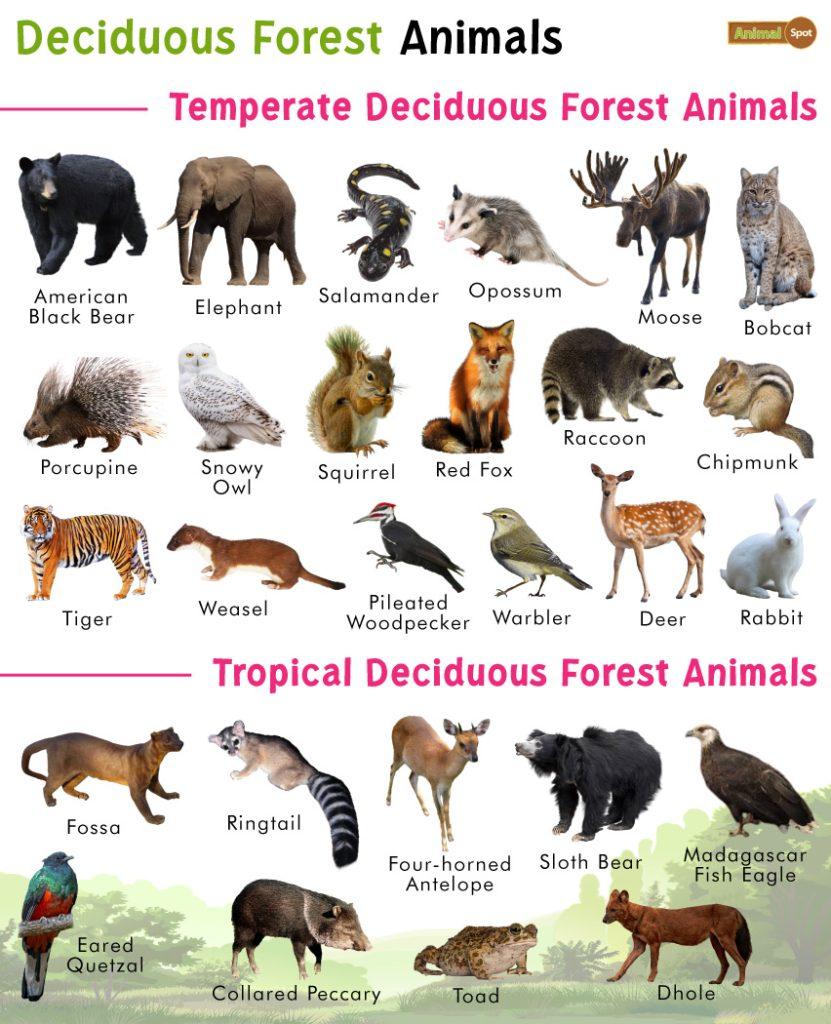
Have you ever stopped to consider the hidden lives unfolding in the forests around us? Beyond the towering trees and rustling leaves lies a world of incredible adaptations, complex social structures, and behaviors that are often far more fascinating than we realize.
It's easy to overlook the intricate details of forest life. We might see a squirrel scampering up a tree or a deer grazing in a meadow, but rarely do we delve deeper into understanding the "why" behind their actions. What drives their survival? How do they communicate? What secrets do these creatures hold?
This article aims to shed light on the unique behaviors of forest animals, exploring the reasons behind their actions and the incredible adaptations that allow them to thrive in their woodland homes. We'll journey into the fascinating world of animal communication, foraging strategies, mating rituals, and much more, providing a glimpse into the hidden lives of these remarkable creatures.
From the intricate dances of courting birds to the cunning hunting strategies of predators, the forest teems with remarkable behaviors. We'll explore the foraging techniques of squirrels and bears, the communication methods of wolves and deer, and the camouflage tactics of various insects and amphibians. Key themes include adaptation, survival, communication, and the delicate balance of the forest ecosystem. Prepare to be amazed by the ingenuity and resilience of these forest dwellers.
The Secret Language of the Forest
The forest is far from silent; it's a symphony of sounds, scents, and visual cues that make up a complex language understood by its inhabitants. I remember one summer, camping deep in the Redwood National Park. At first, the forest seemed quiet, but as I sat still, listening intently, I began to pick up the subtle sounds: the rustling of leaves that indicated a small animal passing through, the sharp call of a hawk circling overhead, and the distant hoot of an owl signaling the onset of night. It was like learning a new language, and I was just a beginner.
Forest animals communicate in a myriad of ways. Vocalizations are common, with each species having its own repertoire of calls for warnings, mating, and establishing territory. Wolves howl to communicate across long distances, while birds use elaborate songs to attract mates and defend their territory. Scent marking is another important form of communication, particularly for mammals like deer and foxes. They use scent glands to leave messages for other animals, marking their territory and conveying information about their reproductive status. Visual displays are also crucial, especially during courtship rituals. Male birds often display brightly colored plumage and perform intricate dances to attract females. Even seemingly simple movements, like a deer flicking its tail, can convey important information to other members of its herd. Understanding these communication methods is key to appreciating the complex social lives of forest animals. Keywords: Animal Communication, forest sounds, visual displays, scent marking, vocalizations.
Survival Strategies: Adapting to the Forest Environment
The forest can be a harsh environment, and animals must develop a wide range of strategies to survive. These strategies include finding food, avoiding predators, and enduring harsh weather conditions. Camouflage is a common adaptation, with many animals having coloration and patterns that help them blend in with their surroundings. This allows them to ambush prey or avoid being detected by predators. Foraging behavior is also crucial, with animals developing specialized techniques for finding and obtaining food. Squirrels bury nuts for the winter, bears hibernate to conserve energy, and woodpeckers use their strong beaks to extract insects from trees. Predator-prey relationships drive many of these adaptations. Predators like wolves and foxes have developed sharp senses and hunting skills to catch their prey, while prey animals like deer and rabbits have evolved keen senses and agility to avoid being captured. The constant interplay between predator and prey shapes the behavior and evolution of both groups, creating a dynamic and ever-changing ecosystem. Keywords: Adaptation, camouflage, foraging, predator-prey relationships, survival.
Forest Animals in Folklore and Mythology
For centuries, forest animals have held a prominent place in folklore and mythology around the world. Often imbued with symbolic meanings, these creatures reflect our complex relationship with the natural world. In many cultures, the owl is seen as a symbol of wisdom and knowledge, while the fox is often portrayed as a cunning trickster. Bears may represent strength and power, while deer symbolize grace and gentleness. These symbolic associations often reflect the animals' actual behaviors and characteristics. Native American cultures, in particular, hold a deep reverence for forest animals, often incorporating them into their spiritual beliefs and traditions. Totem animals are believed to provide guidance and protection, and stories about animals are used to teach important lessons about respect for nature and the interconnectedness of all living things. Exploring these myths and legends can offer a deeper understanding of how humans have perceived and interacted with forest animals throughout history. Keywords: Folklore, mythology, symbolism, Native American traditions, totem animals.
Hidden Secrets of Nocturnal Forest Dwellers
While many forest animals are active during the day, a whole other world comes alive at night. Nocturnal animals have evolved unique adaptations to thrive in the darkness, including enhanced senses of hearing, smell, and sight. Owls, for example, have exceptional hearing that allows them to locate prey even in complete darkness, and their specialized feathers allow them to fly silently, giving them a surprise advantage. Bats use echolocation to navigate and hunt insects in the dark, emitting high-pitched sounds and listening for the echoes to create a "sound map" of their surroundings. Other nocturnal animals, like raccoons and opossums, have developed sensitive paws that allow them to find food by touch. The nocturnal world of the forest is full of hidden secrets and fascinating adaptations. By understanding the challenges and opportunities that these animals face, we can gain a deeper appreciation for the diversity and complexity of the forest ecosystem. Keywords: Nocturnal animals, adaptations, echolocation, owls, bats, raccoons.
Ethical Recommendations for Observing Forest Animals
When observing forest animals, it's essential to do so ethically and responsibly, minimizing our impact on their natural behaviors and habitats. The first rule is to maintain a safe distance, avoiding any actions that could disturb or stress the animals. Never approach or attempt to feed them, as this can alter their natural foraging behaviors and make them dependent on humans. Use binoculars or a telephoto lens to get a closer look without intruding on their space. Be mindful of noise levels, speaking in hushed tones and avoiding sudden movements. Respect their habitat by staying on designated trails and avoiding trampling vegetation. If you encounter a nest or den, do not disturb it, as this could cause the animals to abandon their young. Educate yourself about the local wildlife and their behaviors before venturing into the forest, and be aware of any specific guidelines or regulations that may be in place. By following these ethical recommendations, we can enjoy observing forest animals while ensuring their well-being and preserving their natural environment. Keywords: Ethical observation, responsible wildlife viewing, minimize impact, respect habitat, conservation.
Understanding Animal Tracks and Signs
One of the best ways to learn about forest animals is by learning to identify their tracks and signs. Animal tracks can tell you a lot about the species that passed through, their size, and their direction of travel. Different animals have distinct track patterns, and by learning to recognize these patterns, you can gain a deeper understanding of the animals that inhabit your local forest. Other signs of animal presence include scat, which can provide information about their diet, and scrapes on trees, which can indicate territorial marking. Gnawed branches can indicate the presence of beavers or other rodents. By learning to interpret these signs, you can piece together a picture of the animals' activities and movements within the forest. Field guides and online resources can be helpful in identifying tracks and signs. Taking a guided nature walk with an experienced naturalist can also be a great way to learn about animal tracking. By becoming a skilled tracker, you can unlock a whole new level of understanding and appreciation for the hidden lives of forest animals. Keywords: Animal tracks, scat, signs of animal presence, tracking, field guides.
Tips for Attracting Wildlife to Your Backyard
If you live near a forest, you can attract wildlife to your backyard by creating a habitat that provides food, water, and shelter. Plant native trees, shrubs, and flowers that provide food for birds, insects, and other animals. Install a bird feeder and provide fresh water in a birdbath or small pond. Create a brush pile or rock pile to provide shelter for small animals. Avoid using pesticides and herbicides, as these can harm wildlife. Keep your pets indoors or under close supervision to prevent them from preying on wildlife. Be patient and observant, and you'll soon be rewarded with visits from a variety of fascinating creatures. Remember to maintain a respectful distance and avoid interfering with their natural behaviors. By creating a welcoming habitat, you can contribute to the conservation of forest wildlife and enjoy the beauty of nature right in your own backyard. Keywords: Attracting wildlife, backyard habitat, native plants, bird feeders, shelter.
The Importance of Forest Conservation
Forest conservation is crucial for protecting the unique behaviors and habitats of forest animals. Forests provide essential resources for wildlife, including food, water, shelter, and breeding grounds. Deforestation, habitat fragmentation, and pollution can all have devastating impacts on forest animals, disrupting their behaviors and threatening their survival. By supporting forest conservation efforts, we can help protect these vital ecosystems and the animals that depend on them. This includes supporting sustainable forestry practices, reducing our consumption of forest products, and advocating for stronger environmental regulations. We can also support organizations that work to protect and restore forest habitats. By working together, we can ensure that future generations will have the opportunity to enjoy the beauty and wonder of the forest and its inhabitants. Keywords: Forest conservation, habitat protection, deforestation, sustainable forestry, environmental regulations.
Fun Facts About Forest Animals
Did you know that some species of owls can rotate their heads up to 270 degrees? Or that squirrels can "plant" thousands of trees in their lifetime by burying nuts and forgetting where they put them? These are just a few of the fun facts about forest animals that highlight their incredible adaptations and behaviors. Beavers are known for their dam-building abilities, which create wetlands that provide habitat for a wide range of other species. Woodpeckers have specially adapted skulls that protect their brains from the repeated impact of pecking on trees. Some species of frogs can freeze solid during the winter and then thaw out in the spring. Learning these fun facts can spark curiosity and encourage a deeper appreciation for the wonders of the natural world. It's a great way to engage children and adults alike in learning about forest animals and their importance to the ecosystem. Keywords: Fun facts, owls, squirrels, beavers, woodpeckers, frogs.
How to Track Forest Animals Responsibly
Tracking forest animals can be a rewarding and educational experience, but it's important to do so responsibly and ethically. Always obtain permission before tracking on private land. Stay on designated trails whenever possible to avoid disturbing vegetation and wildlife. Avoid approaching or disturbing animals that you encounter, and never attempt to feed them. Be aware of your surroundings and watch out for potential hazards, such as steep terrain or poisonous plants. Carry a first-aid kit and be prepared for changes in weather. Learn to identify animal tracks and signs accurately, and respect the animals' habitat. Leave no trace of your presence, packing out all trash and avoiding disturbing the environment. By following these guidelines, you can enjoy tracking forest animals while minimizing your impact on their natural environment. Keywords: Responsible tracking, ethics, permission, leave no trace, habitat protection.
What If Forest Animals Disappeared?
The disappearance of forest animals would have devastating consequences for the entire ecosystem. These animals play crucial roles in pollination, seed dispersal, and nutrient cycling. The loss of predators would lead to an overpopulation of prey species, which could decimate vegetation. The loss of pollinators would affect the reproduction of many plant species. The loss of decomposers would slow down the breakdown of organic matter, leading to a buildup of waste. The disappearance of forest animals would disrupt the delicate balance of the ecosystem, leading to a decline in biodiversity and a degradation of the environment. It is essential to protect forest animals and their habitats to ensure the health and resilience of the forest ecosystem. Conservation efforts are crucial to prevent the loss of these vital creatures and maintain the ecological integrity of our forests. Keywords: Ecosystem collapse, biodiversity loss, consequences of extinction, forest health, conservation.
Listicle of 7 Amazing Forest Animal Behaviors
1.The Acrobatic Squirrel: Watch as squirrels defy gravity, leaping from branch to branch with incredible agility. Their ability to navigate the forest canopy is a marvel of adaptation.
2.The Silent Flight of the Owl: Witness the stealth and precision of an owl in flight. Their silent wings and keen eyesight make them formidable nocturnal predators.
3.The Dam-Building Genius of the Beaver: Marvel at the engineering skills of beavers as they construct dams and lodges, creating wetlands that benefit a wide range of species.
4.The Complex Social Structure of Wolves: Observe the intricate social hierarchy and cooperative hunting strategies of wolf packs. Their communication and teamwork are truly remarkable.
5.The Camouflage Masters of the Forest Floor: Discover the amazing camouflage techniques of insects, amphibians, and reptiles that blend seamlessly with their surroundings.
6.The Migratory Journeys of Birds: Follow the incredible journeys of migratory birds as they travel thousands of miles between their breeding and wintering grounds.
7.The Hibernation Habits of Bears: Learn about the fascinating adaptations that allow bears to survive the winter by hibernating, conserving energy and surviving on stored fat. Keywords: Forest animal behaviors, squirrels, owls, beavers, wolves, camouflage, migration, hibernation.
Question and Answer about Forest Animals and Their Unique Behaviors
Q: What is the most important thing I can do to help protect forest animals?
A: Supporting forest conservation efforts is crucial. This includes reducing your consumption of forest products, advocating for stronger environmental regulations, and supporting organizations that work to protect and restore forest habitats.
Q: How can I tell what animals are in my backyard?
A: Look for animal tracks, scat, and other signs of animal presence. Field guides and online resources can be helpful in identifying these signs.
Q: Is it okay to feed wild animals?
A: No, it is not okay to feed wild animals. Feeding them can alter their natural foraging behaviors and make them dependent on humans.
Q: What should I do if I find an injured animal?
A: Contact your local animal control or wildlife rehabilitation center for assistance. Do not attempt to handle the animal yourself, as this could be dangerous.
Conclusion of Forest Animals and Their Unique Behaviors
The world of forest animals is a tapestry woven with incredible adaptations, fascinating behaviors, and intricate relationships. By learning about these creatures and their vital roles in the ecosystem, we can gain a deeper appreciation for the natural world and a stronger commitment to its conservation. Let us all strive to protect these precious habitats and ensure that future generations will have the opportunity to witness the wonder and beauty of forest life.
0 Response to "Forest Animals and Their Unique Behaviors"
Post a Comment