How Bats Navigate With Sound
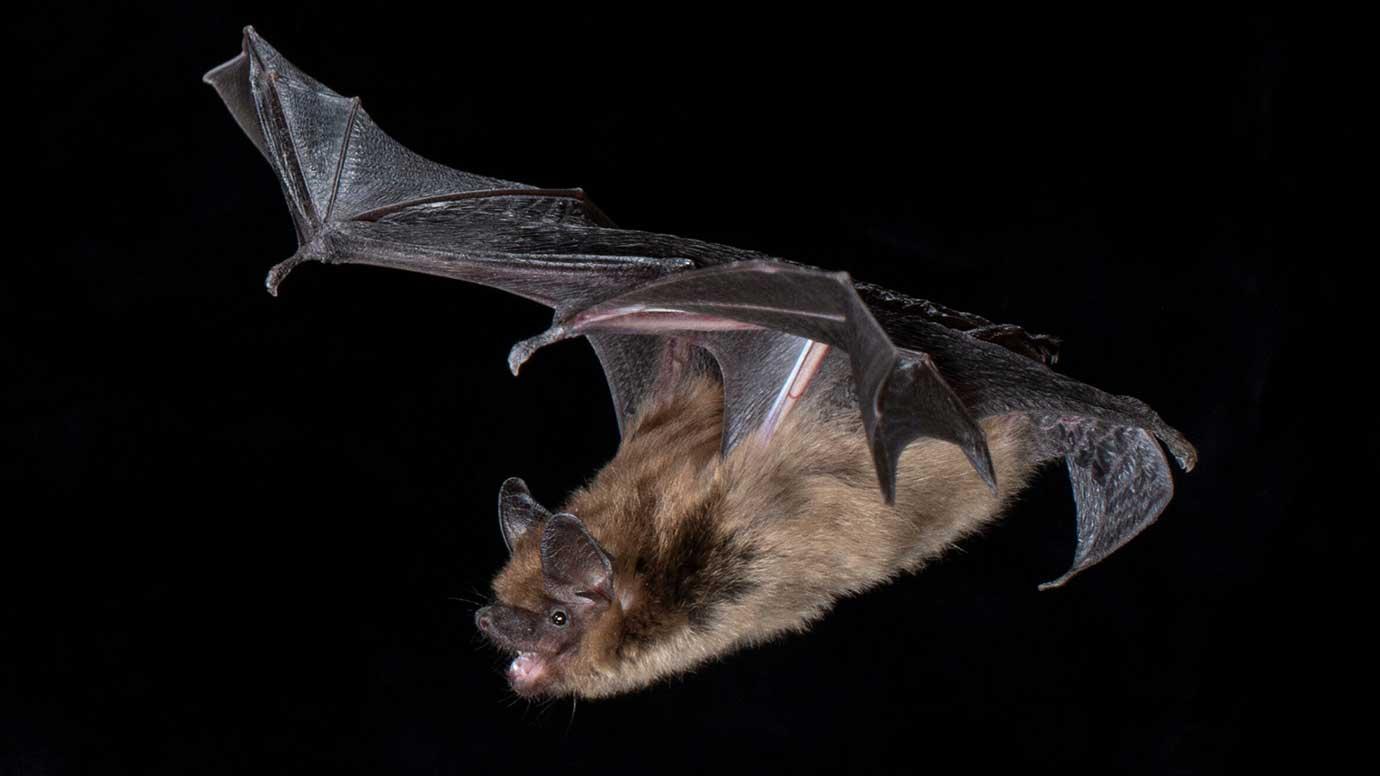
Imagine navigating a world cloaked in darkness, where sight offers no advantage. How would you find your way, locate food, and avoid obstacles? For bats, this isn't a hypothetical scenario, it's their everyday reality. These fascinating creatures have evolved an extraordinary ability to "see" with sound, a process known as echolocation.
Many of us take our sense of sight for granted. We can easily move around, assess our surroundings, and interact with the world with relative ease. But imagine the frustration of trying to navigate a complex environment with limited or no vision. How would you catch your dinner? How would you avoid bumping into things? The nocturnal world of bats presents these very challenges, demanding a unique solution.
This blog post will delve into the incredible world of bat echolocation, exploring how bats use sound waves to create a mental map of their surroundings. We'll uncover the science behind this biological sonar, examining the unique adaptations that allow bats to navigate and hunt with such remarkable precision.
In essence, bats emit high-pitched sounds and then listen for the echoes that bounce back from objects in their environment. By analyzing the timing, intensity, and frequency of these echoes, they can determine the size, shape, distance, and even the texture of objects. This sophisticated system allows them to navigate dense forests, locate tiny insects, and avoid obstacles with unparalleled accuracy. We'll explore these aspects, looking at the nuances of bat calls and how they are interpreted by these fascinating mammals.
Echolocation: A Bat's Sixth Sense
I remember being a kid and visiting Carlsbad Caverns. The sheer scale of the caves was astounding, but what truly captivated me was the swirling mass of bats exiting the cave at dusk. The park ranger explained how they used echolocation, but at the time, it seemed like magic. How could they possibly navigate in such darkness, avoiding collisions with each other and the cave walls? It wasn't until years later, studying biology in college, that I began to truly understand the science behind it.
Echolocation is essentially a biological sonar system. A bat emits a series of high-frequency sound pulses, often too high for humans to hear. These pulses travel through the air and bounce off objects in the environment. The bat's highly sensitive ears pick up these returning echoes, and its brain analyzes them to create a detailed "sound picture" of its surroundings. This analysis includes determining the distance to the object based on the time it takes for the echo to return, the size and shape of the object based on the intensity and pattern of the echo, and even the texture of the object based on subtle changes in the frequency of the echo.
The frequency of the bat's calls varies depending on the species and the environment. Bats that hunt in open areas tend to use lower frequency calls, which travel farther but provide less detailed information. Bats that hunt in cluttered environments, like forests, use higher frequency calls, which provide more detailed information but don't travel as far. This is because higher frequencies are more easily reflected by small objects, allowing the bat to detect fine details.
The Science of Sound
At its core, echolocation is a marvel of physics and biology working in perfect harmony. Imagine shouting in a canyon – the echo tells you something about the canyon's size and shape. Bats do something similar, but with a level of sophistication that surpasses any human-made sonar system.
The bat emits sound waves, which are essentially vibrations that travel through the air. When these sound waves encounter an object, some of the energy is reflected back towards the bat. The bat's ears are specially adapted to detect these faint echoes. The inner ear contains tiny hair cells that vibrate in response to sound waves. These vibrations are converted into electrical signals that are sent to the brain.
The bat's brain then processes these signals to extract information about the object. The time delay between the emission of the sound and the reception of the echo is used to calculate the distance to the object. The intensity of the echo is used to estimate the size of the object. The changes in frequency of the echo, caused by the Doppler effect, can be used to determine the object's speed and direction of movement. All of this information is processed in real-time, allowing the bat to create a dynamic "sound map" of its surroundings.
Bats in History and Mythology
Throughout history, bats have been shrouded in mystery and often associated with negative connotations. In many cultures, they are seen as symbols of darkness, death, and the supernatural. This perception likely stems from their nocturnal habits and their association with caves and other dark, mysterious places. However, in some cultures, bats are also seen as symbols of good luck and prosperity.
The association of bats with darkness and the supernatural is evident in many myths and legends. For example, in European folklore, bats are often associated with vampires. This association likely arose from the fact that some species of bats feed on blood. In Chinese culture, however, bats are considered to be symbols of good fortune and happiness. The Chinese word for bat, "fu," sounds similar to the word for good fortune.
Despite the often negative perceptions, bats have played a significant role in human culture and history. Their unique abilities, such as echolocation, have fascinated scientists and researchers for centuries. The study of bat echolocation has led to advancements in sonar technology and other fields. Furthermore, bats play a crucial role in many ecosystems, acting as pollinators, seed dispersers, and insectivores. Their ecological importance is increasingly recognized, leading to efforts to protect and conserve these fascinating creatures.
Unveiling the Secrets of Bat Echolocation
While we understand the basic principles of echolocation, many aspects of this remarkable ability remain a mystery. For example, how do bats process the complex auditory information so quickly and efficiently? How do they distinguish between echoes from different objects in a cluttered environment? How do they adapt their echolocation calls to different environments and hunting strategies?
One of the key secrets of bat echolocation lies in the bat's brain. The auditory cortex, the part of the brain responsible for processing sound, is highly specialized in bats. It contains a large number of neurons that are specifically tuned to detect and analyze echoes. These neurons are organized in a way that allows the bat to create a detailed "sound map" of its surroundings.
Another secret lies in the bat's ability to adapt its echolocation calls to different situations. For example, when a bat is approaching a target, it will often increase the frequency and repetition rate of its calls. This allows the bat to get a more detailed picture of the target as it gets closer. The bat can also adjust the duration and intensity of its calls depending on the environment. In a cluttered environment, the bat will use shorter, less intense calls to avoid interference from echoes from other objects.
Recommendations for Bat Conservation
Given the vital role bats play in our ecosystems, it's essential to promote their conservation. This can involve a variety of strategies, from protecting their habitats to educating the public about the importance of these creatures. Understanding how echolocation works helps us appreciate the complexity of bat lives and the need to protect them.
One of the most effective ways to help bats is to protect their roosting sites. Bats often roost in caves, abandoned mines, and old buildings. These roosting sites provide shelter and protection from predators. It's important to protect these sites from disturbance and destruction. Another important strategy is to protect bat foraging habitats. Bats feed on insects, fruits, and nectar. It's important to protect these habitats from pollution and destruction.
Educating the public about the importance of bats is also crucial. Many people have misconceptions about bats and fear them. By providing accurate information about bats, we can help to dispel these myths and promote a better understanding of these fascinating creatures. This can involve creating educational programs, distributing informational brochures, and conducting public outreach events. By working together, we can help to ensure the survival of bats for generations to come.
The Physics Behind the Squeak
The squeak, or rather the high-frequency sound pulse, is the cornerstone of bat echolocation. But what makes these sounds so effective for navigation? The answer lies in the physics of sound waves. Higher frequency sounds have shorter wavelengths. These shorter wavelengths are better at reflecting off small objects, allowing bats to detect tiny insects or navigate through dense foliage with remarkable precision.
Consider the analogy of light. A flashlight with a narrow beam is better at illuminating a specific point in the distance than a wide floodlight. Similarly, a high-frequency sound pulse is like a narrow beam of sound, allowing the bat to focus its "hearing" on a specific area. The bat can then analyze the echoes from this area to create a detailed picture of its surroundings. This process is not unlike how medical ultrasound works, using high-frequency sound waves to create images of internal organs.
Furthermore, the ability of bats to vary the frequency, duration, and intensity of their calls allows them to fine-tune their echolocation system to different environments and hunting situations. A bat hunting in open air might use lower frequency calls that travel further, while a bat hunting in a dense forest might use higher frequency calls that provide more detailed information about nearby objects. This adaptability is a key to the success of bats as nocturnal predators.
Tips for Observing Bats (Respectfully)
If you're interested in observing bats, it's important to do so responsibly and respectfully. Disturbing bats can disrupt their roosting or feeding behavior, which can have negative consequences for their health and survival. Here are a few tips for observing bats without causing harm:
First, never enter a bat roost. Bat roosts are often located in caves, abandoned mines, and old buildings. These are sensitive habitats that should not be disturbed. Entering a bat roost can stress the bats, causing them to abandon their roost or even die. Second, observe bats from a distance. Use binoculars or a spotting scope to get a closer look without disturbing the bats. Third, avoid making loud noises near bats. Bats are very sensitive to noise, and loud noises can disrupt their echolocation and hunting behavior. Fourth, never shine bright lights on bats. Bats are nocturnal animals and are adapted to low-light conditions. Bright lights can disorient them and make it difficult for them to hunt.
Finally, consider participating in citizen science projects that monitor bat populations. These projects often involve listening for bat calls using special equipment. By participating in these projects, you can contribute to our understanding of bat behavior and help to protect these fascinating creatures. Remember, responsible observation is key to ensuring the well-being of bat populations.
Understanding Bat Calls
Bat calls are not just random squeaks; they are highly structured and informative sounds. Each species of bat has its own unique call, which can be used to identify the species. Furthermore, the characteristics of the call can provide information about the bat's behavior and its environment.
Bat calls can vary in frequency, duration, and intensity. The frequency of the call is related to the size of the bat and the type of environment it is hunting in. Larger bats tend to use lower frequency calls, while smaller bats tend to use higher frequency calls. The duration of the call is related to the distance to the target. Shorter calls are used for nearby targets, while longer calls are used for distant targets. The intensity of the call is related to the size and reflectivity of the target. More intense calls are used for larger and more reflective targets.
By analyzing the characteristics of bat calls, scientists can learn a great deal about bat behavior and ecology. For example, they can determine what species of bats are present in a particular area, what types of prey they are feeding on, and how they are adapting to changes in their environment. This information is crucial for developing effective conservation strategies for bats.
Fun Facts About Bat Echolocation
Did you know that some bats can detect objects as thin as a human hair using echolocation? Or that some moths have evolved ways to jam bat echolocation signals, effectively making themselves invisible to the bat's sonar? The world of bat echolocation is full of amazing and surprising facts.
One particularly fascinating fact is that some bats can even use echolocation to identify the type of insect they are hunting. By analyzing the echoes from the insect's wings, the bat can determine its size, shape, and flight pattern. This allows the bat to select the most nutritious and palatable insects, while avoiding those that are poisonous or unappetizing. This level of sophistication highlights the incredible power of echolocation.
Another interesting fact is that some bats can use echolocation to navigate in complete darkness, even in complex environments like forests and caves. They can avoid obstacles, locate prey, and communicate with other bats using only sound. This ability is particularly important for bats that live in areas where vision is limited, such as underground caves or dense forests.
How to Help Bats Thrive
Want to lend a hand in helping these incredible creatures thrive? There are several things you can do, from simple changes around your home to supporting bat conservation organizations. Every little bit helps.
One of the easiest things you can do is to plant native trees and shrubs in your yard. These plants provide habitat for insects, which are a primary food source for bats. You can also install a bat house in your yard. Bat houses provide a safe and secure place for bats to roost. Be sure to choose a bat house that is appropriate for your region and install it in a sunny location. Avoid using pesticides in your yard. Pesticides can harm bats directly or indirectly by reducing their food supply. Keep your cats indoors, especially at night. Cats are natural predators of bats and can kill or injure them.
Finally, support bat conservation organizations. These organizations work to protect bat habitats, conduct research on bat behavior, and educate the public about the importance of bats. By supporting these organizations, you can help to ensure the survival of bats for generations to come. Together, we can create a world where bats thrive.
What if Bats Lost Their Echolocation?
Imagine a world where bats suddenly lost their ability to echolocate. The consequences would be far-reaching, impacting both the bats themselves and the ecosystems they inhabit. The loss of echolocation would be devastating for bats, making it difficult for them to find food, navigate their environment, and avoid predators.
Bats that rely on echolocation to hunt insects would struggle to find food, leading to starvation and population decline. Bats that use echolocation to navigate would be more likely to collide with obstacles, resulting in injuries and death. The loss of bats would also have a significant impact on ecosystems. Bats play a crucial role in controlling insect populations, pollinating plants, and dispersing seeds. Without bats, insect populations would likely explode, leading to crop damage and the spread of disease. The pollination of many plants would decline, reducing their reproductive success. The dispersal of seeds would also be affected, altering the composition of plant communities.
In short, the loss of echolocation would have cascading effects throughout the ecosystem, disrupting food webs and altering the structure of plant and animal communities. This highlights the importance of protecting bat populations and the critical role they play in maintaining the health and stability of our planet.
Listicle: 5 Amazing Echolocation Facts
Let's condense some of the most fascinating aspects of bat echolocation into a quick list:
- The Speed of Sound: Bats process echoes incredibly quickly, allowing them to react to changes in their environment in milliseconds.
- Frequency Masters: Bats can adjust the frequency of their calls to suit different environments and hunting strategies.
- Brain Power: The bat's brain is specially adapted to process the complex auditory information from echoes.
- Not Just Distance: Echolocation provides information about size, shape, texture, and even the movement of objects.
- Echolocation Interference: Some moths have evolved ways to jam bat echolocation signals, making them difficult to detect.
These facts underscore the remarkable sophistication and importance of echolocation in the lives of bats. It's a testament to the power of evolution and the incredible adaptations that allow animals to thrive in diverse environments.
Question and Answer about How Bats Navigate With Sound
Here are some frequently asked questions about bat echolocation:
Q: Can humans hear bat echolocation calls?
A: Most bat calls are too high-pitched for humans to hear. However, some species use lower frequency calls that are audible to humans.
Q: Do all bats use echolocation?
A: Most bats use echolocation, but some fruit bats rely on their sense of sight and smell to find food.
Q: How far can bats detect objects using echolocation?
A: The range of echolocation varies depending on the species of bat and the environment. Some bats can detect objects from several meters away.
Q: Can bats echolocate underwater?
A: While most bats hunt in the air, some species can echolocate underwater to find fish and other aquatic prey.
Conclusion of How Bats Navigate With Sound
The ability of bats to navigate with sound is a testament to the power of adaptation and the wonders of the natural world. Echolocation is not just a simple biological sonar system; it's a complex and sophisticated sensory modality that allows bats to thrive in the darkness. By understanding how echolocation works, we can gain a greater appreciation for these fascinating creatures and the vital role they play in our ecosystems. Let's continue to learn about and protect bats, ensuring their survival for generations to come.
0 Response to "How Bats Navigate With Sound"
Post a Comment