How Climate Change Affects Animal Migration
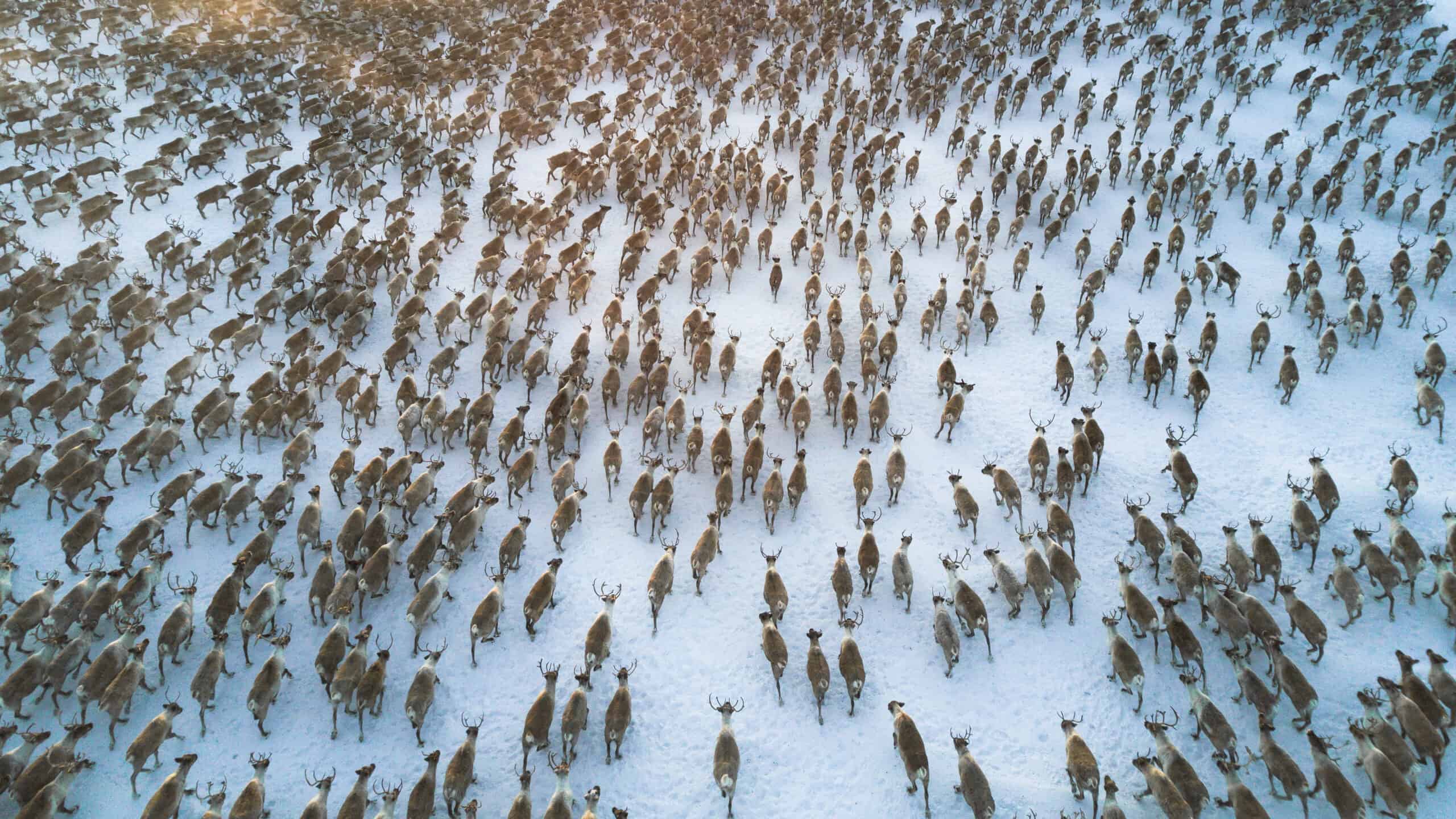
Imagine a world where the familiar patterns of nature are disrupted, where the rhythmic movements of animals across continents and oceans become unpredictable, even chaotic. This isn't a scene from a dystopian novel; it's the reality we're facing as climate change reshapes our planet.
It can be disheartening to witness the natural world, once so predictable, become increasingly uncertain. The routes that generations of animals have followed, the timing of their journeys, and the destinations they seek are all being thrown into disarray, leaving us to wonder about the future of these incredible migrations.
Climate change affects animal migration primarily by altering habitats, food availability, and breeding grounds. Rising temperatures, changing precipitation patterns, and extreme weather events are disrupting ecosystems, forcing animals to adapt or perish. For example, warming Arctic temperatures are shrinking sea ice, impacting the migration patterns of polar bears and seals. Similarly, changes in rainfall patterns are affecting the availability of water and food sources for migrating ungulates like wildebeest in Africa. The timing of seasonal events, such as the blooming of flowers or the emergence of insects, is also shifting, leading to mismatches between when animals arrive at their destinations and when resources are available.
In essence, climate change acts as a giant wrench in the machinery of nature, throwing off the delicate balance that sustains animal migrations. This disruption has profound implications for biodiversity, ecosystem health, and even human livelihoods that depend on these natural processes. The key takeaways are habitat disruption, altered food availability, breeding ground changes, and shifts in seasonal timing. We must understand these impacts to develop effective conservation strategies. Consider the monarch butterfly, the arctic tern, and the salmon – their stories are inextricably linked to the health of our planet.
Personal Experiences with Disrupted Migration Patterns
I remember a trip I took to Yellowstone National Park a few years ago. It was late spring, and I was hoping to witness the elk migration – a truly spectacular sight. I had read about it extensively and planned my trip accordingly. We went to several of the spots where the elk had grazed in the past, and expected to see thousands of them heading to higher elevations to graze through the summer. But things weren't as expected. Instead of seeing the massive herds I anticipated, the groups were fragmented and much smaller, dispersed over a wider area. The local park rangers told us that changes in snowmelt patterns and earlier vegetation growth due to warmer temperatures were disrupting the elk's traditional migratory routes. They were also foraging outside of the park, going to places where the land was more fertile and that put them in danger of facing humans and poachers. It was a sobering experience, a stark reminder of how even seemingly small changes in climate can have significant consequences for wildlife. This disruption of migration patterns isn't just a localized issue; it's a global phenomenon affecting countless species around the world. The consequences can be devastating, leading to population declines, habitat loss, and even extinction. Understanding how climate change alters migration patterns is crucial for developing effective conservation strategies to protect these vulnerable animals.
Understanding Climate Change's Impact
How exactly does climate change affect animal migration? It's a multifaceted issue, but the core problem is that climate change is altering the environmental cues that animals rely on to guide their migrations. Many species use temperature, day length, and rainfall patterns as triggers to begin their journeys. When these cues become unreliable due to climate change, animals can become disoriented, arrive at their destinations too early or too late, or even abandon their migrations altogether. For instance, many birds time their migrations to coincide with the peak abundance of insects, their primary food source during the breeding season. However, as temperatures warm, insects may emerge earlier in the year, creating a mismatch between the birds' arrival and the availability of food. This can lead to lower breeding success and population declines. Furthermore, climate change is also causing habitat loss and degradation, making it harder for animals to find suitable places to rest, feed, and breed along their migratory routes. Rising sea levels, deforestation, and desertification are all shrinking the available habitat, forcing animals to compete for limited resources and increasing their vulnerability to predators and disease. Understanding these complex interactions is essential for developing effective conservation strategies that address the root causes of climate change and protect vulnerable migratory species.
Historical and Mythical Perspectives
Throughout history, humans have been fascinated by animal migrations, often attributing them to divine guidance or instinct. Ancient cultures developed myths and legends to explain these incredible journeys, viewing them as a symbol of renewal, resilience, and the interconnectedness of life. For example, some indigenous communities in North America believed that the salmon migration was a gift from the Creator, a sacred event that sustained both humans and the ecosystem. These historical and mythical perspectives highlight the deep cultural significance of animal migrations and the importance of preserving them for future generations. The Greeks believed that swallows hibernated at the bottom of lakes and ponds, where they spent the winter underwater before reemerging in the spring. While not entirely accurate, this belief underscores humanity's age-old fascination with the seasonal disappearance and reappearance of migratory species. Nowadays, while we have science to explain why animals migrate, it's no secret that the changes in the environment is affecting them and that in the future, these beautiful creatures may disappear. Today, we understand that these migrations are driven by complex ecological factors, but the underlying sense of awe and wonder remains. Climate change threatens to disrupt these ancient patterns, severing the connection between humans and the natural world and eroding the cultural heritage that has been passed down through generations. Preserving animal migrations is not just an environmental imperative; it's also a cultural one.
Hidden Secrets of Migration
One of the most fascinating aspects of animal migration is the incredible navigational abilities that these animals possess. How do they find their way across vast distances, often returning to the same locations year after year? Scientists are still uncovering the hidden secrets of animal navigation, but it's clear that they rely on a combination of cues, including the Earth's magnetic field, the position of the sun and stars, and even polarized light. The use of the Earth's magnetic field is still unknown, as different animals are able to use it in different ways. The salmon uses it to find its way back to their birthing grounds, while birds use it to help them navigate during migration. Climate change can disrupt these navigational cues, making it harder for animals to find their way. For example, changes in ocean currents can alter the magnetic field, potentially confusing marine animals that rely on it for navigation. Similarly, increased cloud cover can obscure the sun and stars, making it more difficult for birds to orient themselves. Understanding these hidden secrets of animal navigation is crucial for developing effective conservation strategies that protect these animals from the impacts of climate change. The more we understand the way that animals migrate and find their food, the better chance we have of saving them. Climate change threatens these subtle and intricate processes, requiring us to delve deeper into understanding and protecting these animal behaviors.
Recommendations for Conservation
What can we do to mitigate the impacts of climate change on animal migration? The answer lies in a multifaceted approach that combines individual actions, policy changes, and conservation efforts. On a personal level, we can reduce our carbon footprint by making sustainable choices in our daily lives, such as using public transportation, eating less meat, and conserving energy. Policy changes are also essential. Governments need to implement strong climate policies that reduce greenhouse gas emissions and invest in renewable energy sources. They also need to protect and restore critical habitats along migratory routes, such as wetlands, forests, and grasslands. Conservation efforts play a crucial role in helping animals adapt to climate change. This includes monitoring migration patterns, identifying vulnerable populations, and implementing targeted conservation measures, such as habitat restoration, predator control, and disease management. Supporting organizations that work to protect migratory animals is another way to make a difference. Every little bit counts, from reducing plastic consumption to advocating for stronger environmental policies. By working together, we can create a more sustainable future for both humans and animals.
The Role of Protected Areas
Protected areas, such as national parks and wildlife refuges, play a vital role in safeguarding migratory animals and their habitats. These areas provide safe havens where animals can rest, feed, and breed without being disturbed by human activities. However, climate change is challenging the effectiveness of protected areas, as rising temperatures and changing precipitation patterns are altering the ecosystems within their boundaries. For example, some protected areas may become too hot or dry to support the species they were originally designed to protect. To address this challenge, it's important to expand protected areas to encompass a wider range of habitats and to create corridors that connect them, allowing animals to move freely in response to climate change. Adaptive management strategies are also needed to ensure that protected areas remain effective in the face of changing environmental conditions. This includes monitoring key indicators of ecosystem health, such as vegetation cover, water quality, and wildlife populations, and adjusting management practices accordingly. By strengthening protected areas and implementing adaptive management strategies, we can provide crucial support for migratory animals in a changing climate. Protected areas are the strongest safeguard we have to help protect our wildlife and ensure that they continue to thrive.
Practical Tips for Supporting Migration
Want to make a tangible difference in supporting animal migration? Here are a few practical tips: Support local and sustainable businesses. By choosing products and services that are produced in an environmentally responsible way, you can reduce your impact on the planet and help protect migratory habitats. Educate yourself and others about the importance of animal migration and the threats they face. The more people who understand these issues, the more likely we are to take action to protect these incredible journeys. Advocate for stronger environmental policies. Contact your elected officials and let them know that you support policies that address climate change, protect habitats, and promote sustainable development. Participate in citizen science projects. Many organizations offer opportunities to volunteer and help monitor animal populations, track migration patterns, and collect data on environmental conditions. Every action, no matter how small, can make a difference. By working together, we can create a more sustainable future for both humans and animals.
Individual Actions and Collective Impact
While large-scale policy changes and conservation efforts are essential, individual actions also play a crucial role in supporting animal migration. Every choice we make, from the food we eat to the way we travel, has an impact on the environment and on the animals that share our planet. For example, reducing our meat consumption can help decrease deforestation, which is a major threat to migratory habitats. Similarly, choosing to walk, bike, or use public transportation instead of driving can reduce our carbon footprint and help mitigate climate change. Even small changes in our daily habits can add up to a significant impact when multiplied across millions of people. By making conscious choices and adopting a more sustainable lifestyle, we can collectively create a more positive future for animal migration. It's a reminder that environmental protection is not just the responsibility of governments and organizations; it's a shared responsibility that requires the participation of everyone. Each and every one of us has a role to play in safeguarding the incredible journeys of migratory animals.
Fun Facts about Animal Migration
Did you know that the Arctic Tern has the longest migration of any bird, traveling over 44,000 miles each year from the Arctic to the Antarctic and back? Or that the Monarch Butterfly is the only insect known to make a two-way migration, with several generations completing the journey? These are just a few of the fascinating facts about animal migration. The Gray Whale undertakes one of the longest mammalian migrations, traveling over 10,000 miles from the Arctic feeding grounds to the warm lagoons of Baja California to breed. The Christmas Island Red Crab is also quite fascinating, as it undertakes a yearly migration from the forest to the coast to breed. It is quite a sight to see, as millions of red crabs cross roads and streams to get to their destination. Despite the dangers posed by climate change, these incredible journeys continue to inspire awe and wonder. They remind us of the resilience and adaptability of life on Earth, and the importance of protecting these natural wonders for future generations. Learning about these fun facts can help us appreciate the complexity and beauty of animal migration, and motivate us to take action to protect it.
How to Track Migration Patterns
Tracking animal migration patterns is crucial for understanding how climate change and other environmental factors are affecting these journeys. Scientists use a variety of methods to track animals, including satellite tracking, GPS loggers, and radio telemetry. Satellite tracking involves attaching small transmitters to animals that emit signals that can be detected by satellites in orbit. This allows scientists to monitor the animals' movements over long distances and in remote locations. GPS loggers are similar to satellite trackers, but they store data internally and must be retrieved from the animal to download the information. Radio telemetry involves attaching a radio transmitter to an animal and then using a handheld receiver to track its movements. This method is typically used for tracking animals over shorter distances. Citizen science projects also play a role in tracking migration patterns. By observing and reporting animal sightings, citizen scientists can contribute valuable data to researchers. Tracking migration patterns helps us to identify vulnerable populations, understand the impacts of climate change, and develop effective conservation strategies.
What If Migrations Disappear?
What if animal migrations disappeared altogether? The consequences would be devastating, not only for the animals themselves but also for the ecosystems they inhabit and for human societies that depend on them. Many ecosystems rely on migratory animals to transport nutrients, pollinate plants, and control populations of other species. Without these ecological services, ecosystems could become less resilient and more vulnerable to disturbances. For example, the decline of migratory birds could lead to outbreaks of insect pests, which could damage forests and crops. The loss of migratory fish could disrupt food webs and reduce the productivity of fisheries. Human societies also depend on migratory animals for food, recreation, and cultural value. The disappearance of migrations would have significant economic and social impacts, particularly for indigenous communities that have traditionally relied on these animals for their livelihoods. The loss of animal migrations would be a profound tragedy, a reminder of the interconnectedness of life on Earth and the importance of protecting biodiversity. Protecting animal migrations is not just an environmental imperative; it's also a social and economic one.
Listicle of Endangered Migrations
Here's a listicle of some of the most endangered migrations in the world:
1. Monarch Butterfly Migration: Climate change, habitat loss, and pesticide use are threatening the iconic monarch butterfly migration.
2. Arctic Tern Migration: Warming Arctic temperatures and declining fish stocks are impacting the longest migration of any bird.
3. Salmon Migration: Dams, habitat destruction, and overfishing are hindering salmon from reaching their spawning grounds.
4. Wildebeest Migration: Changes in rainfall patterns and habitat loss are disrupting the Great Migration in the Serengeti.
5. Whale Migrations: Ocean pollution, ship strikes, and climate change are posing threats to various whale species.
6. Red Crab Migration: Deforestation, and coastal construction is hindering crab migrations.
7. Caribou Migration: Loss of habitats and climate change is affecting their patterns of migration. These are just a few examples of the many migratory animals facing threats around the world. By understanding the challenges they face, we can work together to protect these incredible journeys for future generations.
Question and Answer
Here are some frequently asked questions about climate change and animal migration:
Q: How does climate change affect the timing of migrations?
A: Climate change can alter the timing of migrations by disrupting the environmental cues that animals use to guide their journeys, such as temperature, day length, and rainfall patterns. As a result, animals may arrive at their destinations too early or too late, leading to mismatches with the availability of food and other resources.
Q: What are some of the biggest threats to migratory animals?
A: Some of the biggest threats to migratory animals include climate change, habitat loss, pollution, overfishing, and hunting.
Q: What can individuals do to help protect migratory animals?
A: Individuals can help protect migratory animals by reducing their carbon footprint, supporting sustainable businesses, advocating for stronger environmental policies, and participating in citizen science projects.
Q: Why is it important to protect animal migrations?
A: It is important to protect animal migrations because they play a vital role in maintaining ecosystem health, supporting human livelihoods, and preserving cultural heritage.
Conclusion of How Climate Change Affects Animal Migration
The intricate tapestry of animal migration is unraveling under the relentless pressure of climate change. Habitats are shifting, food sources are dwindling, and the ancient rhythms of nature are being disrupted. While the challenges are daunting, they are not insurmountable. By understanding the complex ways in which climate change affects animal migration, and by taking concerted action to reduce our carbon footprint, protect habitats, and support conservation efforts, we can help ensure that these incredible journeys continue to inspire and enrich our world for generations to come. The time to act is now, before these magnificent migrations become a distant memory.
0 Response to "How Climate Change Affects Animal Migration"
Post a Comment