How Horses Understand Human Emotions
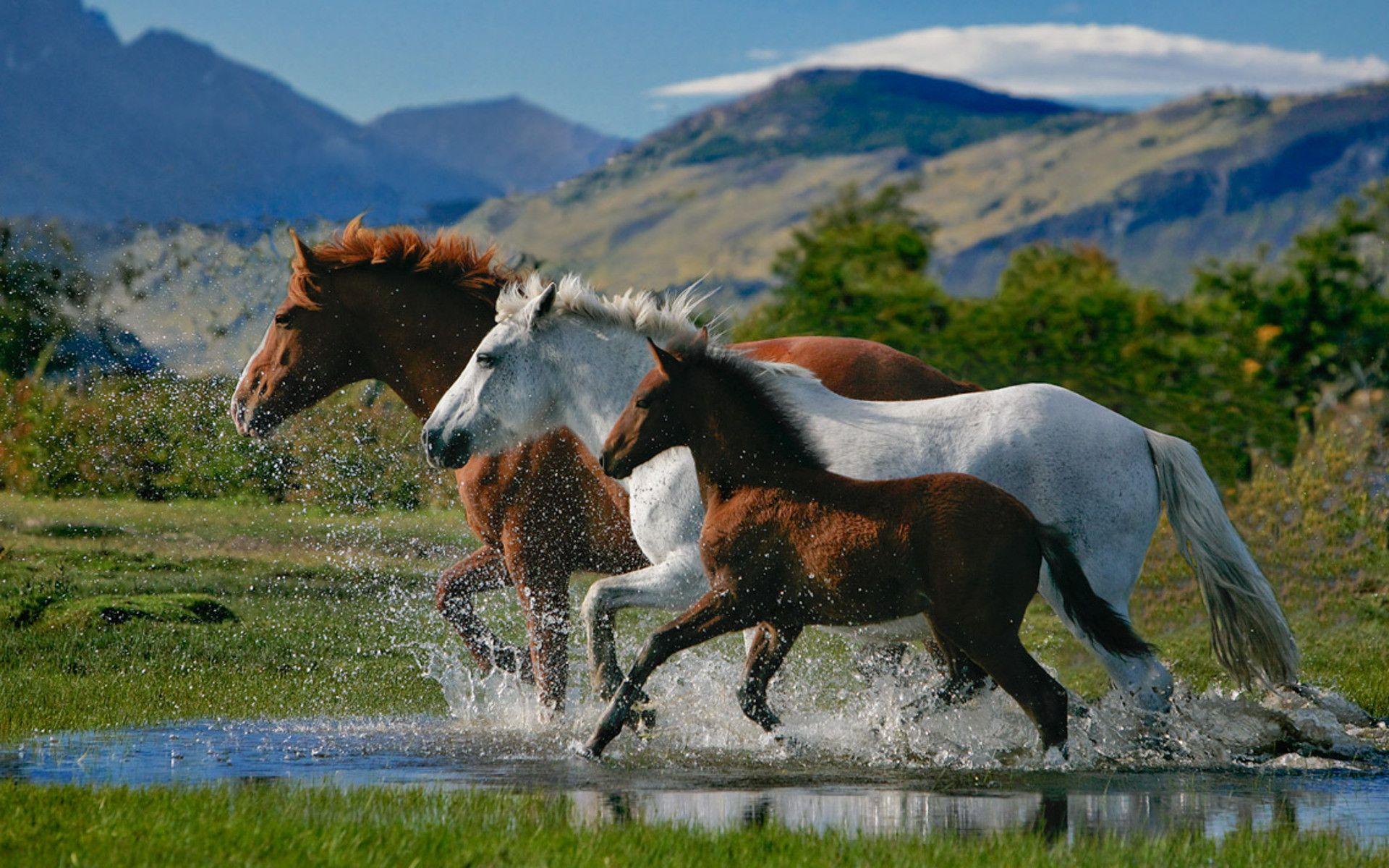
Have you ever looked into a horse's eyes and felt like they understood exactly what you were feeling? It's more than just a connection; it's a complex dance of perception and empathy that has fascinated humans for centuries. But how much of our emotional world do these magnificent creatures truly grasp?
Many horse owners grapple with the frustration of feeling misunderstood by their equine partners. Training can be challenging when your horse seems to react unpredictably to your cues. Building a strong bond feels impossible when communication seems like a one-way street. Is it possible that we're missing something crucial in how horses perceive and interpret our emotional state?
This blog post explores the fascinating ability of horses to understand human emotions. We'll delve into the science behind their sensitivity, exploring how they read our body language, vocal cues, and even our heart rates to decipher our feelings. We'll also discuss how this understanding impacts their behavior and how we can use this knowledge to build stronger, more harmonious relationships with our horses.
Horses possess a remarkable ability to perceive and respond to human emotions. They utilize a combination of visual, auditory, and even olfactory cues to interpret our feelings. This sensitivity can influence their behavior, affecting everything from training to bonding. By understanding how horses perceive our emotions, we can cultivate stronger connections and improve our interactions with these incredible animals. Key elements to consider are facial expressions, body language, vocal tone, and even physiological changes like heart rate. Ultimately, fostering awareness and mindful communication can lead to a more profound partnership built on mutual respect and understanding.
The Science of Equine Empathy
My first encounter with the depth of equine empathy came during a particularly difficult time in my life. I was struggling with anxiety and found myself seeking solace in the presence of my mare, Willow. On days when I felt overwhelmed, Willow would approach me with a gentle nuzzle, her soft eyes conveying a sense of calm understanding. It was as if she knew exactly what I needed – a quiet, supportive presence. This experience sparked my curiosity about the science behind their emotional intelligence.
Research has revealed that horses are highly attuned to human facial expressions. Studies have shown that they can differentiate between happy and angry faces, even when presented with photographs. Their heart rate increases when they see an angry face, indicating a heightened state of awareness and potentially a stress response. Furthermore, horses are sensitive to our body language. A tense posture, rapid movements, or a raised voice can all signal distress or anger, causing the horse to become anxious or defensive. Conversely, a relaxed posture, calm voice, and gentle movements can create a sense of safety and trust. Their ability to perceive subtle changes in our physiology, such as heart rate and perspiration, further enhances their understanding of our emotional state. This multifaceted perception allows them to form a complex and nuanced understanding of our emotional landscape. This understanding emphasizes the need for mindful communication and emotional consistency in our interactions with horses, as they are constantly observing and responding to our emotional cues.
How Horses Read Our Body Language
Horses are masters of nonverbal communication, relying heavily on body language to interpret the world around them. They are incredibly observant creatures, constantly scanning their environment for subtle cues that indicate potential threats or opportunities. When interacting with humans, they apply this same level of scrutiny to our body language, using it to decipher our intentions and emotional state.
A stiff posture, tense shoulders, or a furrowed brow can all signal stress or anger, causing a horse to become wary or defensive. Conversely, a relaxed posture, soft eyes, and gentle movements convey a sense of calm and reassurance. The way we hold our hands, the direction of our gaze, and even the subtle shifts in our weight can all communicate volumes to a horse. They are particularly sensitive to changes in our breathing patterns. Rapid, shallow breaths can indicate anxiety, while slow, deep breaths can promote relaxation. By paying attention to our own body language, we can become more mindful of the signals we are sending to our horses. This awareness allows us to adjust our behavior to create a more positive and harmonious interaction. It's crucial to remember that horses interpret our body language based on their own experiences and past associations. Therefore, consistency and clarity in our communication are essential for building trust and avoiding misunderstandings. Understanding how horses read our body language is a vital step in fostering a deeper connection and improving our horsemanship skills.
The Myths and Legends of Equine Intuition
For centuries, horses have been revered for their intuitive abilities, often appearing in myths and legends as wise and perceptive creatures. In many cultures, horses are seen as symbols of strength, freedom, and grace, but also as possessing a deep connection to the spiritual realm. Stories abound of horses sensing danger before humans, finding their way home through treacherous terrain, or even healing emotional wounds with their gentle presence.
These myths and legends often attribute horses' intuition to a mystical or supernatural source. While it's tempting to romanticize their abilities, it's important to ground our understanding in scientific observation. However, the persistence of these stories throughout history speaks to the profound impact horses have on our lives and the deep connection we feel with them. One common myth is that horses can read minds. While they can't literally read our thoughts, their ability to perceive subtle cues in our body language and emotional state can give the impression of mind-reading. They are experts at anticipating our actions based on our posture, gestures, and even our breathing patterns. Another persistent myth is that horses are inherently psychic. While there's no scientific evidence to support this claim, their heightened senses and ability to detect subtle changes in their environment can sometimes lead to seemingly inexplicable behaviors. It's important to approach these myths with a healthy dose of skepticism, but also to appreciate the underlying message they convey: horses are incredibly sensitive and perceptive animals with a unique ability to connect with humans on a deep emotional level. This perspective encourages us to treat them with respect and to recognize the profound impact they have on our lives.
Unlocking the Hidden Secrets of Horse-Human Connection
The bond between humans and horses is a unique and powerful one, forged over millennia of shared history. Beyond their physical strength and athletic prowess, horses possess a remarkable ability to connect with us on an emotional level. But what are the hidden secrets that underpin this profound connection? One key lies in their highly developed social intelligence. Horses are herd animals, constantly communicating and interacting with each other through a complex system of nonverbal cues.
They bring this same level of social intelligence to their interactions with humans, carefully observing our behavior and responding accordingly. Another secret lies in their ability to mirror our emotions. Studies have shown that horses can synchronize their heart rate and behavior with humans, demonstrating a deep level of empathy. This mirroring effect can create a sense of connection and understanding, allowing us to feel truly seen and heard by our equine partners. The power of presence is often overlooked in the horse-human relationship. When we are truly present and focused on our interactions with horses, they can sense our undivided attention. This creates a safe and supportive environment, allowing them to relax and connect with us on a deeper level. Mindful communication is also essential. Horses are incredibly sensitive to our tone of voice, body language, and energy. By communicating clearly and consistently, we can build trust and avoid misunderstandings. The final secret lies in mutual respect. Recognizing horses as intelligent and sentient beings, with their own unique needs and desires, is crucial for building a strong and lasting bond. This respect fosters a sense of partnership and collaboration, allowing us to work together in harmony. Unlocking these hidden secrets can transform our relationship with horses, leading to a deeper, more meaningful connection. Understanding these elements is vital for responsible horsemanship and animal welfare.
Recommendations for Strengthening Your Bond
Building a strong and trusting relationship with your horse is a rewarding journey that requires patience, understanding, and a willingness to learn. There are several practical recommendations that can help you strengthen your bond and deepen your connection. First and foremost, prioritize spending quality time with your horse. This doesn't always have to involve riding or training. Simply grooming, grazing, or even just being present in their space can help them feel more comfortable and connected to you.
Pay close attention to your horse's body language. Learn to recognize the subtle signs of stress, anxiety, or discomfort. This will allow you to respond appropriately and avoid pushing them beyond their comfort zone. Practice positive reinforcement techniques. Rewarding your horse for good behavior with treats, praise, or scratches can create a positive association with you and make them more eager to please. Avoid using punishment or harsh methods, as these can damage your trust and create fear. Develop a consistent training routine. Horses thrive on predictability. Establishing a clear and consistent training routine can help them feel more secure and confident in their interactions with you. Be mindful of your own emotions. Horses are highly sensitive to human emotions. If you are feeling stressed, anxious, or frustrated, take a moment to calm yourself before interacting with your horse. They will pick up on your emotions and may become anxious or defensive. Seek guidance from experienced horse professionals. A qualified trainer or behaviorist can provide valuable insights and guidance on how to improve your communication and build a stronger bond with your horse. Finally, remember that every horse is an individual. What works for one horse may not work for another. Be patient, observant, and willing to adapt your approach to meet the unique needs of your equine partner. Applying these recommendations can significantly enhance your relationship with your horse, fostering a deeper sense of connection and understanding.
The Role of Vocal Cues in Horse Communication
Horses are not only adept at reading our body language, but they also pay close attention to our vocal cues. The tone, pitch, and volume of our voice can all convey important information to them, influencing their behavior and shaping their perception of us. A calm, soothing voice can create a sense of safety and reassurance, while a harsh, loud voice can trigger anxiety or fear. It's important to be mindful of the way we speak to our horses, ensuring that our vocal cues align with our intentions.
Studies have shown that horses can differentiate between different tones of voice, even when the words are the same. They are particularly sensitive to changes in pitch, with higher pitches often associated with excitement or anxiety. They also pay attention to the rhythm and cadence of our speech. A slow, steady rhythm can promote relaxation, while a fast, erratic rhythm can create a sense of urgency. Horses also learn to associate certain words or phrases with specific actions or commands. By consistently using the same words in the same context, we can create a clear and reliable communication system. However, it's important to remember that horses don't understand the meaning of words in the same way that humans do. They rely primarily on the tone and delivery of our voice to interpret our intentions. Therefore, it's crucial to focus on communicating with clarity and consistency, ensuring that our vocal cues support our body language and actions. By mastering the art of vocal communication, we can significantly enhance our relationship with horses and improve our ability to train and interact with them effectively. This emphasizes the need for deliberate and thoughtful vocal communication with horses, recognizing their sensitivity to auditory cues.
Tips for Creating a Harmonious Partnership
Building a harmonious partnership with your horse requires a combination of knowledge, patience, and empathy. It's about creating a relationship based on mutual respect, trust, and understanding. Here are some practical tips to help you foster a more harmonious connection with your equine companion: Practice active listening. Pay close attention to your horse's body language, vocalizations, and overall demeanor. Learn to recognize the subtle signs of stress, anxiety, or discomfort. This will allow you to respond proactively and prevent problems from escalating.
Be consistent in your communication. Use clear, consistent cues and signals. Avoid giving mixed messages or confusing your horse with contradictory instructions. Consistency builds trust and allows your horse to understand your expectations. Set realistic goals. Don't push your horse beyond their physical or emotional limits. Set achievable goals and celebrate their successes along the way. This will help build their confidence and motivation. Create a safe and comfortable environment. Ensure that your horse has access to adequate shelter, food, water, and socialization. A comfortable and secure environment will help them feel more relaxed and receptive to your interactions. Focus on building trust. Trust is the foundation of any strong relationship. Be patient, gentle, and respectful in your interactions with your horse. Avoid using punishment or harsh methods, as these can damage their trust and create fear. Spend quality time together. Dedicate time each day to simply be with your horse. Groom them, graze them, or just sit quietly in their presence. This will help strengthen your bond and deepen your connection. Seek professional guidance. If you are struggling to build a harmonious partnership with your horse, don't hesitate to seek guidance from a qualified trainer or behaviorist. They can provide valuable insights and support. By implementing these tips, you can cultivate a more harmonious partnership with your horse, fostering a deeper sense of connection and understanding. Prioritizing communication and trust are the foundation for a successful partnership.
The Impact of Environment on Emotional Perception
The environment in which a horse lives and interacts plays a crucial role in shaping their emotional perception and responses. A stimulating and enriching environment can promote positive emotional well-being, while a stressful or deprived environment can lead to anxiety, fear, and behavioral problems. It's essential to consider the impact of the environment when assessing a horse's emotional state and developing strategies for improving their welfare.
A natural environment, with access to pasture, social interaction, and opportunities for exploration, can significantly enhance a horse's emotional well-being. Grazing allows them to engage in natural foraging behaviors, which can reduce stress and promote relaxation. Social interaction with other horses is also vital for their emotional health, as it allows them to establish social bonds and engage in natural herd dynamics. A predictable and consistent routine can also create a sense of security for horses. Knowing what to expect each day can reduce anxiety and allow them to feel more in control of their environment. Conversely, a stressful environment, characterized by loud noises, confinement, and lack of social interaction, can negatively impact a horse's emotional state. Constant exposure to stressors can lead to chronic anxiety, fear, and even depression. It's crucial to minimize stressors in the horse's environment and provide them with opportunities to cope with stress in healthy ways, such as through exercise, social interaction, and mental stimulation. The design of the stable and pasture can also impact a horse's emotional well-being. Providing ample space, natural light, and ventilation can create a more comfortable and stimulating environment. Implementing these environmental considerations can significantly enhance a horse's emotional well-being, fostering a more positive and harmonious relationship.
Fun Facts About Equine Emotional Intelligence
Horses are truly remarkable creatures, possessing a level of emotional intelligence that often surprises and delights us. Here are some fun facts that highlight their incredible abilities: Horses can recognize themselves in a mirror. This demonstrates a level of self-awareness that is relatively rare in the animal kingdom. They can also learn to use touchscreens to communicate their preferences. This highlights their cognitive abilities and their capacity for learning complex tasks.
Horses have a sophisticated system of facial expressions. They use a variety of subtle cues, such as ear position, eye movement, and nostril dilation, to communicate their emotions to each other. Studies have shown that horses can synchronize their heart rates with humans, demonstrating a deep level of empathy. This mirroring effect can create a sense of connection and understanding. Horses can also remember human faces for many years. This suggests that they form lasting bonds with the people who care for them. They are capable of experiencing a wide range of emotions, including joy, sadness, fear, anger, and grief. They also have a strong sense of fairness and can become distressed if they feel they are being treated unfairly. Horses can even learn to solve complex problems. They can navigate mazes, open gates, and even use tools to access food. Finally, horses are incredibly sensitive to the energy and emotions of their riders. They can sense when their rider is nervous, tense, or insecure, and they will often mirror those emotions in their own behavior. These fun facts underscore the remarkable emotional intelligence of horses, highlighting their capacity for learning, empathy, and connection. Understanding these aspects enhances appreciation for their unique capabilities and strengthens the bond between humans and horses.
How to Improve Your Emotional Communication with Horses
Improving your emotional communication with horses is a continuous process that requires patience, self-awareness, and a willingness to learn. Here are some practical steps you can take to enhance your interactions with these sensitive animals: Cultivate self-awareness. Before you can effectively communicate your emotions to your horse, you need to be aware of your own emotional state. Pay attention to your thoughts, feelings, and physical sensations. Practice mindfulness techniques to stay present in the moment and avoid letting your emotions overwhelm you.
Learn to regulate your emotions. If you are feeling stressed, anxious, or frustrated, take a moment to calm yourself before interacting with your horse. Practice deep breathing exercises, visualization techniques, or other relaxation methods to help you regulate your emotions. Use clear and consistent body language. Your body language speaks volumes to your horse. Be mindful of your posture, gestures, and facial expressions. Use relaxed, confident, and consistent body language to convey your intentions clearly. Pay attention to your vocal cues. The tone, pitch, and volume of your voice can all influence your horse's behavior. Use a calm, soothing voice to reassure your horse and a firm, clear voice to give instructions. Be consistent in your cues. Horses thrive on predictability. Use the same cues and signals consistently to avoid confusing your horse. Reward positive behavior. When your horse responds appropriately to your cues, reward them with praise, scratches, or treats. Positive reinforcement can strengthen your bond and motivate your horse to learn. Be patient and understanding. Building a strong relationship with your horse takes time and effort. Be patient and understanding, and don't get discouraged if you encounter setbacks. By following these steps, you can improve your emotional communication with horses, fostering a deeper sense of connection and understanding. Focusing on self-awareness and consistent communication will significantly improve your horsemanship skills.
What If Horses Could Talk?
Imagine a world where horses could speak our language. What would they tell us? What insights would they offer into their experiences, their emotions, and their perceptions of the world? While we can only speculate, it's a fascinating thought experiment that can deepen our understanding and appreciation of these magnificent creatures. They might tell us about the joys of running free in a pasture, the comfort of a gentle grooming session, or the satisfaction of a well-executed jump.
They might also share their fears, anxieties, and frustrations. They might tell us about the stress of being confined in a small stall, the discomfort of an ill-fitting saddle, or the confusion of unclear cues. Perhaps they would offer insights into their social dynamics, explaining the complex hierarchies and relationships within their herd. They might also share their perspectives on humans, describing how they perceive our emotions, intentions, and behaviors. They might tell us about the positive experiences they have had with kind, patient, and understanding humans. They might also share their negative experiences with humans who are harsh, impatient, or abusive. If horses could talk, they would undoubtedly have a lot to say. Their insights could revolutionize our understanding of equine behavior, welfare, and communication. They could also teach us valuable lessons about empathy, compassion, and the importance of building strong relationships with all living beings. While the possibility of horses speaking our language remains a fantasy, it serves as a powerful reminder of the importance of listening to them in other ways. By paying attention to their body language, vocalizations, and overall demeanor, we can gain a deeper understanding of their needs and emotions. This highlights the need for more focused observation and empathy towards horses.
A Listicle: 5 Ways Horses Show Affection
Horses may not express affection in the same way that humans do, but they have their own unique ways of showing their fondness and connection. Here are five common ways horses demonstrate affection: Nuzzling: A gentle nuzzle on your shoulder, arm, or face is a sign of affection and trust. It's a way of saying, "I like you." Grooming: Horses often groom each other as a way of bonding and strengthening their social connections. If a horse grooms you, it's a sign that they consider you part of their herd.
Following: If a horse consistently follows you around, it's a sign that they enjoy your company and feel safe in your presence. Standing close: Horses often stand close to those they feel comfortable and connected with. If a horse stands close to you, it's a sign that they trust you and enjoy being near you. Soft eyes: A horse's eyes can reveal a lot about their emotions. Soft, relaxed eyes are a sign that they are feeling calm, comfortable, and affectionate. These subtle displays of affection are a testament to the deep emotional connections that horses are capable of forming. By paying attention to these cues, we can gain a greater understanding of their feelings and strengthen our bonds with them. Recognizing these affectionate behaviors reinforces the importance of the horse-human connection and the reciprocal nature of that bond.
Question and Answer Section of How Horses Understand Human Emotions
Here are some common questions and answers about how horses understand human emotions:
Question 1: Can horses really sense my emotions, or is it just my imagination?
Answer: Research suggests that horses are indeed capable of sensing human emotions. They use a combination of visual, auditory, and even olfactory cues to interpret our feelings. They are highly attuned to our body language, facial expressions, vocal tone, and even our heart rate.
Question 2: How can I tell if my horse is picking up on my negative emotions?
Answer: Horses may exhibit various signs of stress or anxiety when they sense negative emotions in humans. These signs can include increased heart rate, tense muscles, pinned ears, a swishing tail, or an unwillingness to cooperate.
Question 3: Can I use this knowledge to improve my training sessions?
Answer: Absolutely! By being aware of your emotional state and its impact on your horse, you can create a more positive and effective training environment. Try to remain calm, patient, and consistent in your cues, and reward your horse for positive responses.
Question 4: Is there anything I can do to help my horse feel more secure around me?
Answer: Yes! Create a safe and predictable environment for your horse. Spend quality time with them, practicing gentle grooming or simply being present. Use a calm and soothing voice, and avoid sudden movements or loud noises. Building trust and consistency are key to fostering a secure relationship.
Conclusion of How Horses Understand Human Emotions
Horses possess a remarkable ability to perceive and respond to human emotions, relying on a complex interplay of visual, auditory, and physiological cues to interpret our feelings. Their sensitivity significantly influences their behavior and underscores the importance of mindful communication and emotional consistency in our interactions. By understanding how horses perceive our emotions, we can cultivate stronger connections, improve our horsemanship skills, and foster a more profound partnership built on mutual respect and understanding. From deciphering body language to mirroring our heart rates, their intuitive nature invites us to deepen our connection and approach them with empathy and awareness, ultimately enriching the bond we share with these magnificent creatures.
0 Response to "How Horses Understand Human Emotions"
Post a Comment