The Impact of Deforestation on Wildlife
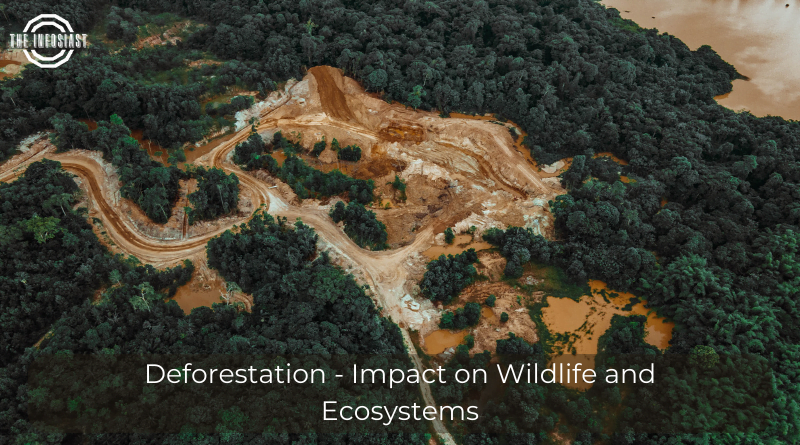
Imagine a world silenced, not by peace, but by the absence of the vibrant symphony of life. Picture lush rainforests, once teeming with unique creatures, reduced to barren landscapes. This isn't a scene from a dystopian movie; it's the stark reality we face if we fail to address the devastating impact of deforestation on our planet's precious wildlife.
Consider the orangutans of Borneo and Sumatra, clinging to fragmented patches of forest as their homes are relentlessly converted into palm oil plantations. Envision jaguars losing their hunting grounds in the Amazon, forced into conflict with humans as they struggle to survive. Think about the countless insects, amphibians, and birds, each playing a vital role in the ecosystem, disappearing before we even have the chance to understand their significance.
This article aims to shed light on the profound consequences of deforestation on wildlife. We'll explore the various ways in which the destruction of forests impacts animal habitats, food sources, and overall survival. We'll also delve into the underlying causes of deforestation and discuss potential solutions to mitigate its devastating effects, focusing on habitat loss, biodiversity, endangered species, and conservation efforts.
Deforestation is a multifaceted issue with dire consequences for wildlife populations worldwide. Habitat destruction, disruption of food chains, increased human-wildlife conflict, and the acceleration of climate change all contribute to the decline of biodiversity and the endangerment of countless species. Understanding the intricate web of connections between forests and wildlife is crucial for implementing effective conservation strategies and ensuring a sustainable future for both.
Habitat Loss and Fragmentation
I vividly remember watching a documentary about deforestation in Madagascar and being utterly heartbroken by the plight of the lemurs. These unique primates, found nowhere else on Earth, are losing their forest homes at an alarming rate. Their habitat is being converted into farmland and grazing land, leaving them with shrinking pockets of forest to survive in. It was a stark reminder that habitat loss is not an abstract concept; it's a real and present threat to countless species around the world.
The impact of habitat loss extends far beyond individual animals. When forests are cleared, the delicate balance of the ecosystem is disrupted. Food chains are broken, water cycles are altered, and the overall resilience of the environment is compromised. Animals are forced to compete for dwindling resources, and many are unable to adapt to the changed conditions, leading to population declines and even extinction. This is particularly devastating for species that are endemic to specific regions, meaning they are found nowhere else on Earth. Their survival depends entirely on the preservation of their limited habitat. We need to understand that deforestation isn't just about trees; it's about the intricate web of life that depends on them, and the devastating consequences that arise when that web is torn apart. Protecting habitats is paramount for preserving biodiversity and ensuring the survival of countless species, safeguarding our planet's rich natural heritage.
Disruption of Food Chains
Imagine a single thread being pulled from a tapestry. At first, it might seem insignificant, but as more threads are pulled, the entire fabric begins to unravel. This is analogous to the disruption of food chains caused by deforestation. When forests are cleared, the plants that form the base of the food chain disappear. Herbivores that rely on these plants for sustenance are then forced to find alternative food sources or face starvation. This, in turn, affects the predators that depend on the herbivores, and so on up the chain.
The consequences of these disruptions can be far-reaching and unpredictable. The loss of a keystone species, such as a large predator or a dominant plant, can trigger a cascade of effects throughout the ecosystem. For example, the removal of apex predators can lead to an overpopulation of herbivores, which can then decimate vegetation and further degrade the habitat. Similarly, the loss of pollinators, such as bees and butterflies, can impact the reproduction of plants and reduce the availability of food for other animals. These disruptions not only threaten the survival of individual species but also undermine the overall stability and resilience of the ecosystem. Maintaining the integrity of food chains is essential for ensuring the long-term health and productivity of forests and the wildlife that depend on them. Protecting biodiversity at all levels of the food chain is crucial for safeguarding the delicate balance of nature.
The History and Myths Surrounding Deforestation
Historically, deforestation has been driven by a variety of factors, including agriculture, logging, and urbanization. In many parts of the world, forests were cleared to make way for farmland, providing food and resources for growing populations. Logging has also played a significant role, with forests being harvested for timber, pulpwood, and other products. As cities have expanded, forests have been cleared to make way for housing, infrastructure, and industrial development.
One common myth surrounding deforestation is that it is a necessary evil for economic development. Proponents of this view argue that clearing forests creates jobs and generates revenue, which can then be used to improve living standards. However, this argument often fails to account for the long-term environmental and social costs of deforestation. The loss of biodiversity, the degradation of water resources, and the increased risk of climate change can all have significant negative impacts on human well-being. In addition, deforestation often disproportionately affects indigenous communities and other marginalized groups who rely on forests for their livelihoods and cultural identity. A more sustainable approach to development would prioritize the conservation of forests and the promotion of alternative economic activities that do not rely on deforestation. We need to recognize that forests are not just a source of timber and land; they are also vital ecosystems that provide essential services and support the well-being of all living things. Dismantling these myths is vital to promoting sustainable practices.
Hidden Secrets of Deforestation: Beyond the Trees
Beyond the immediate visual impact of felled trees lies a complex web of hidden consequences triggered by deforestation. One of the most significant secrets is the impact on soil health. Forests play a crucial role in maintaining soil fertility by providing organic matter, preventing erosion, and regulating water cycles. When forests are cleared, the soil is exposed to the elements, leading to nutrient depletion, compaction, and increased erosion. This can make it difficult for forests to regenerate and can also negatively impact agricultural productivity in surrounding areas.
Another hidden secret is the impact on water resources. Forests act as natural sponges, absorbing rainfall and releasing it slowly into streams and rivers. When forests are cleared, the soil loses its ability to retain water, leading to increased runoff and flooding. This can also reduce the availability of water for drinking, irrigation, and other purposes. In addition, deforestation can contribute to water pollution by increasing the amount of sediment and nutrients that enter waterways. Furthermore, the loss of forests can alter local climate patterns. Trees help to regulate temperature and humidity by providing shade and releasing water vapor into the atmosphere. When forests are cleared, the local climate can become hotter and drier, which can further exacerbate the impacts of deforestation. Understanding these hidden secrets is essential for developing effective strategies to mitigate the negative consequences of deforestation and promote sustainable forest management. We need to look beyond the trees and consider the interconnectedness of all elements within the ecosystem.
Recommendations for Mitigating Deforestation's Impact
Addressing the impact of deforestation on wildlife requires a multifaceted approach that involves governments, businesses, communities, and individuals. One of the most important steps is to strengthen forest protection policies and regulations. This includes establishing protected areas, enforcing logging restrictions, and promoting sustainable forest management practices.
In addition, it is crucial to promote sustainable agriculture and land use planning. This involves adopting farming practices that minimize deforestation, such as agroforestry and conservation tillage. It also requires careful planning of land use to avoid encroaching on forests and other sensitive ecosystems. Furthermore, we need to reduce our consumption of products that contribute to deforestation, such as palm oil, beef, and soy. This can be achieved by supporting sustainable producers, choosing certified products, and reducing our overall consumption. Finally, it is essential to raise awareness about the impact of deforestation and inspire people to take action. This can be done through education programs, public campaigns, and citizen science initiatives. By working together, we can protect our forests and ensure a sustainable future for wildlife and for all. We have a responsibility to safeguard these vital ecosystems for future generations.
The Role of Conservation Organizations
Conservation organizations play a crucial role in mitigating the impact of deforestation on wildlife. These organizations work to protect forests, restore degraded habitats, and promote sustainable land management practices. They also conduct research to better understand the impact of deforestation on wildlife and to develop effective conservation strategies.
One of the key roles of conservation organizations is to advocate for stronger forest protection policies and regulations. They work with governments to establish protected areas, enforce logging restrictions, and promote sustainable forest management practices. They also engage in public education campaigns to raise awareness about the importance of forests and the threats they face. Another important role of conservation organizations is to restore degraded habitats. This can involve planting trees, removing invasive species, and restoring natural water flows. They also work to create corridors between fragmented habitats, allowing animals to move more freely and access resources. Furthermore, conservation organizations work with local communities to promote sustainable land management practices. This can involve providing training in sustainable agriculture, helping communities develop eco-tourism businesses, and supporting community-based forest management initiatives. The work of conservation organizations is essential for protecting forests and ensuring a sustainable future for wildlife. Their dedication and expertise are invaluable in the fight against deforestation.
Tips for Reducing Your Deforestation Footprint
Even as individuals, we can take meaningful steps to reduce our contribution to deforestation and protect wildlife. One simple yet effective tip is to be mindful of our consumption habits. Many products we use daily, such as paper, furniture, and food, are linked to deforestation. Choosing products made from recycled materials or certified sustainable sources can significantly reduce our impact.
Another important tip is to support companies and organizations committed to sustainable practices. Look for certifications like the Forest Stewardship Council (FSC) for wood products and the Roundtable on Sustainable Palm Oil (RSPO) for palm oil. By supporting these companies, we can incentivize them to continue their efforts and encourage others to follow suit. Furthermore, consider reducing your meat consumption, particularly beef. Cattle ranching is a major driver of deforestation in many parts of the world. Opting for plant-based meals or choosing sustainably raised meat can help reduce the demand for land used for grazing. Finally, educate yourself and others about the issue of deforestation. Spread awareness among your friends, family, and community, and encourage them to take action as well. By working together, we can create a ripple effect and make a significant difference in protecting our forests and the wildlife that depend on them. Our choices have power, and we can use that power to create a more sustainable future.
Understanding Sustainable Forestry
Sustainable forestry represents a paradigm shift in how we manage and utilize forest resources. It's an approach that prioritizes the long-term health and productivity of forests while meeting the needs of present and future generations. Unlike traditional forestry practices that often focus on maximizing timber production at the expense of ecological integrity, sustainable forestry aims to balance economic, environmental, and social considerations.
One of the key principles of sustainable forestry is maintaining biodiversity. This involves protecting a variety of tree species, habitats, and ecosystems within the forest. It also includes preserving old-growth forests, which provide critical habitat for many species. Another important principle is protecting water resources. Sustainable forestry practices minimize soil erosion, reduce runoff, and protect water quality. This ensures that forests continue to provide clean water for human consumption and for aquatic ecosystems. Furthermore, sustainable forestry involves promoting forest regeneration. This can be achieved through natural regeneration or through planting trees. It also involves managing forests to reduce the risk of wildfires, pests, and diseases. Sustainable forestry is not just about protecting trees; it's about managing entire ecosystems for the benefit of all living things. It requires a holistic approach that considers the interconnectedness of all elements within the forest and the surrounding landscape. By embracing sustainable forestry practices, we can ensure that forests continue to provide essential services for generations to come.
Fun Facts About Forests and Wildlife
Did you know that the Amazon rainforest produces approximately 20% of the world's oxygen? Or that a single tree can absorb as much as 48 pounds of carbon dioxide per year? Forests are truly remarkable ecosystems that play a vital role in regulating the Earth's climate and supporting biodiversity.
Here's another fascinating fact: many animals rely on forests for camouflage and protection from predators. The intricate patterns of leaves and branches provide excellent cover for animals like leopards, jaguars, and owls. Forests also serve as important migration corridors for wildlife, allowing them to move between different habitats and access resources. Furthermore, forests are home to a vast array of medicinal plants. Many traditional cultures rely on these plants for treating illnesses and maintaining their health. In fact, many modern medicines are derived from compounds found in forest plants. The biodiversity of forests is truly astounding, and we are only beginning to scratch the surface of understanding the complex interactions that occur within these ecosystems. Protecting forests is not just about saving trees; it's about preserving a treasure trove of biodiversity and ensuring the well-being of the planet. Forests are a vital part of our planet's natural heritage, and we must do everything we can to protect them for future generations. Learning about these fun facts can inspire us to appreciate the incredible value of forests and the importance of conservation efforts.
How to Get Involved in Deforestation Prevention
Feeling overwhelmed by the scale of deforestation? Don't be! There are numerous ways to get involved, even from the comfort of your own home. One simple action is to support organizations dedicated to forest conservation. Many reputable charities and non-profits are working on the ground to protect forests, restore degraded habitats, and promote sustainable land management practices. Donating to these organizations, even a small amount, can make a real difference.
Another way to get involved is to advocate for stronger forest protection policies. Contact your elected officials and urge them to support legislation that protects forests and promotes sustainable land use. You can also sign petitions and participate in public campaigns to raise awareness about the issue. Furthermore, consider volunteering your time to local conservation efforts. Many organizations need volunteers to help with tree planting, habitat restoration, and other conservation projects. Getting involved directly can be a rewarding experience and a great way to make a tangible difference. Finally, spread the word about the importance of forest conservation. Talk to your friends, family, and community about the issue and encourage them to take action as well. By working together, we can create a powerful movement to protect our forests and ensure a sustainable future for wildlife and for all. Every action, no matter how small, can contribute to a positive change.
What If We Don't Stop Deforestation?
The consequences of unchecked deforestation are far-reaching and catastrophic. Imagine a world where biodiversity is drastically reduced, where ecosystems are collapsing, and where climate change is accelerating at an alarming rate. This is the future we face if we fail to address the issue of deforestation.
Without forests to absorb carbon dioxide, climate change will intensify, leading to more extreme weather events, rising sea levels, and widespread disruptions to agriculture. The loss of forests will also exacerbate water shortages, as forests play a crucial role in regulating water cycles. Furthermore, the disappearance of forests will lead to the extinction of countless species, disrupting food chains and undermining the stability of ecosystems. Indigenous communities who rely on forests for their livelihoods and cultural identity will also be displaced and marginalized. The economic costs of deforestation will also be immense, as the loss of forests will lead to reduced timber production, decreased agricultural yields, and increased costs associated with climate change mitigation and adaptation. We cannot afford to ignore the consequences of deforestation. The future of our planet and the well-being of all living things depend on our ability to protect our forests and promote sustainable land management practices. We must act now to prevent a future of ecological devastation and ensure a sustainable future for all.
Listicle: 5 Ways Deforestation Impacts Wildlife
Here are five critical ways that deforestation drastically impacts wildlife populations:
- Habitat Destruction: Perhaps the most obvious impact, deforestation directly destroys the homes of countless animals, leaving them without shelter, food, and breeding grounds.
- Food Chain Disruption: When forests are cleared, the plants that form the base of the food chain disappear, impacting herbivores and, subsequently, the predators that rely on them.
- Increased Human-Wildlife Conflict: As animals lose their natural habitats, they are forced to venture into human-populated areas in search of food, leading to increased conflict and potential harm to both humans and wildlife.
- Loss of Biodiversity: Deforestation contributes to the extinction of countless species, reducing the overall biodiversity of the planet and weakening the resilience of ecosystems.
- Climate Change Acceleration: Forests play a vital role in absorbing carbon dioxide, a major greenhouse gas. Deforestation releases this stored carbon back into the atmosphere, exacerbating climate change and further threatening wildlife.
Understanding these impacts is the first step towards taking action to protect our forests and the incredible wildlife that depends on them. We must recognize the interconnectedness of all living things and work together to create a more sustainable future.
Question and Answer About The Impact of Deforestation on Wildlife
Q: What is the biggest driver of deforestation?
A: Agriculture is the leading cause of deforestation globally, particularly the expansion of cattle ranching and the cultivation of crops like soy and palm oil.
Q: Which animals are most affected by deforestation?
A: Species that are highly dependent on forests for survival, such as orangutans, jaguars, lemurs, and countless insects and amphibians, are particularly vulnerable to the impacts of deforestation.
Q: How does deforestation contribute to climate change?
A: Forests absorb carbon dioxide from the atmosphere, acting as important carbon sinks. When forests are cleared, this stored carbon is released back into the atmosphere, contributing to greenhouse gas emissions and accelerating climate change.
Q: What can I do to help prevent deforestation?
A: You can reduce your consumption of products linked to deforestation, support sustainable businesses, advocate for stronger forest protection policies, and donate to organizations dedicated to forest conservation.
Conclusion of The Impact of Deforestation on Wildlife
The impact of deforestation on wildlife is undeniable and deeply concerning. From habitat loss and food chain disruptions to increased human-wildlife conflict and the acceleration of climate change, the consequences of forest destruction are far-reaching and devastating. However, it's not too late to take action. By strengthening forest protection policies, promoting sustainable land management practices, reducing our consumption of products linked to deforestation, and supporting conservation organizations, we can make a real difference in protecting our forests and ensuring a sustainable future for wildlife and for all. The time to act is now.
0 Response to "The Impact of Deforestation on Wildlife"
Post a Comment