Why You Should Never Feed Your Cat Raw Milk
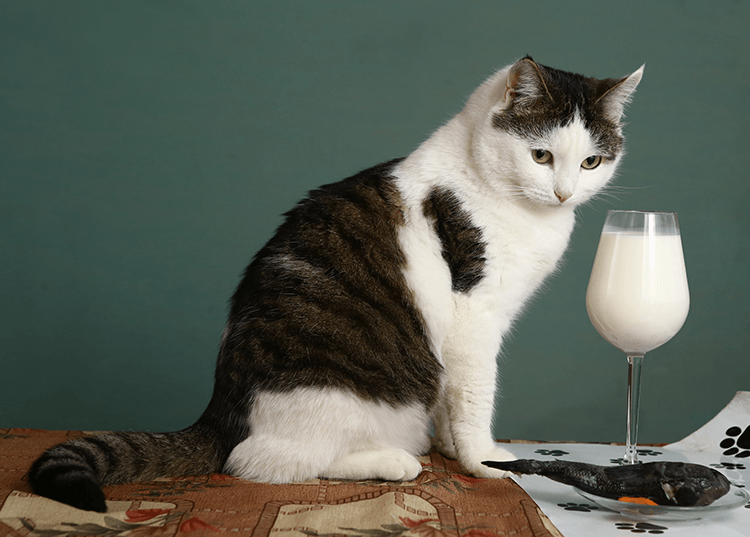
As a cat owner, you want to provide your feline friend with the best possible nutrition to keep them healthy and happy. You may have considered giving your cat raw milk as a treat or as a supplement to their regular diet. However, it's essential to understand the risks associated with feeding your cat raw milk. In this article, we'll explore the reasons why you should never feed your cat raw milk and what you can do instead to provide them with a balanced and nutritious diet.
What's the Problem with Raw Milk?
Raw milk, also known as unpasteurized milk, is milk that hasn't been heat-treated to kill bacteria and other microorganisms. While some people believe that raw milk is more natural and healthier than pasteurized milk, it can pose a significant risk to your cat's health. Raw milk can contain bacteria like E. coli, Salmonella, and Listeria, which can cause severe food poisoning in cats. These bacteria can also lead to other health issues, such as diarrhea, vomiting, and even kidney failure.

The Risks of Bacterial Contamination
Bacterial contamination is a significant concern when it comes to raw milk. Cats are more susceptible to bacterial infections than humans, and their immune systems may not be able to handle the bacteria found in raw milk. If your cat consumes raw milk contaminated with bacteria, they may experience symptoms like diarrhea, vomiting, and lethargy. In severe cases, bacterial contamination can lead to life-threatening conditions like septicemia, which is a bacterial infection of the blood.
Another risk associated with raw milk is the potential for parasite contamination. Raw milk can contain parasites like Giardia and Cryptosporidium, which can cause intestinal infections in cats. These parasites can lead to symptoms like diarrhea, weight loss, and abdominal pain. In some cases, parasite contamination can even lead to more severe health issues, such as malabsorption and intestinal inflammation.
The Dangers of Nutritional Imbalances
Raw milk is not a nutritionally balanced food source for cats. It lacks essential nutrients like taurine, vitamin E, and arachidonic acid, which are crucial for feline health. Feeding your cat raw milk as a primary source of nutrition can lead to nutritional deficiencies and imbalances, which can cause a range of health problems. For example, a lack of taurine can lead to heart problems and vision loss, while a deficiency in vitamin E can cause skin problems and impaired immune function.

The Importance of a Balanced Diet
Cats are obligate carnivores, which means they require a diet rich in protein and fat from animal sources. A balanced and nutritionally complete commercial cat food is the best way to ensure your cat is getting all the necessary nutrients for optimal health. These foods are formulated to meet your cat's specific nutritional needs, and they're made with high-quality ingredients that are safe and easy to digest.
If you're looking for a way to add some variety to your cat's diet, you can consider adding small amounts of cooked meat, fish, or eggs. These foods can provide your cat with essential nutrients and can help keep their diet interesting and engaging. However, it's essential to remember that these foods should not make up more than 10% of your cat's daily calorie intake, and they should be introduced gradually to prevent digestive upset.
The Myth of Raw Milk as a Health Tonic
Some people believe that raw milk has health benefits that can help improve their cat's overall health and well-being. However, there is no scientific evidence to support this claim. In fact, the risks associated with raw milk far outweigh any potential benefits. Feeding your cat raw milk can lead to a range of health problems, from bacterial contamination to nutritional imbalances.

Debunking the Myths
One of the most common myths about raw milk is that it's more natural and healthier than pasteurized milk. However, pasteurization is a safe and effective way to kill bacteria and other microorganisms that can cause illness. Pasteurized milk is just as nutritious as raw milk, and it's a much safer choice for your cat.
Another myth about raw milk is that it can help improve your cat's digestive health. However, there is no scientific evidence to support this claim. In fact, raw milk can actually cause digestive problems in cats, particularly if they're lactose intolerant. Lactose intolerance is a common condition in cats, and it can lead to symptoms like diarrhea, vomiting, and gas.
What You Can Do Instead
If you're looking for a way to provide your cat with a nutritious and balanced diet, there are many safe and healthy options available. You can start by feeding your cat a high-quality commercial cat food that's formulated to meet their specific nutritional needs. You can also consider adding small amounts of cooked meat, fish, or eggs to their diet, as long as you introduce them gradually and in moderation.
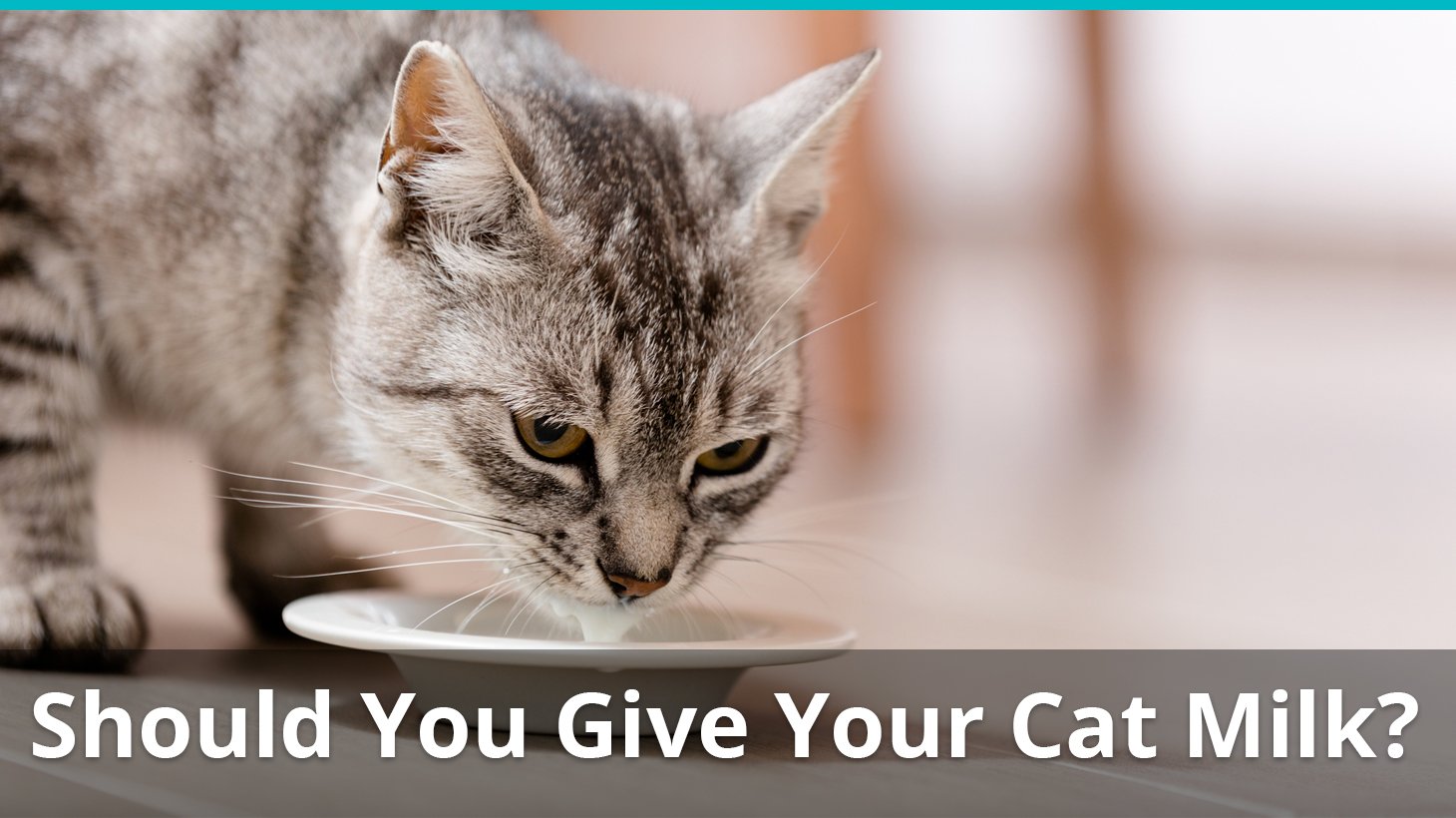
Choosing the Right Food
When it comes to choosing the right food for your cat, it's essential to consider their age, health status, and lifestyle. Kittens, for example, require a diet rich in protein and fat to support their growth and development. Adult cats, on the other hand, may require a diet that's lower in calories and fat to maintain a healthy weight. Senior cats may require a diet that's rich in joint supplements and antioxidants to support their overall health and well-being.
It's also essential to consider your cat's individual preferences and needs. Some cats may have food allergies or sensitivities, which can require a special diet. Others may have dental issues or digestive problems, which can require a specific type of food. By working with your veterinarian, you can determine the best diet for your cat and ensure they're getting all the necessary nutrients for optimal health.
Conclusion
In conclusion, feeding your cat raw milk is not a good idea. The risks associated with bacterial contamination, nutritional imbalances, and parasite contamination far outweigh any potential benefits. Instead, you can provide your cat with a balanced and nutritious diet by feeding them a high-quality commercial cat food and adding small amounts of cooked meat, fish, or eggs in moderation. By making informed choices about your cat's diet, you can help ensure they live a long, healthy, and happy life.
0 Response to "Why You Should Never Feed Your Cat Raw Milk"
Post a Comment