Why You Should Never Look a Gorilla in the Eyes
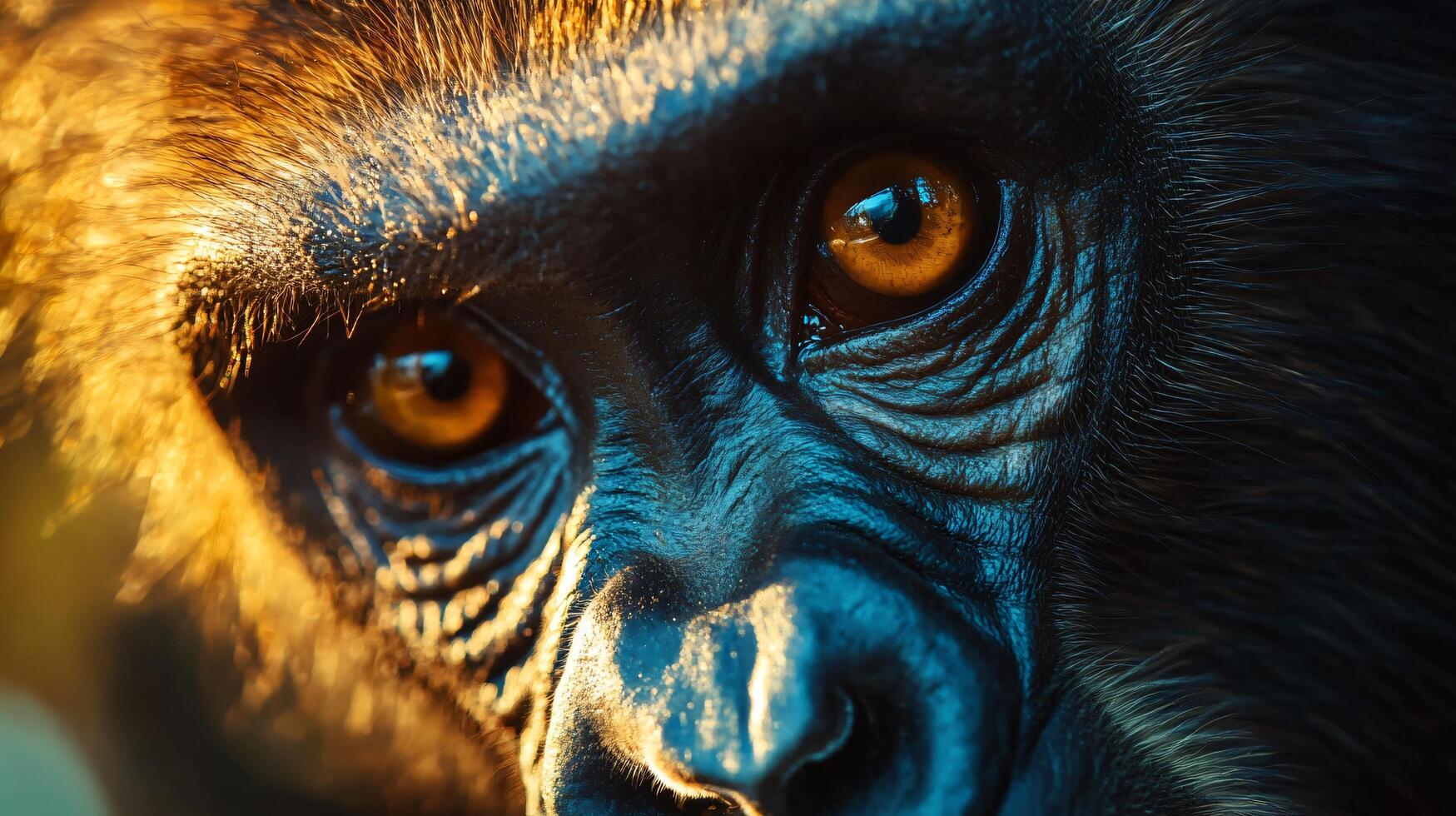
When it comes to interacting with wild animals, it's essential to exercise caution and respect their boundaries. One of the most critical rules to follow when encountering gorillas is to never look them in the eyes. You might be wondering why this is such a big deal, but trust me, it's crucial to understand the reasoning behind this rule. In this article, we'll delve into the world of gorillas and explore why making eye contact with these magnificent creatures can be a recipe for disaster.
Understanding Gorilla Behavior
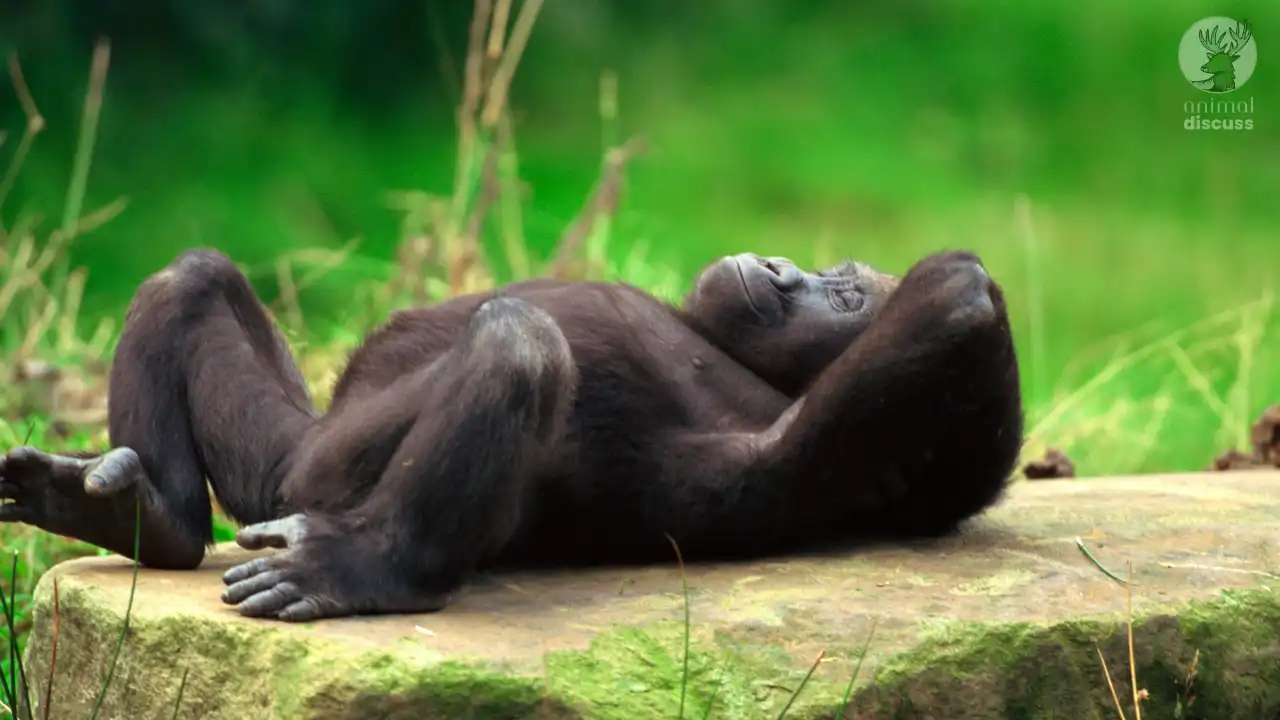
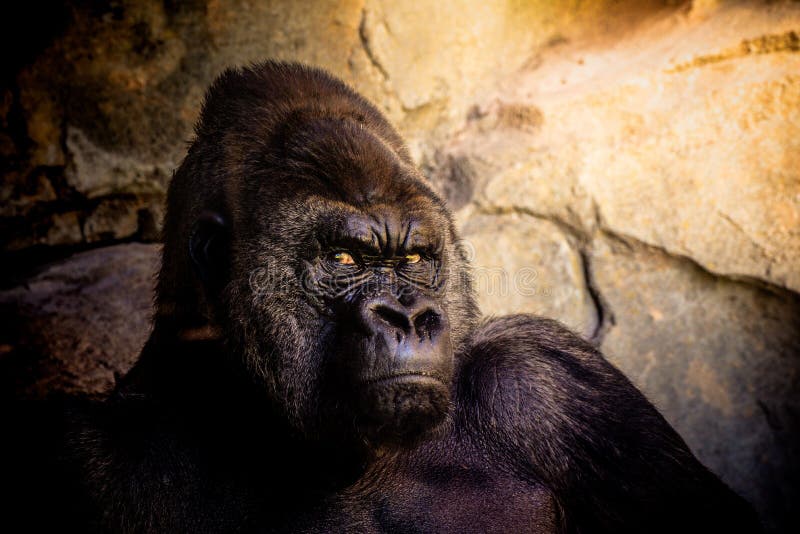
To comprehend why looking a gorilla in the eyes is a no-no, we need to understand their behavior and social dynamics. Gorillas are intelligent, social animals that live in groups, called troops. Within these troops, there's a strict hierarchy, with dominant males, known as silverbacks, leading the charge. These silverbacks are responsible for protecting their group and maintaining order. When a gorilla feels threatened or senses a challenge to its authority, it can become aggressive, and that's when things can get ugly.
The Significance of Eye Contact
In the animal kingdom, eye contact can be a powerful form of communication. For gorillas, direct eye contact can be perceived as a challenge or a threat. When a gorilla looks at another gorilla, it's a way of asserting dominance or signaling aggression. By looking a gorilla in the eyes, you're unknowingly sending a message that you're a competitor or a threat, which can trigger a defensive response. This is especially true for silverbacks, who are highly protective of their group and territory.
Imagine walking into a room where a group of people are having a meeting, and you start staring at the person in charge. That would be considered rude and confrontational, right? It's similar with gorillas. By avoiding eye contact, you're showing respect and acknowledging their dominance. This simple gesture can help prevent misunderstandings and minimize the risk of an attack.
What Happens When You Look a Gorilla in the Eyes
So, what exactly happens when you look a gorilla in the eyes? Well, it's not a pretty sight. When a gorilla feels threatened or challenged, it will often display warning signs, such as beating its chest, making loud noises, or taking a few steps towards you. If you continue to stare, the gorilla may become more aggressive, and that's when the situation can escalate quickly. In extreme cases, a gorilla may even charge at you, which can be fatal.

It's essential to remember that gorillas are wild animals, and their behavior can be unpredictable. Even if you're in a controlled environment, such as a zoo or a sanctuary, it's still crucial to follow the rules and guidelines set by the staff. These professionals have dedicated their lives to understanding and caring for these animals, and they know what it takes to keep both humans and gorillas safe.
How to Interact with Gorillas Safely
Now that we've established why looking a gorilla in the eyes is a bad idea, let's talk about how to interact with them safely. If you're planning to visit a gorilla sanctuary or go on a guided tour, here are some tips to keep in mind:
First and foremost, listen to your guides and follow their instructions. They've spent years studying gorilla behavior and know how to keep you safe. When approaching a gorilla, move slowly and calmly, avoiding any sudden movements that might startle them. Keep a safe distance, and never attempt to touch or feed a gorilla. These animals may look cute and cuddly, but they're still wild and can inflict serious harm if they feel threatened.

When observing gorillas, it's best to look at them from a slight angle, rather than directly at them. This way, you can still appreciate their beauty and majesty without sending the wrong signals. Remember, it's all about respect and boundaries. By showing gorillas that you respect their space and boundaries, you can help create a safe and enjoyable experience for both humans and animals.
Conservation Efforts and Gorilla Sanctuaries
Gorilla sanctuaries and conservation centers play a vital role in protecting these magnificent creatures and their habitats. These organizations work tirelessly to rescue and rehabilitate gorillas that have been orphaned, injured, or displaced due to poaching, habitat loss, or other human activities. By supporting these efforts, we can help ensure the long-term survival of gorilla populations and preserve their natural habitats.
Visiting a gorilla sanctuary or conservation center can be a life-changing experience. Not only do you get to see these incredible animals up close, but you also learn about the importance of conservation and the impact of human activities on gorilla populations. By supporting these organizations, you're contributing to the protection of gorillas and their habitats, which is essential for maintaining the delicate balance of our ecosystem.
The Future of Gorilla Conservation
As we move forward, it's essential to recognize the importance of gorilla conservation and the role we play in protecting these animals. By supporting conservation efforts, spreading awareness about the plight of gorillas, and making conscious choices in our daily lives, we can help ensure the long-term survival of gorilla populations. Whether it's reducing our carbon footprint, avoiding products that contribute to deforestation, or supporting organizations that work to protect gorilla habitats, every small action counts.
In conclusion, looking a gorilla in the eyes is a serious no-no, and it's crucial to understand the reasoning behind this rule. By respecting gorilla boundaries and following guidelines set by professionals, we can help create a safe and enjoyable experience for both humans and animals. As we continue to learn more about these incredible creatures, we must also recognize the importance of conservation and take action to protect their habitats and populations. By working together, we can ensure the long-term survival of gorillas and preserve the beauty and majesty of these incredible animals for generations to come.
0 Response to "Why You Should Never Look a Gorilla in the Eyes"
Post a Comment