Why You Should Never Throw Plastic Straws in the Ocean

As I walk along the beach, I'm always disheartened to see the sheer amount of plastic waste that litters our beautiful coastlines. From plastic bags to microbeads, it seems like every type of plastic imaginable ends up in our oceans. But today, I want to talk about one of the most insidious and destructive types of plastic waste: plastic straws. Those innocent-looking tubes may seem harmless, but the truth is that they're having a devastating impact on our marine ecosystems. So, why should you never throw plastic straws in the ocean?
The Problem with Plastic Straws
Plastic straws are used once and then discarded, but they don't biodegrade like other organic materials. Instead, they break down into smaller and smaller pieces called microplastics, which can be ingested by marine animals. This can cause a range of problems, from blockages and nutrient deficiencies to physical harm and even death. And it's not just the straws themselves that are the problem - it's also the chemicals they're made from. Many plastic straws contain toxic chemicals like BPA and phthalates, which can leach into the water and harm marine life.
 Why You Should Never Throw Plastic Straws in the Ocean The Problem with Plastic Straws" loading="lazy" style="max-width:700px;width:100%;height:auto;border-radius:8px;">
But the impact of plastic straws goes far beyond the individual animals that ingest them. When plastic straws enter the ocean, they contribute to the massive amounts of plastic waste that are already circulating in our marine ecosystems. This can have a range of negative impacts, from harming marine habitats and ecosystems to affecting human health and the economy. For example, plastic waste can get caught in coral reefs, causing damage and disrupting the delicate balance of these ecosystems. And when plastic waste enters the food chain, it can end up on our plates, posing a range of health risks to humans.
The Impact on Marine Life
So, what exactly happens when plastic straws enter the ocean? Well, for starters, they can get ingested by marine animals, causing a range of problems. Sea turtles, in particular, are vulnerable to plastic straws, which can look like food to them. When turtles ingest plastic straws, they can cause blockages and nutrient deficiencies, which can be fatal. And it's not just turtles - other marine animals, like fish and seabirds, can also ingest plastic straws, causing harm and even death.
 You Should Never Throw Plastic Straws in the Ocean" loading="lazy" style="max-width:700px;width:100%;height:auto;border-radius:8px;">
But the impact of plastic straws on marine life goes far beyond the individual animals that ingest them. When plastic waste enters the ocean, it can also cause physical harm to marine animals. For example, sea turtles can get entangled in plastic debris, including plastic straws, which can cause injuries and even death. And when plastic waste accumulates in marine habitats, it can cause damage to ecosystems and disrupt the delicate balance of these environments. This can have a range of negative impacts, from reducing biodiversity to affecting the health and well-being of marine animals.
The Role of Humans in the Problem
So, why are plastic straws ending up in the ocean in the first place? The answer is simple: humans. We're the ones who are using plastic straws, and we're the ones who are throwing them away without thinking about the consequences. Whether it's a careless toss on the beach or a thoughtless disposal in the trash, our actions are contributing to the massive amounts of plastic waste that are entering the ocean. And it's not just individuals who are to blame - governments and corporations also have a role to play in the problem. For example, many companies are still producing plastic straws, despite the known risks, and many governments are not doing enough to regulate the use of plastic straws and other single-use plastics.

But the good news is that we can all make a difference. By making a few simple changes to our daily habits, we can reduce the amount of plastic waste that enters the ocean and help protect marine ecosystems. For example, we can choose to use reusable straws instead of plastic ones, or we can opt for paper or metal straws instead. We can also support companies that are working to reduce their use of plastic straws and other single-use plastics. And we can advocate for policies that regulate the use of plastic straws and other plastics, like extended producer responsibility and deposit refund schemes.
So, what can you do to help reduce the impact of plastic straws on the ocean? First, you can make a conscious effort to avoid using plastic straws altogether. If you need to use a straw, opt for a reusable one instead, like a metal or bamboo straw. You can also support companies that are working to reduce their use of plastic straws and other single-use plastics. And you can spread the word about the impact of plastic straws on the ocean, encouraging your friends and family to make changes to their daily habits. Every small action counts, and together we can make a big difference.
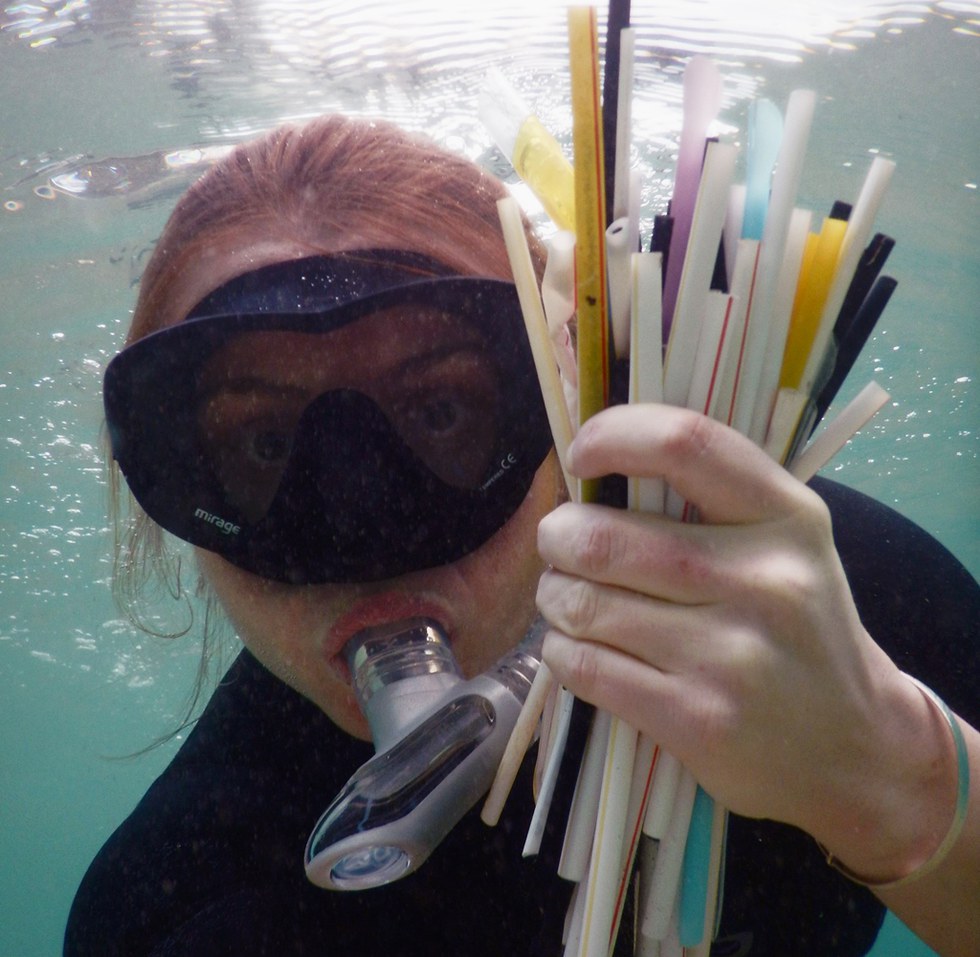
In conclusion, plastic straws are a major contributor to the plastic waste that's entering our oceans, causing harm to marine life and ecosystems. But by making a few simple changes to our daily habits, we can reduce the amount of plastic waste that enters the ocean and help protect marine ecosystems. So, next time you're tempted to use a plastic straw, remember the impact it could have on the ocean and the creatures that call it home. Choose a reusable straw instead, and help spread the word about the importance of reducing plastic waste. Together, we can create a wave of change and protect the ocean for future generations.
The journey to a plastic-free ocean is a long one, but it starts with small steps. We can all make a difference by choosing to use reusable straws, supporting companies that are working to reduce their use of plastic straws and other single-use plastics, and advocating for policies that regulate the use of plastic straws and other plastics. So, let's take the first step today and make a commitment to reducing our use of plastic straws. The ocean, and the creatures that call it home, will thank us.
As we move forward, it's essential to remember that the impact of plastic straws on the ocean is just one part of a much larger problem. Plastic waste, in all its forms, is a major threat to marine ecosystems and human health. But by working together, we can create a world where plastic waste is a thing of the past. A world where the ocean is free from plastic pollution, and where marine life can thrive. It's a lofty goal, but it's one that's worth striving for. So, let's get started today and make a difference for the ocean and for future generations.
In the end, it's up to us to create a world where plastic straws are a thing of the past. A world where we prioritize the health of the ocean and the creatures that call it home. It won't be easy, but it's a journey that's worth taking. So, let's take the first step today and make a commitment to reducing our use of plastic straws. The ocean, and the creatures that call it home, are counting on us. We owe it to ourselves, our children, and future generations to protect the ocean and all its inhabitants. The time to act is now, and together, we can make a difference.
0 Response to "Why You Should Never Throw Plastic Straws in the Ocean"
Post a Comment