coati
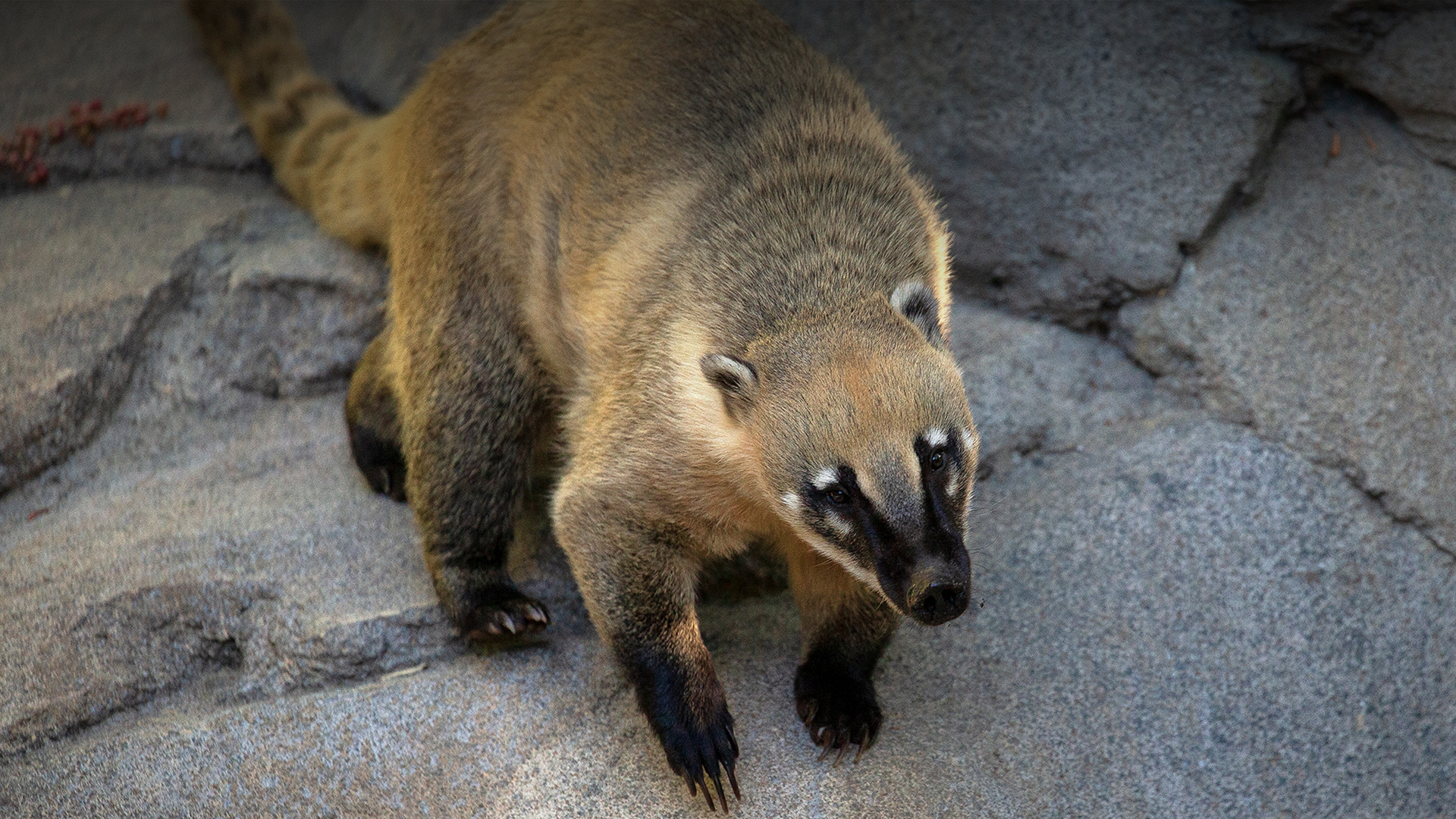
Deep in the heart of the Americas, there's a fascinating creature that's often overlooked, but is truly one of the most interesting animals you'll ever come across. Say hello to the coati, a member of the raccoon family that's native to Central and South America, as well as the southwestern United States. In this article, we're going to delve into the world of the coati, exploring their habitats, behaviors, and what makes them so unique.
Introduction to Coatis
Coatis are medium-sized mammals that are part of the Procyonidae family, which also includes raccoons, olingos, and kinkajous. There are four species of coatis: the white-nosed coati, the South American coati, the eastern mountain coati, and the western mountain coati. These animals are known for their distinctive appearance, which includes a long, bushy tail and a pointed snout. They're also highly adaptable, able to thrive in a variety of habitats, from tropical rainforests to dry deserts.

Habitat and Distribution
Coatis can be found in a range of habitats, including forests, grasslands, and even urban areas. They're highly adaptable, and can survive in a variety of environments, from sea level to high mountains. In the wild, coatis are typically found in areas with abundant food and water, such as near rivers, lakes, and coastal regions. They're also skilled climbers, and can often be seen in trees, where they forage for fruit, nuts, and other edible treats.
One of the most interesting things about coatis is their ability to thrive in human-dominated landscapes. In some parts of their range, coatis can be found in urban areas, where they've learned to scavenge for food and avoid humans. This adaptability is a key factor in their success, and has allowed coatis to maintain healthy populations in a variety of environments.
Diet and Foraging
Coatis are omnivores, which means they eat a wide variety of foods, including fruits, insects, small animals, and even carrion. They're highly skilled foragers, using their keen sense of smell and agile hands to search for food. In the wild, coatis can be seen rummaging through leaf litter, searching for insects, worms, and other invertebrates. They'll also climb trees to feed on fruit, and have even been known to raid gardens and crops, where they'll feed on fruits, vegetables, and grains.

In addition to their foraging skills, coatis are also skilled hunters, and will feed on small animals, such as lizards, snakes, and rodents. They're also known to scavenge for carrion, feeding on the flesh of dead animals. This adaptability in their diet is a key factor in their success, and has allowed coatis to thrive in a variety of environments.
Behavior and Social Structure
Coatis are highly social animals, and are typically found in small family groups, which are usually made up of a female and her young. These groups are known as "bands," and are usually led by the dominant female. Within these bands, coatis have a complex communication system, which includes a variety of vocalizations, including chirps, whistles, and grunts. They also use body language to communicate, including tail positions and facial expressions.

One of the most interesting things about coati behavior is their playful nature. Coatis are known to be highly curious, and will often play with objects they find in their environment, such as sticks, rocks, and leaves. They'll also engage in play-fighting, which helps to strengthen social bonds and establish dominance hierarchies within the group.
Reproduction and Development
Coatis breed throughout the year, although the peak breeding season typically occurs during the spring and summer months. Female coatis give birth to litters of 2-7 young, which are born after a gestation period of approximately 74-82 days. The young coatis are born blind and helpless, but develop quickly, and are able to start foraging for food on their own within a few weeks of birth.
The female coati plays a crucial role in raising the young, and will often care for them on her own, although other females in the group may also help to care for the young. The young coatis will stay with their mother for several months, learning important skills such as foraging, climbing, and social behavior. As they mature, they'll eventually leave their natal group, and will either form their own groups or join existing ones.

Conservation Status
Coatis are not currently considered to be a threatened species, although their populations are declining in some parts of their range. The main threats to coati populations include habitat loss and fragmentation, as well as hunting and persecution by humans. In some areas, coatis are seen as pests, and are hunted or trapped for their fur or meat.
However, conservation efforts are underway to protect coati populations and their habitats. National parks and protected areas have been established in many parts of their range, providing a safe haven for coatis and other wildlife. Additionally, education and outreach programs are helping to raise awareness about the importance of coati conservation, and the need to protect these fascinating animals and their habitats.
In conclusion, coatis are fascinating creatures that are full of surprises. From their adaptable nature to their playful personalities, there's no denying that coatis are one of the most interesting animals in the Americas. By learning more about these amazing animals, we can gain a deeper appreciation for the natural world, and the importance of conservation and protection of our planet's precious wildlife.
0 Response to "coati"
Post a Comment