Why You Should Never Approach a Baby Deer Alone
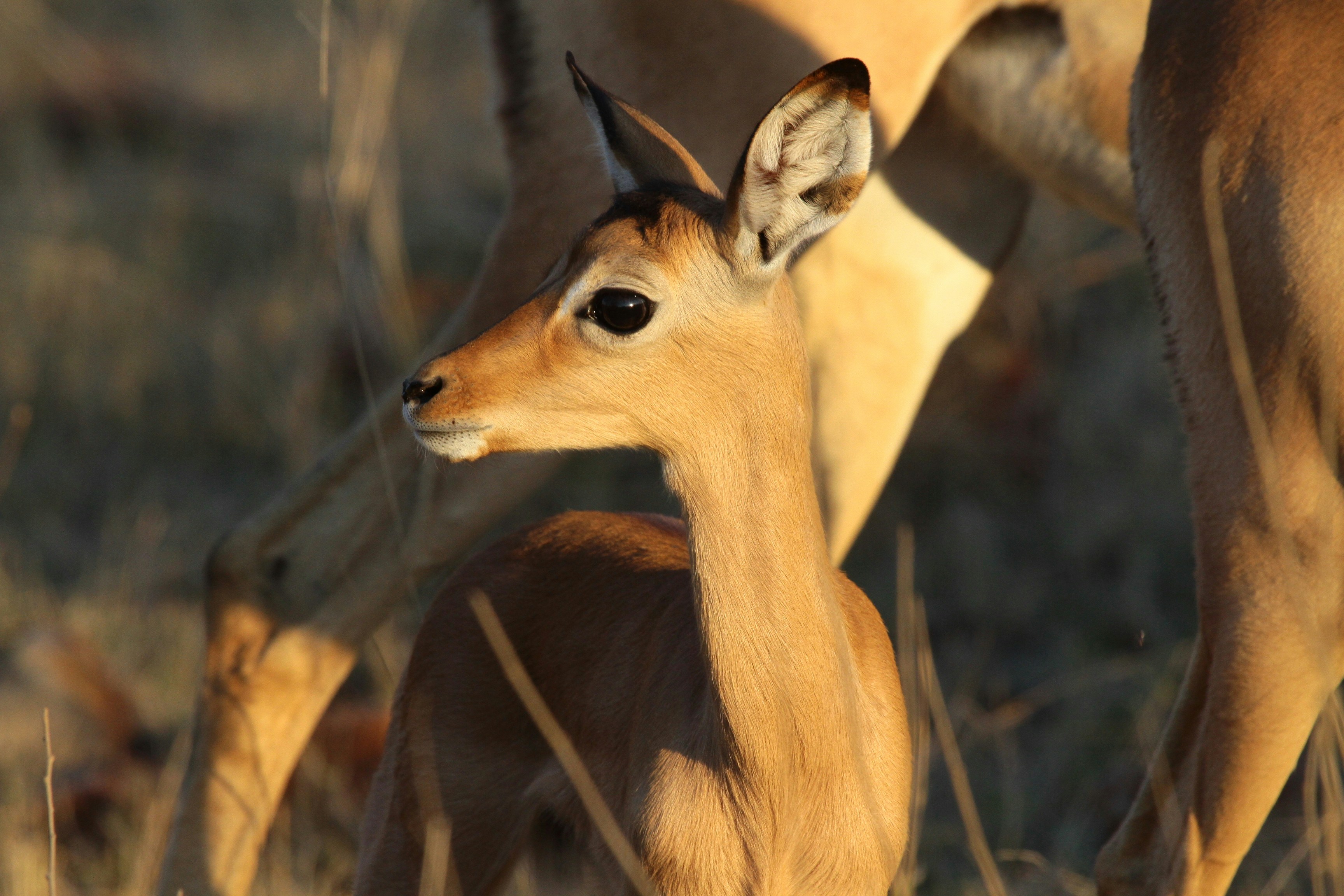
As the weather starts to warm up and the great outdoors becomes more inviting, it's not uncommon to stumble upon baby deer, also known as fawns, while out on a hike or even in your own backyard. These adorable creatures can be tempting to approach, but it's essential to remember that you should never approach a baby deer alone. In this article, we'll explore the reasons why it's crucial to keep a safe distance and what you can do instead if you encounter a fawn in the wild.
Why Baby Deer Are Alone in the First Place
Before we dive into the reasons why you should never approach a baby deer alone, it's essential to understand why they might be alone in the first place. Female deer, also known as does, often leave their fawns unattended for extended periods, which can be confusing and even alarming to humans who stumble upon them. However, this behavior is completely normal and is a natural part of a deer's life cycle. Does will often leave their fawns hidden away in a safe location, such as a thicket or under a bush, while they go off to forage for food or escape from predators. This behavior is known as "bedding down," and it's a crucial survival strategy for young deer.
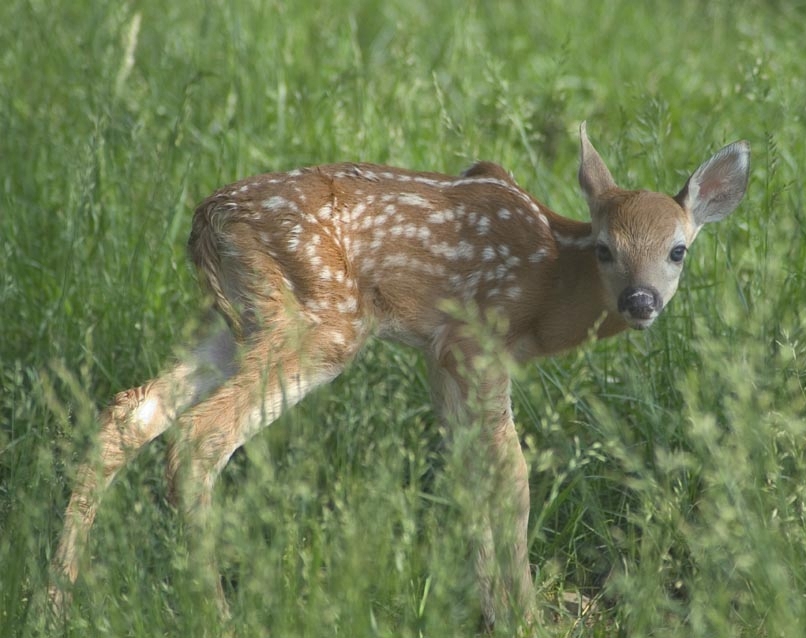
During this time, the fawn will remain still and quiet, relying on its camouflage and lack of scent to avoid detection by predators. The doe will return to her fawn periodically to nurse and care for it, but she will also leave it alone for extended periods to minimize the risk of attracting predators to her vulnerable offspring. This means that if you encounter a baby deer alone, it's likely that the doe is nearby, watching from a distance, and waiting for you to leave so she can return to her fawn.
The Risks of Approaching a Baby Deer
So, why is it so important to never approach a baby deer alone? The main reason is that fawns are extremely vulnerable to predators, and human interaction can increase their risk of being attacked. When a human approaches a fawn, it can become stressed and frightened, which can lead to a range of negative consequences. For example, a frightened fawn may run away from its hiding spot, making it more visible to predators, or it may become so stressed that it becomes disoriented and loses its way.
In addition to the risks posed by predators, approaching a baby deer can also disrupt the bonding process between the fawn and its mother. Does are highly attentive to their fawns, and human interaction can interfere with this critical bonding process. If a fawn becomes imprinted on humans, it may lose its fear of people and become more vulnerable to attack or even domestication. This can have long-term consequences for the fawn's survival and well-being, as well as for the ecosystem as a whole.
What to Do If You Encounter a Baby Deer
So, what should you do if you encounter a baby deer in the wild? The best course of action is to leave it alone and give it plenty of space. If you're hiking or walking through an area where you encounter a fawn, try to slowly and quietly back away, giving the fawn a clear path to return to its mother. Avoid touching or handling the fawn, as this can transfer your scent to the fawn and make it more vulnerable to predators.
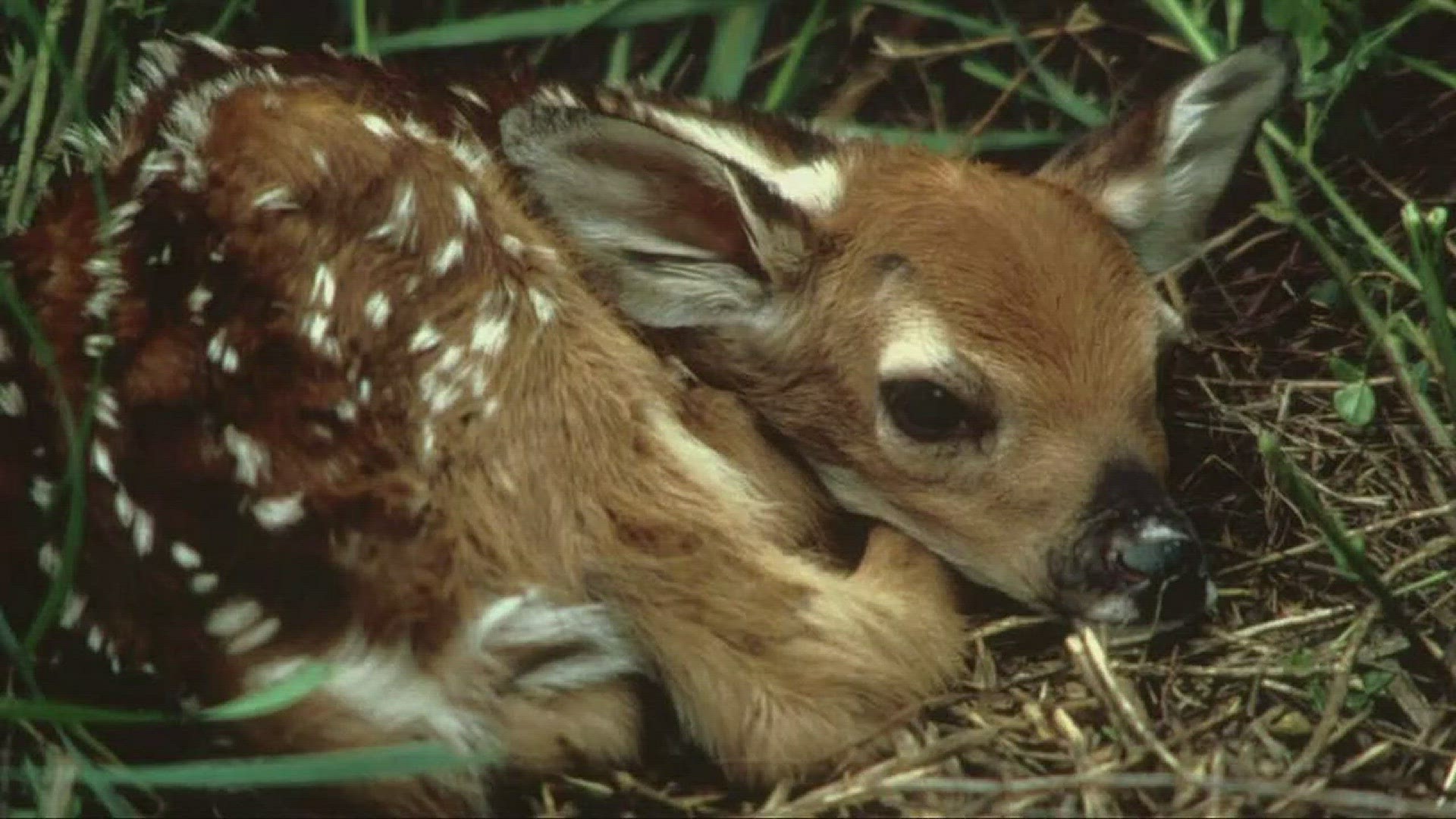
If you're concerned about the welfare of the fawn, such as if it appears injured or orphaned, it's best to contact a local wildlife rehabilitation center or animal control service for advice. These organizations have trained professionals who can assess the situation and provide guidance on the best course of action. Remember, it's always better to err on the side of caution when it comes to wild animals, and leaving a baby deer alone is usually the best decision.
In some cases, you may encounter a fawn that appears to be abandoned or orphaned. However, it's essential to remember that does will often leave their fawns unattended for extended periods, so it's crucial not to jump to conclusions. If you're unsure about the status of a fawn, it's best to observe it from a distance and wait for the doe to return. This can be a challenging and patience-requiring process, but it's essential to prioritize the well-being and safety of the fawn.
The Importance of Preserving Wild Instincts
One of the most critical reasons why you should never approach a baby deer alone is to preserve its wild instincts. Deer are wild animals that have evolved to thrive in their natural habitats, and human interaction can disrupt this delicate balance. When deer become habituated to humans, they can lose their fear of people and become more vulnerable to attack or exploitation.

Preserving wild instincts is essential for maintaining healthy and sustainable ecosystems. When deer and other wild animals are able to thrive in their natural habitats, they play a crucial role in maintaining the balance of their ecosystems. This can have a range of benefits, from maintaining healthy vegetation to supporting biodiversity. By leaving baby deer alone and giving them plenty of space, you can help preserve their wild instincts and support the long-term health of their ecosystems.
In addition to preserving wild instincts, it's also essential to recognize the importance of respecting wildlife and their habitats. Deer and other wild animals have complex social structures and behaviors that are often misunderstood or underestimated by humans. By respecting their space and allowing them to thrive in their natural habitats, we can gain a deeper appreciation for the beauty and complexity of the natural world.
Conclusion
In conclusion, approaching a baby deer alone can have serious consequences for the fawn's survival and well-being, as well as for the ecosystem as a whole. By leaving baby deer alone and giving them plenty of space, you can help preserve their wild instincts, support the health of their ecosystems, and maintain a safe and respectful distance from these amazing creatures. Remember, it's always better to err on the side of caution when it comes to wild animals, and prioritizing their welfare and safety is essential for maintaining the delicate balance of nature.
So, the next time you're out on a hike or exploring the great outdoors, remember to keep an eye out for baby deer and respect their space. With a little patience, understanding, and caution, you can help ensure the long-term survival and well-being of these incredible creatures, and support the health and sustainability of their ecosystems. By working together to protect and preserve wildlife, we can create a brighter, more sustainable future for generations to come.
As we continue to explore and appreciate the natural world, it's essential to recognize the importance of responsible and respectful behavior around wildlife. By prioritizing the welfare and safety of baby deer and other wild animals, we can help maintain the delicate balance of ecosystems and support the long-term health of our planet. So, let's all do our part to protect and preserve wildlife, and work together to create a more sustainable, compassionate, and responsible world for all.
0 Response to "Why You Should Never Approach a Baby Deer Alone"
Post a Comment