7 Animals That Can Change Their Gender
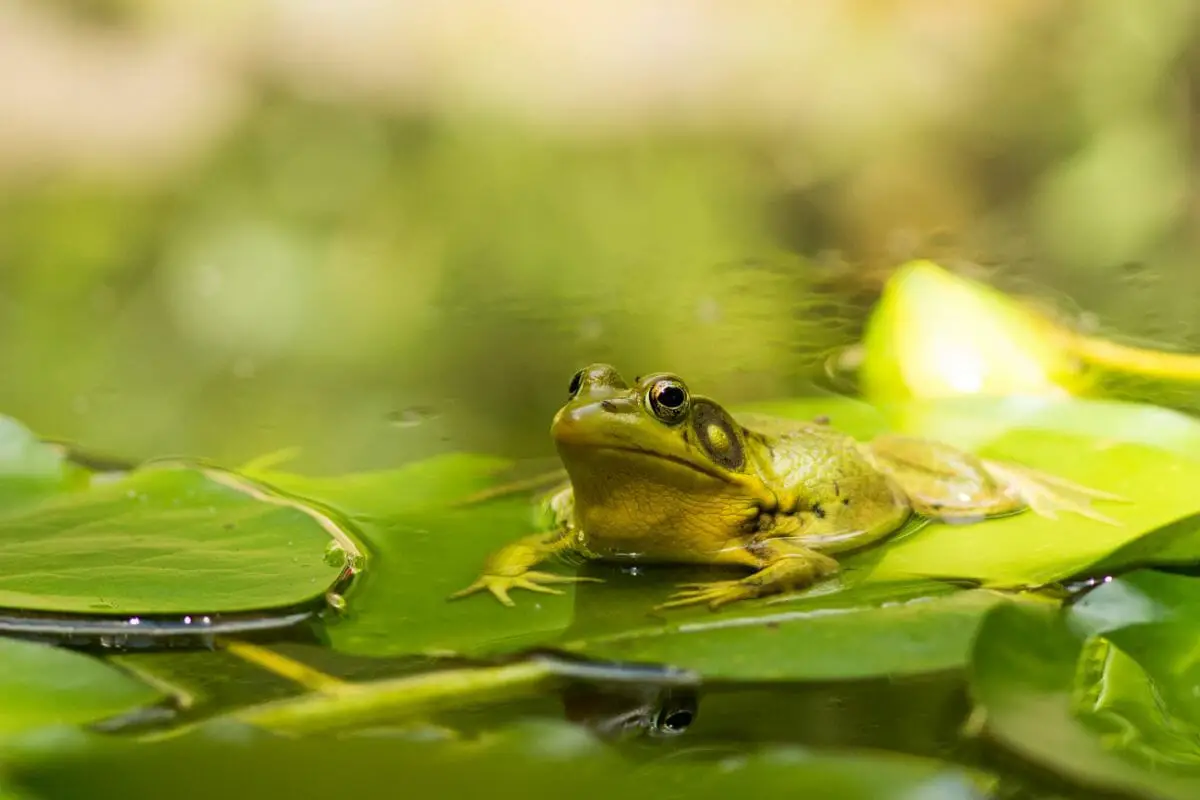
Have you ever heard of animals that can change their gender? It sounds like something out of a science fiction movie, but it's actually a real phenomenon that occurs in some species. This process is called sequential hermaphroditism, and it's more common than you might think. In this article, we'll explore seven animals that can change their gender, and what triggers this remarkable transformation.
What is Sequential Hermaphroditism?
Sequential hermaphroditism is a type of hermaphroditism where an animal can change its sex from male to female or vice versa. This can happen in response to various factors, such as social cues, environmental changes, or even the death of a dominant individual. Some species can switch sex multiple times throughout their lives, while others may only do so once. It's a complex and fascinating process that has evolved in certain species to ensure their survival and reproductive success.
The Benefits of Sex Change
So, why would an animal want to change its sex? In many cases, it's a matter of reproductive strategy. For example, in some species of fish, the largest individual in a group will become the dominant male, while the smaller ones will be female. If the dominant male dies, one of the females may switch sex to become the new dominant male, increasing her chances of mating and passing on her genes. This process can also help to maintain a balance of males and females in a population, ensuring that there are enough individuals of each sex to reproduce.
 7 Animals That Can Change Their Gender What is Sequential Hermaphroditism" loading="lazy" style="max-width:700px;width:100%;height:auto;border-radius:8px;">
7 Animals That Can Change Their Gender
Now, let's take a look at seven animals that can change their gender. These species are found in a variety of habitats, from the ocean to the forest floor, and they all have unique characteristics that enable them to switch sex.
1. Clownfish
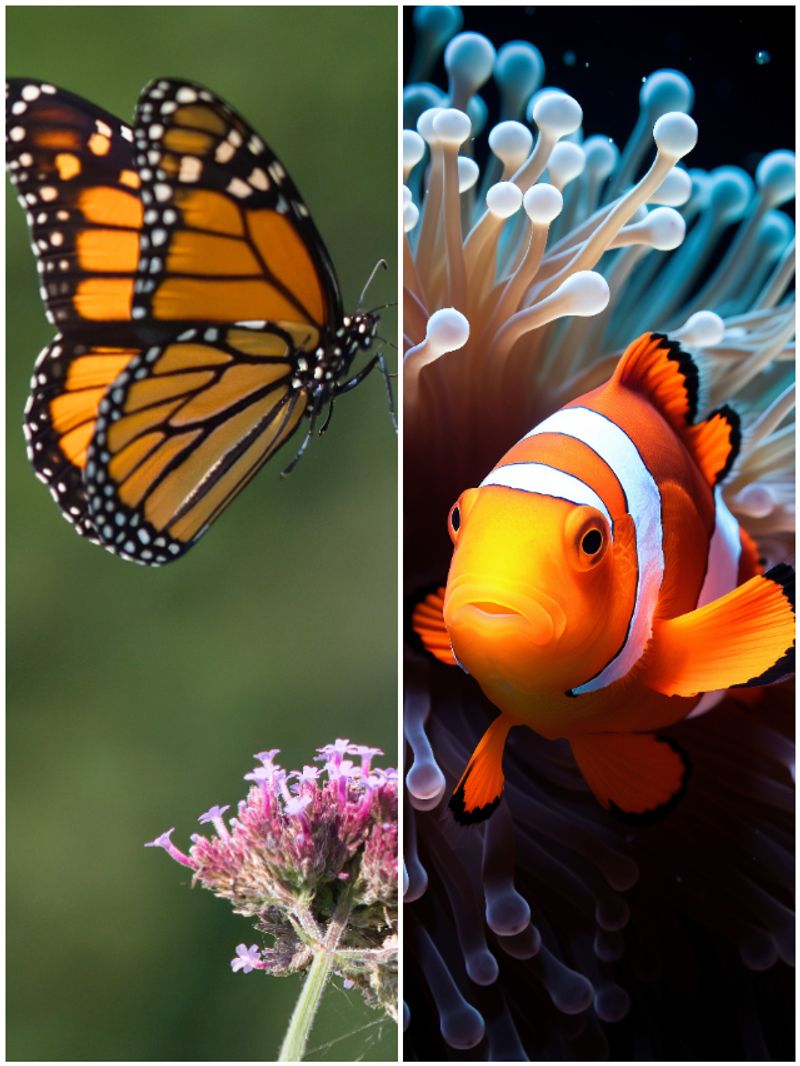
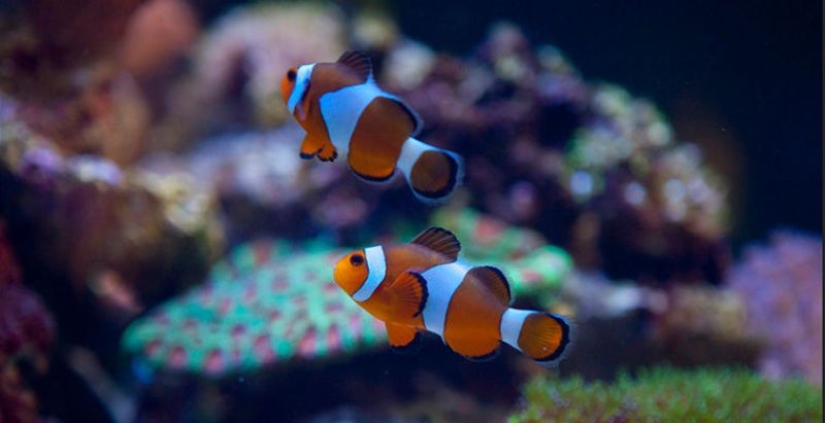
Clownfish are one of the most well-known examples of sequential hermaphroditism. These small fish are native to the warm waters of the Pacific and Indian Oceans, and they live in symbiosis with sea anemones. In a group of clownfish, the largest individual will always be the dominant male, while the others will be female. If the dominant male dies, the largest female will switch sex to become the new dominant male. This process is triggered by social cues, such as the presence or absence of the dominant male.
2. Corals
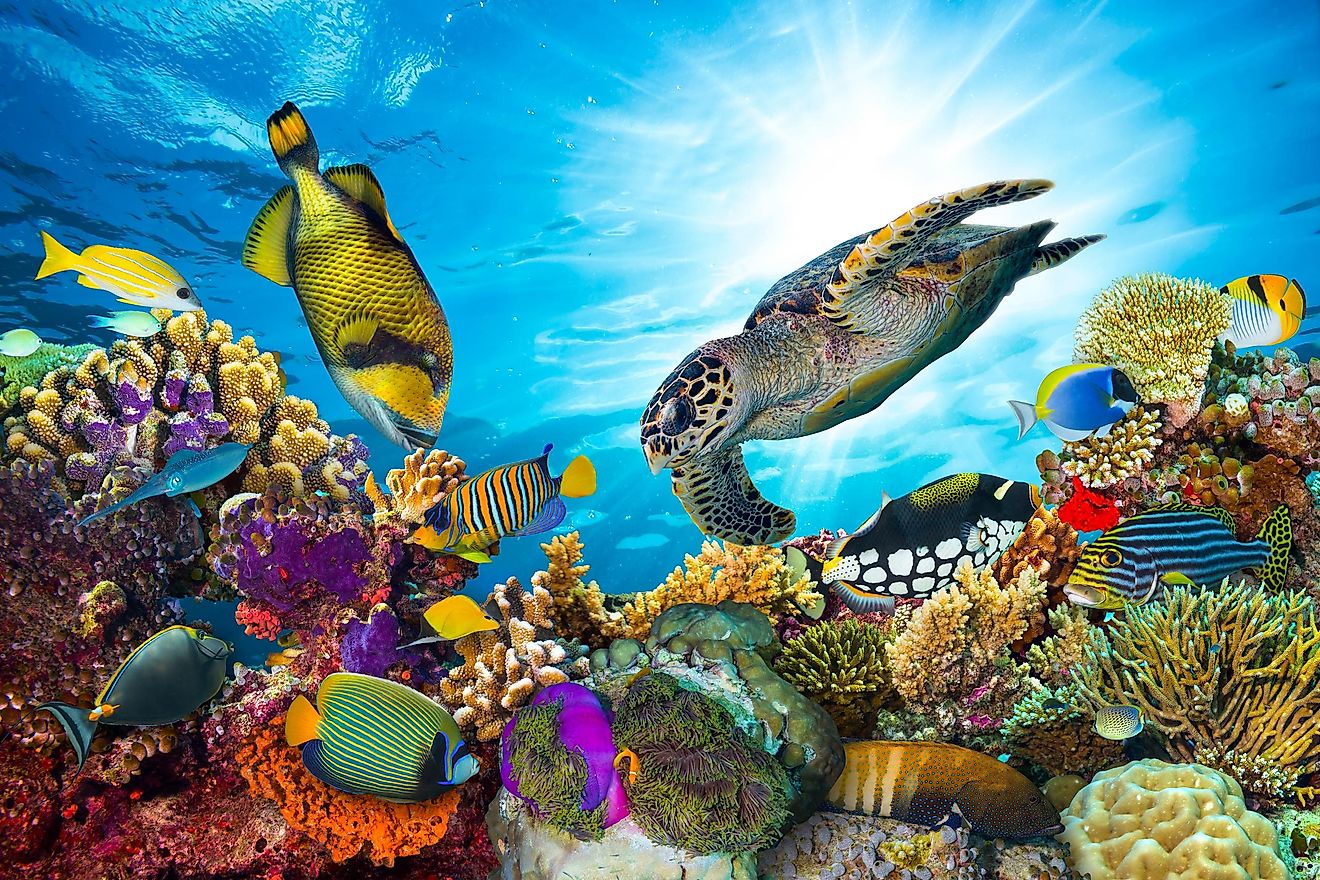
Corals are small, sessile animals that are found in tropical and subtropical oceans. They are hermaphroditic, meaning that they have both male and female reproductive organs. However, most corals are sequential hermaphrodites, meaning that they can switch sex in response to environmental cues. For example, some species of coral may switch from male to female in response to changes in water temperature or daylight hours.
3. Earthworms
Earthworms are hermaphroditic, meaning that they have both male and female reproductive organs. However, they still need to mate with other earthworms to reproduce. In some species of earthworms, individuals can switch sex in response to social cues, such as the presence or absence of a mate. This process is not fully understood, but it's thought to be triggered by chemical signals that are exchanged between earthworms.
4. Oysters
Oysters are another example of sequential hermaphroditism. These marine bivalves are found in oceans around the world, and they can switch sex in response to environmental cues. For example, some species of oysters may switch from male to female in response to changes in water temperature or salinity. This process is thought to be triggered by hormonal changes that occur in response to environmental stressors.
5. Zebrafish
Zebrafish are a species of freshwater fish that are native to South Asia. They are popular aquarium fish, and they are also used extensively in scientific research. Zebrafish are sequential hermaphrodites, meaning that they can switch sex in response to environmental cues. For example, some studies have shown that zebrafish can switch from male to female in response to changes in water temperature or social cues.
6. Flatworms
Flatworms are a group of animals that include tapeworms, liver flukes, and planarians. Some species of flatworms are sequential hermaphrodites, meaning that they can switch sex in response to environmental cues. For example, some species of planarians can switch from male to female in response to changes in food availability or social cues.
7. Slugs
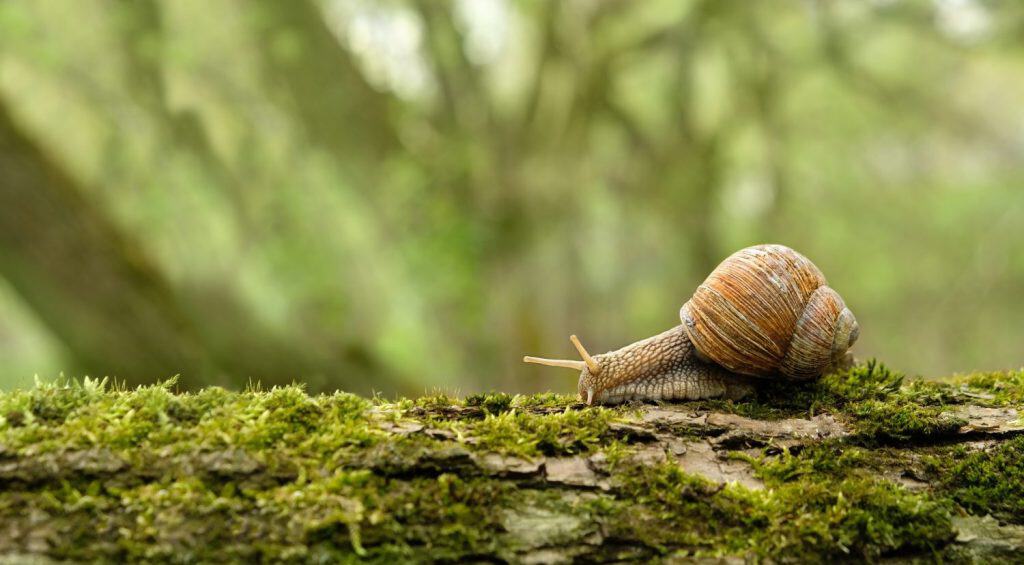
Slugs are a type of gastropod mollusk that are found in a variety of habitats, from gardens to forests. Some species of slugs are sequential hermaphrodites, meaning that they can switch sex in response to environmental cues. For example, some species of slugs can switch from male to female in response to changes in food availability or social cues.
Conclusion
In conclusion, sequential hermaphroditism is a fascinating phenomenon that occurs in a variety of animal species. These animals have evolved the ability to switch sex in response to environmental cues, social cues, or other factors, and it's a key aspect of their reproductive strategy. By studying these animals, we can gain a deeper understanding of the complex and intricate mechanisms that govern their behavior and physiology. Whether you're a scientist, a naturalist, or just someone who's interested in the natural world, the ability of animals to change their gender is a remarkable and fascinating topic that's sure to capture your imagination.
Future Research Directions
While we've made significant progress in understanding sequential hermaphroditism, there's still much to be learned. Future research directions could include studying the genetic mechanisms that underlie sex change, as well as the environmental and social cues that trigger this process. By exploring these topics, we can gain a deeper understanding of the complex interactions between animals and their environment, and how they adapt to changing conditions.
Conservation Implications
The ability of animals to change their gender also has important implications for conservation. For example, some species of fish that are sequential hermaphrodites may be more resilient to environmental stressors, such as climate change or pollution. By understanding the mechanisms that underlie sex change, we can develop more effective conservation strategies that take into account the complex and dynamic nature of these species.
As we continue to explore the natural world, we're constantly reminded of the incredible diversity and complexity of life on Earth. The ability of animals to change their gender is just one example of the many fascinating phenomena that await us, and it's a topic that's sure to captivate and inspire us for years to come.
0 Response to "7 Animals That Can Change Their Gender"
Post a Comment