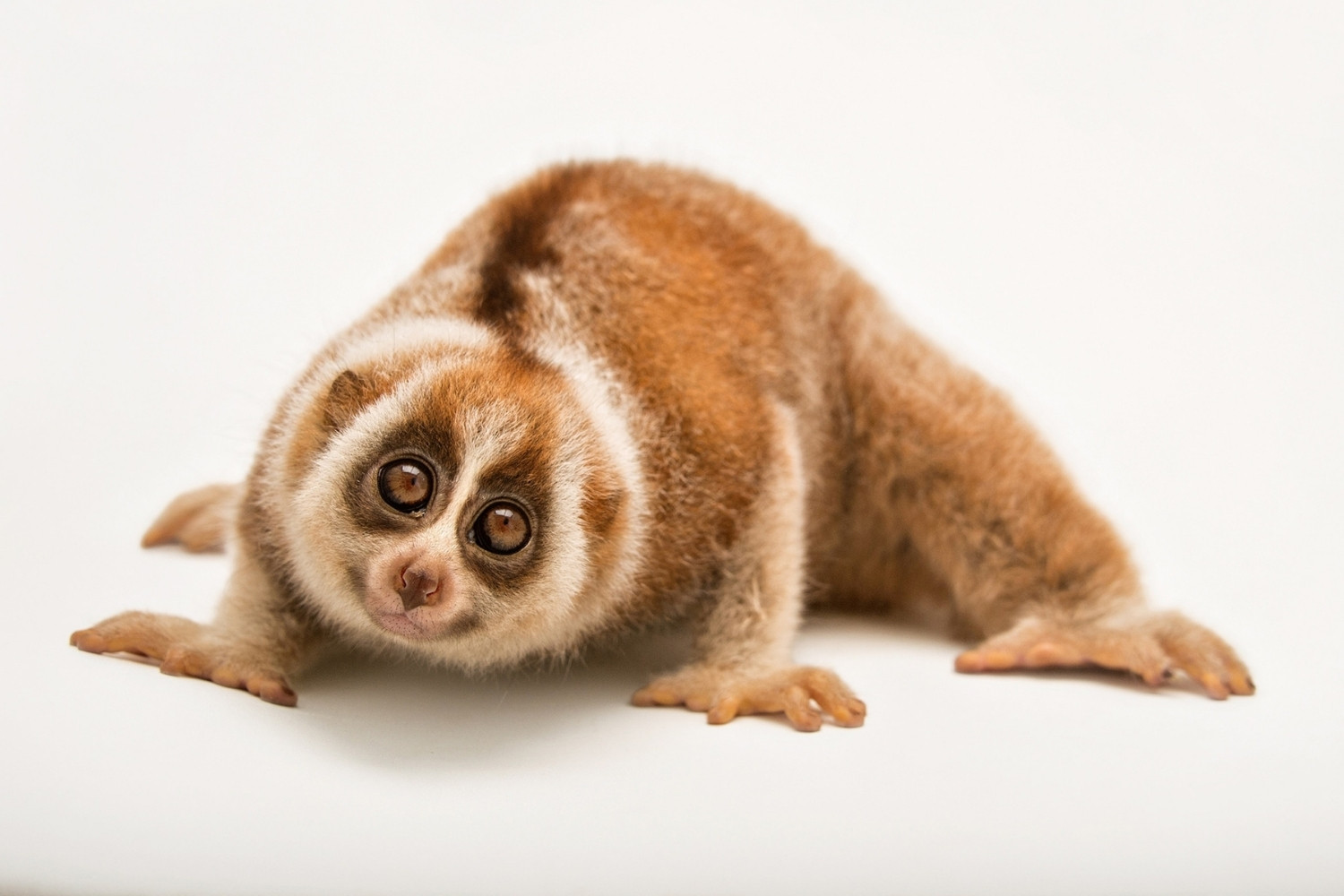
When it comes to exotic and adorable animals, the slow loris is often at the top of the list. With their big round eyes and cute, furry faces, it's hard not to fall in love with these tiny creatures. However, as tempting as it may be to touch or handle a slow loris, it's essential to exercise extreme caution and keep a safe distance. In this article, we'll delve into the reasons why you should never touch a slow loris and explore the potential dangers associated with interacting with these animals.
Introduction to Slow Lorises
Slow lorises are small, nocturnal primates native to Southeast Asia and parts of Africa. They belong to the Lorisidae family and are known for their distinctive slow movements, long arms, and sharp teeth. There are several species of slow lorises, including the pygmy slow loris, the greater slow loris, and the Bengal slow loris. These animals are primarily insectivores, feeding on a diet of insects, fruits, and small vertebrates.
Habitat and Behavior
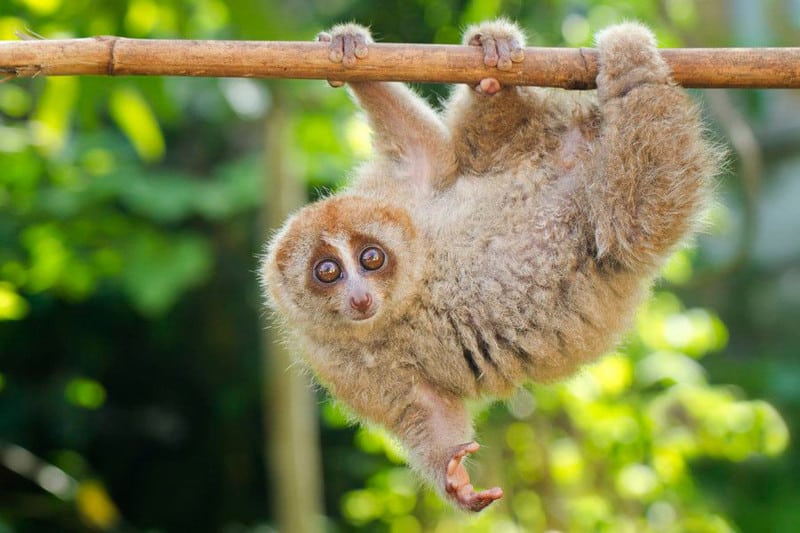
Slow lorises are found in tropical forests, where they inhabit the upper canopy and middle layers of the trees. They are solitary animals and have large home ranges, which they mark with their scent to keep other lorises away. Slow lorises are also known for their unique communication methods, which include a series of high-pitched calls and whistles. They are primarily nocturnal, spending most of their time resting or sleeping during the day and becoming active at night.

Dangers of Touching Slow Lorises
One of the primary reasons you should never touch a slow loris is because of their toxic bite. Slow lorises have a unique gland located on their inner elbow, which produces a toxic secretion. This secretion is used for defense purposes, and when they feel threatened, they will often bite and deliver this toxin to their attacker. The toxin can cause severe pain, swelling, and even anaphylaxis in some individuals. Additionally, slow lorises are also known to carry diseases such as herpes, which can be transmitted to humans through contact with their saliva or other bodily fluids.
In addition to the risk of being bitten or infected with a disease, touching a slow loris can also be detrimental to the animal's health. Slow lorises are highly stressed by human interaction, and handling them can cause a range of problems, including respiratory issues, cardiac problems, and even death.

Conservation Status and Threats
Slow lorises are listed as vulnerable or endangered on the IUCN Red List, depending on the species. The main threats to their survival include habitat loss and fragmentation, hunting for the pet trade, and climate change. The demand for slow lorises as exotic pets has led to a significant decline in their population, as they are often captured from the wild and sold to collectors. However, many of these animals do not survive in captivity, and those that do often suffer from poor living conditions and inadequate care.
Climate change is also having a significant impact on slow loris populations, as it alters their food supply and disrupts their habitat. Rising temperatures and changing precipitation patterns can affect the availability of insects and fruits, making it harder for slow lorises to find food. Additionally, climate change can also increase the risk of disease transmission among slow lorises, further threatening their survival.
What You Can Do to Help
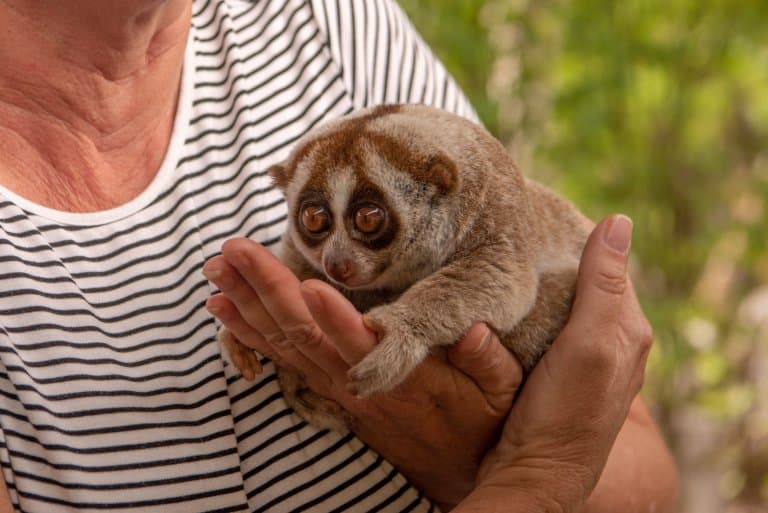
While it may be tempting to touch or handle a slow loris, it's essential to prioritize their welfare and safety. Instead of interacting with slow lorises in person, you can support conservation efforts by donating to reputable organizations or spreading awareness about the importance of protecting these animals and their habitats. You can also make eco-friendly choices, such as reducing your carbon footprint and supporting sustainable forest products, to help mitigate the impact of climate change on slow loris populations.
Additionally, if you're interested in learning more about slow lorises, you can visit accredited zoos or sanctuaries that have these animals in captivity. These institutions often provide educational programs and exhibits that promote the conservation of slow lorises and other endangered species. By supporting these organizations and making informed choices, you can help make a positive impact on the lives of slow lorises and contribute to their conservation.
Conclusion
In conclusion, while slow lorises may be adorable and tempting to touch, it's crucial to prioritize their safety and well-being. The risks associated with touching a slow loris, including their toxic bite and the potential for disease transmission, make it essential to keep a safe distance. By supporting conservation efforts and making eco-friendly choices, you can help protect these amazing animals and their habitats. Remember, it's always better to appreciate slow lorises from a distance and respect their boundaries, ensuring the safety and well-being of both humans and animals.

As we continue to learn more about slow lorises and their fascinating world, it's essential to prioritize their conservation and protection. By working together, we can make a positive impact on the lives of these incredible animals and ensure their survival for generations to come. So, the next time you're tempted to touch a slow loris, remember the risks and the importance of respecting their boundaries. Instead, appreciate these amazing creatures from a distance and support conservation efforts that protect them and their habitats.
By doing so, we can help ensure the long-term survival of slow lorises and preserve the beauty and diversity of our planet's incredible wildlife. Whether you're a seasoned animal lover or just starting to learn about these amazing creatures, it's essential to prioritize their welfare and safety. So, let's work together to protect slow lorises and their habitats, and ensure that these incredible animals continue to thrive for generations to come.
In the end, it's up to us to make a positive impact on the lives of slow lorises and other endangered species. By making informed choices, supporting conservation efforts, and respecting the boundaries of these amazing animals, we can help create a better future for all. So, let's get started on this journey and work together to protect slow lorises and the incredible world they inhabit. With dedication, passion, and a commitment to conservation, we can make a real difference and ensure the long-term survival of these incredible creatures.
As we move forward, it's essential to remember the importance of protecting slow lorises and their habitats. By doing so, we can help preserve the beauty and diversity of our planet's incredible wildlife, and ensure that these amazing animals continue to thrive for generations to come. So, let's stay committed to conservation, and work together to create a better future for slow lorises and all the incredible creatures that share our planet. With time, effort, and dedication, we can make a real difference and ensure the long-term survival of these incredible animals.
In conclusion, the journey to protect slow lorises and their habitats is an ongoing one, and it requires our continued commitment and support. By working together, we can make a positive impact on the lives of these amazing animals, and help ensure their survival for generations to come. So, let's stay dedicated to conservation, and continue to prioritize the welfare and safety of slow lorises and all the incredible creatures that share our planet. With passion, commitment, and a love for wildlife, we can create a better future for all, and ensure the long-term survival of these incredible animals.