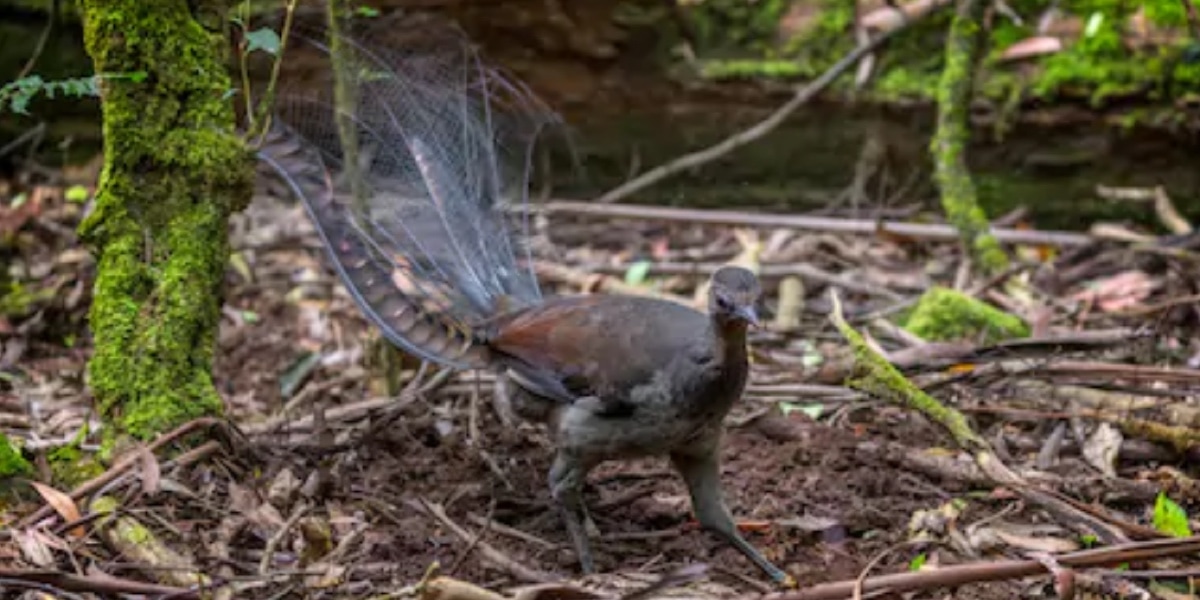
The natural world is full of fascinating creatures, and one of the most intriguing is the bird that can mimic any sound it hears. The lyrebird, also known as the superb lyrebird, is a native Australian bird that has the unique ability to replicate any sound it hears, from other birds and animals to man-made noises like car alarms and even human voices. This incredible talent has made the lyrebird a popular subject of study and admiration, and in this article, we'll delve into the world of these amazing birds and explore their remarkable mimicry abilities.
Introduction to the Lyrebird
The lyrebird is a medium-sized bird that belongs to the family Menuridae. It has a distinctive appearance, with a long, pointed tail and a rounded body covered in brown and grey feathers. The male lyrebird is known for its impressive courtship display, where it uses its elaborate tail feathers to create a fan-shaped structure that it uses to attract females. But what really sets the lyrebird apart is its ability to mimic sounds, which it uses for a variety of purposes, including attracting mates, warning off predators, and even communicating with other lyrebirds.

The lyrebird's mimicry abilities are so advanced that it can reproduce a wide range of sounds, from the calls of other birds and animals to man-made noises like car alarms, sirens, and even human voices. In fact, the lyrebird is known to be able to learn and mimic new sounds throughout its lifetime, which means that it can adapt to changing environments and learn to reproduce new sounds that it hears. This ability to learn and mimic new sounds is a key part of the lyrebird's behavior, and it plays a crucial role in the bird's social interactions and communication.
The Science Behind the Lyrebird's Mimicry
So, how does the lyrebird's mimicry work? The answer lies in the bird's unique syrinx, which is the vocal organ located at the base of the trachea. The syrinx is made up of two pairs of cartilaginous rings that are covered in muscles and connective tissue, and it's this complex structure that allows the lyrebird to produce such a wide range of sounds. When the lyrebird hears a sound, it uses its syrinx to replicate the sound wave, creating a near-perfect replica of the original noise. This process is made possible by the lyrebird's highly developed brain, which is able to process and analyze the sound waves and then use the syrinx to reproduce them.
 Interesting Facts About the Lyrebird" loading="lazy" style="max-width:700px;width:100%;height:auto;border-radius:8px;">
Researchers have studied the lyrebird's mimicry abilities in detail, and they've found that the bird's brain is specially adapted to process and reproduce complex sound waves. The lyrebird's brain has a large auditory cortex, which is the part of the brain that processes sound, and it also has a highly developed motor cortex, which is the part of the brain that controls movement. This combination of advanced brain structures allows the lyrebird to learn and mimic new sounds with ease, and it's a key part of the bird's remarkable mimicry abilities.
Conservation Status and Threats
Despite its impressive mimicry abilities, the lyrebird is facing a number of threats in the wild. The bird's habitat is being destroyed and fragmented, which is making it harder for the lyrebird to find food and shelter. The lyrebird is also vulnerable to predators like foxes and cats, which have been introduced to Australia and are causing significant problems for native wildlife. Climate change is also a major threat to the lyrebird, as it's altering the bird's food supply and habitat quality.

To address these threats, conservation efforts are underway to protect the lyrebird and its habitat. National parks and wildlife reserves have been established to provide a safe haven for the lyrebird, and conservationists are working to restore and connect fragmented habitats. Researchers are also studying the lyrebird's behavior and ecology, which is helping to inform conservation efforts and protect the bird's habitat. By supporting conservation efforts and protecting the lyrebird's habitat, we can help to ensure the long-term survival of this incredible bird.
The lyrebird's mimicry abilities are not just impressive - they're also an important part of the bird's behavior and ecology. By studying the lyrebird's mimicry, we can gain insights into the bird's social interactions and communication, and we can learn more about the complex relationships between birds and their environments. Whether you're a bird enthusiast, a conservationist, or simply someone who appreciates the natural world, the lyrebird is a fascinating creature that's definitely worth learning more about.
Interesting Facts About the Lyrebird
Here are some interesting facts about the lyrebird: the lyrebird can mimic over 20 different species of birds, as well as a range of man-made noises; the lyrebird's mimicry abilities are so advanced that it can even reproduce the sound of a chainsaw or a car alarm; the lyrebird is known for its impressive courtship display, where it uses its elaborate tail feathers to create a fan-shaped structure that it uses to attract females; the lyrebird is a skilled forager, and it uses its strong legs and sharp claws to search for food in the underbrush; the lyrebird is a monogamous species, and it forms long-term pair bonds with its mate.
These facts give you a glimpse into the fascinating world of the lyrebird, and they highlight the bird's unique characteristics and behaviors. Whether you're interested in the lyrebird's mimicry abilities, its courtship display, or its foraging habits, there's no denying that this bird is one of the most fascinating creatures in the natural world. By learning more about the lyrebird and its habits, we can gain a deeper appreciation for the natural world and the incredible diversity of species that inhabit our planet.
In conclusion, the lyrebird is an incredible bird with a unique set of characteristics and abilities. Its mimicry abilities are unparalleled in the bird world, and they play a crucial role in the bird's behavior and ecology. By studying the lyrebird and its habits, we can gain insights into the natural world and the complex relationships between birds and their environments. Whether you're a bird enthusiast, a conservationist, or simply someone who appreciates the natural world, the lyrebird is a fascinating creature that's definitely worth learning more about.
Conclusion and Final Thoughts
The lyrebird is a true marvel of nature, and its mimicry abilities are just one of the many fascinating things about this incredible bird. By learning more about the lyrebird and its habits, we can gain a deeper appreciation for the natural world and the incredible diversity of species that inhabit our planet. We can also learn more about the importance of conservation and the need to protect the lyrebird's habitat and prevent its extinction. As we continue to learn more about the lyrebird and its remarkable abilities, we're reminded of the importance of preserving the natural world and all its wonders for future generations.
As we've seen, the lyrebird's mimicry abilities are just one of the many fascinating things about this incredible bird. From its impressive courtship display to its skilled foraging habits, the lyrebird is a true marvel of nature. By supporting conservation efforts and protecting the lyrebird's habitat, we can help to ensure the long-term survival of this incredible bird and preserve the natural world for future generations. Whether you're a bird enthusiast, a conservationist, or simply someone who appreciates the natural world, the lyrebird is a fascinating creature that's definitely worth learning more about.
In the end, the lyrebird's story is a reminder of the importance of preserving the natural world and all its wonders. By learning more about this incredible bird and its habits, we can gain a deeper appreciation for the natural world and the incredible diversity of species that inhabit our planet. We can also learn more about the importance of conservation and the need to protect the lyrebird's habitat and prevent its extinction. As we continue to learn more about the lyrebird and its remarkable abilities, we're reminded of the importance of preserving the natural world for future generations, and the need to take action to protect this incredible bird and its habitat.