Why Do Cats Always Land on Their Feet?

Have you ever wondered why cats always seem to land on their feet, no matter how they fall? It's a fascinating phenomenon that has puzzled cat owners and scientists alike for centuries. As a cat lover and enthusiast, I've always been amazed by this unique ability, and I'm excited to dive into the science behind it. In this article, we'll explore the reasons why cats are able to land on their feet with such ease and agility, and what makes them so special in this regard.
Introduction to Cat Righting Reflex
The ability of cats to land on their feet is known as the "righting reflex." This reflex is a complex process that involves the cat's inner ear, brain, and muscles, all working together to help the cat orient its body in mid-air and land on its feet. The righting reflex is a remarkable example of evolution at work, and it's a key factor in the cat's ability to survive and thrive in a variety of environments.

But how does the righting reflex work, exactly? It all starts with the cat's inner ear, which contains a small organ called the vestibular apparatus. This apparatus is responsible for detecting changes in the cat's head position and movement, and it sends signals to the brain to help the cat maintain its balance and orientation. When a cat is falling, the vestibular apparatus detects the change in head position and sends a signal to the brain, which then triggers a series of rapid muscle movements to help the cat rotate its body and land on its feet.
The Role of the Inner Ear
The inner ear plays a crucial role in the righting reflex, and it's essential for the cat's ability to land on its feet. The inner ear contains three semicircular canals filled with fluid, which are lined with sensory hair cells that detect movement and changes in head position. When the cat's head moves, the fluid in the canals moves too, bending the sensory hair cells and triggering a signal to the brain. This signal helps the cat to maintain its balance and orientation, and it's essential for the righting reflex to work.
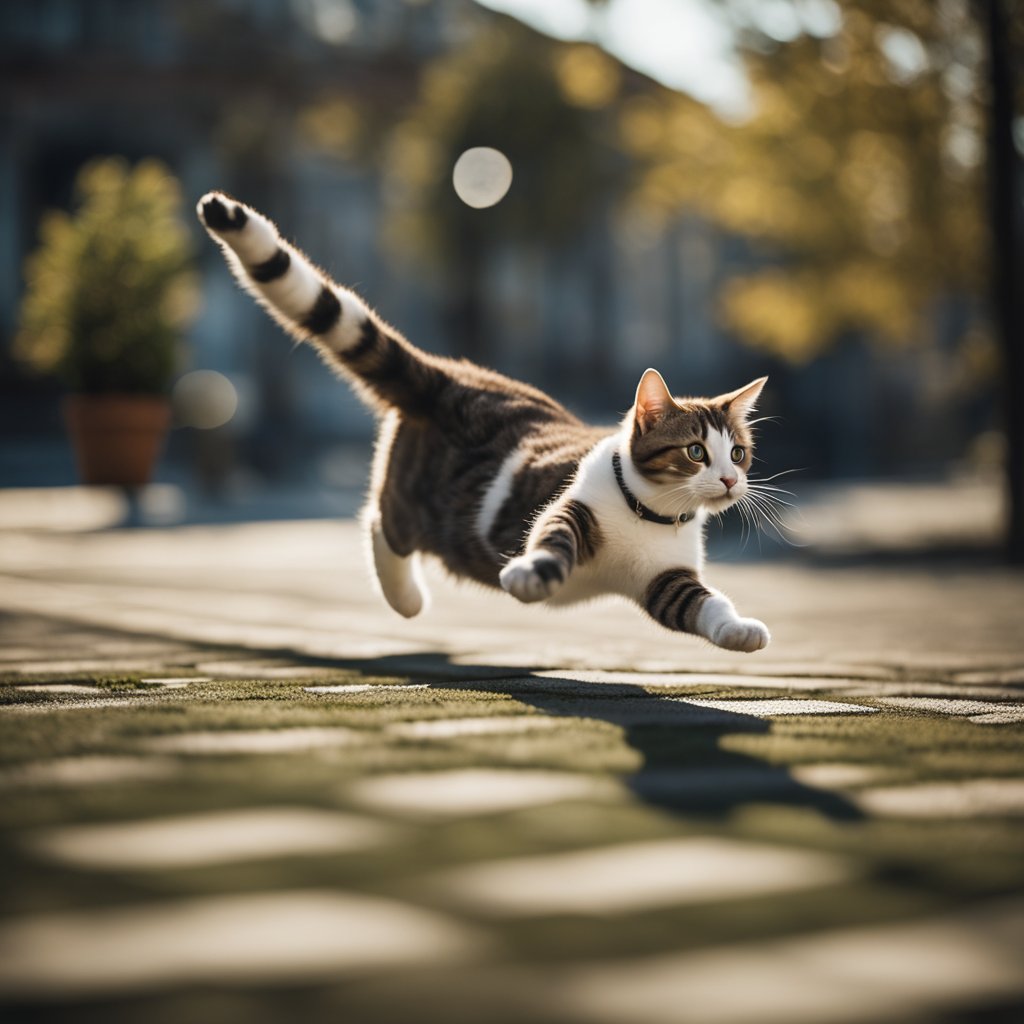
In addition to the vestibular apparatus, the cat's brain also plays a critical role in the righting reflex. The brain processes the signals from the inner ear and sends commands to the muscles to help the cat rotate its body and land on its feet. This process happens incredibly quickly, often in a matter of milliseconds, and it requires a high degree of coordination and precision. The cat's brain is able to process the information from the inner ear and make the necessary adjustments to the muscles in real-time, allowing the cat to land on its feet with ease.
The Importance of Flexibility and Muscle Tone
Another key factor in the righting reflex is the cat's flexibility and muscle tone. Cats are known for their flexibility and agility, and this is essential for the righting reflex to work. When a cat is falling, it needs to be able to rotate its body quickly and easily, and this requires a high degree of flexibility in the spine, legs, and other joints. The cat's muscles also need to be strong and toned, in order to make the rapid movements necessary to land on its feet.

In addition to flexibility and muscle tone, the cat's body structure also plays a role in the righting reflex. Cats have a unique body shape, with a flexible spine and legs that are designed for jumping and climbing. This body shape allows the cat to rotate its body easily and quickly, making it easier to land on its feet. The cat's righting reflex is also influenced by its sense of vision, which helps the cat to detect the ground and make any necessary adjustments to its body position before landing.
How Cats Develop the Righting Reflex
So, how do cats develop the righting reflex? It's a complex process that involves a combination of genetics, environment, and learning. Kittens are born with a natural ability to right themselves in mid-air, but this ability is not fully developed until they are several weeks old. As kittens grow and develop, they begin to learn and refine the righting reflex through practice and experience.
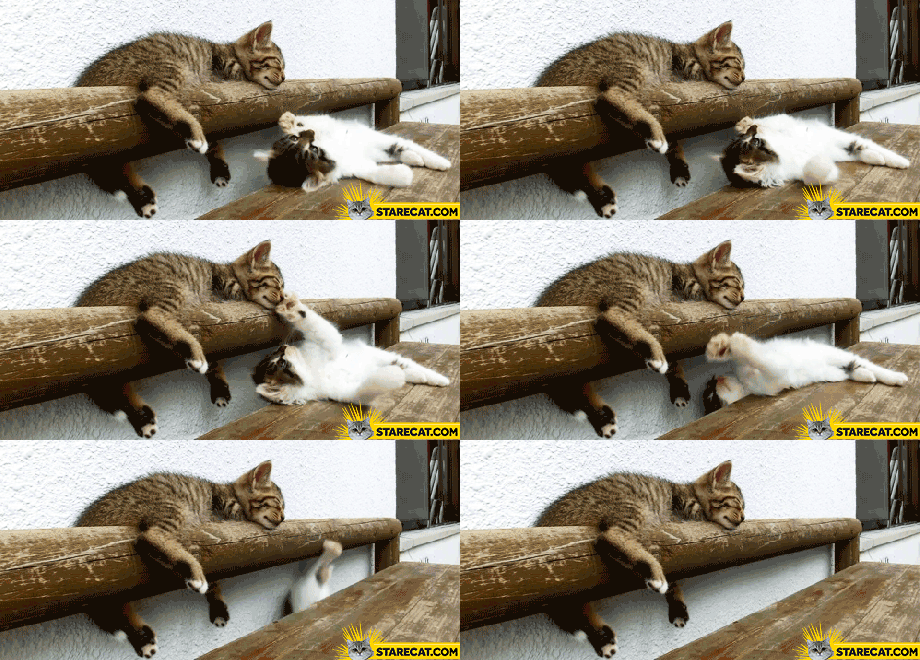
One of the key ways that kittens learn the righting reflex is through play. When kittens play, they often engage in activities that involve falling and tumbling, such as chasing toys or climbing up high. As they fall, they begin to develop the righting reflex, learning to rotate their bodies and land on their feet. This process is gradual, and it requires a lot of practice and repetition. But with time and experience, kittens develop a strong and reliable righting reflex that serves them well throughout their lives.
In addition to play, kittens also learn the righting reflex through observation and imitation. They watch their mothers and other adult cats, and they learn from their behavior and movements. This social learning is an important part of the kitten's development, and it helps to shape their behavior and reflexes. As kittens grow and mature, they continue to refine the righting reflex, becoming more skilled and agile with time.
The Science Behind the Righting Reflex
From a scientific perspective, the righting reflex is a fascinating example of physics and biology in action. When a cat is falling, it is subject to the forces of gravity and momentum, which pull it downwards and forwards. But the cat's righting reflex allows it to counteract these forces, using its muscles and body structure to rotate its body and land on its feet.
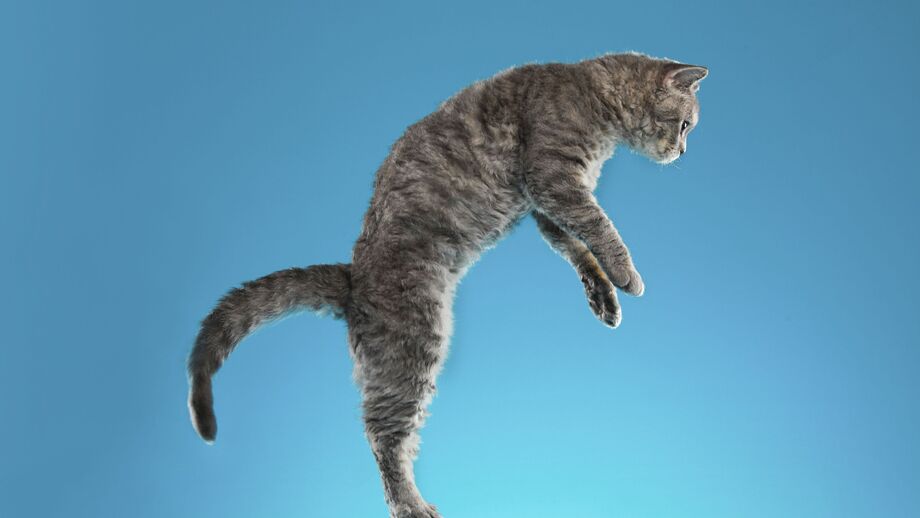
The science behind the righting reflex is complex, and it involves a combination of physics, biology, and mathematics. Researchers have used high-speed cameras and computer simulations to study the righting reflex, and they have developed sophisticated models to explain how it works. These models take into account the cat's body structure, muscle movements, and sensory systems, and they provide a detailed understanding of the physics and biology behind the righting reflex.
One of the key findings of this research is that the righting reflex is a highly distributed process, involving multiple sensory systems and muscle groups. The cat's inner ear, brain, and muscles all work together to detect the fall and make the necessary adjustments to the body position. This distributed process allows the cat to respond quickly and accurately to changes in its environment, and it's essential for the righting reflex to work.
Conclusion
In conclusion, the righting reflex is a remarkable example of evolution at work, and it's a key factor in the cat's ability to survive and thrive in a variety of environments. The combination of the inner ear, brain, and muscles allows the cat to detect the fall and make the necessary adjustments to the body position, landing on its feet with ease and agility. Whether you're a cat owner or simply a cat enthusiast, the righting reflex is a fascinating phenomenon that's sure to captivate and inspire. [IMAGE]
As we've seen, the righting reflex is a complex process that involves a combination of genetics, environment, and learning. Kittens develop the righting reflex through play and social learning, and they refine it through practice and experience. The science behind the righting reflex is equally fascinating, involving a combination of physics, biology, and mathematics. By studying the righting reflex, researchers can gain a deeper understanding of the physics and biology behind this remarkable phenomenon, and they can develop new insights into the behavior and ecology of cats.
So next time you see a cat fall and land on its feet, remember the incredible science and biology behind this remarkable phenomenon. The righting reflex is a testament to the amazing agility and adaptability of cats, and it's a key factor in their ability to thrive in a wide range of environments. Whether you're a cat lover or simply a nature enthusiast, the righting reflex is sure to inspire and fascinate, and it's a reminder of the incredible complexity and beauty of the natural world.
0 Response to "Why Do Cats Always Land on Their Feet?"
Post a Comment