
As I sit here, reflecting on the incredible diversity of the natural world, I am reminded of a creature that has left an indelible mark on my perception of the environment. The animal I am referring to is the axolotl, a fascinating and enigmatic creature that has the power to change the way we see nature. In this article, we will delve into the world of the axolotl, exploring its unique characteristics, behaviors, and the impact it can have on our understanding of the natural world.
Introduction to the Axolotl
The axolotl (Ambystoma mexicanum) is a type of salamander that belongs to the family Ambystomatidae. Native to Mexico, the axolotl is a unique creature that has the ability to regrow its limbs, eyes, and parts of its brain, making it a fascinating subject for scientific study. But beyond its remarkable regenerative abilities, the axolotl is also an important symbol of the natural world, reminding us of the beauty, complexity, and fragility of the environment.
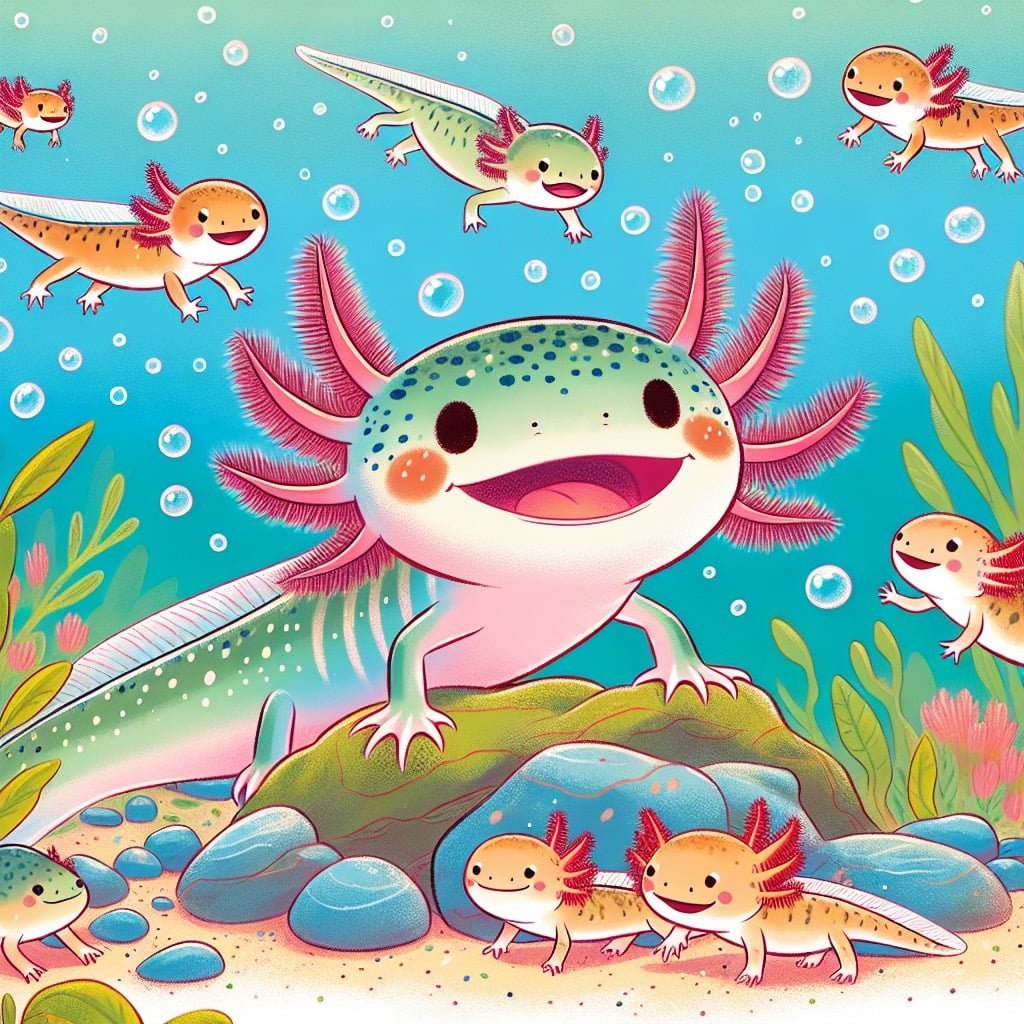
One of the most striking things about the axolotl is its appearance. With its feathery gills, slender body, and ability to regrow its limbs, the axolotl looks like something out of a science fiction movie. But despite its otherworldly appearance, the axolotl is very much a real creature, and one that is facing a number of threats in the wild.
 This Animal Will Change How You See Nature Introduction to the Axolotl" loading="lazy" style="max-width:700px;width:100%;height:auto;border-radius:8px;">
Habitat and Distribution
The axolotl is found in the wild in a number of lakes and canals in Mexico, including Lake Xochimilco and Lake Chapultepec. However, its habitat is under threat due to pollution, urbanization, and the introduction of non-native species. As a result, the axolotl is now considered to be an endangered species, and conservation efforts are underway to protect its habitat and prevent its extinction.
Despite the challenges facing the axolotl, it remains an important part of its ecosystem. The axolotl plays a vital role in the food chain, serving as a food source for a number of other animals, including birds, fish, and other salamanders. The axolotl also helps to maintain the balance of its ecosystem, feeding on insects and other invertebrates that might otherwise become pests.
 Will Change How You See Nature The Axolotls Unique Characteristics" loading="lazy" style="max-width:700px;width:100%;height:auto;border-radius:8px;">
The Axolotl's Unique Characteristics
So what makes the axolotl so unique? One of the most interesting things about the axolotl is its ability to regrow its limbs. This is made possible by the presence of stem cells throughout its body, which allow it to regenerate lost or damaged tissue. The axolotl can also regrow its eyes, parts of its brain, and even parts of its spinal cord, making it one of the most resilient creatures in the animal kingdom.
The axolotl's regenerative abilities are not just limited to its physical body. It can also regenerate its internal organs, including its kidneys, liver, and pancreas. This makes the axolotl an important subject for scientific study, particularly in the fields of regenerative medicine and tissue engineering. By studying the axolotl's regenerative abilities, scientists hope to gain a better understanding of how to repair and replace damaged tissue in humans, which could lead to breakthroughs in the treatment of a range of diseases and injuries.
Behavior and Diet
Despite its unique characteristics, the axolotl is a relatively simple creature. It is a carnivore, feeding on a diet of worms, crustaceans, and other invertebrates. The axolotl is also a nocturnal creature, spending most of its time hiding in underwater burrows or under vegetation. At night, it emerges to hunt and feed, using its keen sense of smell to locate its prey.

In captivity, the axolotl is a relatively low-maintenance creature, requiring a simple aquarium with plenty of hiding places and a balanced diet. However, the axolotl is not a creature that should be handled regularly, as its skin is sensitive and can be easily damaged. With proper care and attention, the axolotl can thrive in captivity, providing a fascinating glimpse into the natural world.
Conservation Status and Threats
Unfortunately, the axolotl is facing a number of threats in the wild, including habitat loss, pollution, and the introduction of non-native species. The axolotl's habitat is being destroyed due to urbanization and the construction of canals and dams, which has reduced its population and made it more vulnerable to extinction. The axolotl is also being threatened by the introduction of non-native species, such as the African tilapia, which competes with the axolotl for food and habitat.
Pollution is also a major threat to the axolotl, as it can cause a range of health problems and reduce its ability to regenerate its tissue. The axolotl is particularly sensitive to pollution, as it has a permeable skin that allows it to absorb chemicals and toxins from the water. As a result, the axolotl is often used as an indicator species, helping scientists to monitor the health of its ecosystem and detect the presence of pollutants.
Conservation Efforts
Despite the challenges facing the axolotl, there are a number of conservation efforts underway to protect its habitat and prevent its extinction. The Mexican government has established a number of protected areas, including the Xochimilco-Chalco wetland, which provides a safe habitat for the axolotl and other endangered species. There are also a number of breeding programs in place, which aim to increase the axolotl's population and reduce its reliance on the wild.
In addition to these efforts, there are a number of organizations and individuals working to raise awareness about the axolotl and its plight. By educating people about the importance of conservation and the impact of human activity on the environment, it is possible to inspire change and promote a greater appreciation for the natural world.

Conclusion
In conclusion, the axolotl is a fascinating and enigmatic creature that has the power to change the way we see nature. Its unique characteristics, including its ability to regrow its limbs and internal organs, make it an important subject for scientific study and a symbol of the natural world. However, the axolotl is facing a number of threats in the wild, including habitat loss, pollution, and the introduction of non-native species, which highlight the need for conservation efforts to protect its habitat and prevent its extinction.
By learning more about the axolotl and its place in the natural world, we can gain a greater appreciation for the beauty and complexity of the environment. We can also inspire change, promoting a greater awareness of the impact of human activity on the natural world and the importance of conservation. The axolotl may be a small creature, but it has the power to make a big impact on our understanding of the world and our place within it.