As we continue to face the challenges of climate change, environmental degradation, and sustainable development, it's becoming increasingly clear that the solutions to these problems may lie in some unexpected places. One such place is the natural world, where certain animals have evolved unique abilities and characteristics that could potentially change the world. In this article, we're going to explore one such animal that has the potential to make a significant impact on our planet: the axolotl.
Introduction to the Axolotl
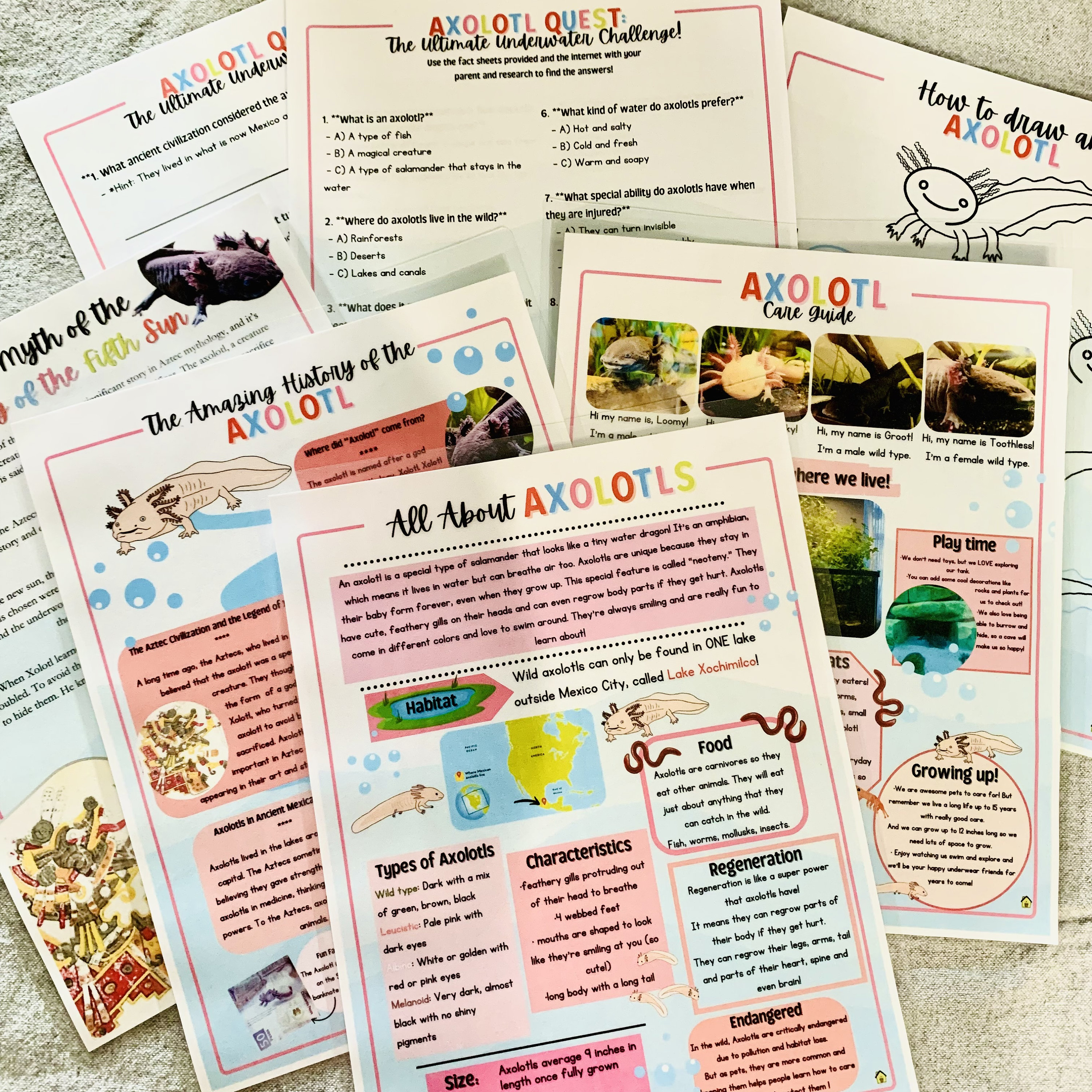
The axolotl (Ambystoma mexicanum) is a type of salamander that is native to Mexico. It's a relatively small animal, typically growing to a length of around 6-12 inches, and is characterized by its feathery gills, ability to regrow limbs, and unique ability to regenerate its spinal cord, eyes, and parts of its brain. The axolotl is also found in a variety of colors, including brown, gray, and albino, making it a popular exotic pet. But beyond its interesting appearance and abilities, the axolotl has some remarkable characteristics that make it a potential game-changer for the world.
Regenerative Abilities
One of the most fascinating things about the axolotl is its ability to regenerate its body parts. This is made possible by the presence of stem cells throughout its body, which can differentiate into different types of cells and tissues. This ability has led scientists to study the axolotl in the hopes of gaining a better understanding of how it works, and how it could potentially be applied to human medicine. Imagine being able to regrow a lost limb, or repair damaged tissue and organs. The potential for this technology is enormous, and it's an area that is being actively researched by scientists around the world.
The axolotl's regenerative abilities are also being studied in the context of spinal cord injuries. The axolotl is able to regrow its spinal cord, and scientists are hoping to understand how this process works in order to develop new treatments for spinal cord injuries in humans. This could potentially lead to new therapies and treatments for people who have been paralyzed or injured in accidents, and it's an area that holds a lot of promise for the future.
Environmental Impact
In addition to its potential for regenerative medicine, the axolotl also has some interesting implications for the environment. The axolotl is able to survive in a variety of different environments, from freshwater lakes and rivers to brackish estuaries and even polluted urban waterways. This makes it an ideal animal for studying the effects of pollution and environmental degradation on ecosystems. By studying the axolotl and its ability to thrive in different environments, scientists can gain a better understanding of how to mitigate the effects of pollution and protect vulnerable ecosystems.
The axolotl is also an important part of its ecosystem, playing a key role in the food chain and helping to regulate the populations of other animals. As a predator, the axolotl helps to keep the populations of insects, crustaceans, and other small animals under control, which in turn helps to maintain the balance of the ecosystem. This makes the axolotl an important species to study and protect, not just for its potential benefits to human medicine, but also for its role in maintaining the health of ecosystems.
Conservation Status
Despite its many interesting characteristics and potential benefits, the axolotl is unfortunately facing a number of threats in the wild. The axolotl is listed as an endangered species by the International Union for Conservation of Nature (IUCN), due to a combination of factors including habitat loss, pollution, and overcollection for the pet trade. The axolotl's native habitats are being destroyed and degraded, and the animal is often caught and sold as a pet, which can be detrimental to its health and well-being.

In order to protect the axolotl and its habitats, conservation efforts are underway in Mexico and around the world. This includes the establishment of protected areas and sanctuaries, as well as education and outreach programs to raise awareness about the importance of conservation. Additionally, scientists are working to develop breeding programs and reintroduction efforts, in order to help increase the population of axolotls in the wild and reduce the demand for wild-caught animals.
What Can We Learn from the Axolotl?
So what can we learn from the axolotl, and how can we apply its unique characteristics and abilities to our own lives and the world around us? One of the most important things we can learn from the axolotl is the importance of resilience and adaptability. The axolotl is able to thrive in a variety of different environments, and its ability to regrow and regenerate its body parts makes it a powerful symbol of the potential for renewal and transformation.

The axolotl also reminds us of the importance of taking care of the natural world and protecting the environment. As a species, we have a responsibility to protect and preserve the natural world, not just for the benefit of animals like the axolotl, but for our own benefit as well. By studying the axolotl and its habitats, we can gain a better understanding of the interconnectedness of ecosystems and the importance of preserving biodiversity.
A Call to Action
So what can you do to help protect the axolotl and its habitats? One of the most important things you can do is to support conservation efforts and organizations that are working to protect the axolotl and its habitats. This can include donating money, volunteering your time, or spreading the word about the importance of conservation. You can also make a difference by reducing your own impact on the environment, such as by reducing your use of plastics, conserving water, and supporting sustainable practices.
In conclusion, the axolotl is a fascinating and unique animal that has the potential to change the world. Its regenerative abilities, environmental implications, and conservation status all make it an important species to study and protect. By learning more about the axolotl and its habitats, we can gain a better understanding of the natural world and our place within it, and we can work to protect and preserve the environment for future generations. So let's all do our part to help protect the axolotl and the world around us – the future of our planet depends on it.