
When we think of animals that can save lives, we often imagine dogs trained for search and rescue missions or dolphins that help people in distress at sea. However, there's an unexpected hero that has been making headlines in recent years - the humble honeybee. Yes, you read that right! These tiny creatures are capable of saving lives in ways that might surprise you.
The Importance of Honeybees
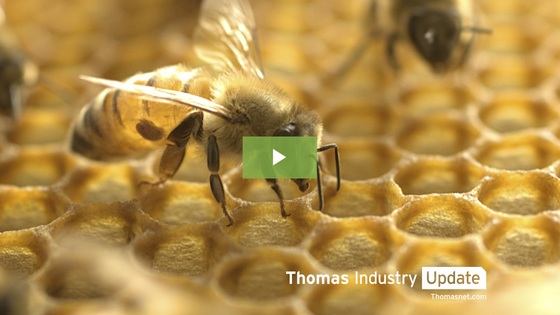
Honeybees are some of the most fascinating creatures in the animal kingdom. Not only are they responsible for pollinating a significant portion of the world's crops, but they also produce honey, a natural sweetener that has been used for centuries for its medicinal properties. But what's even more remarkable about honeybees is their ability to detect certain diseases and health conditions. For instance, researchers have been training honeybees to detect cancer, tuberculosis, and even COVID-19. The idea is that the bees can be trained to recognize the unique scents of these diseases, allowing for early detection and treatment.
But how exactly do honeybees detect these diseases? It all comes down to their sense of smell. Honeybees have an incredibly developed sense of olfaction, which allows them to detect subtle changes in their environment. When a person has a disease, their body chemistry changes, producing unique volatile organic compounds (VOCs) that can be detected by the honeybees. By training the bees to recognize these VOCs, researchers can use them to identify diseases in their early stages, when they are most treatable.
 This Animal Can Save Lives in Unexpected Ways The Importance of Honeybees" loading="lazy" style="max-width:700px;width:100%;height:auto;border-radius:8px;">
The Science Behind Honeybee Disease Detection
The science behind honeybee disease detection is still in its infancy, but it has shown tremendous promise. Researchers have been using a technique called "apian-based biosensing" to train the bees to detect specific diseases. This involves exposing the bees to the unique scents of the diseases and then rewarding them with a sugar solution when they correctly identify the scent. Over time, the bees learn to associate the scent with the reward, allowing them to detect the disease with a high degree of accuracy.
One of the most significant advantages of using honeybees for disease detection is their low cost and portability. Unlike traditional diagnostic techniques, which often require expensive equipment and trained personnel, honeybees can be used in even the most remote and resource-poor areas. This makes them an ideal solution for developing countries, where access to healthcare is often limited.
 This Animal Can Save Lives in Unexpected Ways The Future of Honeybee Disease Detection" loading="lazy" style="max-width:700px;width:100%;height:auto;border-radius:8px;">
Real-World Applications of Honeybee Disease Detection
While the idea of using honeybees to detect diseases might seem like science fiction, it has already been tested in several real-world applications. For example, researchers have used honeybees to detect tuberculosis in Tanzania, where the disease is prevalent and often goes undiagnosed. The bees were able to detect the disease with a high degree of accuracy, allowing healthcare workers to provide treatment to those who needed it most.
In another study, honeybees were used to detect cancer in patients. The bees were trained to recognize the unique scent of cancer cells, which are different from healthy cells. The results were astonishing - the bees were able to detect cancer in 90% of the patients, making them a potentially valuable tool in the early detection and treatment of the disease.

But honeybees are not just limited to detecting diseases. They also have the potential to save lives in other ways, such as by providing a source of nutrition and income for people in developing countries. For example, beekeeping can provide a sustainable source of income for farmers, allowing them to support their families and communities. Additionally, honey and other bee products have been shown to have medicinal properties, making them a valuable resource for people in areas where access to healthcare is limited.
The Future of Honeybee Disease Detection
While the use of honeybees for disease detection is still in its early stages, it has the potential to revolutionize the way we diagnose and treat diseases. Imagine being able to detect diseases like cancer and tuberculosis in their early stages, when they are most treatable. It's a prospect that is both exciting and terrifying, as it raises questions about the ethics of using animals for medical research.
However, the benefits of using honeybees for disease detection far outweigh the risks. For one, it has the potential to save countless lives, particularly in developing countries where access to healthcare is limited. Additionally, it provides a low-cost and sustainable solution for disease diagnosis, making it an attractive option for resource-poor areas.
As researchers continue to explore the potential of honeybees for disease detection, we can expect to see new and innovative applications of this technology. For example, scientists are already working on developing portable devices that can be used to detect diseases in the field, using honeybees as the primary sensing mechanism.

While there are still many challenges to overcome, the use of honeybees for disease detection is an exciting and rapidly evolving field. As we continue to learn more about these incredible creatures and their abilities, we may uncover even more unexpected ways that they can save lives. So the next time you see a honeybee buzzing around a flower, remember that it's not just a pest - it's a potential lifesaver.
In conclusion, honeybees are truly one of the most fascinating creatures in the animal kingdom. Their ability to detect diseases and save lives is just one of the many reasons why we should be working to protect and preserve these incredible animals. By supporting bee conservation efforts and promoting sustainable beekeeping practices, we can help ensure that honeybees continue to thrive and provide their many benefits to humanity for generations to come.