The World’s Weirdest Animal Behaviors
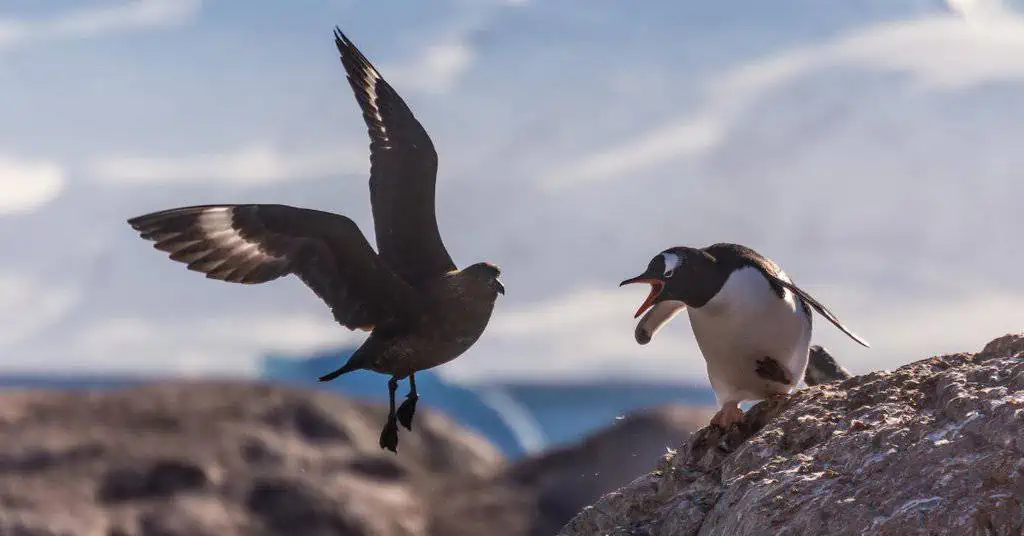
Ever wonder what goes on inside the minds of animals? Sure, we see them eating, sleeping, and playing, but sometimes, just sometimes, they do things that leave us scratching our heads. Prepare to dive into a world of bizarre mating rituals, unusual diets, and perplexing social structures. This is the world of weird animal behaviors, and it's more fascinating than you can imagine.
Often, we only scratch the surface of understanding the animal kingdom. We see documentaries showcasing the majestic lion or the playful dolphin, but we rarely delve into the truly strange and bewildering habits that some creatures have developed. This lack of insight can leave us with a limited appreciation for the diversity and complexity of life on Earth.
This article aims to shine a light on the oddities and eccentricities of animal behavior, from the deeply unsettling to the strangely endearing. We'll explore some of the most peculiar habits found across the globe, providing insights into the evolutionary reasons (or perhaps lack thereof) behind these behaviors. Whether you're a seasoned animal enthusiast or simply curious about the natural world, this journey into the weird will leave you amazed and informed.
From coprophagy to cross-dressing, the animal kingdom is a bizarre bazaar of unexpected actions. These behaviors, driven by survival, reproduction, or perhaps just plain oddity, highlight the vast difference in how animals interact with the world compared to us. We'll journey through examples showcasing mating rituals, survival strategies, and social interactions that will leave you astounded. Key areas explored will include unusual diets, strange communication methods, and peculiar parenting techniques, all contributing to a deeper understanding of animal behavior and the natural world. We'll uncover the 'why' behind the 'what', offering insights into the evolutionary pressures that have shaped these eccentricities.
Sea Cucumber Evisceration: A Gut-Wrenching Defense
I'll never forget the first time I saw footage of a sea cucumber eviscerating itself. I was watching a nature documentary, expecting the usual serene underwater scenes, when suddenly, this cucumber-shaped creature expelled its internal organs in a cloud of… well, goo. I was completely taken aback. It looked like something out of a horror film, but apparently, this is a fairly common defense mechanism for these fascinating animals. Faced with a predator, the sea cucumber literally throws up its own guts to confuse or distract the attacker, giving itself a chance to escape. Then, miraculously, it regenerates the lost organs. Talk about dedication to survival! The act of self-evisceration highlights a fascinating evolutionary adaptation. Predators, caught off guard by the sudden expulsion of sticky, potentially toxic organs, are often deterred long enough for the sea cucumber to make its escape. The regenerative capabilities of these creatures further underscore their resilience. They are able to rebuild their digestive systems and other vital organs, allowing them to continue thriving in their marine environment. This is a testament to the incredible diversity of defense mechanisms found in the natural world and serves as a reminder that even the seemingly passive sea cucumber has a few tricks up its… well, nonexistent sleeve.
Male Anglerfish Parasitism: The Ultimate Commitment
The deep sea is a realm of strange and wondrous creatures, and the anglerfish is certainly one of the most peculiar. The female anglerfish, with her bioluminescent lure, is well-known, but the male's life is even more bizarre. He's significantly smaller than the female, and his sole purpose is to find a mate. Once he does, he bites onto her side and essentially fuses with her body. Over time, his body atrophies, and he becomes little more than a source of sperm, permanently attached to the female. This is an extreme example of sexual parasitism, where one partner benefits at the expense of the other. The male anglerfish essentially sacrifices his individual existence for the chance to reproduce. The evolutionary advantage of this behavior is that it ensures the female always has a readily available source of sperm in the vast and sparsely populated deep sea. Finding a mate in such an environment is challenging, so this strategy maximizes the chances of successful reproduction. The male, in essence, becomes an appendage of the female, contributing his genetic material to the next generation. It's a harsh and seemingly unfair system, but it highlights the incredible lengths to which animals will go to ensure the survival of their species.
Naked Mole Rat Societies: The Insect Mammals
Naked mole rats, native to East Africa, are undoubtedly one of the oddest mammals on Earth. They live in underground colonies ruled by a queen, much like ants or bees. The queen is the only female who reproduces, while the other members of the colony are divided into workers and soldiers. They are virtually blind, hairless, and remarkably long-lived for their size. Their social structure, their lack of sensitivity to pain, and their resistance to cancer make them truly exceptional creatures. The history of understanding naked mole rat societies has been a gradual process. Early observations focused on their physical characteristics, but it was their unusual social structure that truly captivated scientists. The discovery of a queen-centered colony challenged the conventional understanding of mammalian social behavior. The myth surrounding naked mole rats often focuses on their ugliness, but their evolutionary success is a testament to the effectiveness of their unique adaptations. They are a reminder that beauty is in the eye of the beholder and that functionality often trumps aesthetics in the natural world. The study of naked mole rats continues to provide valuable insights into social behavior, aging, and even cancer research, proving that even the strangest creatures can hold profound scientific secrets.
Dung Beetle Navigation: Starry, Starry Night
Dung beetles have a rather unenviable job: rolling balls of animal feces. But their navigation skills are surprisingly sophisticated. Not only can they roll their dung balls in a straight line to avoid competition, but they also use the stars to orient themselves, the only insect known to do so. This behavior is thought to have evolved because dung beetles often travel long distances across open terrain, where landmarks are scarce. Using celestial cues allows them to maintain a consistent direction, minimizing the risk of getting lost or running into other beetles. The hidden secret behind their starry navigation lies in their compound eyes, which are sensitive to polarized light. This allows them to detect the faint patterns of polarized light emitted by the moon and stars, even on cloudy nights. This remarkable adaptation highlights the diverse ways in which animals have evolved to navigate their environment. From the migratory routes of birds to the echolocation abilities of bats, the animal kingdom is full of examples of incredible navigational feats. The dung beetle's reliance on the stars is a reminder that even the humblest creatures can possess extraordinary abilities.
Zombie Snails: Parasitic Mind Control
One of the creepiest animal behaviors has to be that of snails infected with parasitic flatworms. These flatworms manipulate the snails' behavior, turning them into "zombies" that are more likely to be eaten by birds, which are the flatworm's definitive host. The flatworms achieve this by migrating to the snail's eyestalks, making them pulsate and appear brightly colored, attracting the attention of birds. The snail loses its fear of predators and becomes more active in open areas, further increasing its chances of being consumed. If you're squeamish, this might sound like something straight out of a horror movie. But as a recommendation, to understand this phenomenon, is to recognize that parasitism is a powerful evolutionary force. Parasites often evolve intricate mechanisms to manipulate their hosts, ensuring their own survival and reproduction. In the case of the zombie snail, the flatworm's manipulation is so precise that it effectively turns the snail into a living lure, increasing its chances of being eaten by a bird. This highlights the complex and often unsettling relationships that exist in the natural world. It also serves as a reminder that even seemingly simple creatures can be subject to intricate and often brutal evolutionary pressures. The zombie snail is a chilling example of the power of parasitism and the lengths to which parasites will go to complete their life cycle.
Why do some animals eat their own poop? (Coprophagy)
Coprophagy, or the consumption of feces, is a behavior that might seem disgusting to us, but it serves several important functions for certain animals. Rabbits, for example, produce two types of droppings: hard pellets and soft cecotropes. The cecotropes are rich in nutrients that the rabbit didn't fully absorb during the first pass through its digestive system. By eating these cecotropes, the rabbit can extract the remaining nutrients, ensuring that it gets the most out of its food. Other animals, such as dogs, may engage in coprophagy due to nutritional deficiencies, stress, or simply out of curiosity. While it's not always harmful, it can expose them to parasites and bacteria, so it's important to consult with a veterinarian if your dog develops this habit. Understanding the reasons behind coprophagy can help us appreciate the diverse ways in which animals obtain nutrients and adapt to their environment. It also highlights the importance of maintaining a balanced diet and providing a stimulating environment for our pets.
Tips for Observing Animal Behavior Ethically
If you're interested in observing animal behavior, it's crucial to do so ethically and responsibly. Always prioritize the well-being of the animals and avoid disturbing their natural activities. Here are a few tips: Maintain a safe distance and use binoculars or a telephoto lens to observe animals from afar. Avoid making loud noises or sudden movements that could scare or stress them. Never feed wild animals, as this can disrupt their natural foraging behavior and make them dependent on humans. Respect their habitat and avoid leaving any trash behind. When photographing animals, turn off your flash to avoid startling them. Educate yourself about the local regulations and guidelines for wildlife viewing. By following these tips, you can enjoy observing animal behavior without causing harm or disruption. Responsible wildlife viewing is essential for ensuring the long-term conservation of animal populations and their habitats. Always remember that you are a guest in their home and that your actions can have a significant impact on their lives.
Cross-dressing Cuttlefish
Male cuttlefish often engage in elaborate displays to attract females and compete with other males. However, smaller, less dominant males sometimes employ a sneaky tactic: they disguise themselves as females to avoid confrontations with larger males and get closer to potential mates. This involves changing their skin coloration and posture to mimic the appearance of a female cuttlefish. By blending in with the females, they can sneak past the dominant males and attempt to mate with the unsuspecting females. This behavior highlights the complex social dynamics and mating strategies found in the cuttlefish world. It also demonstrates the remarkable ability of these animals to control their skin coloration and adapt to their environment. Cross-dressing cuttlefish are a fascinating example of the ingenuity and adaptability of animals in the face of competition and challenges.
Fun Facts About Animal Eccentricities
Did you know that some species of spiders engage in cannibalism after mating? Or that male seahorses are the ones who carry and give birth to their young? The animal kingdom is full of surprising and fascinating facts. Many animals do strange things for survival. Some frogs can freeze solid in the winter and thaw out in the spring, while others can survive for months without water. Certain birds can mimic the calls of other animals, while others can navigate using the Earth's magnetic field. Learning about these fun facts can deepen our appreciation for the diversity and complexity of life on Earth. It also reminds us that animals are not always what they seem and that there's always something new to discover about the natural world. So, next time you're feeling bored, take a moment to look around and appreciate the amazing creatures that share our planet. You might be surprised by what you find.
How to Research Unusual Animal Behaviors
If you're interested in learning more about unusual animal behaviors, there are many resources available. Start by exploring online databases and websites dedicated to animal behavior, such as the Animal Behavior Society and the National Geographic website. Read books and articles by renowned ethologists and wildlife biologists. Watch nature documentaries and educational videos to see these behaviors in action. Visit zoos and aquariums to observe animals in a controlled environment. Attend lectures and workshops by experts in the field. Consider volunteering at a wildlife rehabilitation center or a research institution. By actively seeking out information and experiences, you can deepen your understanding of unusual animal behaviors and contribute to the growing body of knowledge in this field. Remember to approach your research with curiosity and respect for the animals you're studying.
What If Animal Behaviors Changed?
Imagine a world where animals suddenly abandoned their established behaviors. What if birds stopped migrating, or bees stopped pollinating flowers? The consequences could be catastrophic. Ecosystems would be disrupted, food chains would collapse, and many species could face extinction. Animal behaviors are essential for maintaining the balance of nature and ensuring the survival of life on Earth. These behaviors have evolved over millions of years, shaped by natural selection and environmental pressures. Any sudden changes could have devastating effects. It's important to remember that we are all interconnected and that the health of our planet depends on the well-being of all its inhabitants. By understanding and appreciating animal behaviors, we can better protect and conserve the natural world for future generations.
Top 5 List of Weirdest Animal Behaviors
Here's a quick list of some of the weirdest animal behaviors out there:
- The zombie snail and its parasitic flatworm master.
- Male anglerfish permanently fusing with a female.
- Sea cucumbers eviscerating themselves for defense.
- Dung beetles navigating by the stars.
- Naked mole rat societies ruled by a queen.
Each of these behaviors highlights the incredible diversity and adaptability of the animal kingdom. They serve as a reminder that the natural world is full of surprises and that there's always something new to learn. From the bizarre mating rituals to the unusual survival strategies, these weird animal behaviors are a testament to the power of evolution and the ingenuity of life on Earth.
Question and Answer about The World’s Weirdest Animal Behaviors
Here are some frequently asked questions about unusual animal behaviors:
- Q: Why do some animals engage in cannibalism?
A: Cannibalism can occur for various reasons, including food scarcity, competition for resources, or as part of a mating ritual.
- Q: How do animals learn these unusual behaviors?
A: Some behaviors are innate, while others are learned through observation, imitation, or trial and error.
- Q: Are these behaviors unique to certain species?
A: Yes, many of these behaviors are specific to certain species or groups of animals.
- Q: Can human activities affect animal behaviors?
A: Yes, human activities such as habitat destruction, pollution, and climate change can have a significant impact on animal behaviors.
Conclusion of The World’s Weirdest Animal Behaviors
The animal kingdom is a treasure trove of bizarre, fascinating, and sometimes unsettling behaviors. From self-sacrificing anglerfish to star-gazing dung beetles, the sheer diversity of life on Earth is truly astounding. Understanding these behaviors not only provides us with a deeper appreciation for the natural world but also highlights the complex interplay between evolution, environment, and survival. So, keep exploring, keep questioning, and keep marveling at the weird and wonderful world of animal behavior.
0 Response to "The World’s Weirdest Animal Behaviors"
Post a Comment