Animals You Didn’t Know Existed
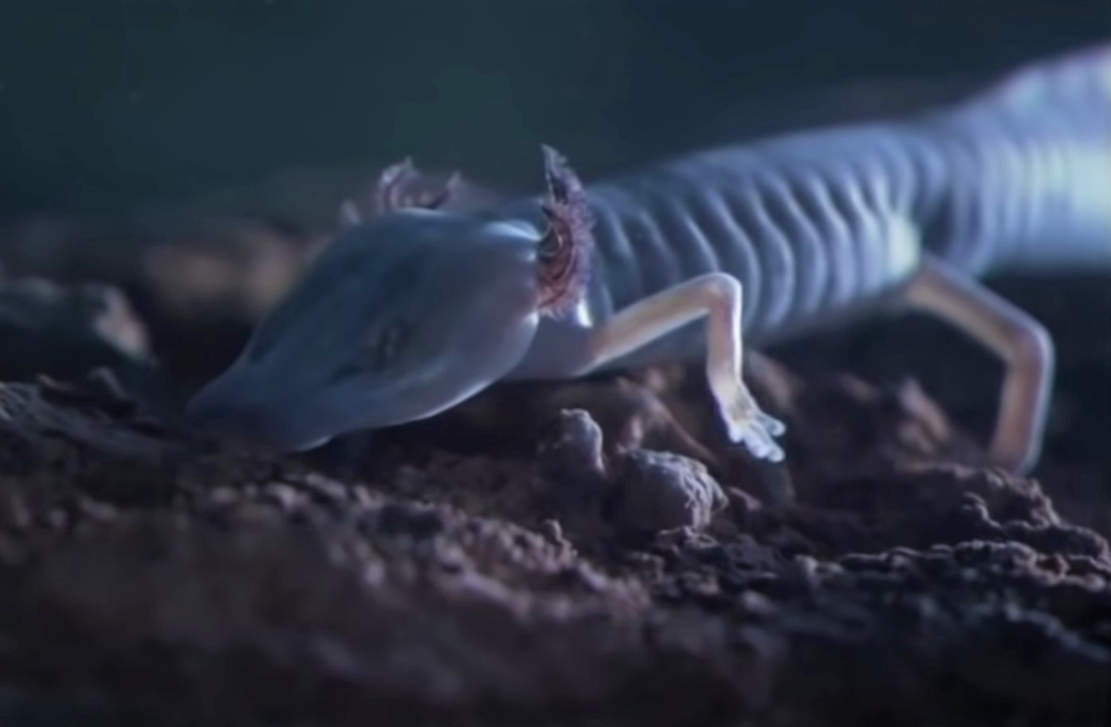
Ever feel like you know all there is to know about the animal kingdom? Think again! Our planet is teeming with creatures so bizarre, so elusive, and so wonderfully strange that they often escape our notice. Prepare to have your mind blown as we delve into the hidden corners of the world and uncover some truly fascinating animals you probably never knew existed.
It's easy to fall into the trap of thinking about the animals we see every day – our pets, the birds in our backyard, the creatures featured in nature documentaries that repeat year after year. But what about the animals that don't fit neatly into those categories? The ones that live in the deepest oceans, the densest rainforests, or the most remote mountain ranges? Often, these incredible species are overlooked, their existence unknown to most of us.
This article aims to shine a spotlight on some of these lesser-known animals, introducing you to the incredible biodiversity our planet holds and inspiring a sense of wonder and appreciation for the natural world. We will be showcasing some remarkable creatures and exploring their unique adaptations, habitats, and the challenges they face.
We're about to embark on an extraordinary journey to discover some truly astonishing animals! From the depths of the ocean to the canopies of the rainforest, we will explore the hidden corners of our planet and reveal some of the most fascinating and unique creatures you've likely never heard of. Get ready to expand your knowledge of the animal kingdom and be amazed by the incredible diversity of life on Earth. This journey will cover creatures like the Okapi, Saola, Gerenuk, Shoebill, and many more, exploring their habitats, behaviors, and conservation status.
The Okapi: A Zebra-Legged Giraffe Relative
The Okapi is an elusive creature; for years, its existence was only a rumor whispered among explorers and indigenous peoples of the Democratic Republic of Congo. It wasn’t until the early 20th century that the Okapi was officially recognized by the scientific community. I remember the first time I saw a picture of an Okapi; I was completely captivated! It looked like someone had taken the front half of a giraffe and the back half of a zebra and stitched them together! It sparked a lifelong interest in obscure and unusual animals.
The Okapi (Okapia johnstoni) is indeed related to the giraffe, belonging to the Giraffidae family. However, unlike its long-necked cousin, the Okapi has a much shorter neck, more closely resembling that of a horse. It stands about 5 feet tall at the shoulder and weighs between 440 and 770 pounds. The most striking feature of the Okapi is its zebra-like stripes on its hindquarters and upper forelegs. These stripes provide excellent camouflage in the dense rainforest undergrowth, helping the Okapi blend in with dappled sunlight and shadows. Its diet consists of leaves, buds, fruits, fungi, and clay. Okapi are primarily solitary animals, only coming together to breed. They communicate using infrasonic sounds, which are too low for humans to hear. Sadly, the Okapi is listed as endangered by the International Union for Conservation of Nature (IUCN) due to habitat loss and poaching.
The Saola: The Asian Unicorn
The Saola, often dubbed the "Asian Unicorn" due to its rarity and elusive nature, is a critically endangered bovid native to the Annamite Range of Vietnam and Laos. First discovered in 1992, it is one of the most significant large mammal discoveries of the 20th century. Its long, parallel horns and shy behavior have cemented its mythical status. Imagine the thrill of discovering a completely new large mammal species in the modern era! It highlights just how much we still have to learn about the world around us and the importance of conservation efforts to protect these hidden treasures.
The Saola (Pseudoryx nghetinhensis) is characterized by its two long, straight horns, which can reach up to 20 inches in length. Both males and females possess these horns, which run parallel to each other, giving the animal a unique and striking appearance. Its coat is a dark reddish-brown color, providing camouflage in the dense forests it inhabits. The Saola is typically about 3 feet tall at the shoulder and weighs around 200 pounds. The Saola's diet consists primarily of leaves, shoots, and other vegetation found in the understory of the forest. Saolas are known to be extremely shy and elusive, making them incredibly difficult to study in the wild. Scientists believe that they are primarily solitary animals, only coming together to mate. Due to its rarity and the challenging terrain it inhabits, very little is known about the Saola's behavior and ecology. Sadly, the Saola is critically endangered, with fewer than 100 individuals estimated to remain in the wild. Its primary threats include habitat loss from deforestation and hunting for the illegal wildlife trade.
The Gerenuk: The Giraffe Gazelle
The Gerenuk, also known as the "Giraffe Gazelle," is a long-necked antelope found in the dry bushlands of East Africa. Its name comes from the Somali word "garanug," meaning "giraffe-necked." These animals are perfectly adapted to browse on high-reaching vegetation, using their elongated necks and hind legs to reach leaves and shoots that other herbivores cannot access. As a child, I was fascinated by animals with unusual adaptations, and the Gerenuk, with its seemingly impossible neck, was definitely one of my favorites!
The Gerenuk (Litocranius walleri) is a slender antelope, standing about 3-3.5 feet tall at the shoulder and weighing between 66 and 115 pounds. Its most distinctive feature is its long, thin neck, which can measure up to 14 inches in length. This allows the Gerenuk to reach high into trees and bushes to browse on leaves and shoots. They also have long, slender legs, which further enhance their ability to reach elevated vegetation. The Gerenuk's coat is a reddish-brown color, providing camouflage in the dry bushland environment. Males have distinct curved horns, which they use for defense and competition with other males. Their diet consists primarily of leaves, shoots, buds, and fruits, and they are able to obtain much of their water from the vegetation they eat. Gerenuks are typically found in small groups or as solitary individuals. They are well adapted to arid environments and can survive for long periods without drinking water. Although their population is declining, the Gerenuk is currently listed as Near Threatened by the IUCN. Habitat loss and hunting are the main threats to their survival.
The Shoebill: The Dinosaur Bird
The Shoebill, a large, prehistoric-looking bird found in the swamps of East Africa, is a true spectacle. Its massive, shoe-shaped bill is perfectly adapted for catching fish and other aquatic prey. It’s no surprise that the Shoebill is often called a "dinosaur bird"! Just imagine encountering one of these magnificent creatures in the wild – it would be like stepping back in time!
The Shoebill (Balaeniceps rex) is a large wading bird, standing up to 5 feet tall and weighing between 8 and 15 pounds. Its most distinctive feature is its massive, shoe-shaped bill, which can measure up to 9 inches long and 4 inches wide. This unique bill is perfectly adapted for scooping up fish, frogs, and other aquatic prey from the muddy waters of its swamp habitat. The Shoebill has a bluish-gray plumage and long, slender legs, which allow it to wade through the shallow water with ease. Its diet consists primarily of fish, but it will also eat frogs, snakes, lizards, and even small mammals. Shoebills are typically solitary birds, only coming together to breed. They are known for their slow, deliberate movements and their patient hunting style. Sadly, the Shoebill is listed as vulnerable by the IUCN due to habitat loss and hunting.
Unveiling the Hidden Worlds: Beyond the Familiar
Exploring the world of lesser-known animals is like opening a door to a secret world, filled with creatures that defy our expectations and challenge our understanding of life on Earth. The Okapi, with its zebra-like stripes and giraffe-like lineage, reminds us that evolution can produce truly unique combinations of traits. The Saola, the elusive "Asian Unicorn," demonstrates how much remains to be discovered, even in well-explored regions. The Gerenuk, with its giraffe-like neck, shows us the power of adaptation to specific environments. And the Shoebill, with its prehistoric appearance, connects us to a distant past. Each of these animals has a story to tell, a lesson to teach us about the wonders of biodiversity and the importance of conservation.
Tips for Appreciating and Protecting Unknown Species
Learning about these amazing animals is just the first step. We also need to think about what we can do to help protect them. Supporting conservation organizations that work to protect these species and their habitats is a great way to make a difference. You can also educate others about these amazing animals and the challenges they face. Even small actions, like reducing your consumption of unsustainable products and supporting eco-friendly tourism, can have a positive impact.
First,educate yourself. The more you learn about these animals, the more you will appreciate them and the more motivated you will be to help protect them. Read books, watch documentaries, and follow reputable conservation organizations online. Next,support conservation organizations. Many organizations are working tirelessly to protect these animals and their habitats. Donate your time or money to these organizations to help them continue their important work. Then,advocate for conservation. Contact your elected officials and let them know that you care about protecting biodiversity. Support policies that promote conservation and sustainable development. Also,reduce your ecological footprint. Make conscious choices about your consumption habits. Reduce your use of plastic, eat sustainable food, and conserve energy. Considerspread the word. Talk to your friends, family, and colleagues about these amazing animals and the importance of conservation. The more people who are aware of these issues, the more likely we are to take action to protect them.
The Importance of Biodiversity
The existence of these "unknown" animals underscores the incredible richness and complexity of life on Earth. Biodiversity is not just about the number of species; it's about the intricate web of relationships that connect all living things. Each species plays a vital role in its ecosystem, and the loss of even one species can have cascading effects. Protecting biodiversity is essential for maintaining the health of our planet and ensuring the well-being of future generations. The more diverse an ecosystem is, the more resilient it is to change. A diverse ecosystem is better able to withstand disturbances such as climate change, pollution, and disease. Biodiversity also provides us with essential ecosystem services, such as clean air and water, pollination, and pest control.
Fun Facts About Animals You Didn’t Know Existed
Did you know that the Okapi's stripes are unique to each individual, like human fingerprints? Or that the Saola is so rare that scientists have only seen it in the wild a handful of times? The Gerenuk can stand on its hind legs to reach high branches, and the Shoebill can remain motionless for hours, waiting for its prey. These are just a few of the fascinating facts that make these animals so special. Learning about these quirky details can help us appreciate the unique adaptations and behaviors that have allowed these animals to survive in their challenging environments.
Here's another fun fact about the Okapi: they have a long, prehensile tongue that they use to strip leaves from branches and even clean their ears! The Saola's horns are so unique that they have been used to distinguish it from other species of bovids. Gerenuks can obtain most of their water from the vegetation they eat, allowing them to survive in arid environments. Shoebills are known for their unique "bill-clattering" behavior, which they use to communicate with each other. They can live up to 35 years in the wild. These fun facts are just a glimpse into the amazing world of these lesser-known animals. There is so much more to learn about them, and each new discovery brings us closer to understanding the intricate web of life on Earth.
How to Help Protect Animals You Didn’t Know Existed
Many of these animals face threats like habitat loss, poaching, and climate change. You can make a difference by supporting conservation organizations, advocating for policies that protect their habitats, and making sustainable choices in your everyday life. Every little bit helps!
Here are some practical steps you can take to help protect these animals: Support organizations working to protect their habitats. Many conservation organizations are working to protect the forests, swamps, and other habitats where these animals live. Donate to these organizations or volunteer your time to help them with their work.Advocate for policies that protect their habitats. Contact your elected officials and let them know that you care about protecting biodiversity. Support policies that promote sustainable development and protect natural areas.Reduce your consumption of products that contribute to habitat loss. Many products, such as palm oil, soy, and beef, are produced in ways that contribute to deforestation and habitat loss. Reduce your consumption of these products or choose sustainably produced alternatives.Spread the word. Talk to your friends, family, and colleagues about these amazing animals and the threats they face. The more people who are aware of these issues, the more likely we are to take action to protect them. Remember, we all have a role to play in protecting these amazing creatures and their habitats.
What If Animals You Didn’t Know Existed Disappeared?
The loss of any species has consequences for the entire ecosystem. If these "unknown" animals were to disappear, it could disrupt food chains, alter habitats, and impact the health of the planet. Preserving biodiversity is not just about saving individual species; it's about protecting the delicate balance of nature that sustains us all.
The disappearance of these animals would have a ripple effect throughout their ecosystems. The Okapi, as a browser, helps to control the growth of vegetation in the rainforest. The Saola, as a grazer, helps to maintain the health of grasslands. The Gerenuk, with its specialized browsing habits, helps to prevent overgrazing. The Shoebill, as a predator, helps to control populations of fish, frogs, and other aquatic animals. The loss of these animals would disrupt these ecological processes, leading to imbalances in the ecosystem. Other species that depend on these animals for food, shelter, or pollination would also be affected. The disappearance of these animals could also have economic consequences. Many people depend on these ecosystems for their livelihoods, through activities such as ecotourism, fishing, and farming. The loss of biodiversity could threaten these livelihoods and have a negative impact on the economy. Preserving biodiversity is essential for maintaining the health of our planet and ensuring the well-being of future generations. We must take action to protect these amazing creatures and their habitats.
Listicle of Animals You Didn’t Know Existed
Here is a quick listicle to help you remember some of these fascinating creatures:
- Okapi: The zebra-legged giraffe relative from the Congo rainforest.
- Saola: The elusive "Asian Unicorn" of Vietnam and Laos.
- Gerenuk: The giraffe-gazelle of East Africa.
- Shoebill: The prehistoric-looking bird of the East African swamps.
- Naked Mole Rat: The subterranean rodent with no pain sensitivity.
- Axolotl: The perpetually juvenile salamander from Mexico.
- Dugong: The "sea cow" of the Indo-Pacific.
- Tarsier: The tiny primate with enormous eyes.
- Blobfish: The gelatinous deep-sea fish.
- Pangolin: The scaly anteater of Africa and Asia.
These animals are just a small sample of the incredible biodiversity that exists on our planet. By learning more about these creatures and the threats they face, we can all play a role in protecting them for future generations.
Question and Answer Section About Animals You Didn’t Know Existed
Q: Why is it important to learn about lesser-known animals?
A: Learning about these animals helps us appreciate the full extent of biodiversity and understand the interconnectedness of ecosystems. It also highlights the importance of conservation efforts to protect these species and their habitats.
Q: What are some of the biggest threats facing these animals?
A: The biggest threats include habitat loss due to deforestation and agriculture, poaching for the illegal wildlife trade, and climate change.
Q: How can I help protect these animals?
A: You can support conservation organizations, advocate for policies that protect their habitats, make sustainable choices in your everyday life, and educate others about these amazing creatures.
Q: Where can I learn more about these animals?
A: You can find information on reputable websites like the IUCN Red List, the World Wildlife Fund, and the National Geographic website. You can also watch documentaries and read books about these animals.
Conclusion of Animals You Didn’t Know Existed
The world is full of incredible creatures waiting to be discovered and appreciated. By expanding our knowledge of the animal kingdom, we can foster a greater sense of responsibility towards protecting these species and their habitats. Let's continue to explore, learn, and advocate for the conservation of all life on Earth!
0 Response to "Animals You Didn’t Know Existed"
Post a Comment