The Most Mysterious Creatures of the Amazon Rainforest
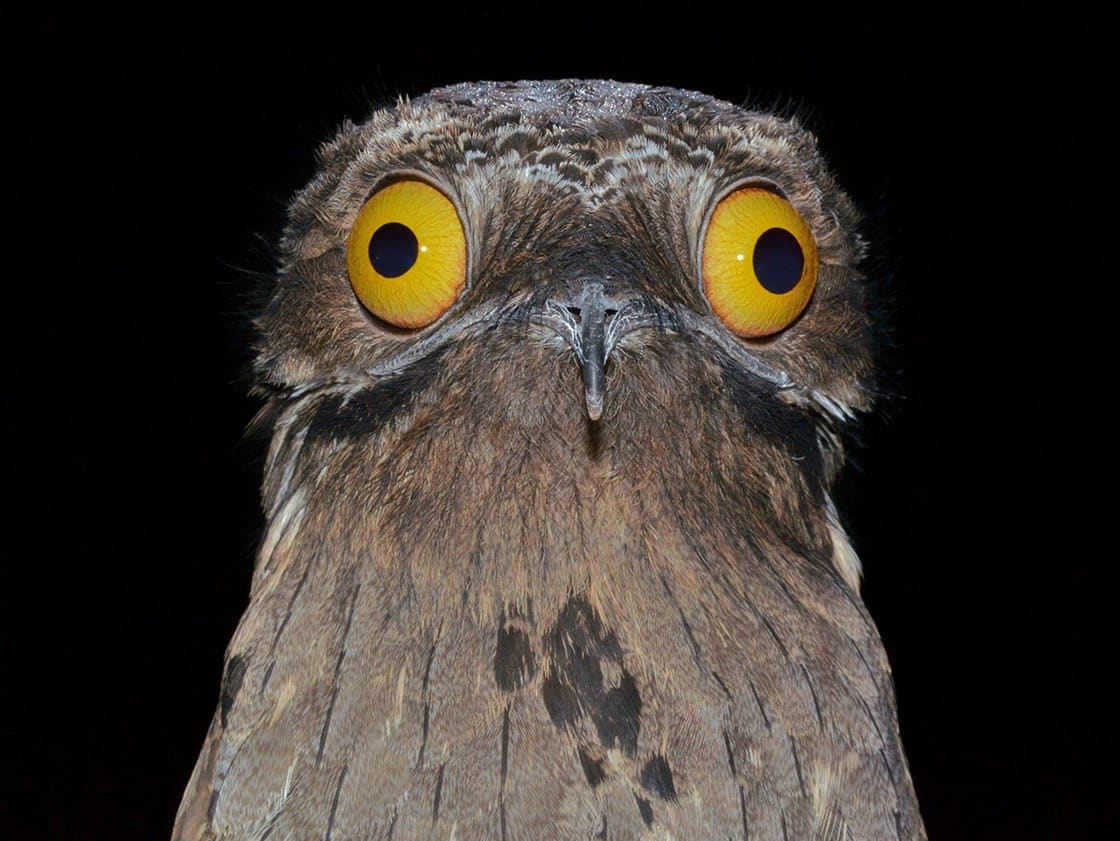
Venture into the emerald depths of the Amazon, and you'll find a world teeming with life beyond our wildest imaginations. But amongst the familiar faces of jaguars and monkeys, lurk creatures shrouded in mystery, whispered about in hushed tones by locals and dreamt of by explorers. Are you ready to uncover the secrets that this untamed wilderness holds?
We often hear about the incredible biodiversity of the Amazon, but focusing solely on the well-documented species leaves a gaping hole in our understanding. What about the creatures that evade our cameras, the ones whose existence is based on anecdotal evidence and indigenous folklore? Isn't there a whole other dimension to this ecosystem that we're missing?
This exploration delves into the realm of the unexplained within the Amazon Rainforest, seeking to shed light on the most enigmatic and elusive creatures said to inhabit its verdant heart. We'll journey through local legends, scientific anomalies, and reported sightings to paint a picture of the cryptids and undocumented species that may call this vast wilderness home.
From the Mapinguari, a giant sloth-like beast said to roam the forests, to the Curupira, a mischievous forest spirit with backward feet, and the Ahuizotl, a dog-like creature that lures its prey with cries resembling a baby, we'll examine the folklore and purported evidence surrounding these elusive beings. We'll also consider the possibility of undiscovered species, exploring the biological plausibility of their existence and the challenges of confirming their presence in such a remote and expansive environment. Get ready to question what you know about the Amazon and the creatures that may be lurking just beyond our understanding.
The Enigmatic Mapinguari
I remember reading about the Mapinguari as a child, poring over books on folklore and cryptozoology. The image of a giant, hairy humanoid creature with backward-facing feet, emitting a foul stench, both terrified and fascinated me. It felt like a monster straight out of a nightmare, yet the sheer number of reported sightings, particularly from indigenous communities, gave me pause. Could there be some truth to the legend?
The Mapinguari, often described as a giant sloth-like creature or a large ape-like hominid, is a prominent figure in Amazonian folklore. Reports describe it as being covered in thick fur, standing upright, and emitting a powerful, unpleasant odor. Some accounts even mention a second mouth on its stomach. While definitively proving the existence of the Mapinguari remains a challenge, the enduring nature of the legend, passed down through generations of indigenous peoples, is compelling. The Amazon, with its vast unexplored areas, could certainly harbor large, undiscovered mammals. It's plausible that the Mapinguari legend is rooted in sightings of an unknown primate or a surviving ground sloth, descendants of the megafauna that once roamed South America. Scientific expeditions, though often unsuccessful in providing concrete evidence, continue to explore areas where the Mapinguari is frequently reported, hoping to unravel the mystery surrounding this elusive creature. The Mapinguari highlights the gap in our knowledge of Amazonian biodiversity and the importance of listening to the insights of indigenous communities who have lived in close proximity to the rainforest for centuries. The continuous research about Amazonian biodiversity, cryptids, and indigenous folklore are still ongoing until now.
The Mischievous Curupira
The Curupira is a mythical creature deeply embedded in Brazilian folklore, described as a small, red-haired being with feet turned backward. This unique characteristic is said to be its primary defense mechanism, confusing travelers and leading them astray in the dense rainforest. The Curupira is often depicted as a protector of the forest, punishing those who disrespect nature or overexploit its resources.
What makes the Curupira so fascinating is the way it reflects the relationship between humans and the environment. The backward feet symbolize the Curupira's connection to the forest, always leading it back to its home and making it difficult for outsiders to track. The red hair is often associated with fire and energy, representing the Curupira's fiery temperament and its ability to defend the forest from harm. The Curupira legend is also a reminder of the importance of respecting the environment. It teaches that those who take more than they need or who disrespect the forest will face consequences. The Curupira's image is often used in environmental campaigns to raise awareness about deforestation and the need to protect the Amazon rainforest. The Curupira has become a powerful symbol of environmentalism and sustainability, reminding us of our responsibility to protect the planet's precious resources. The stories of the Curupira serve as a cautionary tale, encouraging us to live in harmony with nature and to respect the delicate balance of the ecosystem. Its image is now a symbol for conservation efforts across Brazil, promoting responsible stewardship of the Amazon rainforest.
The Haunting Ahuizotl
Unlike the vaguely defined Mapinguari or the trickster Curupira, the Ahuizotl is described with chilling specificity. This creature, said to inhabit lakes and rivers, is known for its dog-like appearance, often with sleek, dark fur and human-like hands. Its most terrifying attribute is its ability to mimic the cries of a distressed infant to lure unsuspecting victims to the water's edge, where it drags them down to their watery grave.
The legend of the Ahuizotl served as a warning to people about the dangers of the water and the importance of caution when venturing near lakes and rivers. It also reflected the Aztecs' deep respect for the natural world and their understanding of the interconnectedness of all living things. While the existence of the Ahuizotl has never been scientifically proven, the legend continues to resonate in Mexican culture, reminding us of the power of nature and the importance of respecting the environment. The Ahuizotl myth highlights the importance of water sources in ancient cultures and the potential dangers they presented. It also reflects a fear of the unknown and the power of the natural world to both sustain and destroy. The Ahuizotl legend, passed down through generations, serves as a reminder of the importance of respecting nature and the potential consequences of carelessness. In modern times, the Ahuizotl legend has been reinterpreted as a metaphor for the dangers of unchecked power and the importance of protecting vulnerable populations. In this way, the Ahuizotl myth continues to be relevant and meaningful in contemporary society.
Seeking Undiscovered Species
While cryptids capture the imagination, it's important to remember the very real possibility of completely undocumented species thriving within the Amazon's unexplored regions. New species of insects, plants, and even amphibians are discovered regularly, highlighting how much remains unknown about this biodiversity hotspot. Considering the vastness of the Amazon, its dense vegetation, and the limited access to certain areas, it's entirely conceivable that larger, more elusive animals could be evading detection.
The discovery of new species in the Amazon is a testament to the region's incredible biodiversity and the importance of conservation efforts. Each new species represents a unique piece of the puzzle of life on Earth and contributes to our understanding of the complex web of interactions that sustain the ecosystem. The Amazon's unexplored regions may harbor a wealth of undiscovered species, each with its own unique adaptations and ecological role. These species could hold valuable clues to understanding evolution, disease resistance, and the potential for new medicines and technologies. Preserving the Amazon rainforest is crucial for protecting this incredible biodiversity and ensuring that future generations have the opportunity to explore and learn from its wonders. Scientists are constantly developing new techniques and technologies to explore the Amazon and discover new species. Remote sensing, drone technology, and genetic analysis are all playing an increasingly important role in our understanding of the Amazon's biodiversity. The discovery of new species in the Amazon is a reminder of the importance of scientific exploration and the potential for new discoveries to transform our understanding of the world.
The Challenges of Confirmation
Confirming the existence of cryptids or undiscovered species in the Amazon is no easy task. The sheer scale of the rainforest, combined with its dense vegetation and limited infrastructure, makes traditional scientific methods extremely challenging. Obtaining clear photographic or video evidence is difficult, and physical specimens are even rarer. Many reported sightings are anecdotal, relying on eyewitness accounts that can be unreliable or subject to misinterpretation. Furthermore, the remoteness of many areas makes it difficult to conduct thorough scientific surveys and collect data.
The challenges of confirming the existence of cryptids or undiscovered species in the Amazon highlight the need for innovative approaches to scientific research. Combining traditional methods with new technologies, such as remote sensing and genetic analysis, can help to overcome some of the obstacles. Collaboration with indigenous communities, who have a deep understanding of the rainforest and its inhabitants, is also essential. By working together, scientists and local communities can increase our chances of uncovering the secrets of the Amazon and protecting its incredible biodiversity. The search for cryptids and undiscovered species in the Amazon is not just about finding new animals; it's also about understanding the limits of our knowledge and the importance of preserving the natural world. The Amazon rainforest is a vast and complex ecosystem, and there is still much that we don't know about it. By continuing to explore and study the Amazon, we can gain a deeper understanding of the planet and our place within it. The ongoing research efforts regarding confirmation of the Amazonian cryptids and undiscovered species are really interesting.
Tips for Aspiring Cryptozoologists
For those fascinated by the possibility of undiscovered creatures lurking within the Amazon, there are a few key principles to keep in mind. First, approach any investigation with a healthy dose of skepticism. Extraordinary claims require extraordinary evidence. Second, prioritize gathering credible evidence, such as clear photographs, videos, or physical specimens. Anecdotal accounts, while valuable, should be treated with caution. Third, respect the local culture and traditions. Indigenous communities often possess invaluable knowledge about the rainforest and its inhabitants. Finally, prioritize the safety of yourself and the environment. The Amazon is a dangerous place, and it's important to be prepared for the challenges.
Aspiring cryptozoologists should also be aware of the ethical considerations involved in studying cryptids and undiscovered species. It's important to avoid disturbing or harming any potential creatures and to respect their natural habitat. Collaboration with local communities is essential to ensure that any research is conducted in a responsible and sustainable manner. Aspiring cryptozoologists should also be prepared for the possibility that they may never find definitive proof of a cryptid's existence. The search for undiscovered creatures is often a long and arduous process, and it requires patience, perseverance, and a willingness to accept uncertainty. However, the potential rewards are great: the discovery of a new species could revolutionize our understanding of the natural world and inspire new conservation efforts. The journey toward finding what is hidden in the Amazon is a calling for many scientists and local communities.
Embrace the Unknown
Ultimately, the search for mysterious creatures in the Amazon is a testament to the enduring power of human curiosity and our fascination with the unknown. Whether or not we ever definitively prove the existence of cryptids like the Mapinguari or undiscovered species of large mammals, the pursuit itself is valuable. It drives scientific exploration, encourages collaboration with indigenous communities, and reminds us of the vastness and mystery of the natural world.
The search for the unknown in the Amazon is not just about finding new animals; it's also about understanding the limits of our knowledge and the importance of preserving the natural world. The Amazon rainforest is a vast and complex ecosystem, and there is still much that we don't know about it. By continuing to explore and study the Amazon, we can gain a deeper understanding of the planet and our place within it. The unknown is something that fuels the human spirit to discover and understand the beauty of Earth. The Amazon's mysterious charm makes everyone want to research and see what is hidden.
Fun Facts About Amazonian Mysteries

Did you know that some scientists believe the Mapinguari legend may be based on surviving ground sloths, extinct megafauna that once roamed South America? Or that the Curupira's backward feet are not only a defensive mechanism but also a symbol of its connection to the forest? The Ahuizotl's name comes from the Nahuatl word for "thorny water dog," referencing its supposed spiky fur. The search for cryptids in the Amazon has even inspired fictional works of literature and film, further fueling our fascination with the unknown.
The Amazon is a treasure trove of fascinating facts and intriguing mysteries. The rainforest is home to an estimated 10% of the world's known species, making it one of the most biodiverse regions on Earth. The Amazon River is the second-longest river in the world and contains about 20% of the world's freshwater. The Amazon rainforest plays a crucial role in regulating the global climate, absorbing vast amounts of carbon dioxide and releasing oxygen. The Amazon is also home to numerous indigenous communities, each with its own unique culture and traditions. Exploring the Amazon is an adventure that will leave you with a sense of wonder and appreciation for the natural world. There are many things in the Amazon that remain mysterious to this day. The stories and myths behind these things will be forever told.
How to Explore the Amazon Responsibly

If you're planning a trip to the Amazon, it's essential to do so responsibly and sustainably. Choose tour operators that prioritize environmental conservation and support local communities. Respect the local culture and traditions, and avoid disturbing or harming any wildlife. Pack out all your trash and minimize your impact on the environment. By following these guidelines, you can help ensure that the Amazon remains a pristine and biodiverse region for generations to come.
Sustainable tourism in the Amazon is not only good for the environment; it's also good for the local economy. By supporting local businesses and communities, you can help to create jobs and improve the quality of life for those who live in the region. Sustainable tourism also helps to preserve the Amazon's cultural heritage and ensure that future generations can experience the beauty and wonder of this incredible place. Sustainable travel to the Amazon is a way to see and appreciate the beauty of Earth without harming its nature. Many people are traveling to the Amazon to escape their busy lives.
What If We Discovered a New Cryptid?
Imagine the scientific and cultural implications of definitively proving the existence of a previously unknown cryptid in the Amazon. It would revolutionize our understanding of biodiversity, challenge existing evolutionary theories, and inspire a new wave of conservation efforts. It would also raise ethical questions about our responsibility to protect these newly discovered creatures and their habitat. The discovery of a new cryptid would undoubtedly be a landmark event in the history of science and exploration.
The discovery of a new cryptid would also have a profound impact on the local communities who have long known about the creature. Their knowledge and traditions would be validated, and they would play a crucial role in protecting the new species and its habitat. The discovery of a new cryptid would also spark a renewed interest in cryptozoology and encourage more people to explore the mysteries of the natural world. The impact of discovering a new creature in the Amazon would be long-lasting. Every explorer or scientist is hoping to discover new facts about our world.
Top 5 Mysterious Creatures of the Amazon

Here's a quick list of the most talked-about mysterious creatures in the Amazon rainforest:
- Mapinguari: The giant, hairy humanoid
- Curupira: The mischievous forest spirit with backward feet
- Ahuizotl: The water-dwelling creature that mimics a baby's cries
- Yacumama: A colossal serpent said to inhabit rivers and lakes
- Iara: A siren-like figure that lures men to their doom
These creatures represent just a small fraction of the mysteries that lurk within the Amazon rainforest. The vastness of the region and the complexity of its ecosystem mean that there is still much to be discovered. The Amazon continues to capture our imagination and inspire us to explore the unknown. These are creatures that are passed on to generations through stories and myths. The origin of these creatures remains a mystery.
Question and Answer about The Most Mysterious Creatures of the Amazon Rainforest

Q: Are these creatures dangerous?
A: It's difficult to say definitively. Some, like the Ahuizotl, are described as actively hunting humans. Others, like the Mapinguari, are said to be aggressive if provoked. However, most of the creatures are only dangerous if they are being provoked.
Q: Is there any real evidence for their existence?
A: The evidence is largely anecdotal, consisting of eyewitness accounts and folklore. There is no definitive scientific proof for the existence of these creatures, but it doesn't mean that these creatures are not in existence.
Q: What can I do to help protect the Amazon rainforest?
A: Support sustainable tourism, reduce your consumption of products that contribute to deforestation, and donate to organizations working to protect the Amazon.
Q: Where can I learn more about these creatures?
A: There are many books, websites, and documentaries that explore the topic of cryptozoology and Amazonian folklore. You can also consult with indigenous communities to learn more about their traditional knowledge.
Conclusion of The Most Mysterious Creatures of the Amazon Rainforest

The Amazon Rainforest remains a realm of wonder, mystery, and perhaps, undiscovered creatures. Whether rooted in folklore, misidentification, or actual undiscovered species, the stories of these enigmatic beings remind us that there is still much to learn about our planet. By approaching these mysteries with a blend of skepticism, respect, and a thirst for knowledge, we can continue to explore the depths of the Amazon and unravel its secrets, ensuring the preservation of this incredible ecosystem for generations to come. The mysterious creatures that are said to live in the Amazon continue to capture the imagination of the human spirit. They inspire curiosity and encourage exploration, leading to new discoveries and understanding. The Amazon Rainforest has been and will always be the home of the most diverse kinds of species that exist on Earth.
0 Response to "The Most Mysterious Creatures of the Amazon Rainforest"
Post a Comment