Why You Should Never Kill a House Spider
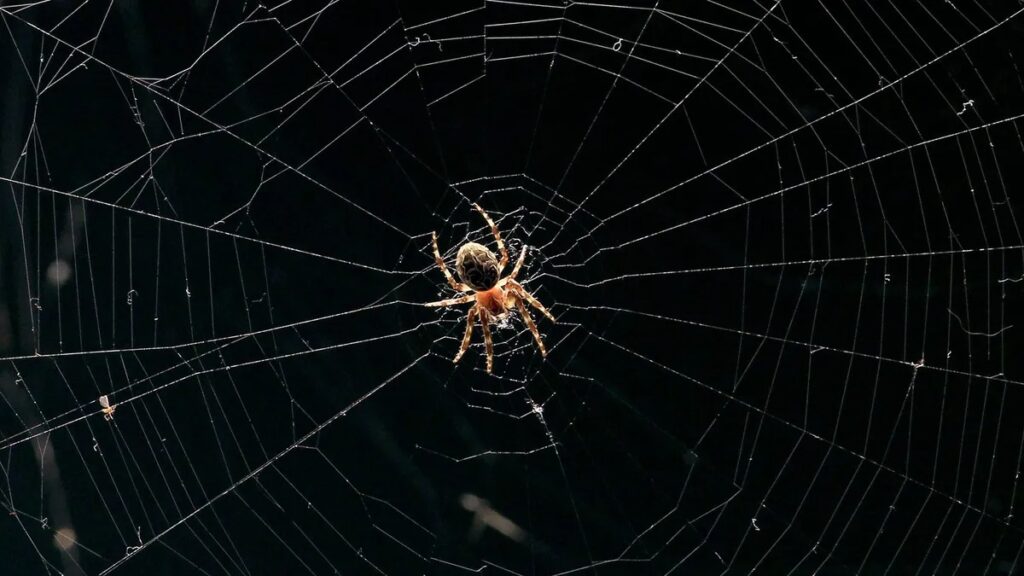
As the weather starts to cool down, you may notice an increase in eight-legged visitors in your home. Yes, we're talking about house spiders. While it's natural to feel uneasy or even frightened by these unwanted guests, it's essential to understand the importance of coexisting with them. In this article, we'll explore the reasons why you should never kill a house spider and the benefits they bring to your home.
What Do House Spiders Do?
House spiders are generally harmless to humans and play a vital role in maintaining the ecosystem within your home. They feed on insects, other spiders, and even small flies, helping to keep the bug population under control. This means that by having house spiders around, you'll have fewer annoying insects buzzing around your head or landing on your food. They're like tiny, eight-legged bodyguards, working tirelessly to protect you from unwanted pests.
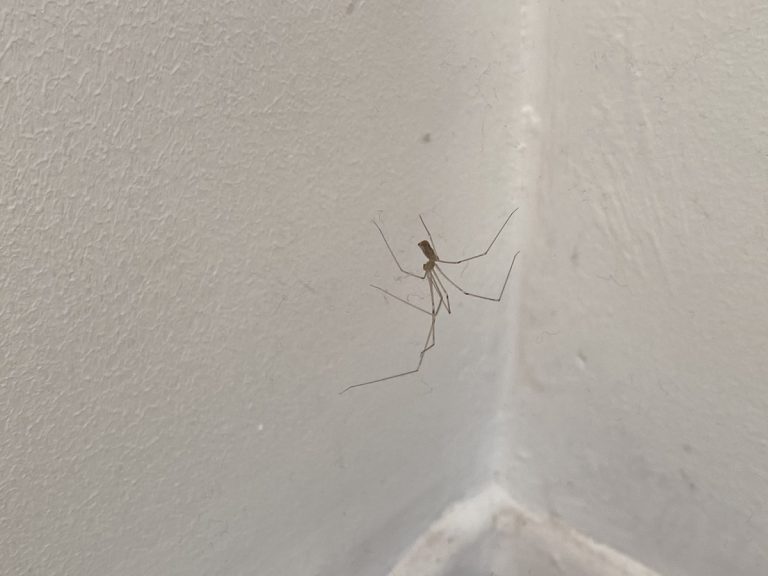
One of the most common types of house spiders is the daddy long legs spider. These spiders are known for their long, thin legs and small bodies. They're often found in corners, ceilings, and walls, where they spin their webs to catch prey. Despite their intimidating appearance, daddy long legs spiders are harmless to humans and are actually quite beneficial to have around.
 Why You Should Never Kill a House Spider What Do House Spiders Do" loading="lazy" style="max-width:700px;width:100%;height:auto;border-radius:8px;">
The Benefits of House Spiders
So, why should you never kill a house spider? For starters, they're a natural form of pest control. By allowing them to live in your home, you'll have fewer insects to deal with, which means less damage to your property and fewer annoying bites or stings. House spiders are also a food source for other animals, such as birds, lizards, and even other spiders. By preserving the house spider population, you're supporting the local food chain and maintaining the balance of nature.
Another benefit of house spiders is their ability to indicate the presence of other pests. If you notice a large number of house spiders in your home, it may be a sign that you have a more significant pest problem on your hands. For example, if you see a lot of house spiders in your kitchen, it could mean that you have a cockroach or ant infestation. By paying attention to the number of house spiders and their behavior, you can identify potential pest problems early on and take steps to address them.
/effective-tips-for-controlling-house-spiders-2656497-ADD-COLOR-477c952b5c9441a7a7f30a4bc67d1b32.png)
Myths About House Spiders
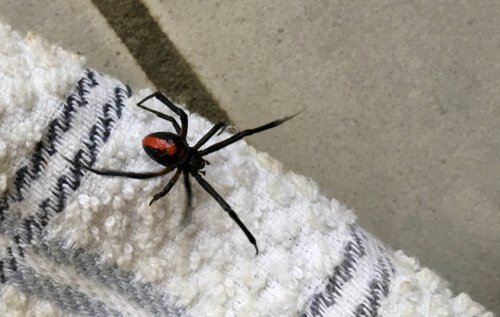
There are many myths and misconceptions surrounding house spiders. One of the most common myths is that they're poisonous or venomous. While it's true that some species of house spiders can bite, their venom is generally harmless to humans. In fact, most house spiders are not aggressive and will only bite in self-defense. Another myth is that house spiders are dirty or carry diseases. This couldn't be further from the truth. House spiders are actually very clean animals and are not known to carry any diseases that can be transmitted to humans.
Despite these myths, many people still view house spiders as a nuisance or a pest. However, by understanding the importance of these eight-legged creatures, we can learn to coexist with them and even appreciate the benefits they bring to our homes. So, the next time you see a house spider scurrying across your floor or spinning a web in the corner of your room, remember that they're not the enemy. They're actually tiny, unsung heroes working to keep your home pest-free and balanced.
How to Coexist with House Spiders
So, how can you coexist with house spiders and make the most of their benefits? For starters, try to avoid killing them. Instead, gently guide them outside or relocate them to a different area of your home. You can also create a spider-friendly environment by providing them with food and shelter. This can be as simple as leaving a few insects or flies around for them to feed on or creating a spider hotel using a wooden block or other materials.
Another way to coexist with house spiders is to seal off any entry points or cracks in your home. This will help to prevent other pests from entering and reduce the number of insects that house spiders feed on. You can also use natural pest control methods, such as essential oils or diatomaceous earth, to keep other pests under control. By working together with house spiders, you can create a balanced and pest-free environment that benefits both you and these eight-legged creatures.
Conclusion
In conclusion, house spiders are not the enemy, but rather tiny, unsung heroes working to keep your home pest-free and balanced. By understanding the importance of these eight-legged creatures and the benefits they bring, we can learn to coexist with them and even appreciate their presence. So, the next time you see a house spider, remember that they're not something to be feared or killed, but rather something to be respected and appreciated. By working together with house spiders, we can create a more balanced and harmonious environment that benefits both humans and animals alike.
As we've explored in this article, house spiders play a vital role in maintaining the ecosystem within our homes. They feed on insects, other spiders, and even small flies, helping to keep the bug population under control. By preserving the house spider population, we're supporting the local food chain and maintaining the balance of nature. So, let's give it up for these tiny, eight-legged heroes and do our part to protect and preserve them.
By now, you should have a newfound appreciation for house spiders and the important role they play in our ecosystem. Whether you're a seasoned arachnophile or just starting to learn about these fascinating creatures, it's essential to remember that they're not something to be feared or killed. Instead, they're tiny, unsung heroes working tirelessly to keep our homes pest-free and balanced. So, the next time you see a house spider, take a moment to appreciate their importance and the benefits they bring to our lives.
0 Response to "Why You Should Never Kill a House Spider"
Post a Comment