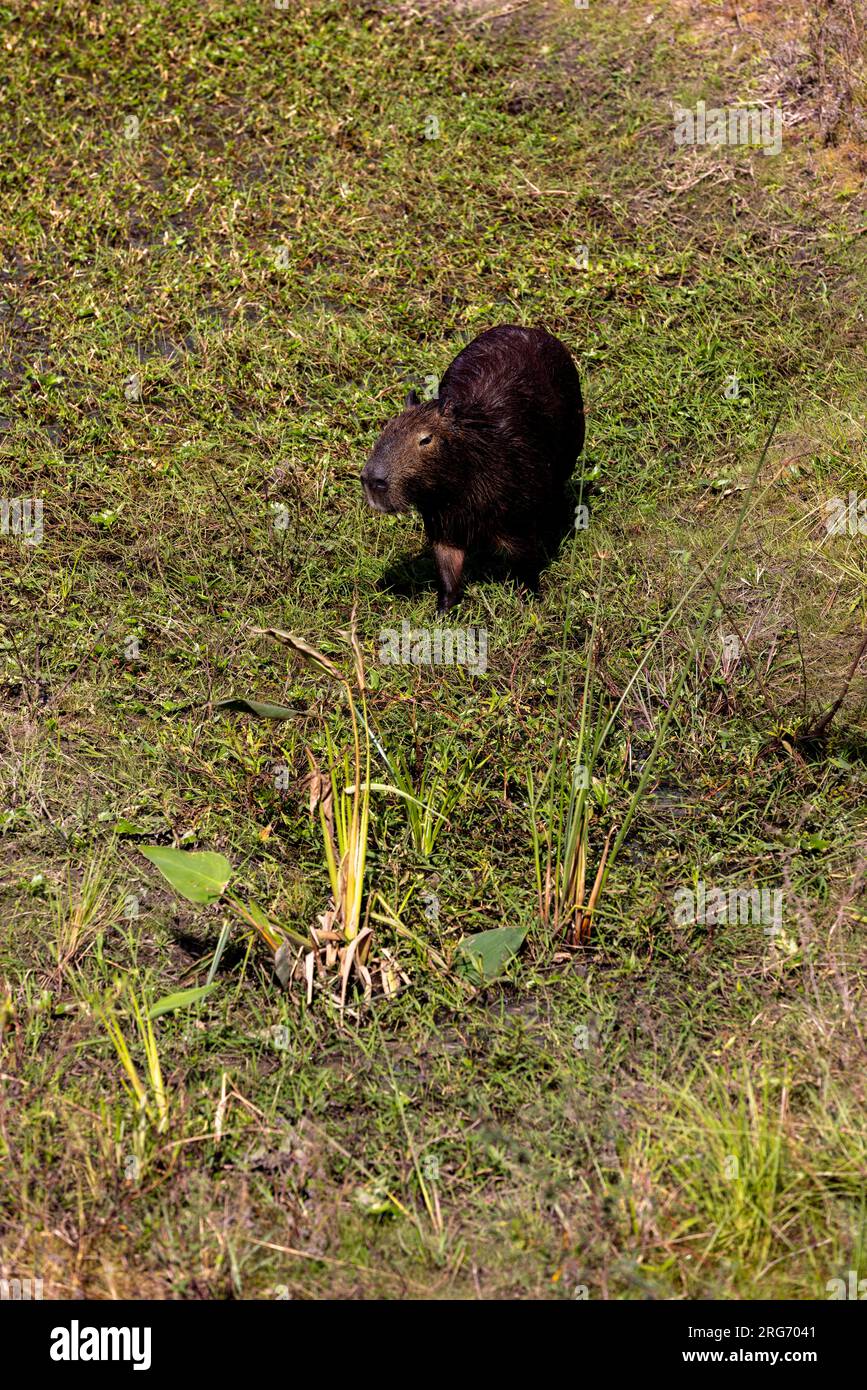
When it comes to unique and fascinating creatures, the capybara is definitely one of the most interesting animals you'll come across. As the world's largest rodent, the capybara is a semi-aquatic mammal that can be found in various parts of South America. But have you ever wondered where exactly these amazing creatures call home? In this article, we'll take a journey to explore the habitats and regions where capybaras can be found, and what makes these places so special for them.
Introduction to Capybara Habitats
Capybaras are native to South America, and their habitats range from dense forests to grasslands and wetlands. They are found in a variety of freshwater environments, including rivers, lakes, and swamps, as well as in brackish water environments, such as estuaries and mangrove swamps. These creatures are highly adaptable and can thrive in different types of environments, as long as there is access to water and plenty of vegetation to eat.
 can capybaras be found Introduction to Capybara Habitats" loading="lazy" style="max-width:700px;width:100%;height:auto;border-radius:8px;">
South American Countries with Capybara Populations
Capybaras are found in several countries in South America, including Argentina, Uruguay, Brazil, Colombia, and Venezuela. In Argentina, they are commonly found in the eastern and central regions, particularly in the provinces of Buenos Aires, Santa Fe, and Entre Rios. In Uruguay, they are widespread throughout the country, while in Brazil, they are found in the southern and southeastern regions, particularly in the states of Rio Grande do Sul, Santa Catarina, and Paraná.

In Colombia, capybaras are found in the eastern and central regions, particularly in the departments of Meta, Casanare, and Vichada. In Venezuela, they are found in the western and central regions, particularly in the states of Apure, Barinas, and Guarico. These countries offer a range of habitats that are suitable for capybaras, from dense forests to grasslands and wetlands. The climate and geography of these regions provide the perfect conditions for capybaras to thrive, with plenty of food, water, and shelter.
Capybara Habitats in the Wild
In the wild, capybaras can be found in a variety of habitats, including grasslands, savannas, and wetlands. They are highly social creatures and live in large groups, called "herds", which can range from 10 to 100 individuals. These herds are usually led by a dominant male, and they work together to protect their territory and find food. Capybaras are herbivores and feed on a variety of plants, including grasses, aquatic plants, and fruit.
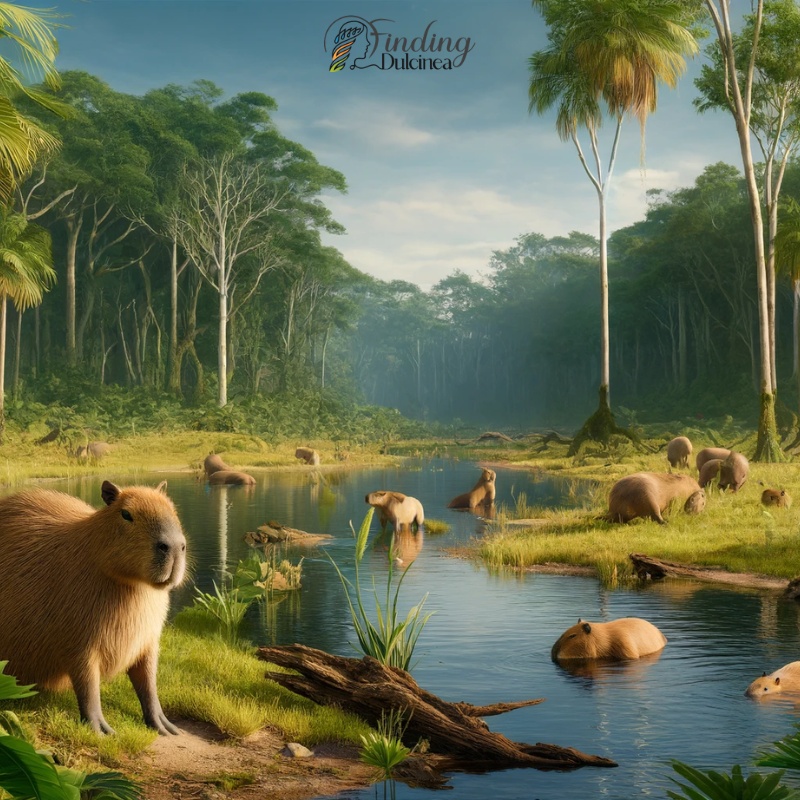
In their natural habitats, capybaras play a crucial role in shaping their ecosystems. They help to disperse seeds, create pathways through dense vegetation, and even contribute to the formation of new waterways. Their burrowing activities also help to aerate the soil and create habitats for other animals. In addition, capybaras are an important food source for many predators, including jaguars, pumas, and caimans. As a result, they play a vital role in maintaining the balance of their ecosystems.
Capybara Conservation Status
Despite their adaptability and ability to thrive in different environments, capybaras are facing several threats to their survival. Habitat loss and fragmentation, hunting, and climate change are all major concerns for capybara populations. In some countries, capybaras are hunted for their meat and hide, while in others, they are seen as pests and are persecuted by farmers.

As a result, conservation efforts are underway to protect capybara populations and their habitats. National parks and protected areas have been established in several countries to provide a safe haven for capybaras and other wildlife. In addition, education and outreach programs are being implemented to raise awareness about the importance of capybara conservation and the threats they face. By working together, we can help to protect these amazing creatures and the ecosystems they inhabit.
Interesting Facts about Capybaras
Capybaras are truly fascinating creatures, and there's more to them than just their impressive size. Here are a few interesting facts about capybaras: they are excellent swimmers and can stay underwater for up to 5 minutes, they have a highly developed sense of smell and can detect predators from far away, and they are very social creatures and live in large groups. They are also very intelligent and have been observed using tools, such as sticks, to help them gather food.

In addition, capybaras have a unique communication system that involves a variety of clicks, whistles, and grunts. They are also very clean animals and spend a lot of time grooming themselves and each other. In the wild, capybaras can live for up to 10 years, although their average lifespan is around 5-6 years. In captivity, they can live for up to 12 years with proper care and management.
Capybaras in Captivity
Capybaras are sometimes kept in captivity, such as in zoos and wildlife sanctuaries. In these environments, they are provided with a safe and suitable habitat, complete with plenty of space to swim and forage. Capybaras in captivity are also given a diet that is tailored to their specific needs, and they receive regular veterinary care to ensure their health and well-being. [IMAGE]
However, keeping capybaras in captivity can be challenging, as they require a lot of space and specialized care. They are also very social creatures and need to be kept in groups, which can be difficult to manage in a captive environment. In addition, capybaras are prone to certain health problems, such as respiratory infections and parasites, which can be difficult to treat in captivity.
In conclusion, capybaras are fascinating creatures that can be found in various parts of South America. Their habitats range from dense forests to grasslands and wetlands, and they are highly adaptable to different environments. However, they are facing several threats to their survival, including habitat loss and fragmentation, hunting, and climate change. By learning more about these amazing creatures and the ecosystems they inhabit, we can work together to protect and conserve them for future generations.
So, next time you're exploring the outdoors or visiting a zoo or wildlife sanctuary, be sure to keep an eye out for these incredible animals. With their unique appearance and fascinating behavior, capybaras are sure to capture your heart and imagination. And who knows, you might just learn something new and interesting about these amazing creatures. [IMAGE]