
As a pet owner, you've probably spent countless hours observing your furry friend's behavior, trying to decipher what they're thinking and feeling. One fascinating aspect of your pet's behavior is their sleeping position. Yes, you read that right - the way your pet sleeps can reveal a lot about their personality, temperament, and even their health. In this article, we'll delve into the world of pet sleep positions and explore what they can tell us about our beloved companions.
Understanding Pet Sleep Positions
Before we dive into the different sleep positions, it's essential to understand that pets, like humans, have unique personalities and quirks that can influence their sleeping habits. Factors such as breed, age, health, and environment can all impact the way your pet sleeps. For example, a puppy may sleep in a curled-up position to conserve heat and feel secure, while an older dog may prefer to stretch out to alleviate joint pain.

Observing your pet's sleep position can provide valuable insights into their emotional state and physical well-being. For instance, a pet that sleeps with their paws tucked in may be feeling anxious or stressed, while a pet that sleeps with their paws splayed out may be feeling relaxed and comfortable. By paying attention to these subtle cues, you can better understand your pet's needs and provide them with the care and support they require.
The Curled-Up Position
The curled-up position, also known as the "fetal position," is a common sleep position for many pets, especially dogs and cats. This position is characterized by the pet curling up into a ball, with their paws tucked in and their nose buried in their tail. This position is often a sign of comfort and security, as it allows the pet to feel protected and enclosed. Pets that sleep in this position may be feeling anxious or stressed, and are seeking a sense of safety and reassurance.
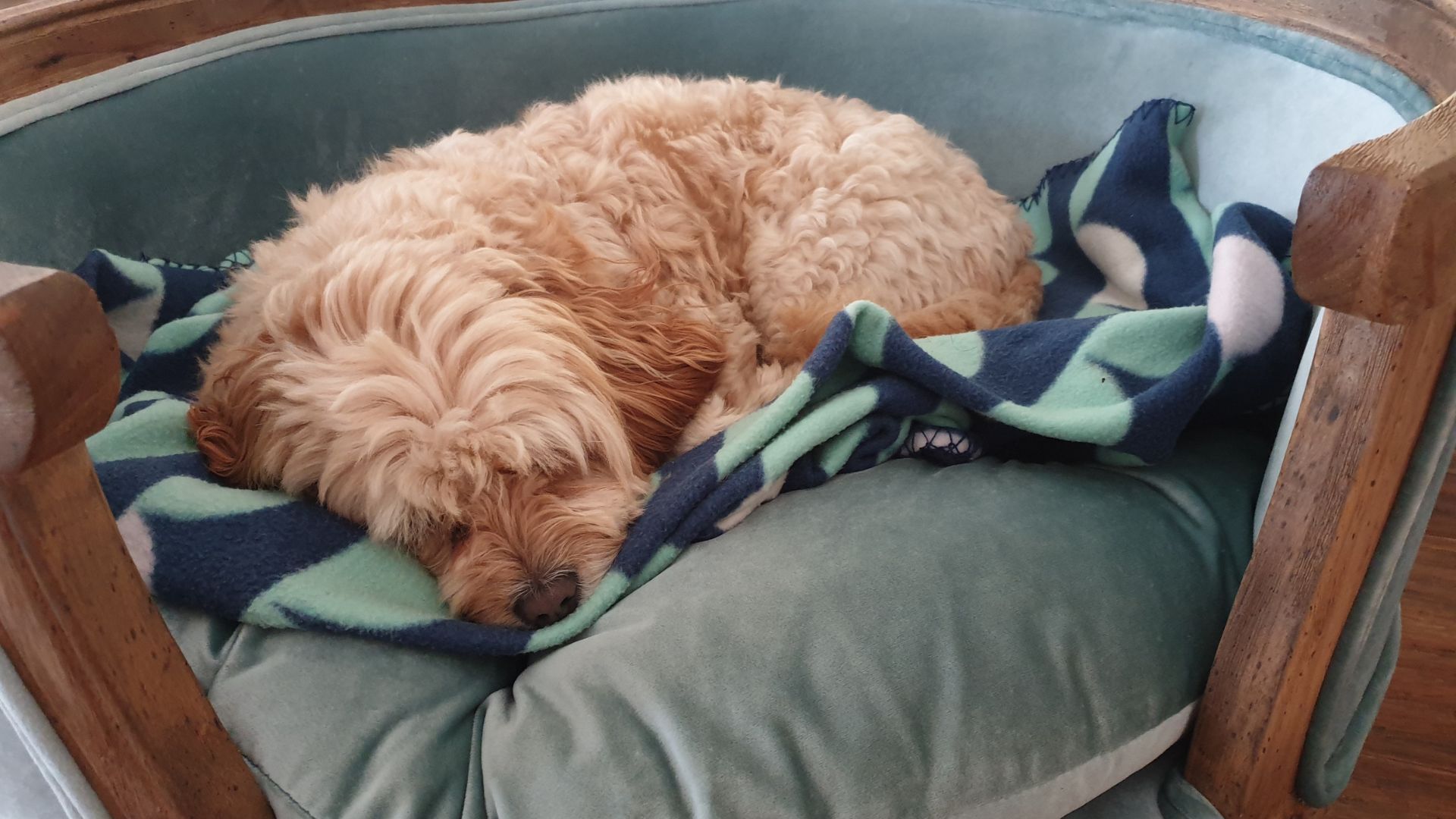
However, it's essential to note that the curled-up position can also be a sign of physical discomfort or pain. Pets that are experiencing joint pain or arthritis may sleep in this position to alleviate their discomfort. If you notice that your pet is sleeping in this position more frequently, it may be a sign that they're experiencing some underlying health issues that need to be addressed.
The Stretched-Out Position
The stretched-out position, also known as the "relaxed position," is another common sleep position for pets. This position is characterized by the pet stretching out their body, with their paws splayed out and their head resting on the ground. This position is often a sign of relaxation and comfort, as it allows the pet to release tension and unwind. Pets that sleep in this position may be feeling calm and content, and are not experiencing any significant stress or anxiety.

However, it's worth noting that the stretched-out position can also be a sign of overconfidence or dominance. Pets that sleep in this position may be asserting their dominance or trying to establish their territory. If you notice that your pet is sleeping in this position more frequently, it may be a sign that they're feeling confident and secure in their environment.
The Side-Sleeping Position
The side-sleeping position is a common sleep position for many pets, especially dogs. This position is characterized by the pet sleeping on their side, with their paws tucked in and their head resting on the ground. This position is often a sign of trust and vulnerability, as it allows the pet to expose their belly and feel safe and protected. Pets that sleep in this position may be feeling secure and comfortable in their environment, and are not experiencing any significant stress or anxiety.
However, it's essential to note that the side-sleeping position can also be a sign of physical discomfort or pain. Pets that are experiencing hip or joint pain may sleep in this position to alleviate their discomfort. If you notice that your pet is sleeping in this position more frequently, it may be a sign that they're experiencing some underlying health issues that need to be addressed.
The Back-Sleeping Position
The back-sleeping position is a less common sleep position for pets, but it can still provide valuable insights into their behavior and personality. This position is characterized by the pet sleeping on their back, with their paws in the air and their head resting on the ground. This position is often a sign of confidence and relaxation, as it allows the pet to expose their belly and feel safe and protected. Pets that sleep in this position may be feeling calm and content, and are not experiencing any significant stress or anxiety.
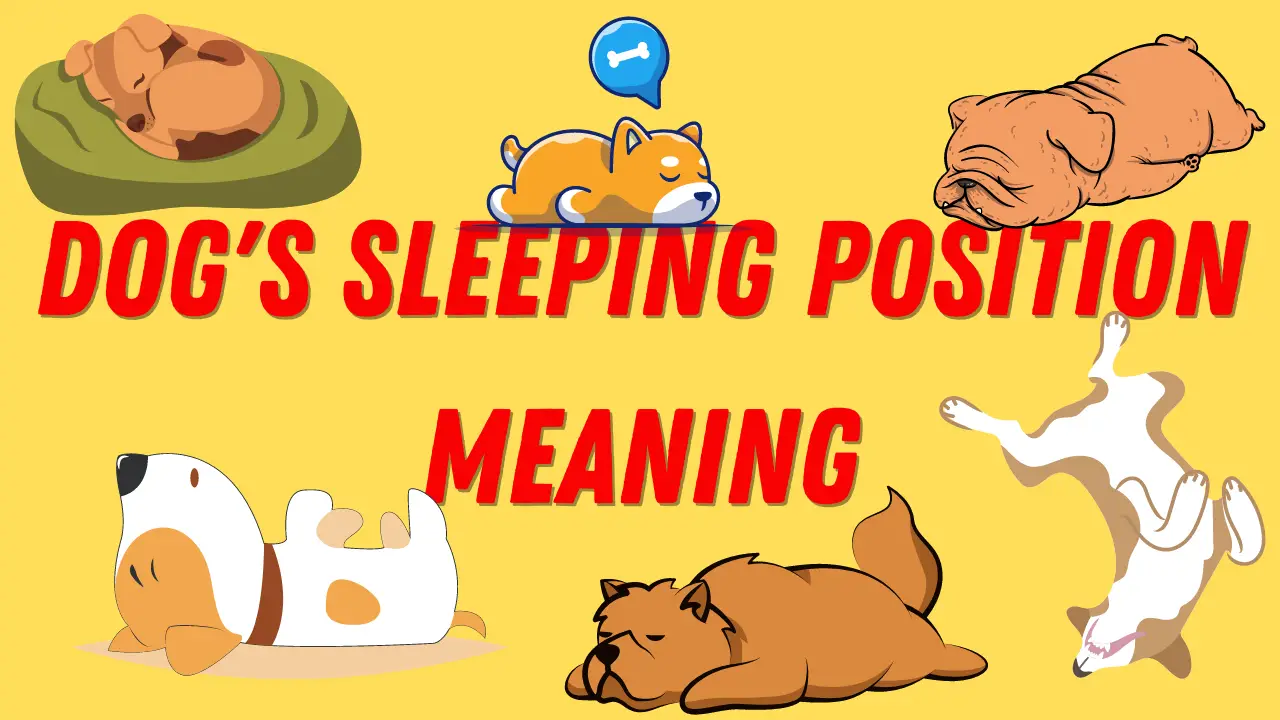
However, it's worth noting that the back-sleeping position can also be a sign of overconfidence or dominance. Pets that sleep in this position may be asserting their dominance or trying to establish their territory. If you notice that your pet is sleeping in this position more frequently, it may be a sign that they're feeling confident and secure in their environment.
The Importance of Observing Pet Sleep Positions
Observing your pet's sleep position can provide valuable insights into their behavior, personality, and health. By paying attention to these subtle cues, you can better understand your pet's needs and provide them with the care and support they require. Whether your pet is sleeping in a curled-up position, stretched-out position, or side-sleeping position, it's essential to recognize the underlying reasons for their behavior and take steps to address any potential issues.
For example, if you notice that your pet is sleeping in a curled-up position more frequently, you may want to provide them with a comfortable and secure sleeping space, such as a crate or a cozy bed. You can also try to reduce their stress and anxiety by providing them with plenty of exercise, playtime, and attention. On the other hand, if you notice that your pet is sleeping in a stretched-out position more frequently, you may want to provide them with plenty of space to relax and unwind, such as a large bed or a comfortable mat.
By observing your pet's sleep position and taking steps to address any potential issues, you can help them feel more comfortable, secure, and relaxed. This can lead to a range of benefits, including improved sleep quality, reduced stress and anxiety, and a stronger bond between you and your pet. So next time you catch your pet snoozing, take a closer look at their sleep position and see what it can tell you about their behavior, personality, and health.
In conclusion, the way your pet sleeps can reveal a lot about their personality, temperament, and health. By observing their sleep position and recognizing the underlying reasons for their behavior, you can provide them with the care and support they require. Whether your pet is a dog, cat, or other animal, it's essential to pay attention to their sleep position and take steps to address any potential issues. With a little patience, observation, and care, you can help your pet feel more comfortable, secure, and relaxed, and strengthen your bond with them in the process.
