
For centuries, humans have been fascinated by the haunting sound of wolves howling at the moon. It's a phenomenon that has captivated our imagination, inspiring countless stories, myths, and legends. But have you ever stopped to think about the real reason why wolves howl at the moon? Is it really a primal urge to sing to the lunar gods, or is there something more practical behind this behavior? In this article, we'll delve into the fascinating world of wolf communication and explore the science behind their haunting howls.
Debunking the Myths
Let's start by dispelling some common myths surrounding wolf howls. One of the most enduring legends is that wolves howl at the moon because they're trying to communicate with their lunar overlords. While this idea might make for a great fantasy novel, it's not based in reality. In fact, wolves don't howl specifically at the moon at all. They howl for a variety of reasons, and the moon just happens to be a convenient backdrop for their vocalizations.
Communication and Social Bonding
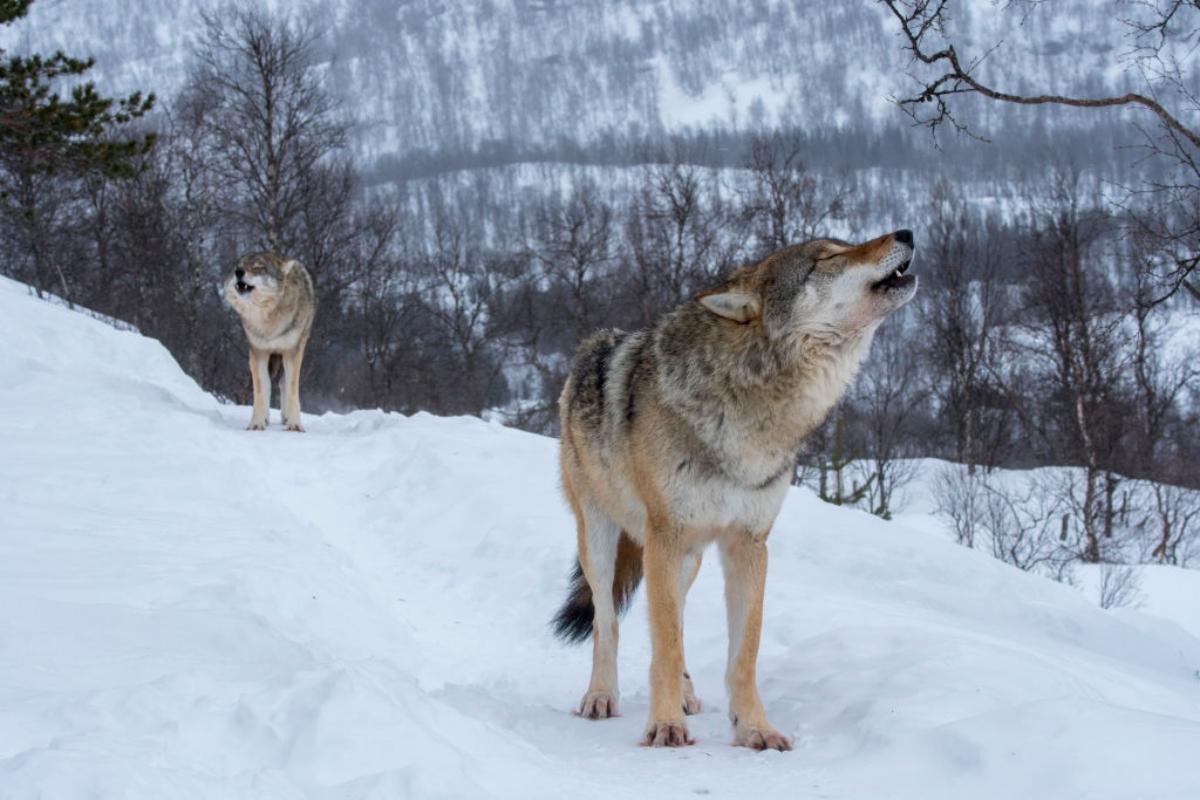
So, why do wolves howl in the first place? The answer lies in their complex social dynamics. Wolves are highly social animals that live in hierarchical packs, and howling is one of their primary means of communication. By howling, wolves can convey a range of information, from their location and identity to their emotional state and intentions. Howling also serves as a way to strengthen social bonds within the pack, reinforcing relationships and establishing a sense of unity and cooperation. In a way, you could think of howling as a kind of wolfish team-building exercise.
But howling isn't just about social bonding; it's also a crucial tool for long-distance communication. Wolves have a highly developed sense of hearing, and their howls can carry for miles, allowing them to convey messages to other wolves in the area. This is especially important for packs that are spread out over large territories, as it enables them to stay in touch and coordinate their activities.

The Science of Howling
So, what makes a wolf's howl so unique and haunting? The answer lies in the physics of sound production. When a wolf howls, it uses its vocal cords to produce a low-frequency sound wave, typically in the range of 80-150 Hz. This low frequency gives the howl its characteristic mournful quality, and allows it to carry long distances without being attenuated by the atmosphere. But that's not all - wolves also use a technique called "modulation" to add a unique signature to their howls, making it possible for other wolves to identify the individual howling.
The Role of the Moon
So, what about the moon? Does it really play a role in wolf howling, or is it just a coincidence that wolves often howl at night when the moon is visible? The answer is a bit of both. While wolves don't howl specifically at the moon, the lunar cycle can influence their behavior in subtle ways. For example, the full moon can provide a convenient source of illumination, allowing wolves to hunt and travel more easily at night. This, in turn, can increase the likelihood of howling, as wolves are more active and communicative when they're on the move.

However, it's worth noting that the relationship between wolf howling and the moon is still a topic of debate among scientists. Some studies have suggested that wolves may howl more frequently during the full moon, while others have found no correlation whatsoever. Ultimately, the truth is likely to be complex and multifaceted, reflecting the intricate interplay between wolf behavior, lunar cycles, and environmental factors.
Conservation Implications
As we continue to learn more about wolf behavior and communication, it's essential to consider the conservation implications of our findings. Wolves are an iconic and ecologically important species, playing a vital role in maintaining the balance of their ecosystems. However, they're also highly vulnerable to human activities such as habitat destruction, hunting, and climate change. By understanding the complex social dynamics and communication patterns of wolves, we can better appreciate the importance of preserving their habitats and protecting their populations.
The Future of Wolf Research
As we move forward in our understanding of wolf behavior and ecology, it's clear that there's still much to be learned. New technologies and research methods are allowing scientists to study wolves in greater detail than ever before, from GPS tracking and camera traps to advanced audio recording equipment and machine learning algorithms. These tools are enabling us to gain a more nuanced understanding of wolf social dynamics, habitat use, and communication patterns, and are helping to inform conservation efforts and management decisions.
One of the most exciting areas of research is the study of wolf vocalizations, including howls, barks, and whines. By analyzing the acoustic properties of these vocalizations, scientists can gain insights into wolf behavior, social structure, and even emotional state. This knowledge can be used to develop more effective conservation strategies, such as using playback recordings of wolf howls to deter wolves from human-dominated landscapes or to promote social bonding within fragmented populations.
Conclusion
In conclusion, the real reason why wolves howl at the moon is not a simple one. It's a complex interplay of social dynamics, communication, and environmental factors, reflecting the intricate and highly evolved nature of wolf behavior. By exploring the science behind wolf howling, we can gain a deeper appreciation for these amazing animals and the important role they play in their ecosystems. As we continue to learn more about wolves and their behavior, it's essential to remember the importance of conservation and protecting these incredible creatures and their habitats.

As we gaze up at the full moon, listening to the haunting howls of wolves in the distance, we're reminded of the wild beauty and mystery of the natural world. It's a world that's full of wonder and awe, and one that deserves our respect, appreciation, and protection. By working together to conserve and protect wolf populations, we can help ensure the long-term survival of these incredible animals, and preserve the magic of their haunting howls for generations to come.