The Mystery of the Blue Lobster: 1 in 2 Million

The ocean has always been a place of mystery and wonder, with its vast depths and incredible creatures that continue to amaze and fascinate us. One of the most intriguing and rarest of these creatures is the blue lobster, a phenomenon that has captivated the imagination of scientists, fishermen, and the general public alike. In this article, we'll delve into the mystery of the blue lobster, exploring what makes it so unique, the science behind its rare coloration, and the significance of this incredible crustacean.
What is a Blue Lobster?
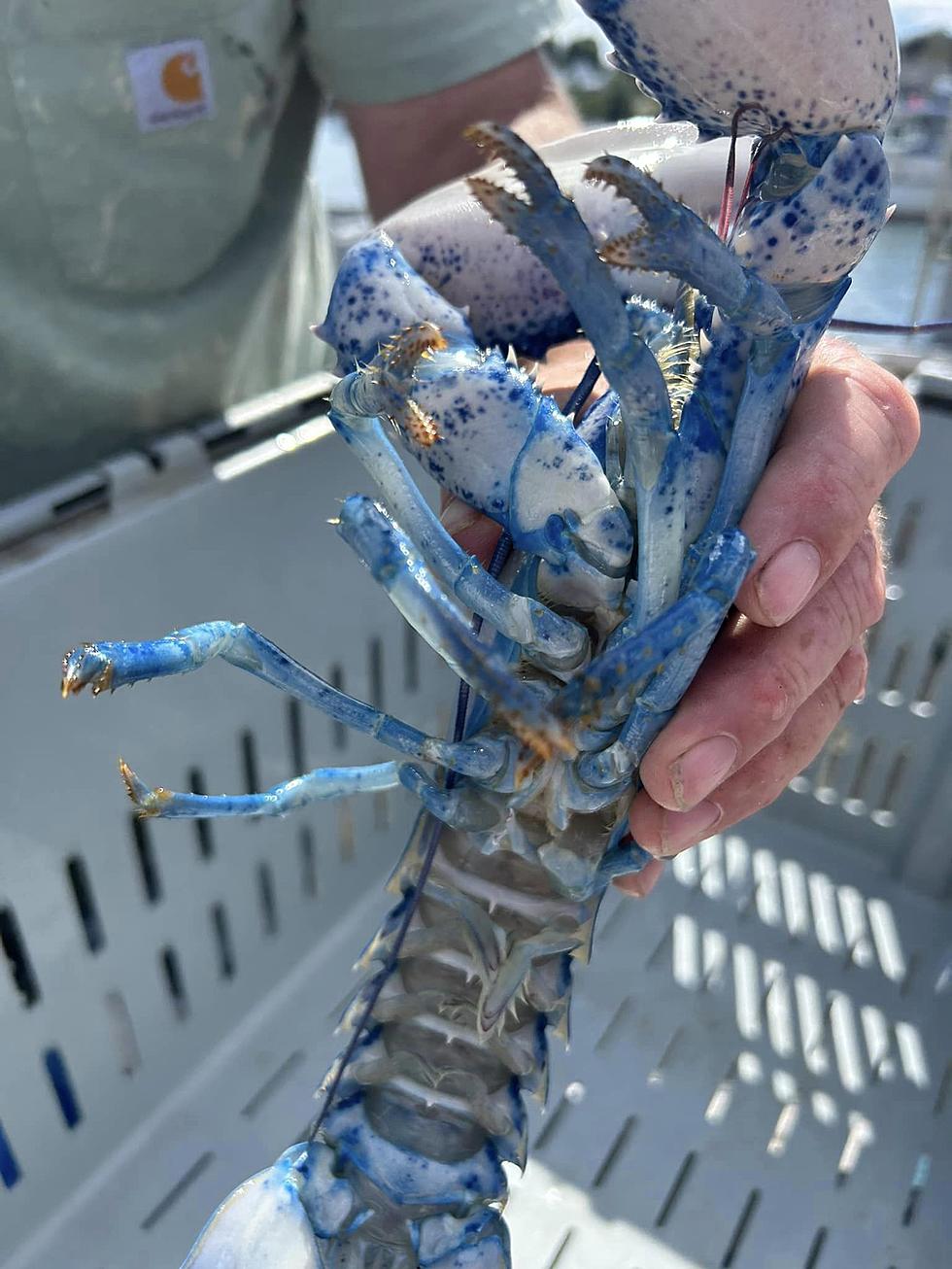
A blue lobster is a type of lobster that has a genetic condition that causes its shell to turn a deep blue color, rather than the usual greenish-brown or red. This condition is the result of a rare genetic mutation that affects the production of astaxanthin, a pigment found in the shells of crustaceans. Astaxanthin is responsible for the red, orange, and yellow colors of many marine animals, including lobsters. However, in the case of the blue lobster, the genetic mutation causes the astaxanthin to be produced in a way that gives the shell a blue color. This is an extremely rare occurrence, with estimates suggesting that only about 1 in 2 million lobsters are born with this condition.
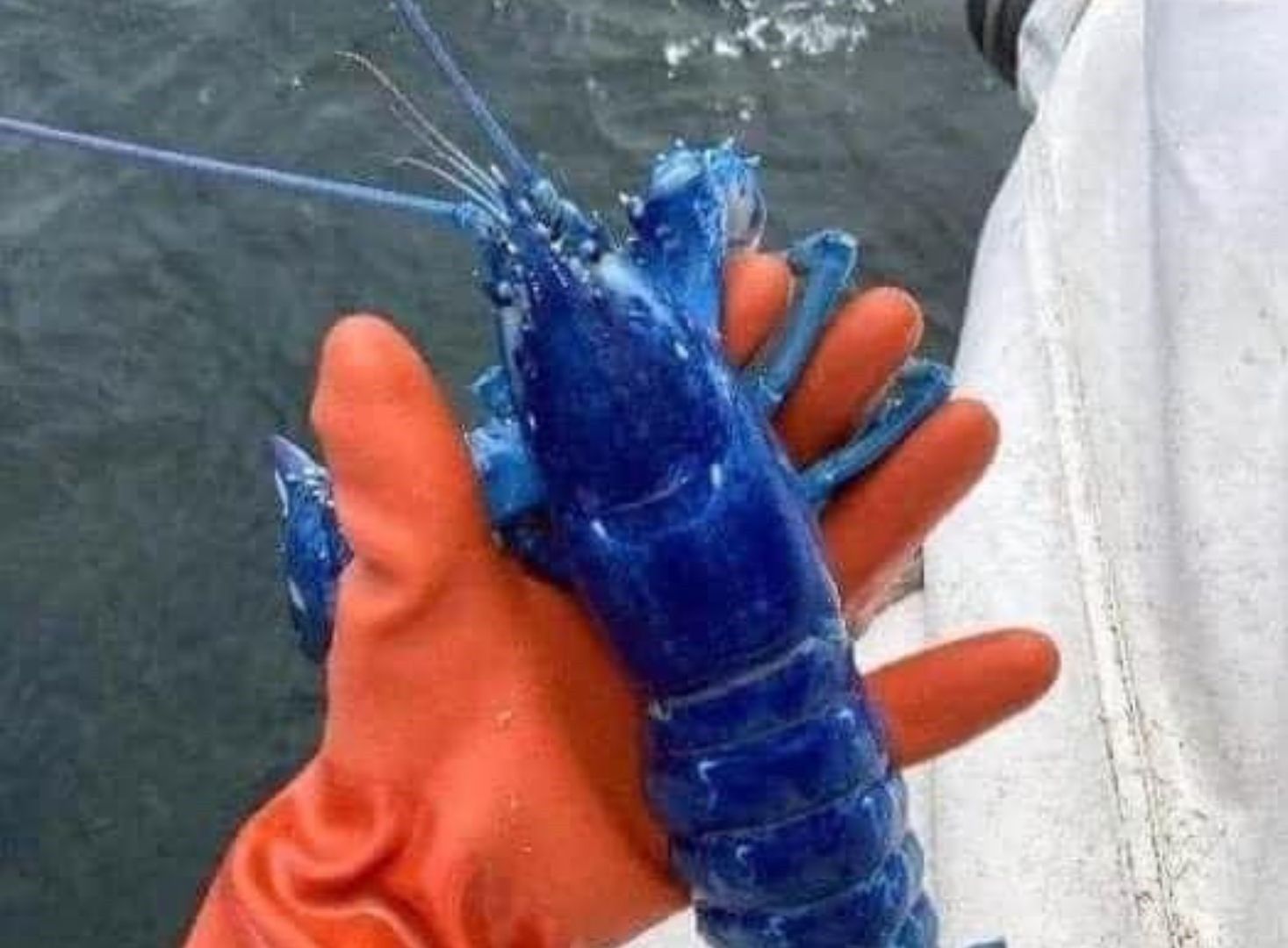
Despite their rarity, blue lobsters have been found in oceans around the world, from the coast of North America to the waters of Europe and Asia. They are often caught by fishermen, who are amazed by their unique coloration and may even release them back into the wild to preserve their rarity. In some cases, blue lobsters have even been kept in aquariums, where they can be studied and admired by the public.
The Science Behind the Blue Coloration
So, what exactly causes the blue coloration of these lobsters? As mentioned earlier, it's the result of a genetic mutation that affects the production of astaxanthin. Normally, astaxanthin is produced in the lobster's body and then deposited into its shell, where it gives the shell its characteristic red or orange color. However, in the case of the blue lobster, the genetic mutation causes the astaxanthin to be produced in a different way, resulting in a blue pigment called astaxanthin-protein complex. This complex is made up of astaxanthin molecules that are bound to proteins in the lobster's shell, giving it a deep blue color.
It's worth noting that the blue coloration of these lobsters is not just a simple matter of pigment production. The genetic mutation that causes the blue coloration also affects the way that the lobster's shell reflects light, giving it a unique iridescent sheen. This is because the astaxanthin-protein complex is not just a simple pigment, but a complex structure that interacts with light in a specific way, resulting in the blue coloration we see.

In addition to their unique coloration, blue lobsters are also of interest to scientists because of their potential to provide insights into the genetics of crustaceans. By studying the genetic mutation that causes the blue coloration, scientists may be able to gain a better understanding of the genetic processes that control the development of crustaceans, including the production of pigments and the formation of shells.
Conservation Efforts
Despite their rarity, blue lobsters are not currently considered to be a threatened species. However, they are often caught accidentally by fishermen, who may not realize the significance of their unique coloration. To protect these incredible creatures, conservation efforts are underway to educate fishermen and the public about the importance of preserving blue lobsters and their habitats. This includes initiatives to reduce bycatch, the practice of catching non-target species, and to promote sustainable fishing practices that minimize the impact on marine ecosystems.
In addition to these efforts, some aquariums and marine conservation organizations are working to breed blue lobsters in captivity, in order to learn more about their biology and to help conserve the species. This is a challenging task, as blue lobsters are difficult to breed and require very specific conditions to thrive. However, by studying these creatures in captivity, scientists may be able to gain a better understanding of their needs and to develop effective conservation strategies to protect them.

One of the most interesting things about blue lobsters is the way that they have captured the imagination of the public. These creatures have been featured in numerous articles, documentaries, and even works of art, inspiring a sense of wonder and awe in people around the world. Whether it's their unique coloration, their rarity, or their fascinating biology, blue lobsters have a way of captivating our attention and inspiring us to learn more about the natural world.
The Cultural Significance of Blue Lobsters
Blue lobsters have also become a cultural phenomenon, with many people seeing them as a symbol of good luck or rarity. In some parts of the world, blue lobsters are considered to be a delicacy, and are highly prized for their unique flavor and texture. However, it's worth noting that blue lobsters are not just a food source, but also an important part of the marine ecosystem. They play a vital role in maintaining the balance of their ecosystems, and their loss could have significant consequences for the health of our oceans.
In addition to their cultural significance, blue lobsters have also become an important part of the tourism industry, with many people traveling to see them in aquariums or in the wild. This has helped to promote a greater appreciation for marine conservation and the importance of protecting these incredible creatures and their habitats. By supporting sustainable tourism and conservation efforts, we can help to ensure the long-term survival of blue lobsters and the many other incredible species that call our oceans home.
In conclusion, the mystery of the blue lobster is a fascinating topic that continues to captivate scientists, fishermen, and the general public alike. These incredible creatures are not just a rarity, but also an important part of the marine ecosystem, playing a vital role in maintaining the balance of their ecosystems. By studying blue lobsters and learning more about their biology and conservation, we can gain a greater appreciation for the natural world and the many incredible species that call our oceans home. Whether it's their unique coloration, their fascinating biology, or their cultural significance, blue lobsters are truly one of the most incredible creatures in the ocean.
As we continue to learn more about blue lobsters and the many other incredible species that call our oceans home, it's clear that there is still much to be discovered. The ocean is a vast and mysterious place, full of wonders and surprises that continue to amaze and fascinate us. By supporting marine conservation and sustainable fishing practices, we can help to ensure the long-term survival of blue lobsters and the many other incredible species that call our oceans home. So next time you're out on the water, keep an eye out for these incredible creatures, and remember the importance of preserving our oceans and the many wonders they contain.
0 Response to "The Mystery of the Blue Lobster: 1 in 2 Million"
Post a Comment