10 Extinct Animals Scientists Are Trying to Bring Back

Have you ever wondered what it would be like to see a woolly mammoth roaming the earth again, or to catch a glimpse of a dodo bird perched in a tree? While these creatures may be extinct, scientists are working hard to bring them back to life. In this article, we'll explore 10 extinct animals that scientists are trying to revive, and the fascinating technologies they're using to make it happen.
Introduction to De-Extinction
De-extinction, the process of bringing back extinct species, is a complex and controversial field of research. While some scientists argue that it's a waste of time and resources, others believe that it could have major benefits for conservation and our understanding of the natural world. One of the main arguments in favor of de-extinction is that it could help to restore ecosystems that have been disrupted by the loss of key species. For example, the woolly mammoth played a crucial role in shaping its environment, and its loss may have had a ripple effect on the entire ecosystem.

The Technologies Behind De-Extinction
So, how do scientists plan to bring back extinct animals? The answer lies in a combination of cutting-edge technologies, including genetic engineering, gene editing, and cloning. Genetic engineering involves the use of biotechnology to introduce new traits into an organism, while gene editing allows scientists to make precise changes to an organism's DNA. Cloning, on the other hand, involves creating an exact replica of an organism using its DNA. These technologies have made it possible to sequence the genomes of extinct species, and even to bring back simple organisms like bacteria and viruses.
One of the most promising technologies in the field of de-extinction is CRISPR-Cas9, a powerful gene editing tool that allows scientists to make precise changes to an organism's DNA. This technology has been used to edit the genomes of a wide range of organisms, from bacteria to humans, and has the potential to revolutionize the field of genetics. For example, scientists have used CRISPR-Cas9 to edit the genome of a species of mouse, giving it the ability to resist certain diseases. This technology could also be used to bring back extinct species, by editing the genome of a closely related species to make it more similar to the extinct one.
The Top 10 Extinct Animals Scientists Are Trying to Bring Back
So, which extinct animals are scientists trying to bring back? Here are the top 10:
1. The Woolly Mammoth
The woolly mammoth is one of the most iconic extinct species, and scientists have been working to bring it back for decades. Using a combination of genetic engineering and cloning, scientists have managed to sequence the woolly mammoth genome and even create a hybrid embryo using Asian elephant DNA. While we're still a long way from seeing woolly mammoths roaming the earth again, the progress that's been made so far is promising.

2. The Dodo Bird
The dodo bird is another extinct species that scientists are trying to bring back. This flightless bird was once found on the island of Mauritius, but was hunted to extinction by sailors and settlers. Scientists have managed to sequence the dodo genome, and are now working to create a hybrid embryo using the DNA of its closest relative, the pigeon. While it's unlikely that we'll ever see dodos flying through the skies again, the possibility of bringing back this iconic species is an exciting one.
3. The Passenger Pigeon
The passenger pigeon was once one of the most abundant bird species in North America, but it was hunted to extinction in the early 20th century. Scientists are now working to bring back this species using genetic engineering and cloning. By sequencing the passenger pigeon genome and comparing it to that of its closest relative, the band-tailed pigeon, scientists hope to identify the genes that made the passenger pigeon so successful, and to use this information to create a hybrid embryo.
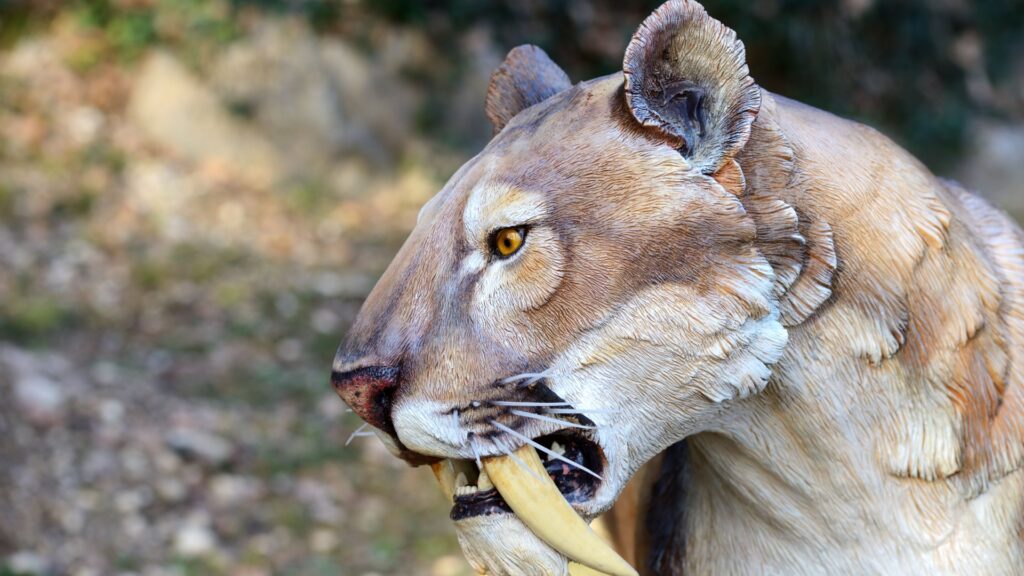
4. The Saber-Toothed Tiger
The saber-toothed tiger is one of the most iconic ice age species, and scientists are working to bring it back using a combination of genetic engineering and cloning. By sequencing the saber-toothed tiger genome and comparing it to that of its closest relative, the lion, scientists hope to identify the genes that gave the saber-toothed tiger its distinctive teeth and powerful build. While it's unlikely that we'll ever see saber-toothed tigers roaming the earth again, the possibility of bringing back this majestic species is an exciting one.
5. The Quagga
The quagga is a subspecies of zebra that was once found in South Africa, but was hunted to extinction in the late 19th century. Scientists are now working to bring back this species using genetic engineering and cloning. By sequencing the quagga genome and comparing it to that of its closest relative, the plains zebra, scientists hope to identify the genes that gave the quagga its distinctive stripes and to use this information to create a hybrid embryo.
6. The Great Auk
The great auk is a flightless bird that was once found in the North Atlantic, but was hunted to extinction in the mid-19th century. Scientists are now working to bring back this species using genetic engineering and cloning. By sequencing the great auk genome and comparing it to that of its closest relative, the razorbill, scientists hope to identify the genes that gave the great auk its distinctive appearance and to use this information to create a hybrid embryo.
7. The Moa
The moa is a flightless bird that was once found in New Zealand, but was hunted to extinction by early human settlers. Scientists are now working to bring back this species using genetic engineering and cloning. By sequencing the moa genome and comparing it to that of its closest relative, the kiwi, scientists hope to identify the genes that gave the moa its distinctive appearance and to use this information to create a hybrid embryo.

8. The Tarpan
The tarpan is a subspecies of wild horse that was once found in Eastern Europe and Russia, but was hunted to extinction in the late 19th century. Scientists are now working to bring back this species using genetic engineering and cloning. By sequencing the tarpan genome and comparing it to that of its closest relative, the domestic horse, scientists hope to identify the genes that gave the tarpan its distinctive appearance and to use this information to create a hybrid embryo.
9. The Steller's Sea Cow
The Steller's sea cow is a marine mammal that was once found in the waters around Alaska and Russia, but was hunted to extinction in the mid-18th century. Scientists are now working to bring back this species using genetic engineering and cloning. By sequencing the Steller's sea cow genome and comparing it to that of its closest relative, the manatee, scientists hope to identify the genes that gave the Steller's sea cow its distinctive appearance and to use this information to create a hybrid embryo.
10. The Baiji Dolphin
The baiji dolphin is a freshwater dolphin that was once found in the Yangtze River in China, but was declared extinct in 2006. Scientists are now working to bring back this species using genetic engineering and cloning. By sequencing the baiji dolphin genome and comparing it to that of its closest relative, the finless porpoise, scientists hope to identify the genes that gave the baiji dolphin its distinctive appearance and to use this information to create a hybrid embryo.
Conclusion
While the idea of bringing back extinct animals may seem like science fiction, it's a field of research that's rapidly becoming a reality. Using cutting-edge technologies like genetic engineering, gene editing, and cloning, scientists are working to revive species that were once thought to be lost forever. While there are many challenges and controversies surrounding de-extinction, the potential benefits of this research are undeniable. By bringing back extinct species, we may be able to restore ecosystems that have been disrupted by the loss of key species, and to learn more about the natural world and our place in it.
As we move forward with de-extinction research, it's essential that we consider the potential risks and benefits of this technology. We need to think carefully about which species to bring back, and how to ensure that they can thrive in their new environments. We also need to consider the potential impact of de-extinction on human societies and cultures, and to make sure that this technology is used responsibly and with caution. With careful planning and consideration, de-extinction could be a powerful tool for conservation and restoration, and could help us to create a more sustainable and equitable future for all.
0 Response to "10 Extinct Animals Scientists Are Trying to Bring Back"
Post a Comment