coati mundi
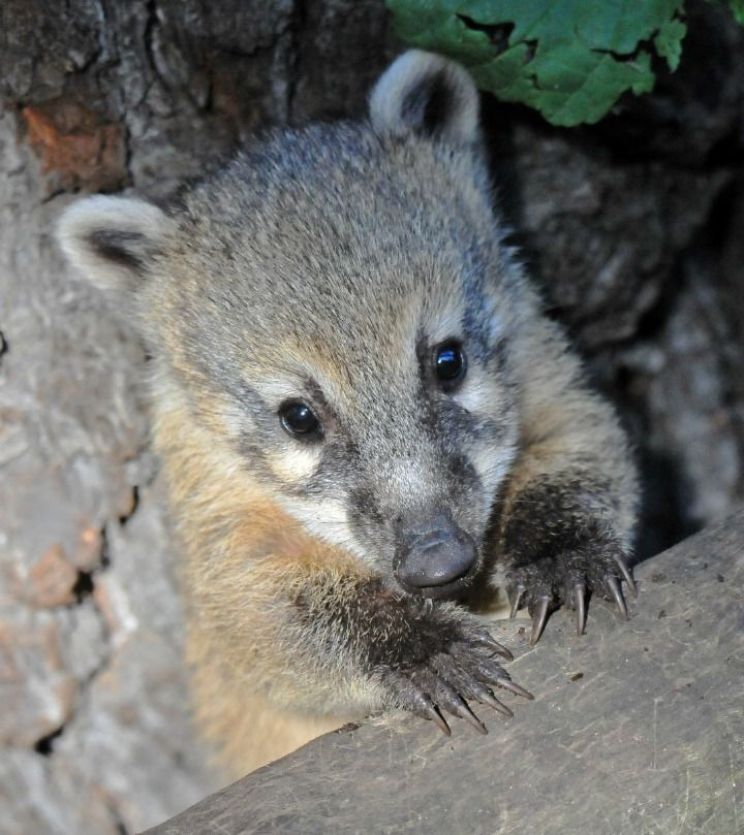
When it comes to exotic animals, there are few creatures as fascinating as the coati mundi. Also known as the coati, this medium-sized mammal is native to Central and South America, and is a member of the raccoon family. In this article, we'll delve into the world of the coati mundi, exploring its habitat, behavior, and unique characteristics. So, if you're ready to learn more about this intriguing animal, keep reading.
Introduction to the Coati Mundi
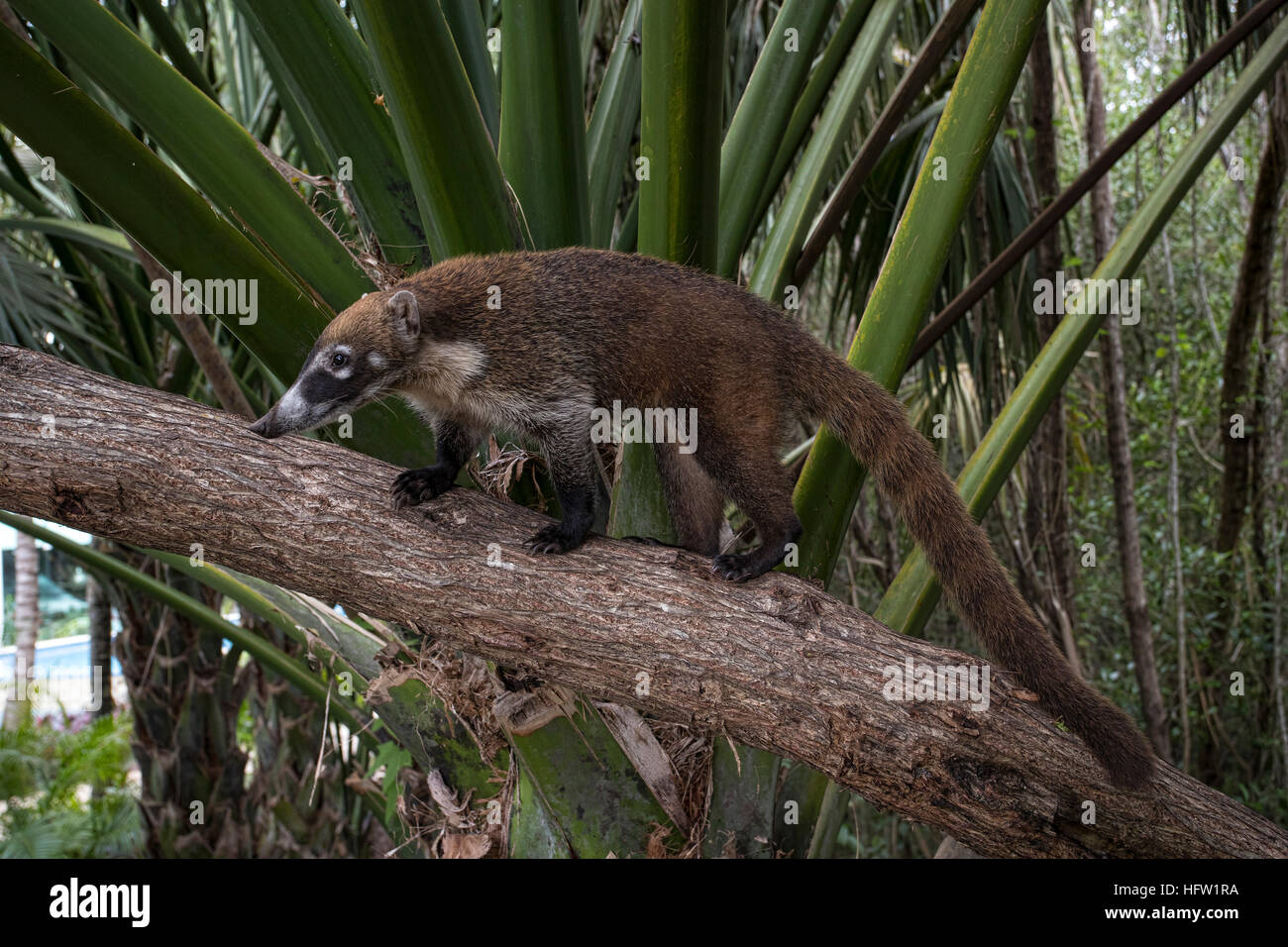
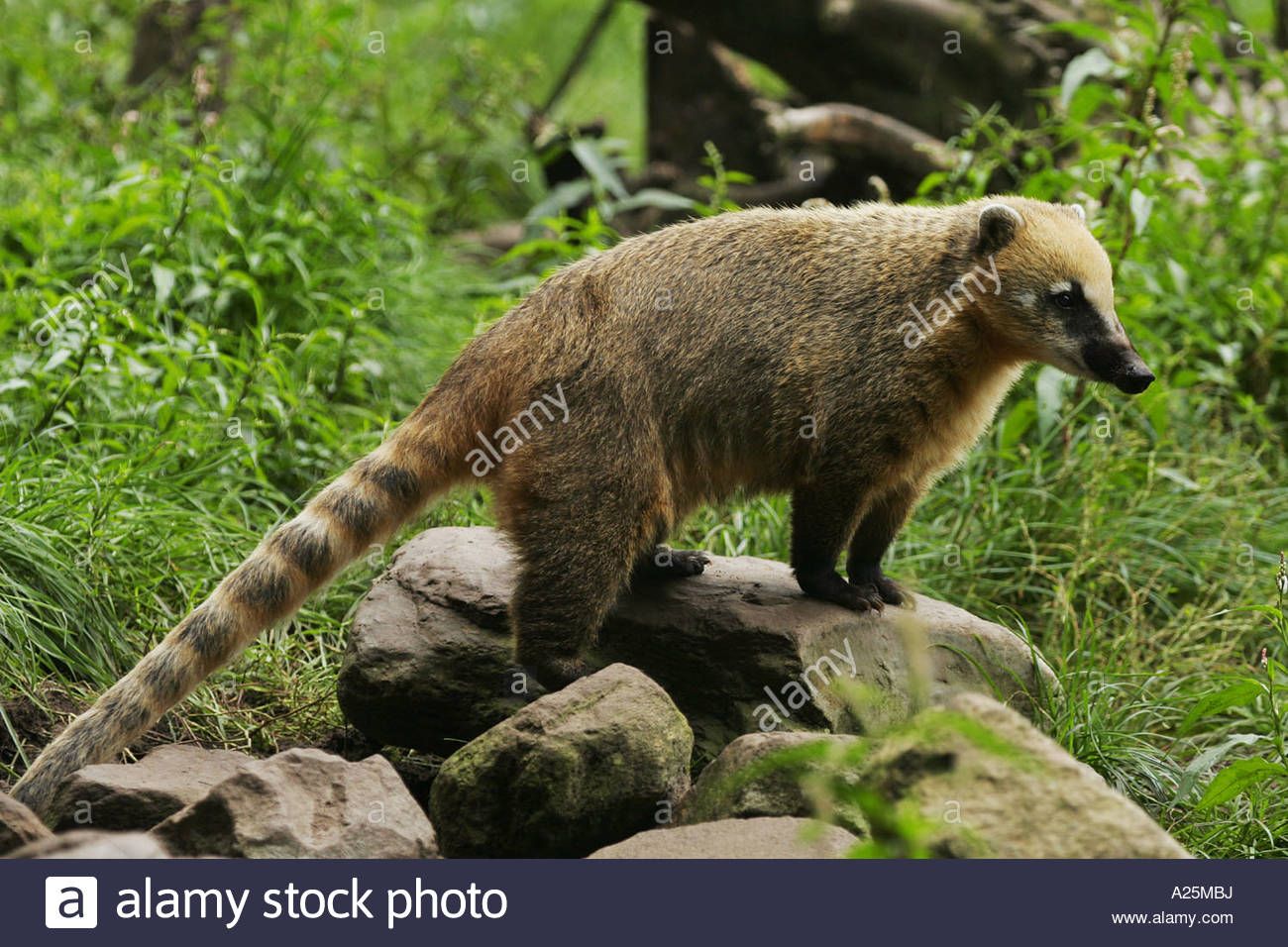
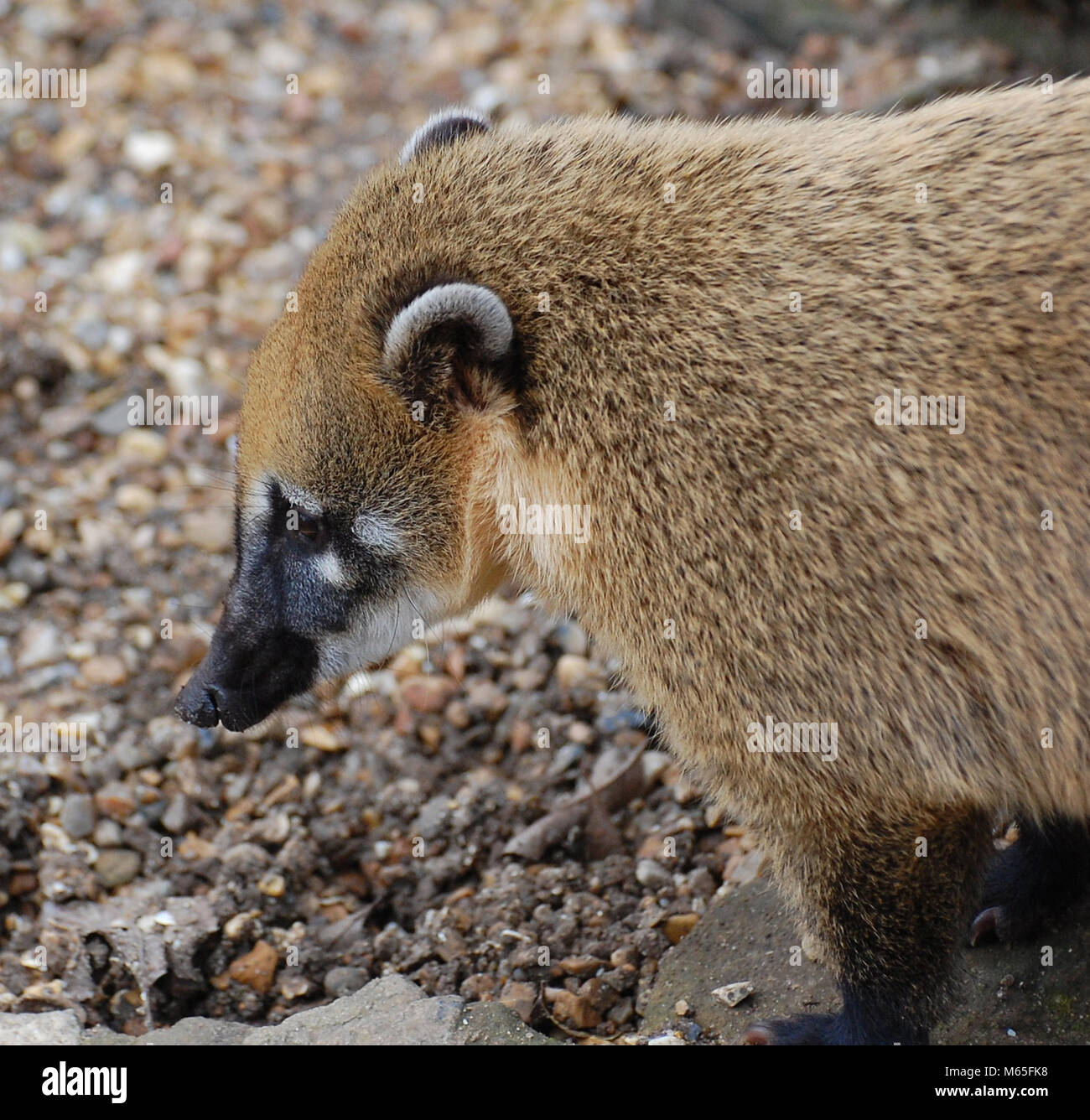
The coati mundi is a relatively small animal, typically weighing between 3-6 kg (6.6-13.2 lbs) and measuring 40-70 cm (15.7-27.5 in) in length, including its tail. It has a distinctive appearance, with a long, pointed snout, large ears, and a bushy tail that it uses for balance and communication. Coatis are also known for their agility and dexterity, and are often seen climbing trees and navigating complex environments with ease.

Habitat and Distribution
Coatis are found in a variety of habitats, including tropical rainforests, dry forests, and even urban areas. They are native to countries such as Mexico, Costa Rica, and Argentina, and can be found in a range of elevations, from sea level to over 2,000 meters (6,562 feet) above sea level. In the wild, coatis typically live in small family groups, consisting of a female and her offspring, while males will often wander on their own or form bachelor groups. Coatis are also skilled adaptors, and can be found in a range of environments, from the hot, humid tropics to the cooler, drier climates of the Andes mountains.
One of the most interesting things about coatis is their ability to thrive in human-dominated landscapes. In many parts of their range, coatis have learned to coexist with humans, and can often be found in urban areas, such as parks and gardens. This adaptability has allowed coatis to survive and even flourish in areas where other animals might struggle to survive.

Diet and Foraging
Coatis are omnivores, which means they eat a wide variety of foods, including fruits, insects, and small animals. In the wild, coatis will forage for food on the ground, in trees, and even in water. They are skilled climbers, and will often climb trees to feed on fruits, leaves, and insects. Coatis are also known to raid gardens and crops, where they will feed on fruits, vegetables, and other crops. In urban areas, coatis may also scavenge for food, eating everything from pet food to garbage.
One of the most fascinating things about coati behavior is their use of tools. In the wild, coatis have been observed using rocks to crack open nuts and seeds, and even using sticks to extract insects from tree bark. This use of tools is rare in the animal kingdom, and is a testament to the coati's intelligence and adaptability.
Behavior and Social Structure
Coatis are highly social animals, and live in complex societies with a strict hierarchy. Female coatis will often form close bonds with each other, and will work together to raise their young and protect their territory. Male coatis, on the other hand, will often wander on their own, or form bachelor groups with other males. In these groups, males will engage in a range of behaviors, including play-fighting, grooming, and even singing.
Coatis are also known for their intelligence and curiosity. In the wild, coatis have been observed exploring their environment, investigating new objects and smells, and even solving complex problems. This intelligence, combined with their adaptability and social nature, makes coatis one of the most fascinating animals in the animal kingdom.
Conservation Status
Despite their adaptability and intelligence, coatis are facing a range of threats in the wild. Habitat loss and fragmentation, due to deforestation and urbanization, are major concerns, as coatis rely on large areas of habitat to survive. Coatis are also hunted for their meat and fur, and are often persecuted as pests by farmers and gardeners. In addition, coatis are susceptible to a range of diseases, including rabies and distemper, which can have a significant impact on local populations.
To address these concerns, conservation efforts are underway to protect coati habitats and reduce human-coati conflict. This includes the creation of protected areas, such as national parks and wildlife reserves, as well as education and outreach programs to promote coati conservation. By working together to protect these amazing animals, we can help ensure the long-term survival of the coati mundi.
Conclusion
In conclusion, the coati mundi is a fascinating and complex animal, with a range of unique characteristics and adaptations. From its intelligent and social nature, to its ability to thrive in human-dominated landscapes, the coati is an animal that continues to captivate and inspire. By learning more about this amazing creature, we can gain a deeper appreciation for the natural world, and work to protect and conserve the coati and its habitat for future generations. Whether you're a seasoned wildlife enthusiast, or just starting to explore the world of animals, the coati mundi is definitely worth learning more about.
0 Response to "coati mundi"
Post a Comment