coaties

As I sit here, sipping my morning coffee and staring out the window, I'm reminded of the fascinating creatures that inhabit our planet. Today, I want to talk about one of the most intriguing and adorable animals out there - the coaties. If you're not familiar with these little critters, don't worry, I'm here to introduce you to their wonderful world. So, let's dive in and explore the amazing realm of coaties.
What are Coaties?
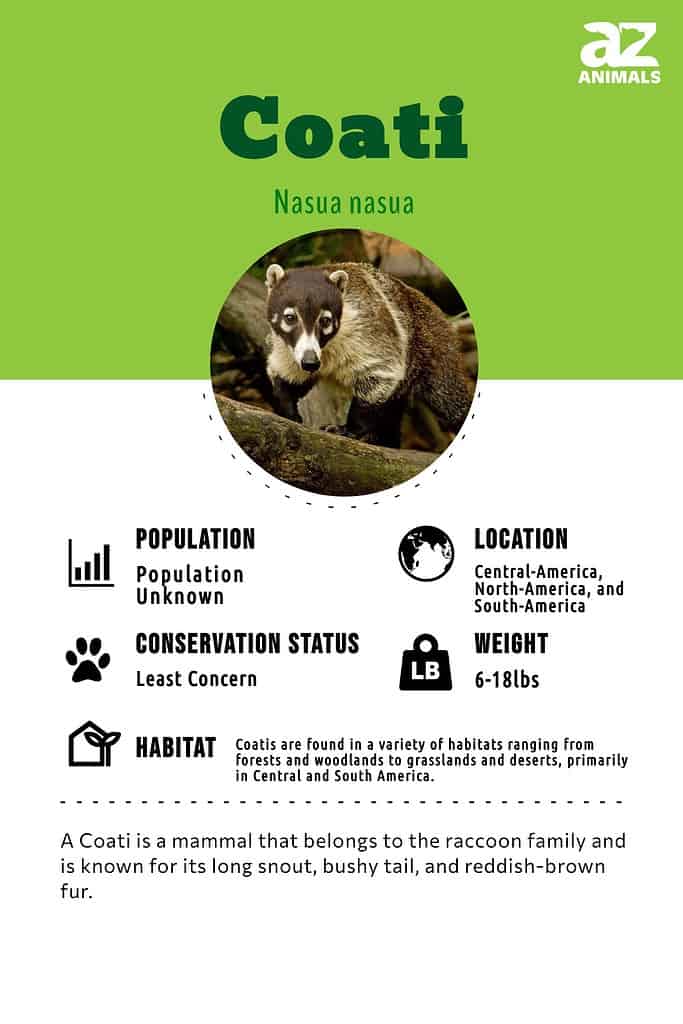
Coaties, also known as coatis, are members of the raccoon family and are native to Central and South America. These medium-sized mammals are known for their distinctive appearance, with a long, bushy tail and a pointed snout. Coaties are omnivores, which means they eat both plants and animals, and are highly adaptable to different environments. They can be found in a variety of habitats, from tropical rainforests to dry deserts, and are known to be excellent climbers.
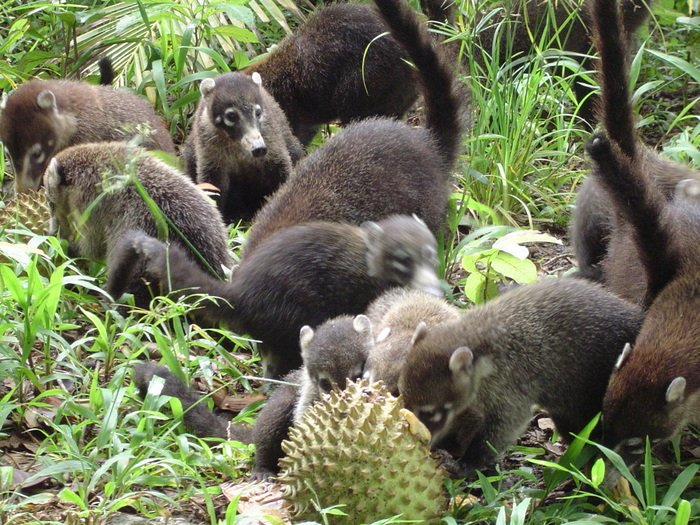
One of the most interesting things about coaties is their social behavior. They are highly social animals that live in large groups, called bands, which can range from 10 to 30 individuals. These bands are usually led by a dominant female, and the members work together to protect their territory and find food. Coaties are also known to be very intelligent and curious, often exploring their surroundings and investigating new objects.
Physical Characteristics
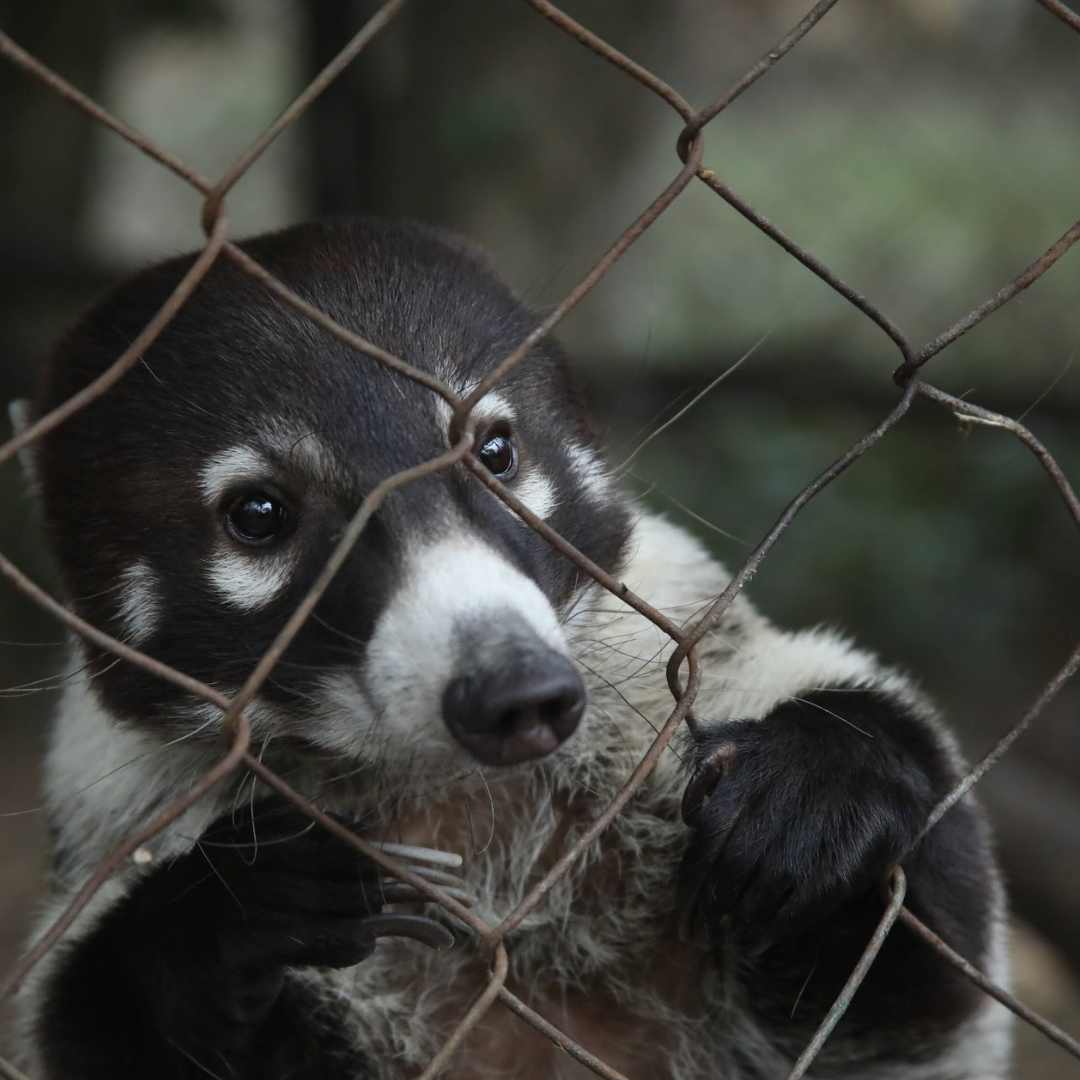
Coaties have a number of distinctive physical characteristics that set them apart from other animals. Their long, bushy tail is one of their most recognizable features, and is used for balance and communication. They also have a pointed snout, which is highly sensitive and helps them to detect food and other scents. Coaties have large, dark eyes and a thick, coarse coat that can range in color from brown to gray. They are medium-sized animals, typically weighing between 3-6 kg (6.6-13.2 lbs), and are approximately 40-60 cm (15.7-23.6 in) in length, including their tail.
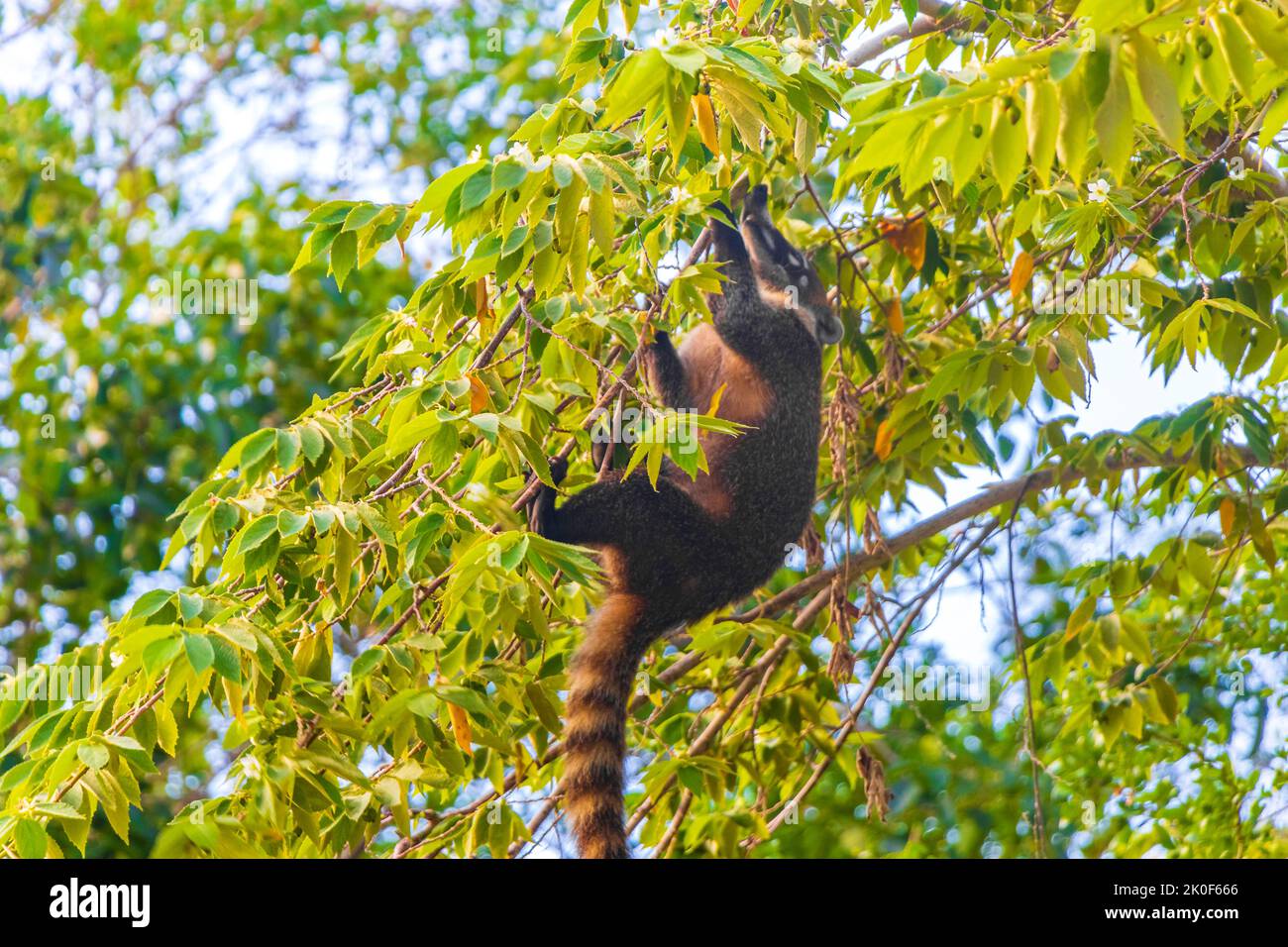
Coaties are also known for their agility and flexibility. They are excellent climbers, and have been observed climbing trees and navigating complex networks of branches with ease. Their long tail helps them to balance, and their sharp claws provide them with the grip they need to climb and jump.
Habitat and Distribution
Coaties are found in a variety of habitats, including tropical rainforests, dry deserts, and mountainous regions. They are native to Central and South America, and can be found in countries such as Mexico, Costa Rica, and Argentina. Coaties are highly adaptable, and can thrive in a range of environments, from sea level to high mountains. They are also excellent swimmers, and have been observed swimming in rivers and lakes.
Coaties are highly territorial, and will fiercely defend their territory from other coaties and predators. They are also highly mobile, and will often travel long distances in search of food and mates. In the wild, coaties can be found in a variety of different habitats, from dense forests to open grasslands.
Diet and Foraging
Coaties are omnivores, which means they eat both plants and animals. Their diet consists of a wide variety of foods, including fruits, insects, small mammals, and even carrion. They are highly opportunistic, and will eat whatever is available to them. Coaties are also known to raid gardens and crops, which can bring them into conflict with humans.
Coaties are highly skilled foragers, and use a variety of techniques to find food. They will often dig and root around in the ground, using their sensitive snout to detect buried insects and other small animals. They will also climb trees to eat fruits and leaves, and have been observed using tools to extract food from hard-to-reach places.
Conservation Status
Unfortunately, coaties are facing a number of threats in the wild, including habitat loss, hunting, and persecution. Many coaties are killed by farmers and ranchers, who see them as pests and a threat to their livelihoods. Coaties are also hunted for their fur and meat, which is highly valued in some parts of the world.
As a result, coaties are listed as a species of special concern by the International Union for Conservation of Nature (IUCN). Conservation efforts are underway to protect coaties and their habitats, including the establishment of protected areas and education programs to raise awareness about the importance of coati conservation. However, more needs to be done to ensure the long-term survival of these amazing animals.
Interesting Coati Facts
Coaties have a number of interesting and unique characteristics that set them apart from other animals. For example, they are able to rotate their ankles 180 degrees, which allows them to climb down trees head-first. They are also highly playful, and have been observed playing with sticks, rocks, and other objects. Coaties are also known to be very clean animals, and will often spend hours grooming themselves and each other.
Coaties are also highly vocal, and use a variety of sounds to communicate with each other. They will often chirp, whistle, and even grunt to convey different messages, and are able to produce a wide range of tones and frequencies. In the wild, coaties can be heard making a variety of different sounds, from loud, high-pitched chirps to low, rumbling grunts.
In conclusion, coaties are fascinating and unique animals that are full of surprises. From their distinctive appearance to their highly social behavior, there's no denying that coaties are one of the most interesting creatures in the animal kingdom. Whether you're a seasoned wildlife enthusiast or just starting to learn about the natural world, coaties are definitely worth learning more about. So next time you're out in nature, keep an eye out for these amazing animals - you never know when you might spot one.

0 Response to "coaties"
Post a Comment