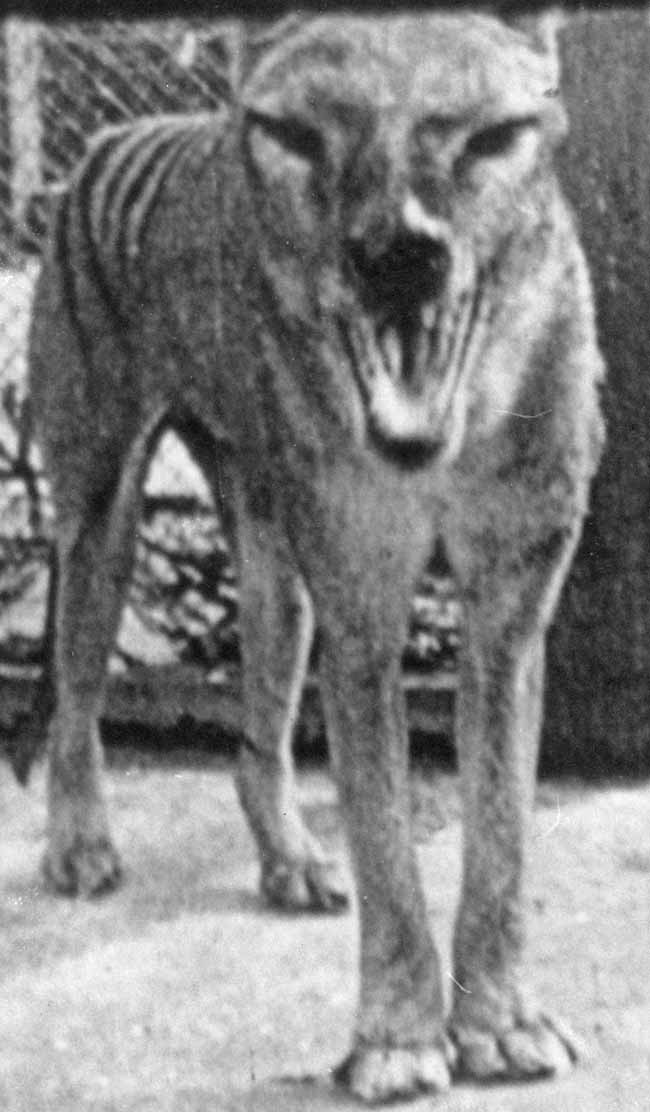
Whispers in the wind, blurry photographs, and tantalizing footprints – these are the breadcrumbs that fuel the enduring mystery of the Tasmanian Tiger. Officially declared extinct in 1936, the thylacine, as it was scientifically known, refuses to fade into oblivion. Is it truly gone, or does it persist in the remote wilderness of Tasmania, a ghost of the past clinging to life?
The plight of the Tasmanian Tiger is a stark reminder of humanity's impact on the natural world. Its disappearance is a loss that continues to resonate, raising questions about conservation efforts, responsible land management, and the very real possibility of extinction. People are saddened by it.
The aim of this exploration is to delve into the captivating enigma of the Tasmanian Tiger. We'll journey through its history, examine the evidence suggesting its possible survival, and ponder the implications of its potential rediscovery. Prepare to question what you know and open your mind to the possibility that this iconic creature might still roam free.
This article has examined the fascinating, yet tragic, tale of the Tasmanian Tiger. From its confirmed extinction to the numerous unconfirmed sightings and the persistent hope for its rediscovery, the thylacine's story remains a powerful symbol of conservation and the enduring allure of the unknown. We explored its history, addressed supposed sightings, delved into potential habitats, and considered the ethical implications of its possible re-emergence. Key themes included extinction, conservation, cryptozoology, and the unique biodiversity of Tasmania.
My Personal Encounter with the Idea of Extinction
I remember being a child, visiting a local museum and staring, transfixed, at a diorama of a dodo bird. The placard described its clumsy gait and gentle nature, then delivered the devastating blow: extinct. Gone forever. The thought chilled me, the finality of it sinking in. It wasn't just a picture in a book; it was a living creature, wiped from existence, never to grace the earth again. This early encounter sparked a lifelong fascination with endangered species and the critical importance of conservation.
The Tasmanian Tiger, or Thylacine, became an interesting topic for me to explore. Imagine the feeling of discovering a species, thought to be lost, is actually still out there. The news would be amazing, the research would be long, and the protection efforts would be crucial!
The fate of the Tasmanian Tiger is a poignant example of how easily a species can be driven to extinction. Driven by habitat loss, hunting (often fueled by fear and misinformation), and disease, the last known Tasmanian Tiger died in captivity in 1936. However, unlike the dodo, the Tasmanian Tiger's story doesn't end there. The persistent rumors of sightings, the grainy photographs, and the occasional, tantalizing footprint keep the hope alive, a flicker of possibility in the darkness of extinction. The search continues, driven by a desire to correct past mistakes and a fervent belief that this unique creature might still be out there, somewhere in the vast wilderness of Tasmania.
What is the Tasmanian Tiger?
The Tasmanian Tiger, scientifically known as Thylacinus cynocephalus, was a large carnivorous marsupial native to Tasmania, Australia, and New Guinea. It was the last surviving member of its genus, and its unique appearance – a blend of dog, wolf, and tiger – earned it a variety of nicknames, including "Tasmanian Wolf" and "Zebra Wolf." Its most distinctive feature was the series of dark stripes across its back, resembling those of a tiger. Beyond its appearance, the Tasmanian Tiger possessed several unique characteristics. It had a stiff tail, a pouch (in females) that opened towards the rear, and the ability to open its jaws to an astonishingly wide angle.
Now, if the Tasmanian Tiger was still alive, the possible ecological impact would be amazing. It could help control populations of animals, and it could also allow scientists to understand what kind of diseases or changes that are happening in the wild. The world could learn so much about this species, that it would change how people look at protecting the natural environment.
The Tasmanian Tiger played a significant role in the Tasmanian ecosystem, preying on kangaroos, wallabies, and other native animals. Its extinction, officially declared in 1986, is believed to have had ripple effects throughout the food chain, impacting the populations of other species. The story of the Tasmanian Tiger is more than just a tale of extinction; it's a cautionary reminder of the delicate balance of nature and the potential consequences of human actions. The continuing search for evidence of its survival is a testament to our enduring fascination with this remarkable creature and our growing awareness of the importance of conservation.
History and Myth of the Tasmanian Tiger
The history of the Tasmanian Tiger is intertwined with both scientific observation and cultural folklore. Before European settlement, the thylacine played a role in Aboriginal mythology, appearing in rock art and stories. Early European settlers, however, viewed the animal with fear and suspicion, often portraying it as a sheep-killing menace. This perception, fueled by misinformation and economic anxieties, led to widespread hunting and the eventual demise of the species on mainland Australia long before it disappeared from Tasmania.
The Tasmanian Tiger became a subject of interest. When it was discovered that they were killing them, people felt so guilty, but did nothing. We can all look back in time to determine how the present is, and will be.
The mythology surrounding the Tasmanian Tiger extends beyond its portrayal as a predator. Some Aboriginal stories depict the thylacine as a powerful spiritual being, connected to the land and the ancestors. In more recent times, the image of the Tasmanian Tiger has been romanticized, becoming a symbol of Tasmania's unique wilderness and a reminder of the importance of conservation. The "myth" of its continued existence also fuels the ongoing search, with many believing that the creature still roams the remote areas of the island. This blend of history and myth contributes to the enduring allure of the Tasmanian Tiger, transforming it from a mere animal into a potent symbol of loss, hope, and the enduring power of nature.
The Hidden Secrets of the Tasmanian Tiger
Perhaps the most compelling aspect of the Tasmanian Tiger's story is the persistent belief that it may still exist, hidden in the vast and often impenetrable wilderness of Tasmania. This belief isn't solely based on wishful thinking; it's fueled by numerous unconfirmed sightings reported over the years. These sightings, often from credible sources like park rangers and experienced bushwalkers, describe animals matching the thylacine's distinctive appearance – the striped back, the dog-like head, and the peculiar gait.
In the wilderness, there could be a population thriving! It's essential to preserve the natural environment. If we protect and preserve that environment, we can save these animals!
While photographic evidence remains elusive, the sheer number of sightings suggests that something is out there. What could explain these continued reports? One possibility is that a small, isolated population of thylacines managed to survive undetected in the most remote corners of Tasmania. Another, more controversial theory, involves misidentification – perhaps the animals being seen are actually feral dogs or other species with unusual markings. Regardless of the explanation, the continued sightings add a layer of intrigue to the Tasmanian Tiger's story, transforming it into a real-life cryptozoological mystery. They serve as a reminder that even in the age of modern technology, there are still secrets hidden in the wild, waiting to be uncovered.
Recommendations for Further Exploration
The story of the Tasmanian Tiger offers a wealth of opportunities for further exploration and engagement. For those interested in learning more about the history of the species, I recommend researching the accounts of early European settlers and the impact of hunting and habitat loss on the thylacine population. Examining the role of the Tasmanian government in the decline of the species, and the subsequent attempts at conservation, can provide valuable insights into the challenges of managing endangered wildlife.
It's essential to learn everything about them, so we can determine what is going on with them. There are many ways that we can ensure that their population is thriving and healthy.
For those intrigued by the possibility of its continued existence, exploring the numerous sighting reports and analyzing the available evidence can be a fascinating exercise in critical thinking. Consider the challenges of proving the existence of a rare and elusive animal in a vast and rugged terrain. What kind of evidence would be considered conclusive? And what are the ethical implications of potentially disturbing a fragile population of rediscovered thylacines? Finally, for those interested in contributing to the search for the Tasmanian Tiger, there are numerous citizen science projects and conservation organizations that welcome volunteers. Participating in these initiatives can provide a hands-on opportunity to learn more about the species and contribute to the ongoing effort to unravel the mystery of the Tasmanian Tiger.
The Importance of Habitat Preservation
One of the most crucial factors in the Tasmanian Tiger's demise was the destruction of its natural habitat. As forests were cleared for agriculture and settlements, the thylacine's hunting grounds shrank, and its prey became scarcer. This habitat loss, coupled with direct hunting, proved to be a fatal combination. The lesson here is clear: preserving natural habitats is essential for the survival of all species, especially those that are already vulnerable.
Habitat preservation should be the number one goal in today's society! The more we preserve habitats, the more animals that we can help!
The ongoing efforts to conserve Tasmania's wilderness areas are therefore critical to the potential survival of the Tasmanian Tiger, as well as the countless other species that call the island home. Protecting forests, grasslands, and wetlands provides crucial refuge for wildlife, ensuring that they have access to food, shelter, and breeding grounds. Furthermore, habitat preservation helps to maintain the overall health and resilience of the ecosystem, making it more resistant to the impacts of climate change and other environmental threats. By prioritizing habitat preservation, we can not only increase the chances of rediscovering the Tasmanian Tiger, but also safeguard the rich biodiversity of Tasmania for generations to come. It's a win-win scenario for both wildlife and humanity.
Tips for Identifying Potential Thylacine Evidence
If you're venturing into Tasmanian wilderness areas, keeping an eye out for potential evidence of the Tasmanian Tiger can add an extra layer of excitement to your exploration. However, it's crucial to approach this task with a critical and discerning eye. Remember that misidentification is common, and many reported sightings turn out to be other animals.
If you want to help, make sure you know what to look for and identify. You can find their habitats, and keep an eye on their patterns.
Here are some tips for identifying potential thylacine evidence: Footprints: Thylacine footprints are distinctive, with four toes on the front feet and four on the back. Compare any potential tracks to known thylacine footprint casts and consult with local experts. Scat: Thylacine scat is similar to that of a dog or wolf, but may contain bone fragments or fur from their prey. However, scat identification can be challenging, so it's best to collect samples and consult with wildlife biologists. Scratches on trees: Thylacines were known to scratch trees to mark their territory. Look for distinctive claw marks high on tree trunks, but be aware that other animals, such as quolls, also scratch trees. Unusual vocalizations: Some people have reported hearing strange vocalizations in the wilderness that they believe could be thylacines. Record any unusual sounds and compare them to known thylacine calls (although recordings are rare). Report any potential sightings or evidence to the Tasmanian Parks and Wildlife Service. They have a dedicated team that investigates all credible reports. By following these tips and reporting your findings responsibly, you can contribute to the ongoing search for the Tasmanian Tiger.
The Role of Technology in the Search
Modern technology is playing an increasingly important role in the search for the Tasmanian Tiger. Drones equipped with high-resolution cameras and thermal imaging technology can survey vast areas of wilderness quickly and efficiently. These drones can penetrate dense vegetation and identify potential thylacine habitats that would be difficult to access on foot.
The technology is getting more advanced, so we have to keep up with it. The drones can fly at night to pick up heat signatures, and they can provide detailed photographs and information.
Camera traps, triggered by motion sensors, are also being deployed in remote areas to capture images of wildlife. These cameras can operate 24/7 and provide valuable data on animal movements and behavior. Furthermore, advances in DNA analysis are allowing scientists to identify the species of animals from scat samples and other trace evidence. This technology can be used to confirm the presence of thylacines in areas where sightings have been reported. Finally, citizen science initiatives are leveraging the power of the internet to engage the public in the search. Online platforms allow people to report sightings, analyze images, and contribute to the growing body of knowledge about the Tasmanian Tiger. By harnessing the power of technology, we can significantly increase our chances of unraveling the mystery of the Tasmanian Tiger.
Fun Facts About the Tasmanian Tiger
Beyond its scientific significance and its enigmatic status, the Tasmanian Tiger is simply a fascinating creature with a number of unique and intriguing characteristics. Did you know that the thylacine's pouch, unlike those of kangaroos, opened towards the rear? This adaptation is believed to have protected the young from dirt and debris while the mother was hunting. Another fun fact is that thylacines were capable of opening their jaws to an astonishingly wide angle – some estimates suggest up to 120 degrees! This adaptation allowed them to consume large prey items.
There are so many fun and interesting facts about this animal, we should really be doing everything that we can to ensure that we are helping them.
The Tasmanian Tiger was also a remarkably adaptable animal, thriving in a variety of habitats, from grasslands and forests to coastal areas. They were primarily nocturnal hunters, preying on kangaroos, wallabies, and other native animals. Finally, despite their common name, thylacines were not closely related to tigers. They were marsupials, belonging to a completely different branch of the evolutionary tree. These fun facts highlight the unique and remarkable nature of the Tasmanian Tiger, making its extinction all the more tragic. They also serve as a reminder that there is still much to learn about this fascinating creature, even after its official disappearance.
How to Support Tasmanian Tiger Conservation Efforts
Even though the Tasmanian Tiger is officially declared extinct, there are still ways to support conservation efforts that could potentially contribute to its rediscovery or, at the very least, help protect other endangered species in Tasmania. One way to support these efforts is to donate to conservation organizations that are working to protect Tasmanian wilderness areas. These organizations play a crucial role in preserving the habitats that could potentially harbor surviving thylacines.
Every little bit helps! Donating to these organizations can help them protect areas and continue the hunt to find the tasmanian tiger.
Another way to contribute is to participate in citizen science projects that are monitoring wildlife populations in Tasmania. By reporting sightings of unusual animals or collecting data on animal tracks and scat, you can help researchers track the distribution of species and identify potential thylacine habitats. You can also support sustainable tourism in Tasmania. By choosing eco-friendly tour operators and respecting the natural environment, you can help minimize the impact of tourism on wildlife populations. Finally, you can raise awareness about the Tasmanian Tiger and the importance of conservation by sharing information with your friends and family. By taking these simple steps, you can help ensure that the legacy of the Tasmanian Tiger lives on and that other endangered species in Tasmania have a chance to thrive.
What If the Tasmanian Tiger is Rediscovered?
The rediscovery of the Tasmanian Tiger would be a monumental event, both scientifically and emotionally. It would be a testament to the resilience of nature and a beacon of hope for conservation efforts worldwide. However, it would also raise a number of complex ethical and practical questions.
The world would be so excited! The animals would have to be protected at all costs, and no one would be allowed to hunt them.
One of the first questions would be how to protect the rediscovered population from harm. Would it be necessary to establish a protected area where the thylacines could live without the threat of hunting or habitat loss? How would the government balance the needs of conservation with the interests of landowners and other stakeholders? Another important question would be whether to attempt to breed the thylacines in captivity. Captive breeding programs can help to increase the population size of endangered species, but they also raise concerns about genetic diversity and the ability of captive-bred animals to survive in the wild. Finally, there would be the ethical question of whether to interfere with the natural behavior of the thylacines. Should scientists attempt to study them in the wild, even if it means disturbing their habitat? These are just some of the challenges that would need to be addressed if the Tasmanian Tiger were to be rediscovered. The key would be to approach the situation with careful planning, scientific expertise, and a deep respect for the natural world.
Listicle: 5 Reasons Why the Tasmanian Tiger Still Captivates Us
The Tasmanian Tiger's story continues to fascinate us, decades after its official extinction. But why does this animal hold such a strong grip on our imagination? Here are five reasons:
1.The Mystery of its Disappearance: The circumstances surrounding the Tasmanian Tiger's extinction are shrouded in mystery, leaving room for speculation and fueling the hope that it may still exist.
2.Its Unique Appearance: The thylacine's distinctive striped back and dog-like features make it a visually striking animal, unlike any other.
There are several reasons that the people of the world are fascinated by these animals, but the history behind it is intense!
3.Its Symbolism: The Tasmanian Tiger has become a symbol of the devastating impact of human actions on the natural world, serving as a cautionary tale about the importance of conservation.
4.The Enduring Hope: Despite the official extinction declaration, the persistent rumors of sightings keep the hope alive that the Tasmanian Tiger may one day be rediscovered.
5.The Adventure of the Search: The ongoing search for the Tasmanian Tiger offers a sense of adventure and the possibility of making a groundbreaking discovery, capturing the imagination of both scientists and amateur enthusiasts. These reasons, combined with the Tasmanian Tiger's inherent charisma, ensure that its story will continue to captivate us for years to come.
Question and Answer
Q: Is there any concrete evidence that the Tasmanian Tiger still exists?
A: No, there is no conclusive evidence that the Tasmanian Tiger still exists. While there have been numerous reported sightings, none have been verified with photographs, DNA evidence, or other scientific proof.
Q: What is the Tasmanian government doing to search for the Tasmanian Tiger?
A: The Tasmanian government investigates all credible sighting reports and maintains a database of sightings. They have also conducted limited searches in areas where sightings have been reported.
Q: What are the main reasons why the Tasmanian Tiger went extinct?
A: The main reasons for the Tasmanian Tiger's extinction include hunting, habitat loss, and disease.
Q: What can people do to help prevent other species from going extinct?
A: People can help prevent other species from going extinct by supporting conservation organizations, reducing their carbon footprint, avoiding products that contribute to habitat destruction, and educating others about the importance of biodiversity.
Conclusion of The Mysterious Case of the Tasmanian Tiger
The story of the Tasmanian Tiger is a powerful reminder of the fragility of life and the importance of conservation. Whether it truly roams the Tasmanian wilderness or remains a ghost of the past, the thylacine's legacy endures, urging us to protect the remaining biodiversity of our planet and learn from the mistakes of the past. The mystery may never be fully solved, but the search for the Tasmanian Tiger will continue to inspire hope, ignite curiosity, and remind us of the wonders that still lie hidden in the wild.