The Architecture of Bird Nests
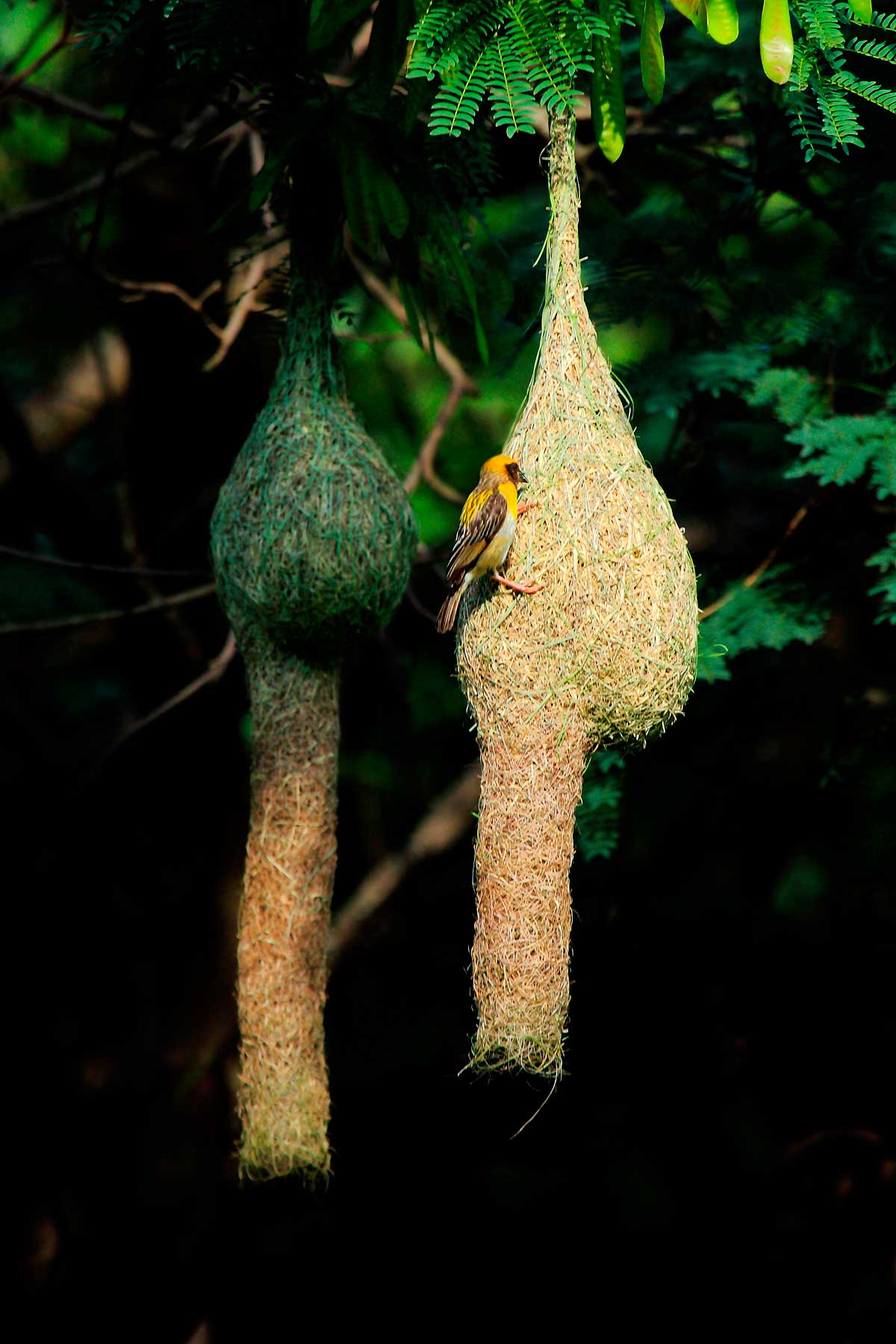
Have you ever stopped to truly admire the intricate craftsmanship of a bird's nest? Beyond the simple collection of twigs and leaves, lies a world of engineering marvel, a testament to instinct, adaptation, and the unwavering drive to nurture new life. These avian abodes are more than just homes; they're architectural wonders crafted with natural materials and built-in precision.
Many of us may glance at a bird's nest and see only a messy jumble. We might not appreciate the thought and effort that goes into its construction, or how perfectly suited it is to its environment and the needs of the birds that call it home. It's easy to overlook the complexity and ingenuity hidden within what seems like a simple structure.
This article aims to shed light on the fascinating world of bird nest architecture. We'll delve into the various construction techniques, the materials used, and the remarkable adaptations that allow birds to create such diverse and effective homes. Prepare to be amazed by the artistry and engineering prowess found in these natural creations.
From the meticulously woven nests of orioles to the mud-daubed homes of swallows, the variety is astounding. We'll explore how different species utilize diverse materials like twigs, grass, mud, spiderwebs, and even saliva to build structures perfectly suited to their needs and environments. We'll uncover the secrets behind their designs and the evolutionary pressures that have shaped these architectural marvels. Get ready to learn about bird nest architecture, construction techniques, materials, adaptations, and evolutionary pressures.
Nest Materials: A Symphony of Nature
I remember being a kid, finding a fallen robin's nest in our backyard after a particularly strong storm. I was fascinated by the different materials used – bits of string, dried grass, even a discarded piece of mylar balloon. It was a tangible example of how resourceful birds are, utilizing whatever is available to them to create a safe haven for their young. This experience sparked a lifelong curiosity about the architecture of bird nests.
Birds are master recyclers and resourceful gatherers. They select materials based on their availability, strength, insulation properties, and flexibility. Twigs provide a foundational framework, while grasses and leaves offer insulation and cushioning. Mud can be used as a binding agent, creating sturdy and weather-resistant walls. Spiderwebs, surprisingly, offer incredible tensile strength and are often used to bind nests together. Some species even incorporate animal hair or feathers for extra warmth and softness. The type of material used often reflects the bird's specific habitat and the resources available in its environment. A bird nesting in a forest will have access to vastly different materials than one nesting in a desert or urban environment, resulting in a wide array of nest building styles. The careful selection and arrangement of these materials are crucial for the nest's structural integrity and the survival of its inhabitants. Learning to identify the materials used can provide clues about the bird species that built the nest, turning a simple observation into a fascinating investigation of the natural world.
Nest Shapes: Form Follows Function
The sheer diversity of nest shapes is truly remarkable. From the simple scrape in the ground used by some ground-nesting birds to the elaborate, hanging nests of orioles and weaverbirds, the form is always dictated by function. Each shape is carefully adapted to protect the eggs and young from predators, weather, and other environmental hazards.
Cup-shaped nests are perhaps the most familiar, providing a secure and comfortable cradle for eggs and chicks. Domed nests offer added protection from rain and wind, while platform nests are often used by larger birds or in areas with limited space. Hanging nests, like those of orioles, are suspended from branches, making it difficult for predators to reach them. Cavity nests, built in tree hollows or rock crevices, provide excellent insulation and protection from the elements. The shape of the nest also plays a role in temperature regulation, with some designs promoting airflow and ventilation while others trap heat. Ultimately, the form of the nest is a direct reflection of the bird's ecological niche and the challenges it faces in its environment. Understanding the relationship between form and function is key to appreciating the ingenuity of bird nest architecture. By carefully observing the shape of a nest, you can often infer valuable information about the bird species that built it, the environment in which it lives, and the specific challenges it faces.
The History and Mythology of Bird Nests
Throughout history, bird nests have held a significant place in human culture, often symbolizing home, family, and new beginnings. In many cultures, finding a bird's nest is considered a sign of good luck, while the act of building a nest is seen as a metaphor for creating a safe and nurturing environment.
In ancient mythology, birds were often associated with deities and the nests they built were considered sacred spaces. Some cultures believed that bird nests possessed magical properties and could be used for healing or divination. In folklore, bird nests are often depicted as places of refuge and protection, representing the comfort and security of home. The act of collecting eggs from a bird's nest has also been a recurring theme in literature and art, often symbolizing fertility and abundance. However, the act of disturbing a nest is often seen as a violation of nature and a symbol of bad luck. The symbolism surrounding bird nests reflects our deep connection to the natural world and our appreciation for the ingenuity and resourcefulness of birds. Today, the study of bird nests continues to fascinate scientists and nature enthusiasts alike, providing valuable insights into bird behavior, ecology, and evolution. Understanding the cultural and historical significance of bird nests adds another layer of appreciation for these remarkable structures.
Hidden Secrets of Bird Nest Construction
Beyond the visible structure of a bird's nest, there are often hidden details that reveal the bird's expertise and ingenuity. For example, some birds use camouflage to disguise their nests, blending them seamlessly with their surroundings. Others incorporate specific materials that deter predators or parasites.
Some birds line their nests with aromatic herbs or plants that repel insects. Others strategically place their nests near wasp nests to deter larger predators. The internal structure of a nest can also be surprisingly complex, with separate layers for insulation, drainage, and ventilation. Some birds even use saliva to create a waterproof lining, protecting their eggs from rain and moisture. The choice of nesting site is also crucial, with birds carefully selecting locations that offer protection from wind, sun, and predators. The orientation of the nest can also be important, with some birds positioning their nests to maximize sunlight exposure or to take advantage of prevailing winds. These hidden details reveal the intricate knowledge and planning that goes into bird nest construction. By carefully studying the structure and location of a nest, you can gain a deeper understanding of the bird's behavior, ecology, and survival strategies. The seemingly simple act of building a nest is actually a complex and carefully orchestrated process that reflects the bird's deep connection to its environment.
Recommendations for Bird Nest Observation
If you're interested in learning more about bird nest architecture, the best way to do so is through careful observation. Look for nests in your backyard, local parks, or nature reserves. Use binoculars to get a closer look without disturbing the birds. Take notes on the nest's shape, size, materials, and location.
Avoid disturbing the nest or getting too close, as this can stress the birds and potentially lead to them abandoning their nest. Observe from a distance and respect their space. You can also use field guides or online resources to help you identify the bird species that built the nest. Pay attention to the surrounding environment and consider how the nest is adapted to its surroundings. Is it camouflaged? Is it sheltered from the wind and rain? Is it located near a food source? By carefully observing these details, you can gain valuable insights into the bird's life and the challenges it faces. Remember to always respect the birds and their habitat. Avoid touching or handling the nest, and never remove it from its location. The best way to appreciate the architecture of bird nests is to observe them in their natural environment, while respecting the birds that built them. With patience and careful observation, you can unlock the secrets of these remarkable structures and gain a deeper appreciation for the ingenuity and resourcefulness of birds.
Ethical Considerations When Observing Nests
It's crucial to approach bird nest observation with respect and responsibility. Avoid causing any disturbance to the birds or their nests. Keep a safe distance, use binoculars for closer viewing, and never touch or handle the nest. Remember that birds are sensitive to human presence, and any disruption can stress them and potentially lead to nest abandonment.
Never approach a nest too closely, especially during nesting season. The presence of humans can attract predators and expose the nest to danger. Avoid making loud noises or sudden movements that could startle the birds. If you accidentally disturb a nest, back away immediately and allow the birds to return. It's also important to avoid trampling vegetation or disturbing the surrounding habitat. Stick to established trails and avoid venturing into areas with dense vegetation. When taking photographs, use a telephoto lens to avoid getting too close to the nest. Never use flash photography, as this can disorient the birds. Remember that the primary goal is to observe and appreciate the birds and their nests without causing any harm or disturbance. By following these ethical guidelines, you can enjoy the beauty and wonder of bird nest architecture while protecting the birds and their habitat. Responsible observation is key to ensuring that future generations can also appreciate the natural world and the remarkable ingenuity of birds.
Nest Building: A Collaborative Effort?
While some bird species construct nests entirely on their own, others engage in collaborative nest building, with both the male and female contributing to the process. In some cases, even other members of the family or flock may assist in the construction.
Collaborative nest building is often seen in species where the nest is particularly complex or requires a significant amount of effort. The division of labor can vary, with one bird focusing on gathering materials while the other constructs the nest. In some species, both birds work together to weave the nest, using their beaks and feet to manipulate the materials. Collaborative nest building can strengthen the pair bond between the male and female, as they work together towards a common goal. It can also increase the efficiency of the nest building process, allowing the birds to complete the task more quickly. In some species, young birds may even learn to build nests by observing and assisting their parents. Collaborative nest building is a fascinating example of cooperation and teamwork in the animal kingdom. It highlights the importance of social bonds and communication in achieving complex tasks. By working together, birds can create stronger and more elaborate nests, increasing their chances of successfully raising their young. The study of collaborative nest building provides valuable insights into the social behavior and communication skills of birds.
Nest Camouflage: A Masterclass in Disguise
Many birds employ camouflage to conceal their nests from predators. They carefully select materials that blend seamlessly with their surroundings, making it difficult for predators to spot the nest. Some birds even decorate their nests with lichen, moss, or other natural materials to further enhance the camouflage.
The effectiveness of nest camouflage depends on a number of factors, including the type of habitat, the behavior of predators, and the skill of the bird in selecting and arranging materials. Birds that nest in open areas, such as grasslands or meadows, often use camouflage to blend their nests with the surrounding vegetation. They may use grasses, leaves, or twigs that match the color and texture of the environment. Birds that nest in forests or woodlands may use lichen, moss, or bark to camouflage their nests against the trees. The key is to create a visual illusion that makes the nest difficult to distinguish from its surroundings. Some birds even change the camouflage of their nests over time, as the seasons change and the surrounding vegetation alters its color. This requires a keen eye and a constant effort to maintain the camouflage. Nest camouflage is a remarkable adaptation that demonstrates the ingenuity and resourcefulness of birds. By blending their nests with their surroundings, they can significantly reduce the risk of predation and increase their chances of successfully raising their young. The study of nest camouflage provides valuable insights into the predator-prey dynamics in different ecosystems.
Fun Facts About Bird Nests
Did you know that some bird nests can weigh hundreds of pounds? Or that some species use saliva to glue their nests together? The world of bird nests is full of surprising and fascinating facts.
For example, the social weaver bird of southern Africa builds massive communal nests that can house hundreds of birds. These nests are so large that they can support the weight of a human. The rufous hornero of South America builds oven-shaped nests out of mud that become incredibly strong and durable. The edible-nest swiftlet of Southeast Asia builds nests entirely out of its own saliva, which is then harvested and used to make bird's nest soup. The hummingbird, on the other hand, builds tiny, delicate nests that are often no larger than a thimble. The maleo bird of Indonesia buries its eggs in volcanic sand, where the heat incubates them. These are just a few examples of the incredible diversity and ingenuity of bird nest architecture. Exploring the world of bird nests is a journey into a realm of surprising adaptations, remarkable behaviors, and fascinating ecological relationships. Each nest tells a story about the bird that built it, its environment, and the challenges it faces. By learning more about bird nests, we can gain a deeper appreciation for the complexity and beauty of the natural world.
How to Attract Nesting Birds to Your Yard
If you want to attract nesting birds to your yard, there are several things you can do. Provide a variety of native plants that offer food and shelter. Put up birdhouses of different sizes and shapes to cater to different species. Offer nesting materials like dried grass, twigs, and cotton.
Avoid using pesticides or herbicides, as these can harm birds and their young. Provide a source of clean water, such as a birdbath or small pond. Keep your cat indoors, as cats are a major threat to nesting birds. Create a brush pile in a corner of your yard to provide cover and nesting habitat. Leave dead trees or branches standing, as these can provide nesting cavities for woodpeckers and other birds. Plant trees and shrubs that offer berries and seeds, providing a natural food source for birds. By creating a bird-friendly environment in your yard, you can attract a variety of nesting birds and enjoy the beauty and wonder of watching them raise their young. Remember to be patient, as it may take some time for birds to discover and utilize your yard. But with a little effort, you can transform your yard into a haven for nesting birds and contribute to the conservation of these important creatures.
What if Bird Nests Disappeared?
The disappearance of bird nests would have significant ecological consequences. It would lead to a decline in bird populations, as birds would have difficulty finding suitable places to raise their young. This, in turn, would impact the food web and other ecological processes.
Birds play a vital role in many ecosystems, controlling insect populations, pollinating plants, and dispersing seeds. A decline in bird populations could lead to imbalances in these ecosystems, with cascading effects on other species. The loss of bird nests would also have cultural and aesthetic impacts, as people would no longer be able to enjoy the beauty and wonder of watching birds build their nests and raise their young. Bird nests are a symbol of home, family, and new beginnings. Their disappearance would be a loss for both the natural world and human society. It is therefore crucial to protect bird habitats and promote responsible bird conservation practices. By protecting birds and their nests, we can ensure that these important creatures continue to thrive and contribute to the health and well-being of our planet. The disappearance of bird nests would be a silent tragedy, a reminder of the interconnectedness of all living things and the importance of protecting biodiversity.
A Listicle of Amazing Bird Nest Facts
1. Some birds use spiderwebs to bind their nests together.
2. The social weaver bird builds nests that can house hundreds of birds.
3. Hummingbird nests are often no larger than a thimble.
4. Some birds line their nests with aromatic herbs to repel insects.
5. The edible-nest swiftlet builds nests entirely out of its own saliva.
6. The rufous hornero builds oven-shaped nests out of mud.
7. Maleo birds bury their eggs in volcanic sand.
8. Some birds build their nests near wasp nests for protection.
9. The shape of a bird's nest can provide clues about its species.
10. Bird nests are often camouflaged to blend in with their surroundings. These are just a few of the amazing facts about bird nests. The world of bird nests is full of surprises and wonders, waiting to be discovered. By exploring the architecture, materials, and adaptations of bird nests, we can gain a deeper appreciation for the ingenuity and resourcefulness of birds. Bird nests are more than just homes; they are masterpieces of natural engineering, reflecting the complex ecological relationships and evolutionary pressures that shape the natural world. So next time you see a bird nest, take a moment to appreciate its beauty, complexity, and the incredible story it tells about the life of a bird.
Question and Answer about The Architecture of Bird Nests
Q: What materials do birds use to build their nests?
A: Birds use a wide variety of materials, including twigs, grass, leaves, mud, spiderwebs, animal hair, feathers, and even saliva. The specific materials used depend on the bird species, the availability of materials in the environment, and the nest's intended function.
Q: How do birds choose a nesting site?
A: Birds carefully select nesting sites that offer protection from predators, weather, and other environmental hazards. They may choose locations that are concealed, sheltered, or located near a food source. Some birds also consider the orientation of the nest, positioning it to maximize sunlight exposure or take advantage of prevailing winds.
Q: How can I attract nesting birds to my yard?
A: You can attract nesting birds to your yard by providing a variety of native plants that offer food and shelter, putting up birdhouses of different sizes and shapes, offering nesting materials, avoiding pesticides and herbicides, providing a source of clean water, and keeping your cat indoors.
Q: Why is it important to protect bird nests?
A: Bird nests are essential for the survival of bird populations. They provide a safe and secure place for birds to raise their young. Protecting bird nests helps to maintain healthy bird populations and support the ecological processes that birds play in the ecosystem.
Conclusion of The Architecture of Bird Nests
The architecture of bird nests is a testament to the ingenuity, resourcefulness, and adaptability of birds. From the selection of materials to the design and construction of the nest, every aspect is carefully tailored to the bird's specific needs and environment. By studying bird nests, we can gain a deeper understanding of bird behavior, ecology, and evolution, and appreciate the remarkable diversity and complexity of the natural world. So, the next time you encounter a bird's nest, take a moment to marvel at its intricate design and consider the incredible story it tells about the lives of these amazing creatures.
0 Response to "The Architecture of Bird Nests"
Post a Comment