How Animals Use Camouflage to Avoid Predators
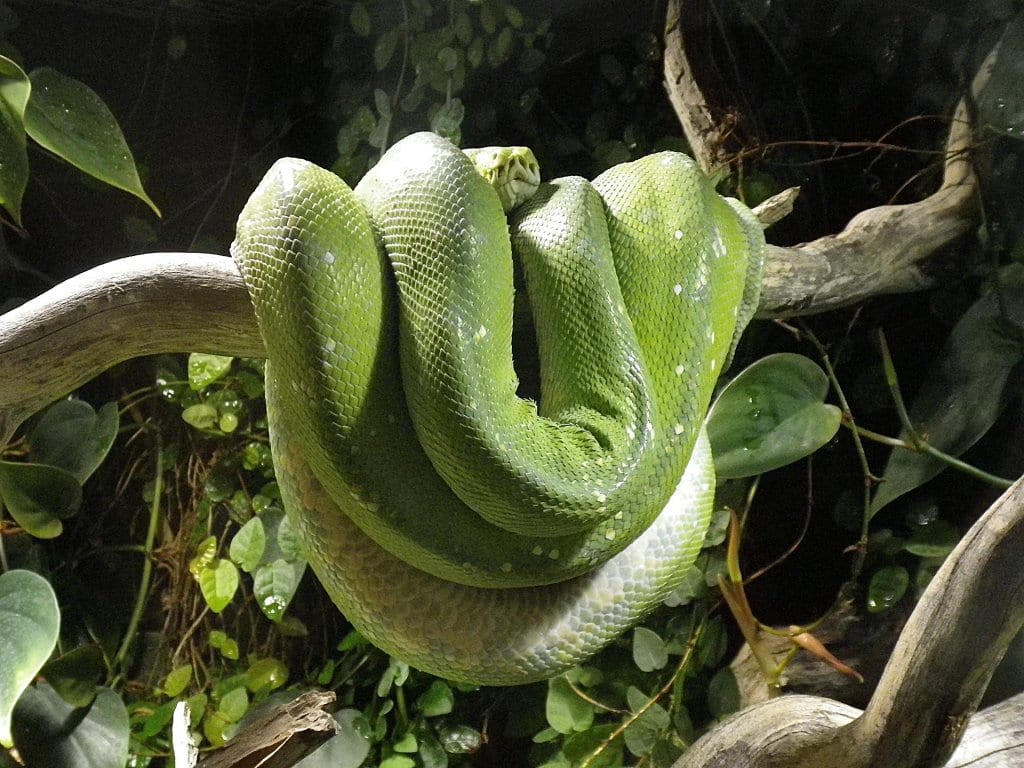
Imagine walking through a forest and suddenly, a creature seems to materialize right before your eyes. It was there all along, but you just couldn't see it! This is the magic of camouflage, a survival strategy employed by countless animals in the wild. From the leafy sea dragon blending seamlessly with seaweed to the chameleon changing its colors to match its surroundings, the animal kingdom is full of masters of disguise.
Ever wonder how certain animals seem to disappear into their backgrounds? Do you find yourself struggling to spot wildlife, even when you know it's there? Understanding the nuances of camouflage can be tricky, as it's not just about blending in. It's a complex interplay of color, pattern, and behavior that allows animals to evade predators and survive in a dangerous world.
This post dives into the fascinating world of animal camouflage, exploring the different types of camouflage, the animals that use them, and the science behind this incredible adaptation. We'll uncover the secrets of how animals use camouflage to avoid becoming someone else's lunch and gain a deeper appreciation for the ingenuity of nature.
Camouflage is an essential survival mechanism in the animal kingdom. It involves blending in with the environment to avoid detection by predators. Different types of camouflage, such as crypsis, disruptive coloration, and mimicry, enable animals to conceal themselves effectively. Masters of disguise, like chameleons, leafy sea dragons, and stick insects, showcase the incredible diversity and effectiveness of this adaptation. Ultimately, camouflage is a testament to the power of natural selection and the constant struggle for survival in the wild.
The Art of Blending In: Crypsis
Crypsis, or background matching, is perhaps the most recognizable form of camouflage. I remember hiking in the Rocky Mountains a few years ago, searching for ptarmigans, a type of grouse that lives in the alpine tundra. They're known for their incredible camouflage, changing their plumage with the seasons. In the summer, they're mottled brown and gray, blending perfectly with the rocks and vegetation. It took me hours to finally spot one, and even then, it was only because it moved slightly! That experience really highlighted how effective crypsis can be.
Crypsis is more than just being the same color as your environment; it's about matching the patterns and textures as well. Think of a moth that perfectly resembles a piece of tree bark, or a flounder that can change its skin pattern to match the seabed. These animals have evolved incredibly sophisticated ways of analyzing their surroundings and adapting their appearance accordingly. The process often involves specialized pigment cells called chromatophores, which allow them to rapidly change their skin color and patterns. Some animals, like cephalopods (squid, octopuses, and cuttlefish), have extremely complex chromatophore systems, enabling them to create elaborate displays for camouflage, communication, and even hunting.
Disruptive Coloration: Breaking the Silhouette
Disruptive coloration isn't about blending in; it's about breaking up the animal's outline. Imagine a zebra with its bold black and white stripes. At first glance, it seems counterintuitive – wouldn't those stripes make it more visible? However, when a herd of zebras is standing together, the stripes create a confusing visual pattern that makes it difficult for predators like lions to pick out individual animals. The edges of each zebra seem to blur into the surrounding stripes, making it harder to distinguish where one animal ends and another begins.
This type of camouflage is particularly effective in dense vegetation or amongst groups of animals. The contrasting patterns disrupt the predator's ability to perceive the prey's true shape and size. Think of a leopard with its spotted coat; the spots break up its outline, making it harder to see in the dappled sunlight of the forest. Or consider a fish with vertical stripes; these stripes can help it blend in with reeds or other vertical structures in the water. Disruptive coloration is a clever way to confuse predators and increase the chances of survival, even when blending in completely isn't possible.
Mimicry: The Art of Deception
Mimicry takes camouflage to another level. It's not just about blending in with the environment; it's about resembling something else entirely. One fascinating example is the viceroy butterfly, which mimics the monarch butterfly. Monarch butterflies are poisonous to many predators, thanks to the milkweed they consume as caterpillars. Predators that have had a bad experience with a monarch butterfly will avoid anything that looks similar. The viceroy butterfly, although not poisonous itself, benefits from this by looking like the monarch. This is known as Batesian mimicry, where a harmless species mimics a harmful one.
There's also Müllerian mimicry, where two or more harmful species mimic each other. This benefits all the species involved, as predators learn to avoid the shared warning signal more quickly. Think of different species of brightly colored poison dart frogs; their similar appearance reinforces the message to predators that they are not to be eaten. Mimicry is a testament to the power of evolution, demonstrating how animals can evolve to resemble not just their surroundings, but also other organisms, for their own survival advantage.
Beyond Color: Behavioral Camouflage
Camouflage isn't just about appearance; behavior plays a crucial role too. Imagine a stick insect perfectly resembling a twig. It wouldn't be very effective if the insect was constantly moving around. To maintain the illusion, stick insects move slowly and deliberately, swaying gently in the breeze like a real twig. This is an example of behavioral camouflage, where an animal's behavior enhances its camouflage and makes it more effective.
Another example is the bittern, a type of heron that lives in marshes. When threatened, bitterns will freeze in place, pointing their beaks skyward and swaying gently with the reeds. This behavior makes them incredibly difficult to spot, as they blend seamlessly with the surrounding vegetation. Behavioral camouflage can also involve choosing specific habitats or times of day to be active. For example, nocturnal animals often have camouflage that is effective in low light conditions, while diurnal animals have camouflage that is designed to work in bright sunlight. By combining appearance with appropriate behavior, animals can maximize their camouflage and increase their chances of survival.
The Science of Seeing (or Not Seeing)
Understanding how camouflage works requires understanding how predators see. Different animals have different visual systems, and what appears camouflaged to one predator might be obvious to another. For example, many birds have excellent color vision, while mammals often rely more on scent and movement. This means that an animal that is camouflaged to avoid a bird predator might still be vulnerable to a mammal predator. Some animals even have camouflage that is specifically designed to target the visual system of their main predator. For example, some moths have patterns on their wings that resemble the eyes of larger animals, which can startle or deter predators.
The effectiveness of camouflage also depends on the environment. An animal that is perfectly camouflaged in one habitat might be easily spotted in another. This is why animals often have different camouflage strategies depending on where they live. For example, an arctic fox has a white coat in the winter to blend in with the snow, but it sheds its white coat in the summer and grows a brown coat to blend in with the tundra. Understanding the science of seeing, and how different animals perceive the world, is crucial for understanding the evolution and effectiveness of camouflage.
Tips for Spotting Camouflaged Creatures
Want to improve your chances of spotting camouflaged creatures in the wild? Here are a few tips: First, move slowly and deliberately. Rapid movements can startle animals and cause them to flee, making them even harder to spot. Second, scan the environment carefully, looking for anything that seems out of place. Pay attention to patterns, textures, and colors that don't quite match the surroundings. Third, use binoculars to get a closer look at potential camouflage. Binoculars can help you see details that you might miss with the naked eye. Fourth, learn about the animals that live in the area you're visiting and their camouflage strategies. Knowing what to look for can greatly increase your chances of spotting them.
Finally, be patient. Spotting camouflaged animals can take time and effort. Don't get discouraged if you don't see anything right away. Keep looking, and eventually, you'll be rewarded with a glimpse of a master of disguise. Remember to always observe wildlife from a safe distance and avoid disturbing their habitat.
The Evolutionary Arms Race
Camouflage isn't a static trait; it's constantly evolving in response to changes in the environment and the evolution of predators. This creates an evolutionary arms race, where predators and prey are constantly trying to outsmart each other. As predators become better at detecting camouflage, prey evolve more sophisticated camouflage strategies. And as prey become better at camouflaging themselves, predators evolve better ways of detecting them. This constant back-and-forth drives the evolution of ever more complex and effective camouflage techniques.
This evolutionary arms race can lead to some truly remarkable adaptations. For example, some predators have evolved the ability to see ultraviolet light, which allows them to detect prey that is camouflaged to human eyes. In response, some prey have evolved camouflage that is also effective in the ultraviolet spectrum. The evolutionary arms race between predators and prey is a powerful force driving the diversity and complexity of life on Earth.
Fun Facts About Camouflage
Did you know that some animals can change their camouflage in response to their environment in a matter of seconds? Cephalopods like octopuses and cuttlefish are masters of disguise, using specialized pigment cells called chromatophores to rapidly change their skin color and patterns. They can even mimic the texture of rocks and seaweed! Another fun fact is that some animals use camouflage not just to avoid predators, but also to ambush prey. For example, the anglerfish uses a bioluminescent lure to attract unsuspecting fish, which it then snatches up with its large jaws.
Camouflage is also used by humans in military applications. Military camouflage is designed to help soldiers blend in with their surroundings and avoid detection by the enemy. This can involve using camouflage clothing, vehicles, and equipment, as well as employing camouflage techniques to conceal positions and movements. The development of military camouflage is an ongoing process, with new and more effective camouflage strategies being developed all the time.
How to Research Animal Camouflage
Interested in learning more about animal camouflage? There are many resources available to help you delve deeper into this fascinating topic. Start by visiting your local library or bookstore and checking out books on animal behavior, evolution, and camouflage. You can also find a wealth of information online, including scientific articles, documentaries, and educational websites. Look for reputable sources that are based on scientific research and avoid websites that promote pseudoscience or misinformation.
Another great way to learn about animal camouflage is to visit a zoo or aquarium. Many zoos and aquariums have exhibits that showcase the camouflage strategies of different animals. You can also attend lectures and workshops on animal behavior and ecology. Finally, consider joining a nature club or conservation organization. These groups often organize field trips and educational activities that can help you learn more about the natural world and the amazing adaptations of animals.
What If Camouflage Didn't Exist?
Imagine a world where camouflage didn't exist. What would happen to the animals that rely on it for survival? The consequences would be dramatic. Many prey animals would be much more vulnerable to predators, leading to a decline in their populations. Predators, in turn, would struggle to find food, which could also lead to population declines. The entire ecosystem would be disrupted, with cascading effects throughout the food web. The world would be a much less diverse and interesting place without the amazing camouflage adaptations of animals.
Camouflage is a crucial adaptation that plays a vital role in maintaining the balance of nature. It allows animals to survive and thrive in a world full of predators and prey. Without camouflage, many species would simply disappear. This highlights the importance of protecting natural habitats and preserving biodiversity, so that these amazing adaptations can continue to evolve and flourish.
Top 5 Masters of Camouflage: A Listicle
Here's a list of five incredible animals that showcase the power of camouflage:
- Chameleon: These lizards are famous for their ability to change their skin color to match their surroundings. They use specialized pigment cells called chromatophores to create a wide range of colors and patterns.
- Leafy Sea Dragon: These fish are masters of crypsis, resembling seaweed with their elaborate appendages and coloration. They are almost impossible to spot in their natural habitat.
- Stick Insect: These insects perfectly mimic twigs and branches, blending seamlessly with the vegetation. They also exhibit behavioral camouflage, swaying gently in the breeze like a real twig.
- Octopus: These cephalopods are incredibly intelligent and adaptable, using their chromatophores to change their skin color and texture in a matter of seconds. They can even mimic the appearance of other animals.
- Snow Leopard: With their mottled gray and white fur, snow leopards blend perfectly with the rocky terrain of their high-altitude habitat. They are elusive and difficult to spot, even for experienced trackers.
Question and Answer About Animal Camouflage
Here are some common questions about animal camouflage:
- Question: What is the main purpose of camouflage?
Answer: The main purpose of camouflage is to help animals avoid detection by predators or prey. - Question: What are the different types of camouflage?
Answer: The different types of camouflage include crypsis (background matching), disruptive coloration, and mimicry. - Question: How do animals change their camouflage?
Answer: Some animals, like chameleons and octopuses, can change their camouflage rapidly using specialized pigment cells. Others, like arctic foxes, change their camouflage seasonally by shedding and growing new fur. - Question: Is camouflage only used by prey animals?
Answer: No, camouflage is also used by predators to ambush prey. For example, the anglerfish uses a bioluminescent lure to attract unsuspecting fish.
Conclusion of How Animals Use Camouflage to Avoid Predators
From the depths of the ocean to the highest mountain peaks, camouflage is a vital survival strategy for countless animals. It's a testament to the power of natural selection and the constant struggle for survival in the wild. By understanding the different types of camouflage and the animals that use them, we can gain a deeper appreciation for the ingenuity and diversity of the natural world. So next time you're out in nature, take a closer look – you might just be surprised by what you see (or don't see!). The world of animal camouflage is full of wonder and intrigue, waiting to be discovered.
0 Response to "How Animals Use Camouflage to Avoid Predators"
Post a Comment