The Fascinating World of Insects: Small Creatures with Big Roles
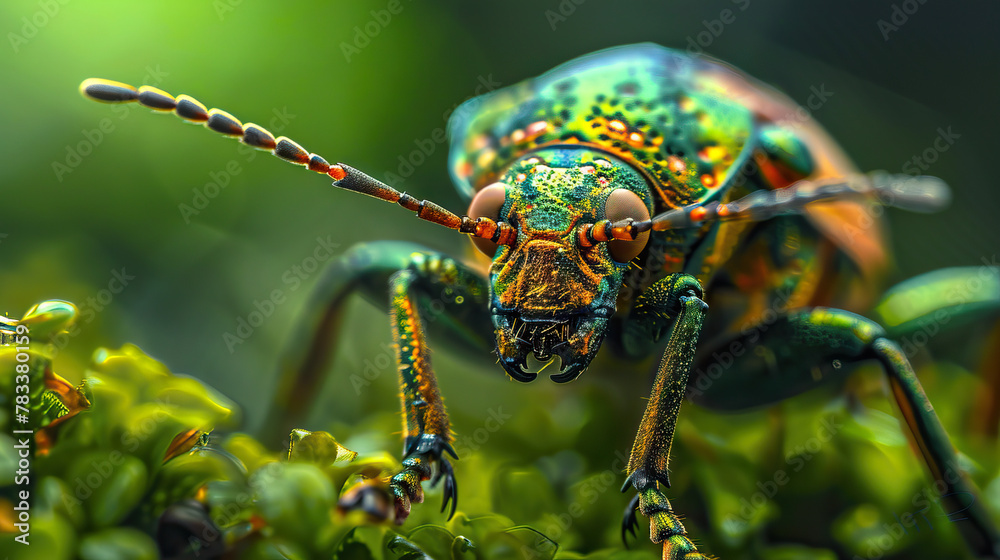
Did you know that the world beneath our feet, buzzing around our heads, and crawling through our gardens is teeming with life far more complex and vital than we often realize? We're talking about insects – the unsung heroes (and sometimes villains) of our planet.
It's easy to overlook the importance of these tiny creatures. Maybe you've been stung by a bee, swatted away a mosquito, or found ants marching through your kitchen. These experiences can lead to frustration and even fear, obscuring the bigger picture of their crucial roles.
This article aims to shed light on the incredible world of insects, revealing their fascinating behaviors, their critical functions in our ecosystems, and why we should all appreciate these small creatures with big roles.
We'll delve into their ecological significance, explore intriguing facts and myths, uncover some surprising secrets, and even offer some recommendations for further exploration. Prepare to have your perception of the insect world transformed!
A Personal Encounter with the Insect World
My own appreciation for insects grew from a rather unexpected experience. Growing up, I was terrified of anything with more than four legs. Spiders, ants, even butterflies – they all sent shivers down my spine. It wasn't until a college biology class that my perspective began to shift. We spent a semester studying entomology, and I was forced to confront my fears head-on. One particular lab assignment involved observing a colony of ants. Initially, I was hesitant, keeping my distance and recoiling at every movement. But as I spent more time observing their intricate social structure, their tireless work ethic, and their complex communication, I started to see them in a completely new light. I witnessed them caring for their young, defending their colony, and building elaborate tunnels with remarkable precision.
This experience opened my eyes to the incredible diversity and complexity of the insect world. Insects, despite their small size, play crucial roles in ecosystems around the world. They are pollinators, decomposers, predators, and prey, contributing to the delicate balance of nature. They pollinate our crops, break down organic matter, control pest populations, and serve as a food source for larger animals. Without insects, our world would be a very different place. This personal shift completely changed my perspective, from fear to fascination, allowing me to see the vital contribution these tiny creatures make to our world.
Furthermore, the impact of climate change on insect populations and the subsequent consequences for our food supply is a pressing concern. Learning about insects means understanding a vital piece of the puzzle in maintaining the health of our planet.
What Exactly is "The Fascinating World of Insects?"
"The Fascinating World of Insects" is essentially a deep dive into the realm of entomology, the scientific study of insects. It's about recognizing that these often-overlooked creatures are not just pests or nuisances, but are integral components of our world's ecosystems and hold a significant place in its history and future. It's an invitation to discover the astonishing diversity, behaviors, and ecological roles of insects, highlighting their importance for the environment and human society.
Consider, for example, the intricate societies of ants and bees. Their complex social structures, division of labor, and sophisticated communication methods are truly remarkable. Or think about the incredible adaptations insects have developed to survive in diverse environments, from the camouflage of a praying mantis to the resilience of a cockroach. Even the seemingly simple act of pollination, largely carried out by insects, is essential for the production of many of the foods we rely on. Exploring this fascinating world means uncovering the intricate web of life that connects us all, revealing the vital roles these small creatures play in maintaining the health and stability of our planet.
Furthermore, the study of insects can offer invaluable insights into fields like medicine, engineering, and robotics. By understanding how insects have evolved to overcome challenges, we can develop new technologies and solutions to pressing problems. "The Fascinating World of Insects" is therefore an invitation to appreciate the beauty, complexity, and importance of these often-underappreciated creatures, inspiring a sense of wonder and respect for the natural world.
Insects: History, Myths, and Legends
Insects have woven their way into human history and culture for millennia, appearing in myths, legends, and art across the globe. Ancient Egyptians revered scarab beetles, associating them with rebirth and immortality. The Greeks saw grasshoppers as symbols of music and poetry. In many cultures, butterflies represent transformation and the soul. These symbolic representations reflect the profound impact insects have had on human imagination and spirituality.
Beyond mythology, insects have also played significant roles in historical events. Silkworms, for instance, were central to the development of the Silk Road, a major trade route that connected the East and West for centuries. Honeybees have been domesticated for their honey and wax for thousands of years, providing essential resources and shaping agricultural practices. Even the humble locust has left its mark on history, with devastating plagues causing widespread famine and social upheaval.
Exploring the history and myths surrounding insects allows us to appreciate their cultural significance and understand how humans have interacted with these creatures throughout time. It also highlights the complex relationship we have with insects, ranging from reverence and admiration to fear and repulsion. By examining these historical and cultural perspectives, we can gain a deeper understanding of our own place in the natural world and the importance of protecting the biodiversity that surrounds us.
Hidden Secrets of the Insect World
The insect world is full of hidden secrets waiting to be uncovered. Consider the remarkable camouflage techniques employed by many insects, allowing them to blend seamlessly into their surroundings. Stick insects, for example, perfectly mimic twigs and branches, while leaf insects resemble foliage with astonishing accuracy. These adaptations are crucial for survival, helping insects evade predators and ambush prey.
Another fascinating secret is the ability of some insects to undergo complete metamorphosis, transforming from larvae into drastically different adult forms. Butterflies, moths, beetles, and flies all exhibit this remarkable process, which involves a complete reorganization of their body structure. Understanding the genetic and developmental mechanisms that control metamorphosis is a major area of research in entomology.
Perhaps one of the most surprising secrets of the insect world is the existence of symbiotic relationships, where different species of insects cooperate for mutual benefit. Ants, for example, often form partnerships with aphids, protecting them from predators in exchange for honeydew, a sugary substance they produce. These complex interactions highlight the interconnectedness of ecosystems and the importance of cooperation in the natural world.
Recommendations for Exploring the Insect World
If you're eager to delve deeper into the fascinating world of insects, there are countless resources available to you. Start by visiting your local library or bookstore and exploring books on entomology, insect identification, and natural history. Field guides are particularly useful for identifying insects in your area, while documentaries and nature programs can offer stunning visuals and insights into insect behavior.
Another great way to learn about insects is to get involved in citizen science projects. Many organizations offer opportunities for volunteers to collect data on insect populations, track migration patterns, and monitor the impact of climate change. These projects are a fun and engaging way to contribute to scientific research and learn about insects firsthand.
Finally, consider visiting a local insect museum or butterfly garden. These facilities offer educational exhibits, live insect displays, and opportunities to interact with entomologists and other experts. They're a great way to learn about insect diversity, behavior, and conservation efforts.
Insect Anatomy: More Than Just Six Legs
When we think of insects, we often think of their defining characteristic: six legs. But insect anatomy is far more complex and fascinating than just that. The insect body is divided into three main parts: the head, thorax, and abdomen. Each of these sections plays a crucial role in the insect's survival and daily life. The head houses the sensory organs, including antennae for detecting smells and vibrations, compound eyes for vision, and mouthparts for feeding. These mouthparts can be highly specialized depending on the insect's diet, ranging from the piercing-sucking mouthparts of mosquitoes to the chewing mouthparts of beetles.
The thorax is the center of locomotion, bearing the insect's legs and wings. Most adult insects have six legs, arranged in three pairs, and many also have two pairs of wings, although some, like ants, may be wingless. The wings are attached to the thorax and are made of thin membranes supported by veins. The structure and function of insect wings are incredibly diverse, allowing for a wide range of flight styles, from the hovering of hummingbirds moths to the rapid wingbeats of flies.
The abdomen contains the insect's digestive, reproductive, and excretory systems. It is typically segmented and flexible, allowing the insect to move and breathe. The abdomen also contains spiracles, small openings that allow air to enter the insect's body for respiration. Overall, insect anatomy is a testament to the evolutionary success of these creatures, enabling them to thrive in a wide variety of habitats and ecological niches. By understanding the basic structure and function of the insect body, we can gain a deeper appreciation for the complexity and ingenuity of the natural world.
Tips for Attracting Beneficial Insects to Your Garden
Attracting beneficial insects to your garden is a great way to promote natural pest control and create a healthy, thriving ecosystem. One of the best ways to do this is by planting a diverse range of flowers and plants that provide food and shelter for beneficial insects. Native plants are particularly effective, as they are adapted to the local climate and provide the specific resources that native insects need.
Another important tip is to avoid using pesticides, which can harm or kill beneficial insects as well as pests. If you need to control pests, consider using natural methods such as hand-picking, introducing beneficial nematodes, or applying insecticidal soap or neem oil. These methods are less harmful to beneficial insects and can be just as effective at controlling pests.
Finally, provide a water source for insects, such as a shallow dish of water with pebbles or a bird bath. Insects need water just like any other animal, and providing a reliable water source can help attract them to your garden. By following these tips, you can create a welcoming habitat for beneficial insects and enjoy a healthy, pest-free garden.
The Importance of Pollinators: Beyond Honeybees
While honeybees often get the spotlight when we talk about pollinators, it's important to remember that they are just one of many species that contribute to pollination. Native bees, butterflies, moths, flies, beetles, and even some wasps and ants all play a role in transferring pollen from one flower to another, enabling plants to reproduce. In fact, many plants rely on specific types of pollinators for successful reproduction.
Native bees, for example, are often more efficient pollinators than honeybees because they are adapted to the local flora and have evolved specialized behaviors for collecting pollen. Butterflies and moths are attracted to brightly colored flowers and can travel long distances, making them important pollinators for some plant species. Flies, despite their reputation as pests, are also important pollinators, especially for flowers that have a strong, pungent odor.
Protecting and supporting all types of pollinators is essential for maintaining healthy ecosystems and ensuring food security. By planting a diverse range of flowers and plants, avoiding pesticides, and providing habitat for pollinators, we can help ensure that these vital creatures continue to thrive.
Fun Facts About Insects That Will Blow Your Mind
The world of insects is full of surprises! Did you know that some insects can survive being frozen solid? Or that some ants can lift objects 50 times their own weight? These are just a few of the many amazing facts that make insects so fascinating.
Another fun fact is that some insects can communicate with each other using chemical signals called pheromones. Ants, for example, use pheromones to mark trails to food sources and to signal danger to other members of the colony. Butterflies also use pheromones to attract mates, and some moths can detect pheromones from miles away.
Perhaps one of the most mind-blowing facts about insects is their sheer diversity. There are more species of insects on Earth than all other animal species combined. In fact, scientists estimate that there are millions of insect species yet to be discovered. This incredible diversity reflects the evolutionary success of insects and their ability to adapt to a wide range of environments.
How to Identify Common Insects in Your Backyard
Identifying the insects in your backyard can be a fun and educational activity. Start by observing the insects closely and noting their size, shape, color, and behavior. Use a field guide or online resource to help you identify the insects you find. Pay attention to the insect's habitat and the plants it is feeding on, as this can provide clues to its identity.
Another helpful tip is to take photos of the insects you find and compare them to images in your field guide or online resource. You can also use insect identification apps, which can identify insects based on photos you take with your smartphone.
If you're having trouble identifying an insect, consider contacting your local extension office or insect museum. They may be able to help you identify the insect or provide you with additional resources.
What If Insects Disappeared? A World Without Tiny Titans
Imagine a world without the buzzing of bees, the chirping of crickets, or the fluttering of butterflies. It might seem peaceful at first, but the consequences of insect disappearance would be devastating. Insects play vital roles in ecosystems around the world, and their loss would have far-reaching impacts on the environment and human society.
One of the most immediate consequences would be the collapse of many food chains. Insects are a major food source for birds, fish, reptiles, amphibians, and mammals. Without insects, these animals would struggle to survive, leading to declines in their populations.
Another major consequence would be the disruption of pollination. Many plants rely on insects to transfer pollen from one flower to another, enabling them to reproduce. Without insect pollinators, many crops and wild plants would fail to produce seeds, leading to food shortages and ecosystem collapse.
Listicle: Top 5 Reasons to Appreciate Insects
Here's a quick list of reasons why we should all appreciate insects:
- They are essential pollinators, ensuring the production of many of the foods we eat.
- They help control pest populations, reducing the need for harmful pesticides.
- They are a vital food source for many animals, supporting complex food chains.
- They play a crucial role in decomposition, breaking down organic matter and recycling nutrients.
- They are incredibly diverse and fascinating creatures, with a wide range of adaptations and behaviors.
By recognizing the importance of insects, we can take steps to protect them and their habitats, ensuring that these tiny titans continue to play their vital roles in the world.
Question and Answer
Here are some common questions about insects:
Q: Are all insects pests?
A: No, most insects are not pests. In fact, many insects are beneficial, playing important roles in pollination, pest control, and decomposition.
Q: What is the most important thing I can do to help insects?
A: The most important thing you can do is protect their habitats. Plant native flowers and plants, avoid using pesticides, and provide water sources for insects.
Q: How many species of insects are there?
A: Scientists estimate that there are millions of insect species on Earth, with many yet to be discovered.
Q: What is entomology?
A: Entomology is the scientific study of insects.
Conclusion of The Fascinating World of Insects
Insects are often overlooked, but they are essential to the health and functioning of our planet. From pollination and pest control to decomposition and food chains, insects play vital roles in ecosystems around the world. By learning about these fascinating creatures, we can gain a deeper appreciation for the natural world and take steps to protect them and their habitats. So, the next time you see an insect, take a moment to appreciate its beauty, complexity, and importance.
0 Response to "The Fascinating World of Insects: Small Creatures with Big Roles"
Post a Comment