What Colors Do Birds See?
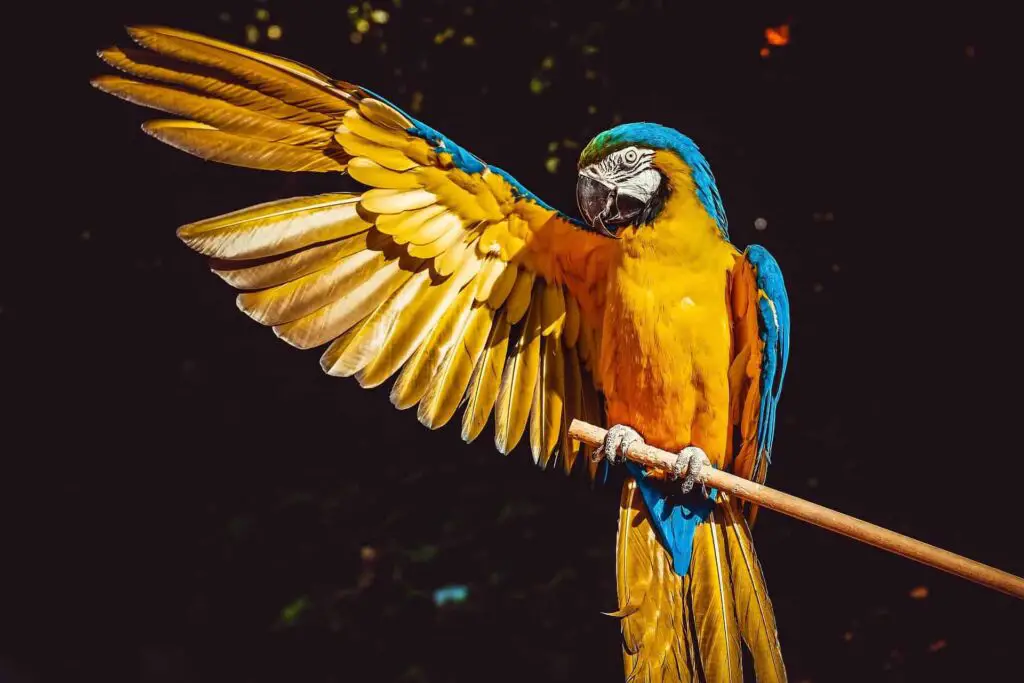
Have you ever looked at a vibrant flower and wondered if a bird sees it the same way you do? It's a fascinating question that opens up a whole new perspective on how different species experience the world around them.
We often take our own vision for granted, assuming that everyone perceives colors in a similar manner. But what if the birds flitting around your garden are seeing a world far richer and more complex than you ever imagined? This idea challenges our understanding of reality and prompts us to consider the limitations of our own senses.
Birds possess a visual system that is, in many ways, superior to our own. They can see a wider range of colors, including ultraviolet (UV) light, which is invisible to the human eye. This expanded color perception plays a crucial role in various aspects of their lives, from foraging for food and selecting mates to navigating their environment.
In short, birds see a world teeming with colors we can only dream of. Their ability to perceive UV light provides them with a unique advantage, allowing them to find food, choose partners, and navigate in ways we're just beginning to understand. We'll explore the science behind avian vision, delve into how they use their color perception, and uncover some fascinating facts about the visual world of birds.
A Personal Encounter with Avian Vision
I remember the first time I truly considered how different a bird's world might be. I was hiking in the mountains, surrounded by wildflowers in every imaginable shade. A hummingbird zipped past, its iridescent feathers flashing in the sunlight. It was then that I wondered, "What isitseeing?" Was it simply a blur of colors, or something far more nuanced? I began to research avian vision, and the deeper I dove, the more amazed I became. Unlike us, birds have four types of cone cells in their eyes, where human only have three. The fourth cone allows them to see ultraviolet light, which opens up a whole spectrum of colors that are invisible to us. Imagine looking at a flower and seeing patterns that indicate where the nectar is located, guiding you directly to a meal. Many fruits and berries also have UV reflective properties, so birds can easily locate them against a backdrop of green foliage. This ability significantly enhances their foraging efficiency. Bird plumage often reflects UV light, which is crucial for mate selection. Birds can assess the health and genetic quality of potential mates based on the intensity and patterns of UV reflection on their feathers. This is why some birds that appear identically colored to us can actually see very different shades and patterns on each other. Their ability to see UV light helps them navigate by using the polarization patterns of sunlight. It also allows them to see prey that might otherwise be camouflaged against the background.
The Science Behind Bird Vision
Bird vision is a marvel of evolution, finely tuned to meet the demands of their diverse lifestyles. The key to their expanded color perception lies in the structure of their eyes. Like humans, birds have cone cells in their retinas, which are responsible for color vision. However, while humans have three types of cones, sensitive to red, green, and blue light, most birds have four. This fourth cone is sensitive to ultraviolet (UV) light. The presence of a UV cone allows birds to see a much wider range of colors than humans. They can perceive combinations of colors that we cannot even imagine, adding a whole new dimension to their visual experience. Birds' ability to perceive polarized light allows them to see patterns in the sky invisible to humans. These patterns can be used for navigation, especially during migration. Some birds, like raptors, have exceptional visual acuity, allowing them to spot prey from great distances. Their eyes are also positioned to provide a wide field of view, helping them detect predators. Oil droplets inside bird cone cells function as filters, sharpening color perception and reducing glare. They help birds distinguish between different shades of green and other colors, which is particularly useful for foraging in dense vegetation. The cones and their associated oil droplets not only help birds see a wide range of colours, but they also enhance their ability to discriminate between colours and to detect subtle differences in shades.
History and Myth of Avian Color Perception
For centuries, humans have been fascinated by birds and their unique abilities. Early observations led to various myths and legends about birds' vision. Some cultures believed that birds possessed magical sight, capable of seeing beyond the physical world. While these beliefs were based on speculation, they reflected a recognition that birds' vision was somehow special. The scientific study of bird vision began in earnest in the 20th century. Early researchers used behavioral experiments to test birds' ability to discriminate between different colors. These experiments revealed that birds could see a wider range of colors than humans, including UV light. As technology advanced, scientists were able to study the structure of bird eyes in more detail. They discovered the presence of four types of cone cells in the retinas of many birds, confirming their ability to see UV light. The discovery of UV vision in birds revolutionized our understanding of their behavior and ecology. It explained why some birds appear to have dull plumage to human eyes, while appearing brilliantly colored to each other. It also shed light on how birds find food, select mates, and navigate their environment. Research continues to reveal new and exciting details about the visual world of birds. Scientists are investigating how birds use their color vision in different habitats and how their visual systems have evolved to meet the challenges of their environments.
Unlocking the Hidden Secrets of Bird Vision
One of the most intriguing aspects of avian vision is the role it plays in mate selection. Many birds have elaborate courtship displays that involve showing off their colorful plumage. What we may see as a vibrant array of colors is only a fraction of what the birds themselves perceive. UV light, invisible to us, adds another layer of complexity to these displays. Birds can assess the health and genetic quality of potential mates based on the intensity and patterns of UV reflection on their feathers. This is why some birds that appear identically colored to us can actually see very different shades and patterns on each other. Another hidden secret of bird vision is its role in foraging. Many fruits and berries have UV reflective properties, making them easier for birds to spot against a backdrop of green foliage. Some flowers also have UV patterns that guide birds to nectar sources. Birds can use their UV vision to find insects and other prey that might otherwise be camouflaged against the background. Their ability to see polarized light helps them navigate by using the polarization patterns of sunlight. It also allows them to see prey that might otherwise be camouflaged against the background. The study of bird vision continues to uncover new secrets about the hidden world of birds, revealing the remarkable adaptations that allow them to thrive in diverse environments.
Recommendations for Enhancing Bird Watching
If you're a bird watcher, understanding how birds see the world can greatly enhance your appreciation of these fascinating creatures. One recommendation is to pay attention to the UV reflectance of bird plumage. While you can't see UV light yourself, you can use a UV flashlight to get an idea of how different birds might appear to each other. Another recommendation is to consider the UV reflectance of flowers and fruits. Many bird-attracting plants have UV patterns that make them more visible to birds. By planting these types of plants in your garden, you can create a more attractive habitat for birds. When choosing bird feeders, opt for colors that are attractive to birds. Red, orange, and yellow are generally good choices. You can also add UV reflective tape to your feeders to make them even more visible. Try to observe the behavior of birds in different lighting conditions. How does their foraging behavior change in sunny versus cloudy weather? How do they use color in their courtship displays? By paying attention to these details, you can gain a deeper understanding of how birds use their vision to interact with their environment. You can also learn more about the science of bird vision by reading books and articles on the subject. Many resources are available online and in libraries. By learning more about the visual world of birds, you can become a more informed and observant bird watcher.
The Role of Cones in Avian Color Perception
Cones are specialized photoreceptor cells located in the retina of the eye. They are responsible for color vision and function best in bright light conditions. Humans have three types of cones, each sensitive to a different range of wavelengths of light: red, green, and blue. Birds, on the other hand, typically have four types of cones: red, green, blue, and ultraviolet (UV). The UV cone allows birds to see colors that are invisible to humans. The presence of four cones gives birds a much wider range of color perception than humans. They can distinguish between subtle shades of color that we cannot even perceive. Each type of cone contains a different photopigment, which absorbs light at specific wavelengths. When light strikes a cone, the photopigment undergoes a chemical change that triggers an electrical signal. This signal is then transmitted to the brain, where it is interpreted as a specific color. The ratio of signals from the different types of cones determines the perceived color. Birds also have oil droplets inside their cone cells, which act as filters to sharpen color perception. These droplets absorb certain wavelengths of light, enhancing the contrast between colors and reducing glare. The arrangement and distribution of cones in the retina varies between different bird species, reflecting their different visual needs. Some birds have a high density of cones in a specific area of the retina, called the fovea, which provides them with exceptional visual acuity. This adaptation is particularly important for birds that hunt prey or need to see fine details.
Tips for Attracting Birds with Color
Color plays a significant role in attracting birds to your garden or backyard. Understanding which colors are most appealing to birds can help you create a more inviting habitat for them. Red is often considered the most attractive color to birds. Many birds are drawn to red flowers and fruits, as they are associated with high-energy food sources. Orange is another popular color among birds. It is often found in fruits, such as oranges and berries, which are important sources of vitamins and nutrients. Yellow is also attractive to birds, particularly hummingbirds. Yellow flowers are often rich in nectar, providing a valuable food source for these tiny birds. Blue is less attractive to some birds, as it is less common in natural food sources. However, some birds, such as bluebirds, are drawn to blue berries and fruits. Green is a neutral color that blends in with the surrounding foliage. It is less likely to attract birds directly, but it can provide a good backdrop for more vibrant colors. When choosing plants for your garden, consider the colors of their flowers and fruits. Select a variety of plants with different colors to attract a wider range of birds. You can also use colored bird feeders to attract birds to your yard. Red and yellow feeders are particularly effective at attracting hummingbirds. By using color strategically, you can create a more appealing habitat for birds and enjoy the beauty of these creatures in your own backyard.
Understanding Tetrachromacy in Birds
Tetrachromacy is the condition of having four independent channels for conveying color information, or possessing four types of cone cells in the eye. Most birds are tetrachromatic, meaning they can see a wider range of colors than humans, who are trichromatic. The fourth cone in birds is sensitive to ultraviolet (UV) light, which is invisible to humans. Tetrachromacy allows birds to perceive combinations of colors that we cannot even imagine. It plays a crucial role in various aspects of their lives, from foraging for food to selecting mates. Birds use their UV vision to find ripe fruits and berries, which often have UV reflective properties. They can also use it to identify insects and other prey that might otherwise be camouflaged. In mate selection, birds assess the health and genetic quality of potential mates based on the intensity and patterns of UV reflection on their feathers. This is why some birds that appear identically colored to us can actually see very different shades and patterns on each other. Tetrachromacy also helps birds navigate their environment. They can use the polarization patterns of sunlight, which are invisible to humans, to determine their direction and location. The study of tetrachromacy in birds has revealed new insights into the evolution of color vision. It has also helped us understand how birds interact with their environment in ways that are invisible to us. Research continues to uncover new and exciting details about the visual world of birds, revealing the remarkable adaptations that allow them to thrive in diverse environments.
Fun Facts About Bird Color Vision
Bird color vision is full of surprises. Here are a few fun facts that might make you see birds in a new light. Did you know that some birds can see magnetic fields? This ability, called magnetoreception, is thought to be linked to their color vision. Birds have a specialized protein in their eyes that allows them to detect magnetic fields, which they use for navigation. The ability to see polarized light helps them navigate by using the polarization patterns of sunlight. It also allows them to see prey that might otherwise be camouflaged against the background. Many songbirds use color to recognize their own eggs. They can distinguish between the colors of their own eggs and those of other birds, which helps them avoid incubating the wrong eggs. Birds can see much faster movements than humans. This is because their eyes have a higher flicker fusion frequency, which allows them to process images more quickly. Birds' ability to see UV light can change with the seasons. Some birds have more UV cones in their eyes during breeding season, which enhances their ability to find mates. Some birds have eyes on the sides of their heads, giving them a wide field of view. Others have eyes in the front of their heads, providing them with better depth perception. The study of bird color vision is an ongoing field of research. Scientists are constantly discovering new and exciting details about how birds see the world. By learning more about the visual world of birds, you can gain a deeper appreciation of these amazing creatures.
How Bird Vision Impacts Bird Behavior
Bird vision plays a critical role in many aspects of their behavior, from foraging for food to selecting mates to navigating their environment. Understanding how birds see the world can help us understand their behavior. Birds use their color vision to find food. They can see ripe fruits and berries, which often have UV reflective properties. They can also use it to identify insects and other prey that might otherwise be camouflaged. The ability to see polarized light helps them navigate by using the polarization patterns of sunlight. It also allows them to see prey that might otherwise be camouflaged against the background. In mate selection, birds assess the health and genetic quality of potential mates based on the intensity and patterns of UV reflection on their feathers. This is why some birds that appear identically colored to us can actually see very different shades and patterns on each other. Birds use color to communicate with each other. Many birds have colorful plumage that they use to attract mates or signal their dominance. Birds use color to recognize their own eggs. They can distinguish between the colors of their own eggs and those of other birds, which helps them avoid incubating the wrong eggs. By understanding how bird vision impacts their behavior, we can gain a deeper appreciation of these amazing creatures. We can also use this knowledge to create more bird-friendly habitats and protect them from harm. The study of bird vision is an ongoing field of research, and new discoveries are constantly being made.
What if Birds Lost Their Ability to See Color?
Imagine a world without color, a world where everything appears in shades of gray. For birds, this would be a devastating loss. Their ability to see color is essential for many aspects of their lives, from foraging for food to selecting mates to navigating their environment. If birds lost their color vision, they would have a much harder time finding food. They would not be able to see ripe fruits and berries, which often have UV reflective properties. They would also have difficulty identifying insects and other prey that might otherwise be camouflaged. In mate selection, birds would no longer be able to assess the health and genetic quality of potential mates based on the intensity and patterns of UV reflection on their feathers. This would make it much harder for them to choose healthy and successful mates. Birds would have difficulty navigating their environment. They would no longer be able to use the polarization patterns of sunlight to determine their direction and location. They would also have trouble avoiding predators and obstacles. The loss of color vision would have a profound impact on bird behavior. They would likely become less active and less social. They would also be more vulnerable to predators and less successful at finding food and mates. The ability to see color is a remarkable adaptation that has allowed birds to thrive in diverse environments. Without it, their world would be a much duller and more dangerous place. The study of bird vision is essential for understanding the importance of color in their lives and for protecting them from threats that could impair their vision.
Top 5 Listicle of Bird Vision Facts
Let's dive into a quick and fascinating list of top bird vision facts: 1.Birds see UV light: Unlike humans, most birds have a fourth cone in their eyes that allows them to see ultraviolet light. This expands their color perception far beyond what we can imagine.
2.Color-coded plumage: Birds use UV light to assess the health and genetic quality of potential mates, so their plumage is far more complex to them than it is to us.
3.Navigate by polarization: Some birds can see polarized light, helping them navigate using patterns of sunlight invisible to the human eye.
4.Enhanced foraging skills: UV vision aids birds in finding ripe fruits, berries, and camouflaged insects, giving them an edge in their search for food.
5.Magneto-reception Link: Scientists suspect that a special protein in birds' eyes enable them to see magnetic fields. It's a potential component to navigate by using magnetic fields and other complex factors in their environment. These fascinating insights into bird vision highlight the remarkable adaptations that allow them to thrive in their environments.
Question and Answer Section About What Colors Do Birds See?
Here are some common questions about bird vision, answered:
Question 1: Can birds really see UV light?
Answer: Yes, most birds have a fourth type of cone cell in their eyes that is sensitive to ultraviolet (UV) light, allowing them to see colors beyond the human visible spectrum.
Question 2: How does UV vision help birds?
Answer: UV vision is crucial for various aspects of bird life. It helps them find food by detecting UV-reflective fruits and insects, select mates by assessing UV patterns on plumage, and navigate using polarized light.
Question 3: Do all birds see color the same way?
Answer: No, while most birds have tetrachromatic vision (four color channels), the sensitivity and distribution of cone cells can vary between species, resulting in differences in color perception.
Question 4: Can humans see what birds see?
Answer: No, humans cannot see UV light, so we can only imagine what the world looks like to birds with their enhanced color vision. Special cameras and scientific instruments can simulate what they might see.
Conclusion of What Colors Do Birds See?
Understanding bird vision opens up a world of possibilities for how we view and interact with the natural world. Birds' ability to see ultraviolet light and a wider range of colors than humans allows them to navigate, forage, and find mates in ways that we can only begin to understand. As we continue to unravel the mysteries of avian vision, we gain a deeper appreciation for the complexity and beauty of the natural world, and we are inspired to protect these amazing creatures and their habitats.
0 Response to "What Colors Do Birds See?"
Post a Comment