Mating Rituals in the Animal Kingdom
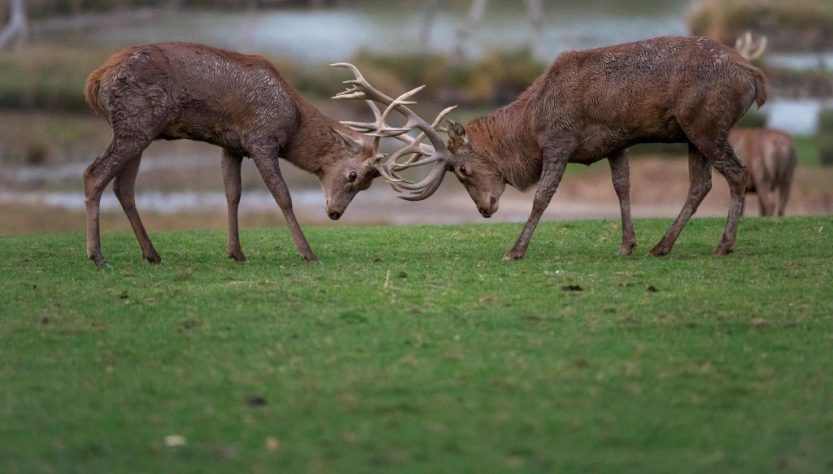
Have you ever stopped to consider the lengths some creatures go to in the name of love? Beyond the human realm of dating apps and awkward first encounters lies a world of elaborate dances, flamboyant displays, and even gruesome battles – all in the pursuit of a mate. Welcome to the wild and wonderful world of animal mating rituals!
The journey to finding a partner can be fraught with challenges. Competition is fierce, and the standards are high. It's a delicate balance of showcasing strength, intelligence, and genetic fitness, all while trying to avoid becoming someone else's dinner. For many species, reproduction isn't a guarantee, but a hard-won prize.
The core purpose of these rituals is simple: to ensure the survival of the species. By engaging in these complex displays, animals are able to assess potential partners, demonstrate their own fitness, and ultimately, pass on their genes to the next generation. These rituals help prevent mismatches, ensuring offspring have the best possible chance of survival.
From the intricate dances of birds to the ferocious clashes of mammals, animal mating rituals are a fascinating window into the natural world. These behaviors, driven by instinct and shaped by evolution, are essential for species survival. We'll delve into the diverse and often bizarre world of courtship displays, exploring the "why" and "how" behind these captivating behaviors. Get ready to explore the wonders of animal courtship, covering diverse mating rituals, fitness displays, species survival, and the fascinating behaviors shaped by evolution. Prepare to be amazed!
The Importance of Display
When I was a child, I remember watching a nature documentary about peacocks. I was mesmerized by the male's iridescent tail feathers, fanned out in a dazzling display of color. I couldn't understand why a bird would go to such extremes just to attract a mate. It seemed so extravagant and vulnerable! But as I grew older and learned more about biology, I began to appreciate the evolutionary significance of such displays.
The importance of display cannot be overstated. These rituals provide a way for animals to signal their quality to potential mates. A healthy, strong male is more likely to have impressive plumage or the stamina to perform elaborate dances. Females use these displays to assess the males and choose the best possible genetic partner for their offspring. These displays can take many forms, from visual cues like bright colors and elaborate dances, to auditory signals like complex songs and calls. The more impressive the display, the higher the chances of attracting a mate and successfully passing on one's genes. Think of it as a biological resume, showcasing the best qualities an individual has to offer. This whole process is a delicate dance of genetic selection, where only the fittest and most impressive individuals get to participate in the next generation.
What are Mating Rituals?
Mating rituals are a series of behaviors that animals engage in to attract a mate and ensure successful reproduction. These rituals can be elaborate and complex, involving visual displays, vocalizations, physical combat, or even the presentation of gifts. They serve several important functions. First, they allow individuals to assess the quality of potential mates, ensuring they choose a partner with good genes and resources. Second, they help to synchronize the reproductive cycles of males and females, increasing the chances of fertilization. Finally, they help to establish pair bonds, which can be important for raising offspring in some species. These rituals are not static; they evolve over time as a result of natural selection. Those individuals who perform the most effective rituals are more likely to attract mates and pass on their genes, leading to the refinement and elaboration of these behaviors over generations. From the perspective of evolutionary biology, mating rituals are a testament to the power of natural selection in shaping animal behavior.
History and Myths
Throughout history, humans have been fascinated by animal mating rituals, often attributing symbolic meaning to these behaviors. In many cultures, certain animals are associated with fertility, love, and passion. For example, birds are often seen as symbols of courtship and romance, while lions are associated with strength and virility. Myths and legends abound, featuring animals engaging in elaborate courtship displays, their actions imbued with deeper meaning. Ancient cultures often interpreted animal behavior as a reflection of human emotions and desires, projecting their own experiences onto the natural world. Understanding these historical and mythical interpretations can provide valuable insights into how humans perceive and interact with animals, and how our understanding of the natural world has evolved over time. It also highlights the enduring power of animal behavior to captivate our imagination and inspire our creativity. These stories have shaped our understanding of the animal kingdom, and continue to influence our perspectives on love, relationships, and the natural world.
Hidden Secrets
Beneath the surface of flamboyant displays and competitive battles lie some surprising secrets about animal mating rituals. Did you know that some species engage in deceptive behaviors, attempting to trick potential mates into believing they are stronger or healthier than they actually are? Or that some females exert considerable control over the mating process, choosing partners based on subtle cues that we are only beginning to understand? These hidden dynamics reveal the complex interplay of power, deception, and cooperation that shapes animal courtship. Scientists are constantly uncovering new and fascinating aspects of these rituals, using cutting-edge technology and innovative research methods. From genetic analysis to behavioral observation, we are gaining a deeper understanding of the evolutionary forces that drive these behaviors. These secrets reveal the ingenuity and complexity of the natural world, and challenge our assumptions about animal behavior.
Recommendations
If you're fascinated by animal mating rituals, there are many ways to learn more about these captivating behaviors. Watching nature documentaries is a great way to witness these displays firsthand, observing the intricacies of courtship and competition in different species. Reading books and articles on animal behavior can provide a deeper understanding of the evolutionary forces that shape these rituals. You can even visit zoos or wildlife sanctuaries to observe animals in person, paying close attention to their interactions and displays. For those interested in pursuing further research, many universities and research institutions offer courses and programs in animal behavior and evolutionary biology. By exploring these resources, you can gain a greater appreciation for the wonders of the natural world and the fascinating behaviors that drive animal reproduction. Studying animal mating rituals offers insights into evolution, behavior, and the interconnectedness of all living things.
The Role of Hormones
Hormones play a crucial role in regulating animal mating rituals, influencing everything from physical appearance to behavior. For example, testosterone is a key hormone in males, driving the development of secondary sexual characteristics like antlers, manes, and bright plumage. It also influences aggressive behavior, increasing the likelihood of males competing for access to females. In females, hormones like estrogen and progesterone regulate the reproductive cycle, preparing the body for mating and pregnancy. These hormones also influence female behavior, making them more receptive to males during certain periods of their cycle. The complex interplay of hormones ensures that mating rituals occur at the right time and in the right way, maximizing the chances of successful reproduction. Scientists are constantly studying the hormonal mechanisms underlying animal behavior, using sophisticated techniques to measure hormone levels and manipulate hormone signaling pathways. This research provides valuable insights into the physiological basis of animal mating rituals, and helps us understand the evolutionary forces that have shaped these behaviors.
Tips
Observing animal mating rituals in the wild can be a rewarding experience, but it's important to do so responsibly. Here are a few tips to keep in mind: First, maintain a safe distance from the animals, avoiding any behavior that could disrupt their natural activities. Second, be patient and observant, paying close attention to the subtle cues and signals that animals use to communicate. Third, respect the environment, leaving no trace of your presence and avoiding any damage to the habitat. Finally, consider bringing binoculars or a camera to capture the experience, but be sure to do so without disturbing the animals. By following these tips, you can enjoy the wonders of animal mating rituals while minimizing your impact on the environment and the animals themselves. Remember, our goal is to observe and learn, not to interfere or disrupt. Responsible observation allows us to appreciate the beauty and complexity of the natural world, and to contribute to the conservation of these amazing creatures.
Courtship Feeding
Courtship feeding is a fascinating behavior observed in many bird species, where the male presents the female with food as part of the courtship ritual. This behavior serves several purposes. First, it demonstrates the male's ability to provide for a mate and offspring. Second, it may provide the female with essential nutrients needed for egg production. Third, it can help to strengthen the pair bond between the male and female. The type of food offered can vary depending on the species, ranging from insects and seeds to fish and other prey. The presentation of the food is often accompanied by elaborate displays, such as vocalizations, dances, or even the construction of elaborate nests. Courtship feeding is a testament to the complex social dynamics of birds, and highlights the importance of cooperation and communication in successful reproduction. This behavior is not limited to birds; some insects and mammals also engage in similar forms of courtship feeding, demonstrating the widespread importance of this behavior in the animal kingdom.
Fun Facts
Prepare to be amazed by these fun facts about animal mating rituals! Did you know that the male bowerbird constructs elaborate nests adorned with colorful objects to attract a mate? Or that the male anglerfish fuses himself to the female, becoming a permanent parasite? Or that the female praying mantis sometimes eats her mate after copulation? These bizarre and fascinating behaviors highlight the diversity and ingenuity of animal mating rituals. They also reveal the extreme pressures of natural selection, which can lead to some truly remarkable adaptations. From the flamboyant displays of birds to the gruesome battles of mammals, animal courtship is a constant source of wonder and surprise. These facts underscore the importance of studying animal behavior, and remind us that the natural world is full of secrets waiting to be discovered. The more we learn about these behaviors, the more we appreciate the complexity and beauty of the animal kingdom.
How to
While we can't literally participate in animal mating rituals, we can learn from them and apply some of their principles to our own relationships. Here's how: First, focus on showcasing your best qualities, highlighting your strengths and talents. Second, be attentive to your partner's needs and desires, showing genuine interest and empathy. Third, communicate effectively, expressing your thoughts and feelings in a clear and respectful manner. Finally, be persistent and patient, recognizing that building a strong relationship takes time and effort. While human relationships are far more complex than animal mating rituals, these basic principles can help to create a foundation of trust, respect, and mutual attraction. Remember, the goal is to create a lasting bond based on genuine connection and understanding. By applying these lessons, we can learn from the animal kingdom and improve our own relationships.
What if
What if animal mating rituals disappeared? The consequences would be devastating for many species. Without these rituals, animals would struggle to find suitable mates, leading to reduced reproduction rates and potential population declines. Genetic diversity would also suffer, as animals would be less likely to choose partners with diverse genes. The long-term effects could be catastrophic, leading to the extinction of many species. Animal mating rituals are not just quirky behaviors; they are essential for the survival and reproduction of countless organisms. They are a testament to the power of natural selection, and highlight the importance of biodiversity. Protecting these rituals and the habitats that support them is crucial for maintaining the health and stability of our planet. Without these intricate dances of courtship, the natural world would be a much less vibrant and diverse place.
Listicle
Here's a listicle of some of the most fascinating animal mating rituals:
1. Bowerbirds: Males construct elaborate nests adorned with colorful objects.
2. Peacocks: Males display their iridescent tail feathers to attract females.
3. Anglerfish: Males fuse themselves to females, becoming permanent parasites.
4. Praying Mantises: Females sometimes eat their mates after copulation.
5. Sage Grouse: Males gather in leks to perform elaborate dances and vocalizations.
6. Albatrosses: Pairs engage in lifelong courtship dances, reinforcing their bond.
7. Seahorses: Males carry the eggs in a pouch until they hatch.
8. Poison Dart Frogs: Males guard their tadpoles and transport them to water.
9. Emperor Penguins: Males incubate the eggs on their feet during the harsh winter.
10. Lions: Males compete for dominance, with the winner gaining access to the females.
These rituals showcase the incredible diversity and ingenuity of the natural world, and highlight the importance of studying animal behavior.
Question and Answer
Q: Why are animal mating rituals so elaborate?
A: They are elaborate because they serve multiple purposes, including assessing mate quality, synchronizing reproductive cycles, and establishing pair bonds.
Q: What is the role of hormones in animal mating rituals?
A: Hormones regulate physical appearance, behavior, and reproductive cycles, ensuring that mating rituals occur at the right time and in the right way.
Q: What are some of the risks associated with animal mating rituals?
A: Risks can include predation, injury from competition, and the expenditure of energy.
Q: How do scientists study animal mating rituals?
A: Scientists use a variety of methods, including behavioral observation, genetic analysis, and hormone measurement.
Conclusion of Mating Rituals in the Animal Kingdom
Animal mating rituals are a captivating and essential part of the natural world. These diverse behaviors, shaped by evolution and driven by instinct, play a crucial role in ensuring species survival. From the elaborate dances of birds to the ferocious clashes of mammals, these rituals offer a window into the complex social dynamics and reproductive strategies of the animal kingdom. By studying these behaviors, we can gain a deeper appreciation for the wonders of the natural world and the importance of biodiversity. Understanding animal mating rituals provides insights into evolution, behavior, and the interconnectedness of all living things. They showcase the incredible diversity and ingenuity of nature, and remind us of the importance of protecting these behaviors and the habitats that support them.
0 Response to "Mating Rituals in the Animal Kingdom"
Post a Comment