The Role of Animal Behavior in Shaping Evolution
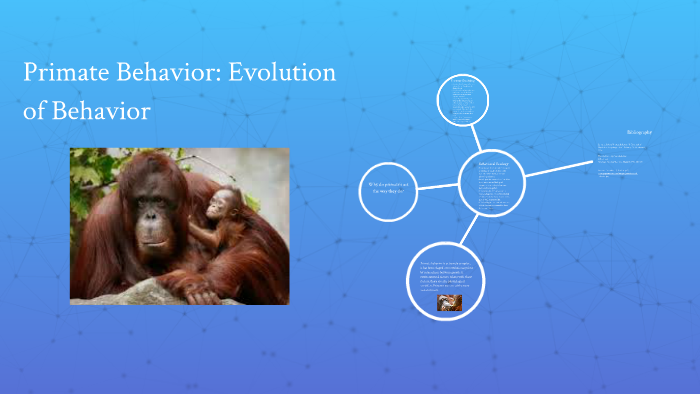
Ever stopped to wonder why a bird builds its nest a certain way, or why a wolf hunts in a pack? It's easy to see these actions as just instinct, but what if I told you that these very behaviors are powerful drivers of evolution, subtly shaping the destinies of species over generations?
Many of us assume that evolution is solely about random mutations and environmental pressures acting upon passive organisms. We might think of finches developing different beak shapes to access food, or moths changing color to blend in with polluted trees. While these examples are certainly valid, they often overlook the critical role that an animal's actions play in determining its own evolutionary trajectory.
This article aims to explore the fascinating and often underestimated influence of animal behavior on the evolutionary process. We'll delve into how the choices animals make, the things they learn, and the ways they interact with their environment can all contribute to the selection pressures that drive evolutionary change.
We'll explore the concept of "niche construction," where animals actively modify their environment, influencing the selection pressures acting upon themselves and future generations. We'll also examine how behavioral innovations can pave the way for genetic adaptation, and how social learning can accelerate the spread of advantageous traits. Ultimately, we'll see that evolution is not a passive process, but a dynamic interplay between genes, environment, and the active choices of living organisms. Key words include: animal behavior, evolution, niche construction, natural selection, behavioral innovation, social learning.
Behavior as a Driver of Natural Selection
My own fascination with this topic began during a trip to the Galapagos Islands. Witnessing the diverse behaviors of Darwin's finches firsthand—the way they used tools, foraged in different habitats, and even sang unique songs—it became clear that their actions were not merely responses to their environment, but active attempts to shape it. It was as if they were saying, "We're not just adapting to this island; we're adapting the island to ourselves!" This resonated deeply, challenging my preconceived notions about the passive role of animals in evolution. Their behavior creates a novel selection pressure. For example, animals that develop behaviors that permit them to exploit new food resources may experience a selective advantage.
Behavior can directly influence the direction and speed of natural selection. Consider a population of birds that initially feeds on readily available berries. If some individuals begin experimenting with cracking seeds—a new behavior—they might gain access to a more abundant and nutritious food source. This behavioral innovation creates a new selective pressure favoring individuals with beaks better suited for seed cracking. Over time, natural selection will favor individuals with stronger, more specialized beaks, leading to evolutionary changes in beak morphology. Furthermore, if this seed-cracking behavior is learned and transmitted socially, the selection pressure can intensify, accelerating the evolutionary process. This interplay between behavior and selection highlights how animals are not merely passive recipients of evolutionary forces, but active participants in shaping their own evolutionary destinies. The study of this interplay provides a deeper understanding of the dynamics of evolution and the intricate relationships between behavior, genes, and the environment.
Niche Construction: Shaping the Evolutionary Landscape
Niche construction is a powerful concept that highlights the active role animals play in shaping their own evolutionary landscape. It refers to the process by which organisms modify their environment, thereby altering the selection pressures acting upon themselves and other species. This modification can be physical, such as when beavers build dams that create new aquatic habitats, or it can be social, such as when termites construct elaborate nests that regulate temperature and humidity. Either way, niche construction creates a feedback loop between the organism and its environment, where the organism's actions alter the environment, and the altered environment, in turn, influences the organism's evolution.
A classic example of niche construction is the case of earthworms. By burrowing and aerating the soil, earthworms alter the physical and chemical properties of their environment. This, in turn, affects the types of plants that can grow in the soil, and the types of other organisms that can thrive there. Over time, the activity of earthworms can lead to significant changes in the ecosystem, creating a new ecological niche that supports a different community of organisms. From an evolutionary perspective, the niche construction activities of earthworms also create new selection pressures. For instance, plants that are better adapted to the aerated soil may have a selective advantage, leading to evolutionary changes in plant populations. Similarly, organisms that can exploit the new resources created by earthworms may also experience a selective advantage. This interplay between niche construction and natural selection highlights the dynamic nature of evolution and the active role that organisms play in shaping their own destinies.
The Baldwin Effect: Behavior Leading the Way
The Baldwin effect, named after psychologist James Mark Baldwin, provides a fascinating historical perspective on the relationship between behavior and evolution. The idea emerged in the late 19th century as an attempt to reconcile Darwinian natural selection with the observed flexibility and adaptability of animal behavior. At the time, there was some debate about whether learned behaviors could be inherited, with Lamarckian inheritance being a competing idea. Baldwin proposed that while learned behaviors themselves are not directly inherited, they can create conditions that favor the evolution of genes that support those behaviors.
Imagine a population of birds that initially struggles to find food in a new environment. Through trial and error, some individuals learn to use tools to access previously unavailable food sources. This behavioral innovation gives them a survival advantage, allowing them to reproduce more successfully. While the ability to use tools is initially learned, the selection pressure favors individuals who are more adept at learning and using tools. Over time, this selection pressure can lead to the evolution of genes that enhance the bird's cognitive abilities, motor skills, or physical traits that are beneficial for tool use. Eventually, the ability to use tools may become partially or even fully instinctive, due to the accumulated genetic changes. In essence, the Baldwin effect suggests that behavior can act as a "leading edge" of evolution, paving the way for genetic adaptation. While the Baldwin effect remains a topic of debate among evolutionary biologists, it highlights the potential for behavior to influence the direction and pace of evolutionary change. It also reminds us that evolution is not simply a passive response to environmental pressures, but an active interplay between genes, behavior, and the environment.
Hidden Secrets of Behavioral Drive
One of the hidden secrets of behavioral drive lies in the concept of "cultural evolution." While genetic evolution is driven by the inheritance of genes, cultural evolution is driven by the inheritance of learned behaviors and traditions. In many animal species, behaviors are not solely determined by genetics but are also transmitted from one generation to the next through social learning, imitation, and teaching. This cultural transmission can lead to the development of distinct behavioral traditions within a population, which can then influence the direction of genetic evolution.
For example, consider a population of monkeys that has developed a tradition of washing their food before eating it. This behavior, initially learned by a few individuals, can spread throughout the population through social learning. Over time, this cultural tradition can create a new selection pressure favoring individuals who are more adept at learning and performing the food-washing behavior. This selection pressure can lead to the evolution of genes that enhance cognitive abilities, motor skills, or social learning mechanisms. In essence, the cultural tradition of food washing can act as a driver of genetic evolution, shaping the characteristics of the monkey population. The interplay between cultural and genetic evolution is a complex and fascinating area of research. It highlights the importance of considering both genetic and cultural factors when studying the evolution of animal behavior. It also reminds us that evolution is not solely a process of genetic change, but a dynamic interplay between genes, behavior, and the environment.
Recommendations for Further Exploration
If you're interested in delving deeper into the role of animal behavior in shaping evolution, I highly recommend exploring the work of researchers who are actively studying niche construction. These scientists are investigating how various animal species, from earthworms to beavers to humans, modify their environments in ways that influence their own evolution and the evolution of other species. Their research is revealing the complex and dynamic interplay between organisms and their environments.
Another recommendation is to investigate the field of "evo-devo," which explores the relationship between evolution and development. Evo-devo researchers are studying how changes in developmental processes can lead to evolutionary changes in morphology and behavior. Their work is shedding light on the genetic and molecular mechanisms that underlie the evolution of animal form and function. Additionally, consider reading books and articles about behavioral ecology, which examines the ecological and evolutionary basis of animal behavior. Behavioral ecologists study how animals make decisions about foraging, mating, social interactions, and other behaviors in order to maximize their survival and reproduction. Their research provides valuable insights into the adaptive significance of animal behavior and its role in shaping evolution. By exploring these different areas of research, you can gain a deeper appreciation for the powerful and often underestimated role that animal behavior plays in driving the evolutionary process. It's a fascinating field that continues to challenge our understanding of the natural world.
Social Learning and Cultural Transmission
Social learning, the process by which animals learn from observing and interacting with others, plays a crucial role in the transmission of behaviors across generations. It allows individuals to acquire new skills and knowledge more quickly and efficiently than through individual trial and error learning. Cultural transmission, a broader term, encompasses the various mechanisms by which learned behaviors, traditions, and information are passed down from one generation to the next. This can involve imitation, teaching, and other forms of social interaction.
The impact of social learning and cultural transmission on evolution can be significant. When a new behavior arises, whether through innovation or adaptation, it can spread rapidly through a population via social learning. If this behavior provides a selective advantage, it can drive evolutionary changes in the population. For example, a group of birds might discover a new foraging technique, such as using a stick to extract insects from tree bark. This behavior can spread through the population via social learning, and if it proves to be a more efficient way of obtaining food, it can lead to increased survival and reproduction for those who adopt the behavior. Over time, natural selection might favor individuals who are more adept at learning and performing this behavior, leading to evolutionary changes in their brain structure, motor skills, or beak morphology. Furthermore, cultural transmission can also create new selective pressures. If a particular behavior becomes a cultural norm within a population, individuals who deviate from this norm might face social ostracism or other forms of punishment, which can reduce their chances of survival and reproduction. This can lead to the evolution of traits that enhance conformity and social integration. In essence, social learning and cultural transmission can act as powerful drivers of evolution, shaping the behavior and characteristics of animal populations.
Behavioral Plasticity: Adapting to Change
Behavioral plasticity refers to the ability of an animal to alter its behavior in response to changes in its environment. This can involve learning new skills, modifying existing behaviors, or adopting entirely new behavioral strategies. Behavioral plasticity is a crucial adaptation that allows animals to cope with unpredictable or rapidly changing environments.
One key tip for understanding behavioral plasticity is to recognize that it is not simply a random or arbitrary change in behavior. Rather, it is a response that is tailored to the specific environmental conditions that the animal is experiencing. For example, a bird might change its foraging behavior in response to changes in food availability, switching from feeding on insects to feeding on seeds if insects become scarce. Similarly, an animal might alter its social behavior in response to changes in population density, becoming more aggressive or cooperative depending on the number of individuals in the area. To truly grasp the significance of behavioral plasticity, it's important to understand that it's a dynamic process that involves both genetic and environmental factors. An animal's genes provide the blueprint for its behavioral repertoire, but its experiences shape how that repertoire is expressed. The interplay between genes and environment allows animals to fine-tune their behavior to the specific challenges and opportunities that they face, maximizing their chances of survival and reproduction. By studying behavioral plasticity, we can gain valuable insights into the adaptive capabilities of animals and the evolutionary processes that shape their behavior.
The Role of Cognition
Cognition, the mental processes involved in acquiring knowledge and understanding, plays a critical role in shaping animal behavior and influencing evolutionary trajectories. Cognitive abilities such as learning, memory, problem-solving, and decision-making allow animals to adapt to their environment, exploit resources, and navigate complex social interactions.
The development of cognitive abilities can drive evolutionary change by creating new selection pressures. Animals with enhanced cognitive skills may be better able to find food, avoid predators, attract mates, and raise offspring. These advantages can lead to increased survival and reproductive success, resulting in the spread of genes that support cognitive development. Furthermore, cognitive abilities can facilitate behavioral innovations that can open up new ecological niches. For example, animals that are capable of learning new skills or solving problems may be able to exploit resources that were previously inaccessible to them. This can lead to changes in their diet, habitat use, and social behavior, which in turn can drive evolutionary changes in their morphology, physiology, and life history traits. The interplay between cognition and evolution is a complex and dynamic process. Cognitive abilities can both shape and be shaped by evolutionary forces. As animals evolve more sophisticated cognitive skills, they become increasingly able to adapt to their environment and influence the course of their own evolution.
Fun Facts About Animal Behavior and Evolution
Did you know that some species of birds have developed complex cultural traditions that are passed down through generations? For instance, certain populations of white-crowned sparrows have distinct song dialects that are learned from their fathers and other male birds in their local area. These dialects can vary significantly from one population to another, and they can even change over time as new songs are invented and spread through the population. This cultural transmission of song dialects is a fascinating example of how animal behavior can create and maintain distinct cultural traditions.
Another fun fact is that some animals have evolved remarkable abilities to manipulate their environment in ways that benefit themselves and their offspring. For example, bowerbirds are known for building elaborate structures called "bowers" to attract mates. These bowers are decorated with colorful objects, such as flowers, berries, and even man-made items like bottle caps and pieces of plastic. The construction and decoration of bowers is a complex behavior that requires considerable skill and cognitive ability. By building and decorating these elaborate structures, bowerbirds are able to signal their quality and attract potential mates. These are just a few examples of the amazing ways that animal behavior can shape their lives and their evolution. The study of animal behavior is a fascinating field that continues to reveal new and surprising insights into the natural world.
How to Observe Behavioral Influence
One of the best ways to observe the influence of animal behavior on evolution is to study species that are undergoing rapid environmental change. For example, many urban environments are experiencing rapid urbanization and habitat fragmentation, which can create new challenges and opportunities for animals. By studying how animals are adapting to these changes, we can gain insights into the role of behavior in driving evolutionary change.
One example is the study of urban birds. Many species of birds have successfully adapted to urban environments, and they have evolved a number of behavioral adaptations to cope with the challenges of city life. For instance, some urban birds have learned to forage in new ways, such as scavenging food from human garbage or exploiting artificial light sources to extend their foraging time. They may also exhibit changes in their song structure to communicate more effectively in noisy environments. By studying these behavioral adaptations, we can learn how animals are able to adapt to rapid environmental change and how these adaptations can drive evolutionary change. Another way to observe the influence of animal behavior on evolution is to conduct experiments in controlled environments. For example, researchers can manipulate the environment in a laboratory setting and observe how animals respond to these changes. This can provide valuable insights into the mechanisms by which behavior influences evolution. It is also important to study animal behavior in their natural environment to understand how they can adopt and evolve due to the environment.
What If Behavior Didn't Influence Evolution?
What if animal behavior had no influence on evolution? It's a thought experiment that reveals the profound impact behavior actually has. If behavior were merely a passive response to environmental pressures, the evolutionary landscape would look drastically different.
Imagine a world where animals were simply puppets of their genes, their actions predetermined and inflexible. In such a world, adaptation would be a much slower and more precarious process. Species would be less able to cope with environmental changes, as they would lack the behavioral plasticity to adjust their strategies. New ecological niches would be colonized much more slowly, as animals would be unable to learn new skills or modify their behavior to exploit new resources. The diversity of life would likely be much lower, as species would be more vulnerable to extinction in the face of environmental challenges. Social interactions would be simpler and less complex, as animals would lack the cognitive abilities to learn from others or engage in sophisticated forms of communication. The evolution of intelligence would likely be stunted, as animals would have less need to learn, problem-solve, or make decisions. In essence, a world without behavioral influence on evolution would be a world of diminished adaptability, reduced diversity, and slower evolutionary change. It would be a world where animals were less able to shape their own destinies and more vulnerable to the whims of the environment. This thought experiment highlights the crucial role that behavior plays in driving evolution and shaping the diversity of life on Earth.
Top 5 Ways Animal Behavior Shapes Evolution
Here are five key ways in which animal behavior actively shapes the course of evolution:
- Niche Construction: Animals modify their environment, altering selection pressures for themselves and others. Think of beavers building dams, creating aquatic habitats.
- Behavioral Innovation: New behaviors can open up new ecological niches, driving selection for traits that support those behaviors. Like birds learning to use tools for foraging.
- Social Learning: The spread of advantageous behaviors through social learning accelerates adaptation and can create cultural traditions.
- Behavioral Plasticity: The ability to adjust behavior in response to environmental changes allows animals to cope with new challenges and exploit new opportunities, influencing selection.
- Mate Choice: Preferences for certain behaviors in mates can drive the evolution of elaborate courtship displays or other behavioral traits.
These are just a few examples of the many ways that animal behavior can influence the evolutionary process. By studying the interplay between behavior and evolution, we can gain a deeper understanding of the dynamics of life and the forces that have shaped the diversity of the natural world.
Question and Answer about The Role of Animal Behavior in Shaping Evolution
Q1: Is animal behavior more important than genetics in evolution?
A1: It's not about one being "more important" than the other. Behavior and genetics are intertwined. Behavior can create selection pressures that then influence genetic changes over time. Think of it as a feedback loop.
Q2: Can learned behaviors be inherited?
A2: Not directly. Lamarckian inheritance, the idea that acquired traits are passed on, is generally not how it works. However, the Baldwin effect suggests that learned behaviors can create conditions that favor the evolution of genes supporting those behaviors.
Q3: Does this mean animals consciously decide how they want to evolve?
A3: No, evolution is not a conscious process. Animals don't "decide" to evolve. However, their behaviors, driven by a combination of instinct, learning, and environmental factors, can influence the selection pressures that shape their evolutionary trajectory.
Q4: What's an easy example of behavioral drive in action?
A4: Consider cows being milked by humans. The cows' behavior has resulted in artificial selection on milk yield, which causes their offspring to produce more milk over time. As a result, human behaviour has a significant impact on species, and on their evolution.
Conclusion of The Role of Animal Behavior in Shaping Evolution
The role of animal behavior in shaping evolution is more profound than we often realize. By actively interacting with their environment, innovating new behaviors, and learning from one another, animals are not merely passive recipients of evolutionary change. They are active participants, shaping their own destinies and the destinies of other species. Understanding this dynamic interplay between behavior and evolution is crucial for gaining a complete picture of the evolutionary process and for addressing the challenges facing the natural world in a rapidly changing world.
0 Response to "The Role of Animal Behavior in Shaping Evolution"
Post a Comment