The Importance of Protecting Endangered Species for Future Generations
Imagine a world devoid of the majestic roar of the tiger, the playful chatter of monkeys, or the gentle songs of whales. A world where our children and grandchildren can only read about these incredible creatures in history books. This isn't a far-off fantasy; it's a very real possibility if we don't take action to protect endangered species.
Many of us feel disconnected from the natural world, like we are simply living alongside it rather than being a part of it. We see news reports of habitat loss, poaching, and climate change impacting wildlife, but it can feel overwhelming and difficult to know how to make a difference. We worry about the future and the legacy we are leaving for the generations to come, wondering if they will experience the same rich biodiversity that we have, or if they will inherit a world impoverished by our inaction.
The importance of protecting endangered species for future generations lies in ensuring that they inherit a planet as vibrant and diverse as the one we know today. It's about preserving the intricate web of life, maintaining ecological balance, and safeguarding the potential benefits these species hold for medicine, agriculture, and scientific discovery. It's about ethical responsibility, recognizing that we share this planet and have a duty to protect its inhabitants.
In essence, protecting endangered species is about safeguarding our planet's biodiversity, ensuring ecological stability, and upholding our moral obligation to future generations. Key aspects include habitat preservation, combating poaching and illegal wildlife trade, addressing climate change, and promoting sustainable practices. By understanding the interconnectedness of life and the value of each species, we can work towards a future where both humans and wildlife thrive.
The Ethical Imperative: Our Moral Responsibility
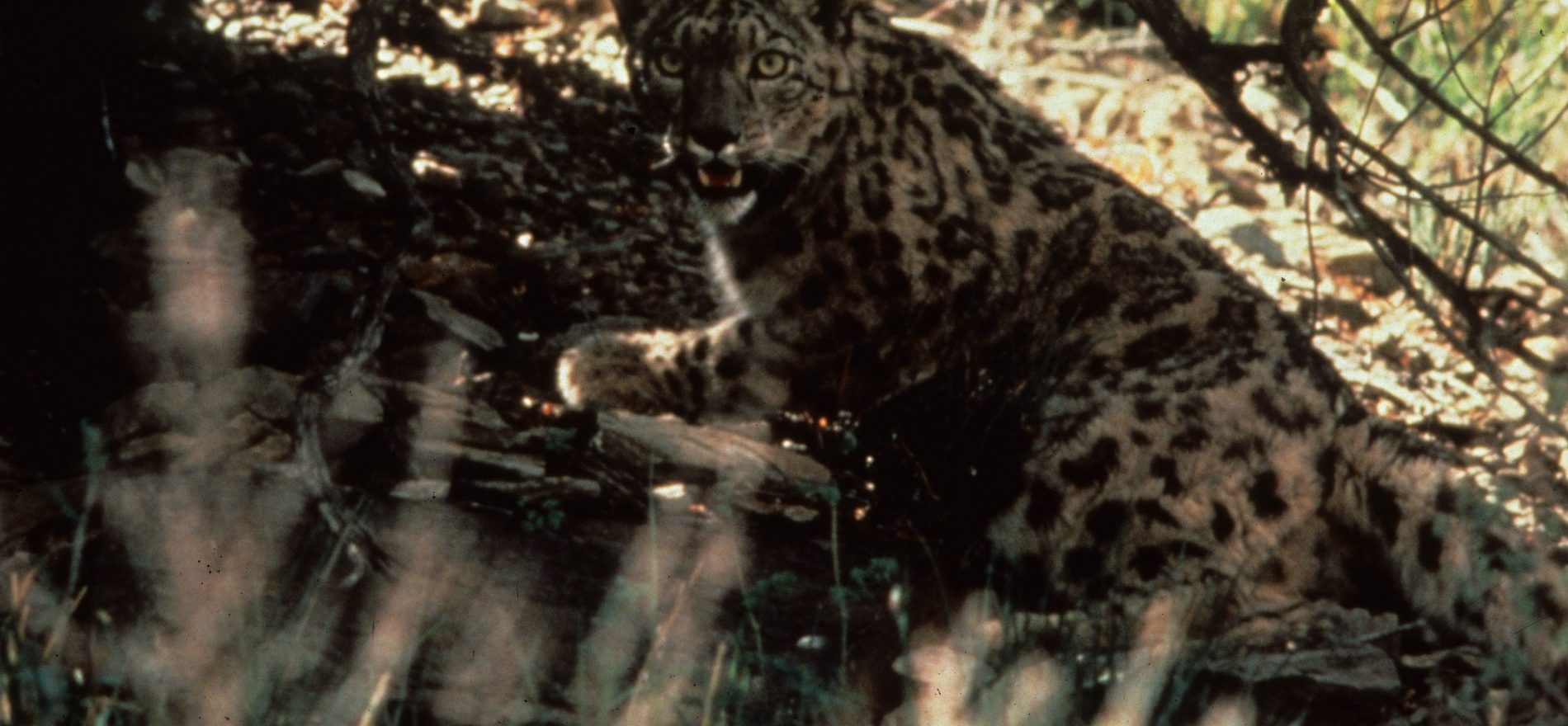
I'll never forget a visit I made to a wildlife sanctuary as a child. I saw a snow leopard, its fur blending seamlessly with the artificial snow of its enclosure, but its eyes held a sadness that I couldn't quite understand then. I later learned that snow leopards are endangered, their populations dwindling due to habitat loss and poaching. That experience sparked a lifelong passion for wildlife conservation and a deep understanding of the ethical dimensions involved. Protecting endangered species isn't just about preserving pretty animals; it's about recognizing their inherent right to exist and our moral obligation to ensure their survival. We are stewards of this planet, and it is our responsibility to safeguard its biodiversity for those who come after us. Endangered species often play crucial roles in their ecosystems, and their loss can trigger a cascade of negative consequences, impacting everything from pollination and seed dispersal to water purification and climate regulation. By protecting these species, we are not only preserving their existence but also ensuring the health and resilience of the entire planet, benefiting both present and future generations. Protecting endangered species is not merely an environmental concern; it is a fundamental ethical imperative that reflects our values, our compassion, and our commitment to a just and sustainable world.
The Economic Value of Biodiversity
Biodiversity, the variety of life on Earth, isn't just beautiful; it's economically vital. Endangered species often possess unique genetic material that could hold the key to future medicines, crops, and industrial processes. Imagine a plant in the rainforest that contains a compound that cures cancer. Losing that plant to extinction would be an immeasurable loss, not just for the environment but for human health and well-being. Furthermore, many economies rely heavily on ecotourism, which thrives on the presence of diverse and healthy wildlife populations. National parks and wildlife reserves generate billions of dollars annually, supporting local communities and creating jobs. By protecting endangered species, we are safeguarding these economic opportunities and ensuring the long-term sustainability of tourism-dependent economies. The economic benefits of biodiversity extend far beyond tourism and medicine. Healthy ecosystems provide essential services such as clean water, pollination, and climate regulation, all of which are crucial for human survival and economic prosperity. Protecting endangered species is an investment in our future, ensuring that we continue to reap the economic benefits of a healthy and diverse planet.
The History and Myth of Conservation Efforts
The history of conservation is filled with both triumphs and tragedies. Early conservation efforts were often driven by a romanticized view of nature, focusing on preserving pristine wilderness areas untouched by human influence. While these efforts were important, they often overlooked the needs of local communities who depended on natural resources for their livelihoods. Over time, conservation approaches have evolved to become more inclusive and participatory, recognizing that successful conservation requires the involvement and support of local people. Myths surrounding endangered species have also played a role in shaping conservation efforts. Some cultures view certain animals as symbols of power, luck, or spiritual significance, leading to their protection. Other cultures, however, may view certain species as pests or threats, leading to their persecution. Understanding these cultural beliefs and attitudes is crucial for designing effective conservation strategies that resonate with local communities. Throughout history, conservation efforts have been driven by a variety of motivations, from economic self-interest to ethical considerations to religious beliefs. By learning from the successes and failures of the past, we can develop more effective and sustainable conservation strategies for the future, ensuring that endangered species are protected for generations to come.
Unveiling the Hidden Secrets of Ecosystem Interdependence
Ecosystems are complex webs of interconnected organisms, where each species plays a vital role in maintaining the overall health and stability of the system. Endangered species often occupy keystone positions within these ecosystems, meaning that their loss can trigger a cascade of negative consequences, impacting numerous other species and ecosystem functions. For example, the extinction of a top predator can lead to an overpopulation of its prey, which can then decimate plant communities and disrupt nutrient cycles. Similarly, the loss of a pollinator can lead to a decline in plant reproduction, impacting the food supply for numerous other animals. The hidden secret of ecosystem interdependence is that even seemingly insignificant species can play a crucial role in maintaining the overall health and resilience of the system. Protecting endangered species is therefore not just about preserving individual species; it's about safeguarding the integrity of entire ecosystems and ensuring that they continue to provide essential services such as clean water, pollination, and climate regulation. By understanding the complex relationships between species and their environment, we can develop more effective conservation strategies that protect not only endangered species but also the entire ecosystems they inhabit.
Recommendations for Protecting Endangered Species
Protecting endangered species is a complex challenge that requires a multi-faceted approach. Governments, organizations, and individuals all have a role to play in ensuring the survival of these vulnerable species. Governments can implement policies and regulations that protect habitats, combat poaching, and promote sustainable development. Organizations can conduct research, raise awareness, and implement conservation programs. Individuals can reduce their environmental footprint, support sustainable products, and advocate for stronger conservation policies. One of the most important things we can do is to reduce our consumption of resources and adopt more sustainable lifestyles. This includes reducing our carbon footprint, conserving water, and avoiding products that contribute to habitat destruction or pollution. We can also support organizations that are working to protect endangered species and advocate for stronger conservation policies at the local, national, and international levels. By working together, we can create a more sustainable future for both humans and wildlife, ensuring that endangered species are protected for generations to come.
The Role of Citizen Science in Conservation
Citizen science is playing an increasingly important role in conservation efforts. By engaging volunteers in data collection, monitoring, and analysis, citizen science projects can generate valuable information about species populations, habitat conditions, and environmental threats. This information can then be used to inform conservation decisions and track the effectiveness of conservation interventions. Citizen science projects also have the added benefit of raising awareness about conservation issues and engaging the public in scientific research. By participating in these projects, people can develop a deeper appreciation for the natural world and become more motivated to take action to protect it. There are numerous citizen science projects focused on endangered species, ranging from monitoring bird populations to tracking whale migrations to identifying invasive plants. These projects provide opportunities for people of all ages and backgrounds to contribute to conservation efforts and make a real difference in the lives of endangered species. The rise of citizen science reflects a growing recognition that conservation is not just the responsibility of scientists and policymakers but a shared responsibility that requires the involvement of everyone.
Practical Tips for Supporting Endangered Species Protection
There are many simple yet effective actions we can take in our daily lives to support the protection of endangered species. One of the most important things we can do is to reduce our environmental footprint by making sustainable choices in our consumption habits. This includes buying locally sourced food, reducing our use of plastic, and conserving water and energy. We can also support businesses and organizations that are committed to sustainability and conservation. Another important action is to educate ourselves and others about endangered species and the threats they face. By raising awareness about these issues, we can help to mobilize support for conservation efforts. We can also advocate for stronger conservation policies at the local, national, and international levels. This includes contacting our elected officials, supporting conservation organizations, and participating in public hearings and forums. By taking these actions, we can all contribute to creating a more sustainable future for both humans and wildlife, ensuring that endangered species are protected for generations to come. Remember, every small action counts, and together we can make a big difference.
Supporting Sustainable Tourism and Ecotourism
Sustainable tourism and ecotourism can play a significant role in protecting endangered species by generating revenue for conservation efforts and promoting responsible travel practices. By choosing to support ecotourism operators who are committed to sustainability and conservation, travelers can directly contribute to the protection of endangered species and their habitats. Sustainable tourism practices include minimizing environmental impact, respecting local cultures, and providing economic benefits to local communities. Ecotourism operators often work closely with local communities to develop tourism products that are both environmentally and culturally sensitive. They also invest in conservation projects and support local conservation initiatives. By supporting sustainable tourism and ecotourism, travelers can not only enjoy unique and enriching travel experiences but also contribute to the protection of endangered species and the preservation of natural and cultural heritage. Look for certifications like the Rainforest Alliance Certified™ seal or research operators' commitment to conservation before booking your trip.
Fun Facts About Endangered Species
Did you know that the Amur leopard is the rarest cat in the world, with only around 100 individuals left in the wild? Or that the axolotl, a type of salamander native to Mexico, can regenerate lost limbs and even parts of its brain? The natural world is full of amazing and fascinating creatures, many of which are facing extinction due to human activities. Learning about these species and their unique adaptations can inspire us to take action to protect them. For example, the pangolin, also known as the scaly anteater, is the most trafficked mammal in the world, prized for its scales and meat. These incredible animals play an important role in controlling insect populations and maintaining soil health. The California condor, once on the brink of extinction, has been brought back from the brink thanks to intensive conservation efforts. These impressive birds play a vital role in scavenging carcasses and preventing the spread of disease. By learning about these species and their stories, we can develop a deeper appreciation for the biodiversity of our planet and become more motivated to protect it.
How to Get Involved in Endangered Species Protection
There are numerous ways to get involved in protecting endangered species, regardless of your background or expertise. One of the simplest ways to get involved is to support organizations that are working to protect endangered species. This can include donating money, volunteering your time, or simply spreading the word about their work. You can also get involved in citizen science projects that monitor species populations, track habitat conditions, and identify environmental threats. Another way to get involved is to advocate for stronger conservation policies at the local, national, and international levels. This can include contacting your elected officials, supporting conservation organizations, and participating in public hearings and forums. You can also make sustainable choices in your daily life that reduce your environmental footprint and support responsible consumption. By taking these actions, you can become a part of the solution and help to ensure that endangered species are protected for generations to come. Every action, no matter how small, can make a difference.
What If We Don't Protect Endangered Species?
The consequences of failing to protect endangered species are far-reaching and potentially catastrophic. The loss of biodiversity can disrupt ecosystems, impact human health, and undermine economic stability. The extinction of keystone species can trigger a cascade of negative consequences, impacting numerous other species and ecosystem functions. The loss of genetic diversity can reduce the resilience of ecosystems to climate change and other environmental stressors. In addition to the ecological consequences, there are also ethical and moral considerations. Failing to protect endangered species is a betrayal of our responsibility to future generations and a violation of the inherent right of all species to exist. We have a moral obligation to protect the planet's biodiversity and ensure that future generations have the opportunity to experience the wonder and beauty of the natural world. By failing to protect endangered species, we are not only impoverishing the planet but also diminishing our own humanity.
Listicle: 5 Ways You Can Help Endangered Species Today
Protecting endangered species might seem like a monumental task, but there are simple, impactful steps you can take right now to make a difference:
- Reduce, Reuse, Recycle: Minimize your environmental footprint by reducing waste and conserving resources.
- Support Sustainable Products: Choose products that are made using sustainable practices, such as sustainably harvested wood or organic cotton.
- Educate Yourself and Others: Learn about endangered species in your area and share your knowledge with friends and family.
- Donate to Conservation Organizations: Support reputable organizations that are working to protect endangered species and their habitats.
- Advocate for Stronger Conservation Policies: Contact your elected officials and urge them to support policies that protect endangered species and their habitats.
By taking these five simple steps, you can become a part of the solution and help to ensure that endangered species are protected for generations to come.
Question and Answer Section About Protecting Endangered Species
Q: Why is it important to protect endangered species?
A: Protecting endangered species is crucial for maintaining biodiversity, ensuring ecosystem stability, and safeguarding potential benefits for medicine, agriculture, and scientific discovery. It also reflects our ethical responsibility to share the planet with other species.
Q: What are some of the main threats to endangered species?
A: The main threats include habitat loss, poaching, climate change, pollution, and invasive species.
Q: What can individuals do to help protect endangered species?
A: Individuals can reduce their environmental footprint, support sustainable products, educate themselves and others, donate to conservation organizations, and advocate for stronger conservation policies.
Q: What is the role of governments in protecting endangered species?
A: Governments can implement policies and regulations that protect habitats, combat poaching, promote sustainable development, and invest in conservation research and programs.
Conclusion of The Importance of Protecting Endangered Species
Protecting endangered species is not just an environmental issue; it's a moral imperative, an economic necessity, and a key to ensuring a healthy planet for future generations. By understanding the interconnectedness of life, supporting conservation efforts, and making sustainable choices in our daily lives, we can all contribute to a future where both humans and wildlife thrive. Let us embrace our role as stewards of the planet and work together to protect these vulnerable species for the benefit of all.
0 Response to "The Importance of Protecting Endangered Species for Future Generations"
Post a Comment