Why Certain Animals Are More Vulnerable to Extinction
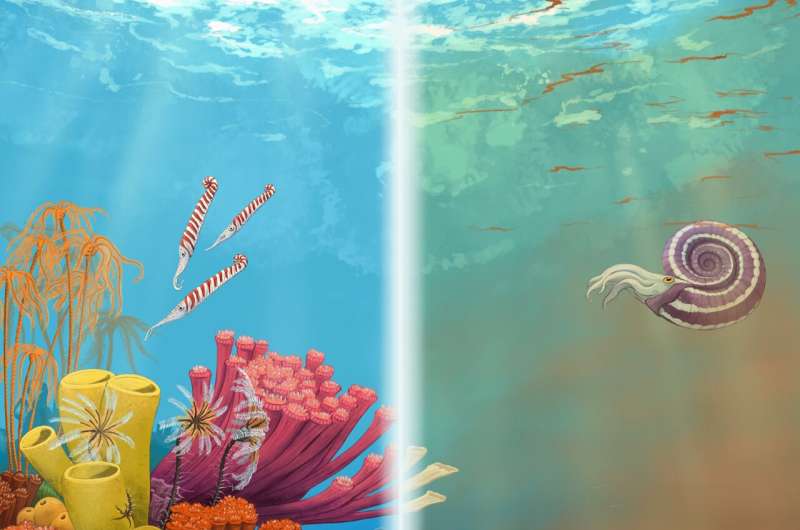
Imagine a world where the majestic roar of a lion is only heard in recordings, or the vibrant flash of a hummingbird's wings is just a memory. It's a chilling thought, isn't it? The reality is, the threat of extinction looms large for many species, but why are some more vulnerable than others?
We often hear about endangered animals, and the feeling of helplessness can be overwhelming. It's frustrating to witness the decline of populations, knowing that factors like habitat loss, climate change, and hunting are pushing these creatures towards the brink. We feel saddened by the situation and worry about the planet's future.
The reasons some animals are more prone to extinction are complex and interconnected. It boils down to a combination of biological traits, environmental pressures, and human impact. Animals with specialized diets, small populations, limited ranges, slow reproductive rates, or those heavily reliant on specific habitats are particularly vulnerable. When these factors are coupled with habitat destruction, pollution, climate change, and poaching, the risk of extinction skyrockets.
In essence, several factors determine an animal's vulnerability, including limited geographic range, specialized diet, small population size, slow reproduction, and sensitivity to habitat changes. Human activities like habitat destruction, pollution, climate change, and hunting exacerbate these vulnerabilities, pushing species closer to extinction. These key factors highlight the urgent need for conservation efforts to protect vulnerable species and their habitats.
Limited Geographic Range
I remember visiting a remote island off the coast of Australia and being captivated by the unique wildlife found nowhere else on Earth. The feeling was amazing and I felt grateful to see them, but also realizing how easily these isolated populations could be wiped out. A single disease outbreak, a sudden natural disaster, or even the introduction of a new predator could have devastating consequences. Animals with limited geographic ranges, often endemic species found on islands or in specific habitats, are incredibly vulnerable because their entire population is concentrated in a small area. If that area is impacted by habitat loss, pollution, or climate change, the species has nowhere else to go. Consider the critically endangered vaquita, the world's smallest porpoise, found only in the Gulf of California. Its limited range makes it exceptionally vulnerable to fishing nets, driving it to the edge of extinction. Conservation efforts must focus on protecting these critical habitats and mitigating the threats they face to ensure the survival of these unique species.
Specialized Diet
Imagine relying on a single type of food source. If that food becomes scarce due to environmental changes or human activities, you're in serious trouble. That's the reality for many animals with specialized diets. The giant panda, for example, relies almost exclusively on bamboo. Deforestation and habitat fragmentation have severely impacted bamboo forests, leaving pandas struggling to find enough to eat. Similarly, the Everglades snail kite depends on apple snails for survival. Changes in water levels and the introduction of invasive species that compete with apple snails have threatened the snail kite's food source, putting the species at risk. Animals with specialized diets lack the flexibility to adapt to changing environments, making them particularly vulnerable to habitat loss and food scarcity. Conservation strategies must address the specific threats to their food sources to ensure their long-term survival.
History and Myth
Throughout history, certain animals have been revered, feared, or exploited, shaping their vulnerability to extinction. Myths and legends often portray animals as powerful symbols, influencing human interactions with them. For example, elephants have been hunted for their ivory for centuries, driven by cultural beliefs and economic demand. Similarly, rhinos have been targeted for their horns, which are believed to have medicinal properties in some cultures. These historical and cultural factors have contributed to the decline of these species, highlighting the role of human beliefs and practices in driving extinction. Understanding the historical context and cultural significance of animals can inform conservation strategies and promote sustainable practices.
Hidden Secrets
Beneath the surface of extinction vulnerability lie hidden factors that often go unnoticed. Genetic diversity, for example, plays a crucial role in a species' ability to adapt to changing environments. Animals with low genetic diversity are more susceptible to diseases and environmental stressors, making them more vulnerable to extinction. Another hidden factor is the interconnectedness of ecosystems. The loss of a keystone species, such as a top predator or a pollinator, can have cascading effects on the entire ecosystem, impacting the survival of other species. Understanding these hidden secrets is essential for developing effective conservation strategies that address the underlying causes of extinction vulnerability. By considering genetic diversity, ecosystem dynamics, and other hidden factors, we can better protect vulnerable species and ensure the health of our planet.
Recommendation
One of the most important things we can do is support organizations dedicated to conservation. Look for groups that are actively working to protect habitats, combat poaching, and promote sustainable practices. Consider making a donation, volunteering your time, or even just spreading awareness about the issue. Every little bit helps! Another key recommendation is to make informed choices as consumers. By supporting sustainable products and avoiding those that contribute to habitat destruction or the exploitation of animals, we can reduce our impact on vulnerable species. This includes choosing sustainably sourced seafood, avoiding products made from endangered animals, and supporting companies that prioritize environmental responsibility. By working together, we can create a more sustainable future for all species.
Climate Change
Climate change is rapidly altering ecosystems around the world, posing a significant threat to vulnerable species. Rising temperatures, changing precipitation patterns, and more frequent extreme weather events are disrupting habitats, altering food sources, and increasing the spread of diseases. Animals with limited ranges or specialized diets are particularly vulnerable to these changes, as they may not be able to adapt quickly enough to survive. For example, polar bears rely on sea ice for hunting seals, but as the Arctic warms and sea ice melts, they are losing their hunting grounds and struggling to find food. Similarly, coral reefs are highly sensitive to changes in water temperature and acidity, and are being decimated by coral bleaching events caused by climate change. Addressing climate change is essential for protecting vulnerable species and preserving biodiversity.
Tips
Here are some actionable tips to help protect vulnerable species. First, educate yourself about the issues facing these animals and their habitats. The more you know, the better equipped you'll be to make informed choices and take effective action. Second, reduce your carbon footprint by conserving energy, using public transportation, and making sustainable lifestyle choices. Climate change is a major threat to vulnerable species, so reducing our impact on the climate is crucial. Third, support sustainable agriculture and forestry practices that protect habitats and biodiversity. Look for products that are certified sustainable, and avoid those that contribute to deforestation or habitat destruction. Fourth, advocate for stronger environmental policies and regulations that protect vulnerable species and their habitats. Contact your elected officials and let them know that you care about conservation.
Pollution
Pollution comes in many forms and poses a significant threat to vulnerable species. Chemical pollutants, such as pesticides, herbicides, and industrial waste, can contaminate water sources, soil, and air, harming animals directly or disrupting their food chains. Plastic pollution is another major concern, as animals can ingest plastic debris, leading to starvation, entanglement, and death. Light and noise pollution can also disrupt animal behavior, interfering with their communication, navigation, and reproduction. Addressing pollution requires a multi-faceted approach, including reducing our use of harmful chemicals, properly disposing of waste, and minimizing light and noise pollution in sensitive habitats. By taking these steps, we can create a cleaner and healthier environment for vulnerable species.
Fun Facts
Did you know that some animals are so rare that they are only known from a handful of individuals? The Amur leopard, for example, is one of the rarest cats in the world, with only around 100 individuals remaining in the wild. Similarly, the saola, also known as the Asian unicorn, is a critically endangered mammal that has only been photographed a few times in the wild. These rare and elusive animals highlight the fragility of biodiversity and the urgent need for conservation efforts. Another fun fact is that some animals have evolved unique adaptations to survive in extreme environments. The snow leopard, for example, has thick fur, large paws, and a long tail for balance, allowing it to thrive in the harsh, mountainous regions of Central Asia. The desert fox has large ears that help it dissipate heat, enabling it to survive in the hot, arid deserts of North Africa.
How To
Here's how you can get involved in protecting vulnerable species. Start by learning about the endangered animals in your area and the threats they face. This will help you understand the local conservation issues and identify opportunities to take action. Next, join a local conservation organization or volunteer at a wildlife rehabilitation center. These organizations often have programs that allow you to get involved in habitat restoration, species monitoring, and public education. You can also participate in citizen science projects, such as bird counts or butterfly surveys, to help researchers track populations and identify trends. Finally, spread the word about the importance of conservation and encourage others to get involved. By working together, we can make a difference in the lives of vulnerable species.
What If
What if we fail to protect vulnerable species? The consequences could be devastating. The loss of biodiversity would not only impoverish our planet aesthetically, but also disrupt ecosystems and threaten the services they provide. The extinction of keystone species could trigger cascading effects, leading to the collapse of entire ecosystems. The loss of pollinators could impact agriculture and food security. The disappearance of medicinal plants could hinder the development of new drugs. By failing to protect vulnerable species, we risk undermining the health and stability of our planet and compromising the well-being of future generations. It's time to take action and ensure a future where both humans and animals can thrive.
Listicle
Here's a listicle of things you can do to help vulnerable animals:
- Reduce, reuse, and recycle to minimize your environmental impact.
- Choose sustainable products and support companies that prioritize environmental responsibility.
- Conserve water and energy to reduce your carbon footprint.
- Avoid using pesticides and herbicides that can harm wildlife.
- Protect habitats by planting native trees and shrubs.
- Support conservation organizations and donate to their cause.
- Educate yourself and others about the importance of conservation.
- Advocate for stronger environmental policies and regulations.
- Visit national parks and wildlife refuges to appreciate the beauty of nature.
- Spread the word about the plight of vulnerable species.
Question and Answer
Q: What are the main threats to vulnerable species?
A: The main threats include habitat loss, climate change, pollution, poaching, and invasive species.
Q: What can I do to help protect endangered animals?
A: You can reduce your carbon footprint, support conservation organizations, make sustainable choices as a consumer, and advocate for stronger environmental policies.
Q: Why is it important to protect vulnerable species?
A: Protecting vulnerable species is essential for maintaining biodiversity, preserving ecosystems, and ensuring the well-being of future generations.
Q: What are some examples of vulnerable species?
A: Examples include the Amur leopard, the giant panda, the vaquita, and the snow leopard.
Conclusion of Why Certain Animals Are More Vulnerable to Extinction
Understanding why some animals are more vulnerable to extinction is crucial for effective conservation efforts. By recognizing the factors that contribute to vulnerability, such as limited range, specialized diet, and slow reproduction, we can develop targeted strategies to protect these species. Furthermore, addressing the human-caused threats of habitat loss, climate change, pollution, and poaching is essential for ensuring the survival of vulnerable animals and preserving the biodiversity of our planet. It's our responsibility to act now and create a sustainable future for all species.
0 Response to "Why Certain Animals Are More Vulnerable to Extinction"
Post a Comment