Insects That Can Survive Being Frozen
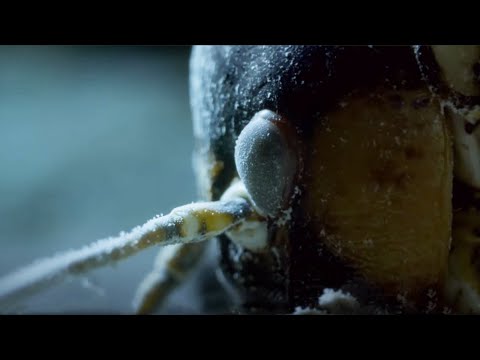
Imagine being able to freeze yourself solid, like a popsicle, and then thaw out later, perfectly fine. Sounds like science fiction, right? Well, for some insects, this incredible ability is a reality! Prepare to be amazed by the resilience of these tiny survivors.
It's hard to fathom the kind of biological adaptations required to withstand sub-zero temperatures. Most creatures, including us, would simply succumb to the formation of ice crystals that rupture cells. The very idea of an insect surviving this ordeal seems almost impossible, and understanding how they do it opens up fascinating avenues of scientific inquiry.
This post dives into the world of insects that have mastered the art of surviving being frozen. We'll explore their incredible physiological tricks, identify some key species, and uncover the secrets behind their frosty fortitude. Prepare to be amazed by the resilience of nature!
We'll discover how insects like the woolly bear caterpillar, the Alaskan beetle, and the springtail employ strategies like producing antifreeze compounds and dehydrating themselves to survive freezing temperatures. We'll also explore the scientific research that's unlocking the secrets of cryoprotection, and what potential implications this research might have for fields like medicine and food preservation. Join us on this journey into the fascinating world of freeze-tolerant insects, exploring keywords such as cryoprotection, cold hardiness, and insect physiology.
The Curious Case of the Woolly Bear Caterpillar
My first encounter with the concept of freeze-tolerant insects was during a childhood camping trip in the fall. I remember spotting a fuzzy, banded caterpillar slowly making its way across the forest floor. My dad, ever the nature enthusiast, explained that this was a woolly bear caterpillar, and that it could survive being frozen solid during the winter. I was utterly fascinated! The thought of an animal basically turning into an ice cube and then coming back to life in the spring was mind-blowing. This early introduction sparked a lifelong interest in the amazing adaptations of the natural world.
The woolly bear caterpillar, specifically, prepares for winter by producing a cryoprotectant called glycerol, a type of antifreeze, within its cells. This prevents ice crystals from forming inside the cells, which would cause irreparable damage. Additionally, the caterpillar will often seek shelter under logs or in leaf litter, providing some insulation from the most extreme temperatures. It essentially enters a state of suspended animation, with its metabolic processes slowing down dramatically. When temperatures rise in the spring, the caterpillar thaws out and resumes its activities. This strategy is common among many insects that survive freezing. Their ability to produce these antifreeze compounds and undergo significant physiological changes highlights the remarkable adaptability of life on Earth. The woolly bear, with its distinctive banded appearance, serves as a constant reminder of the incredible strategies insects have evolved to survive even the harshest of conditions, using cold hardiness and cryoprotection to their advantage.
What Does "Freeze-Tolerant" Really Mean?
Freeze tolerance, in the context of insects, refers to the ability of an organism to survive the formation of ice crystals within its body. This is distinctly different from "freeze avoidance," where organisms employ strategies to prevent ice formation altogether. Freeze-tolerant insects have evolved mechanisms to control where and how ice forms, minimizing damage to their cells and tissues.
These mechanisms often involve the production of cryoprotectants, such as glycerol, trehalose (a type of sugar), and antifreeze proteins. These substances lower the freezing point of the insect's body fluids, preventing ice formation at higher temperatures. Furthermore, they help to regulate the growth of ice crystals, ensuring that they form in extracellular spaces, where they are less likely to cause cellular damage. The insect might also dehydrate itself to reduce the amount of water available for ice formation. This process, coupled with the stabilization of cellular membranes, allows the insect to survive even when a significant portion of its body water has frozen solid. The key to freeze tolerance lies in minimizing cellular damage during the freezing and thawing process. Without these specialized adaptations, the ice crystals would rupture cell membranes and denature proteins, leading to irreversible damage and death. The complex interplay of physiological and biochemical adaptations allows these insects to defy the conventional limitations of life in freezing conditions, truly showcasing the power of natural selection and evolutionary innovation. This delicate balance highlights the keywords of cryoprotection, cold hardiness, and insect physiology working together.
History and Mythology of Winter Insects
While the scientific understanding of freeze-tolerant insects is relatively recent, the presence of these creatures has likely been observed and interpreted by humans for centuries. In some cultures, certain insects that emerge early in the spring may have been seen as harbingers of warmer weather, symbols of resilience, or even spiritual entities associated with the cycle of life and death.
For example, the appearance of springtails, tiny insects that can withstand freezing, might have been noticed by early agricultural communities as a sign that the ground was thawing and planting could begin. While not necessarily attributed to their freeze tolerance specifically, the reappearance of these insects after a long winter would have been a notable event. Similarly, some folklore surrounding caterpillars may have incorporated observations of their ability to survive harsh winters, potentially linking them to themes of rebirth or transformation. The link between the appearance of insects and the changing seasons has been a constant in human history. While specific myths directly attributing powers to freeze tolerance may be rare, the general association of insects with seasonal changes and natural cycles is widespread. Understanding the ecological roles of these creatures, even without scientific knowledge, would have been essential for early human societies. This intertwining of observation, folklore, and the natural world highlights the rich tapestry of human experience and our ongoing relationship with the insect world. Over time, scientific discoveries have added a new layer of understanding to these long-standing observations, allowing us to appreciate the truly remarkable adaptations that enable these insects to survive and thrive in the face of extreme cold.
Hidden Secrets of Insects That Can Survive Being Frozen
One of the most fascinating hidden secrets of freeze-tolerant insects lies in their ability to control the location of ice formation within their bodies. Instead of allowing ice crystals to form randomly within cells, which would be devastating, these insects promote ice nucleation in the extracellular spaces.
This process is facilitated by ice nucleating agents (INAs), which are proteins or other molecules that act as seeds for ice crystal formation. By concentrating ice formation in the extracellular fluid, these insects minimize the risk of intracellular damage. Furthermore, the gradual and controlled freezing process allows them to dehydrate their cells, reducing the amount of water available for ice formation and further protecting cellular structures. Another hidden secret is the complex interplay of genes that regulate the production of cryoprotectants and other cold-hardiness adaptations. Researchers are still working to unravel the genetic basis of freeze tolerance, but it is clear that a suite of genes is involved in orchestrating the physiological changes required for survival. The ability of insects to repair damage caused by freezing is also a relatively unexplored area. Some studies suggest that certain insects can repair cellular damage after thawing, further enhancing their resilience. These hidden secrets underscore the complexity of freeze tolerance and the remarkable adaptability of life in extreme environments. As researchers continue to investigate the physiological, biochemical, and genetic mechanisms underlying freeze tolerance, we can expect to uncover even more surprises about these fascinating creatures. Understanding these secrets could have profound implications for a variety of fields, including medicine and cryopreservation.
Recommendations for Further Exploration
If you're fascinated by the world of freeze-tolerant insects, I highly recommend delving deeper into the scientific literature. There are numerous research papers and reviews that explore the physiological, biochemical, and genetic mechanisms underlying freeze tolerance in various insect species.
A good starting point is to search for articles on cryoprotectants, cold hardiness, and insect physiology. You can also explore websites and online resources maintained by entomological societies and research institutions. Many universities and museums have collections of insects, and some offer educational programs and outreach activities related to entomology. Visiting a local museum or attending a lecture by an entomologist can be a great way to learn more about insects and their adaptations. Another recommendation is to observe insects in your own backyard or local parks. Pay attention to which species are active during the colder months and try to learn about their strategies for surviving the winter. You might be surprised to discover that some insects are much more resilient than you thought. Finally, consider reading books or watching documentaries about insects and their adaptations. There are many excellent resources available that can provide a broader understanding of the insect world and the remarkable diversity of life on Earth. By exploring these different avenues, you can deepen your knowledge of freeze-tolerant insects and gain a greater appreciation for the wonders of the natural world. Don't hesitate to dive in and learn more about these amazing creatures!
Digging Deeper: The Role of Ice Nucleating Agents
Ice nucleating agents (INAs) are crucial components of the freeze tolerance strategy employed by many insects. These substances act as catalysts for ice formation, but instead of initiating ice formation within cells, they promote it in the extracellular spaces. This controlled ice formation is essential for minimizing cellular damage during freezing.
INAs can be proteins, lipoproteins, or other molecules that provide a surface for ice crystals to form. They lower the activation energy required for ice nucleation, making it easier for ice to form at a given temperature. The location and concentration of INAs are carefully regulated within the insect's body. By concentrating INAs in the extracellular fluid, the insect ensures that ice forms outside of the cells, preventing intracellular ice formation and the associated damage. The type of INA can vary depending on the insect species and its environment. Some insects produce their own INAs, while others acquire them from their food or the environment. Understanding the specific INAs used by different insect species is an area of active research. In addition to their role in ice nucleation, INAs may also have other functions, such as regulating the rate of freezing and thawing. The controlled freezing process allows the insect to dehydrate its cells, further protecting them from damage. INAs play a critical role in the freeze tolerance strategy of many insects. By controlling the location and rate of ice formation, these substances help to ensure that insects can survive even when a significant portion of their body water has frozen solid. The study of INAs is an important area of research in the field of insect physiology and cryobiology.
Tips for Appreciating Cold-Hardy Insects in Your Area
One of the best ways to appreciate cold-hardy insects is to simply pay attention to the natural world around you, especially during the colder months. Look for signs of insect activity, such as footprints in the snow or insects crawling on tree trunks.
Learn to identify common insect species in your area and research their strategies for surviving the winter. Some insects may overwinter as adults, while others may overwinter as larvae or pupae. Knowing the life cycle of different insect species can help you to understand how they cope with the cold. Another tip is to provide habitat for insects in your garden or yard. Leave some leaf litter on the ground, as this can provide shelter for overwintering insects. You can also plant trees and shrubs that provide food and shelter for insects. Avoid using pesticides, as these can harm beneficial insects and disrupt the natural ecosystem. Consider building an insect hotel, which is a structure that provides shelter for a variety of insects. This can be a fun and educational project for families and can help to promote biodiversity in your area. Attend nature walks or workshops led by local experts. These events can provide valuable information about insects and their habitats. Finally, share your knowledge with others. Tell your friends and family about the amazing adaptations of cold-hardy insects and encourage them to appreciate the natural world around them. By taking these steps, you can become a more informed and engaged observer of the insect world and gain a deeper appreciation for the resilience of these amazing creatures. Your new appreciation will add to the ongoing understanding of cryoprotection, cold hardiness, and insect physiology.
The Surprising Diversity of Freeze-Tolerant Insects
The diversity of freeze-tolerant insects is truly remarkable. While some species, like the woolly bear caterpillar, are well-known for their ability to survive freezing, there are many other insects that have evolved similar adaptations.
These insects can be found in a variety of habitats, from the Arctic tundra to temperate forests. Some examples of freeze-tolerant insects include the Alaskan beetle, which can survive being frozen to temperatures as low as -80 degrees Celsius, and certain species of springtails, which are tiny, wingless insects that can be found in soil and leaf litter. Gall flies, which induce the formation of galls on plants, also exhibit freeze tolerance. The gall provides shelter for the developing larva, and the larva itself is able to survive freezing temperatures. Some moths and butterflies can also survive freezing, either as larvae or pupae. The pupal stage, in particular, is often highly resistant to cold temperatures. Even some aquatic insects, such as certain species of midges, can survive freezing in ice. These insects have adapted to life in cold environments and have evolved a variety of strategies for surviving freezing temperatures. The diversity of freeze-tolerant insects highlights the remarkable adaptability of life on Earth and the power of natural selection to shape organisms to their environment. By studying these insects, we can gain a better understanding of the physiological and biochemical mechanisms underlying freeze tolerance and potentially apply this knowledge to other fields, such as medicine and cryopreservation. The research continues to grow within cryoprotection, cold hardiness, and insect physiology.
Fun Facts About Insects That Can Survive Being Frozen
Did you know that some insects can survive being frozen solid for months, or even years? The Alaskan beetle, for example, can withstand temperatures as low as -80 degrees Celsius and can survive being frozen for extended periods of time.
Here are a few more fun facts about insects that can survive being frozen:
Some insects produce antifreeze compounds, such as glycerol and trehalose, which help to protect their cells from damage during freezing.
Other insects dehydrate themselves before freezing, reducing the amount of water available for ice formation.
Some insects can control where ice forms within their bodies, preventing ice crystals from forming inside cells.
Some insects can repair damage caused by freezing after thawing.
The ability to survive freezing is not limited to insects from cold climates. Some insects from temperate regions can also survive freezing temperatures.
The study of freeze-tolerant insects has potential applications in medicine and cryopreservation.
The woolly bear caterpillar, a common sight in the fall, can survive being frozen solid during the winter.
Some insects can even survive being frozen in liquid nitrogen, which is at a temperature of -196 degrees Celsius.
These fun facts highlight the remarkable resilience of insects and their ability to adapt to extreme environments. By studying these creatures, we can learn more about the fundamental principles of life and potentially develop new technologies for preserving biological materials. There is always more to learn about cryoprotection, cold hardiness, and insect physiology.
How Insects Achieve Freeze Tolerance
The ability of insects to survive being frozen is not simply a matter of luck. It involves a complex interplay of physiological, biochemical, and genetic adaptations. These adaptations can be broadly grouped into two categories: freeze avoidance and freeze tolerance.
Freeze avoidance strategies aim to prevent ice formation altogether. Some insects achieve this by supercooling their body fluids, which means lowering their temperature below the freezing point without ice forming. This is possible because the presence of impurities in water can act as nucleation sites for ice formation. By removing these impurities, insects can supercool their body fluids to very low temperatures. Another freeze avoidance strategy is to produce antifreeze compounds, such as glycerol and trehalose. These substances lower the freezing point of the insect's body fluids, preventing ice formation at higher temperatures. Freeze tolerance strategies, on the other hand, allow ice to form within the insect's body, but in a controlled manner. Insects that employ freeze tolerance strategies often produce ice nucleating agents (INAs), which promote ice formation in the extracellular spaces. This prevents ice from forming inside cells, which would cause damage. They also dehydrate their cells, reducing the amount of water available for ice formation. The combination of freeze avoidance and freeze tolerance strategies allows insects to survive even when a significant portion of their body water has frozen solid. The specific strategies used by an insect will depend on its species, its environment, and the severity of the cold. The research on cryoprotection, cold hardiness, and insect physiology is constant and evolutionary.
What if Insects Couldn't Survive Being Frozen?
If insects were unable to survive being frozen, the consequences for ecosystems and human societies would be profound. Insects play a critical role in many ecological processes, including pollination, decomposition, and nutrient cycling.
If insects were unable to survive the winter, many plant species would struggle to reproduce, as they rely on insects for pollination. Decomposition rates would slow down, leading to an accumulation of organic matter and a disruption of nutrient cycles. Many animals that rely on insects as a food source would also be affected, leading to declines in their populations. In addition to the ecological consequences, there would also be significant economic impacts. Agriculture would be severely affected, as many crops rely on insects for pollination and pest control. The forestry industry would also be affected, as insects play a role in the decomposition of wood and the control of forest pests. Human health could also be impacted, as insects play a role in the transmission of diseases. Mosquitoes, for example, transmit diseases such as malaria and dengue fever. If mosquitoes were unable to survive the winter, the incidence of these diseases would likely decrease. However, the overall impact of the loss of freeze-tolerant insects would be negative, as insects play a vital role in maintaining healthy ecosystems and supporting human societies. The importance of cryoprotection, cold hardiness, and insect physiology is understated.
Top 5 Insects That Can Survive Being Frozen
Here's a list of five of the most remarkable insects known for their ability to survive being frozen:
- The Woolly Bear Caterpillar: Famous for its banded appearance, this caterpillar produces glycerol as an antifreeze.
- The Alaskan Beetle: Holds the record for extreme cold tolerance, surviving temperatures as low as -80°C.
- Springtails: Tiny but mighty, these soil dwellers survive freezing by producing antifreeze proteins.
- Gall Flies: Their larvae survive inside galls, protected and prepped for freezing conditions.
- Snow Fleas (Ice Crawlers): These insects are active even on snow, thanks to their freeze-tolerance adaptations.
These insects demonstrate the astonishing power of adaptation in the face of extreme cold. Their survival strategies highlight the remarkable diversity and resilience of the insect world. Each of these species has evolved unique adaptations to survive the harsh conditions of winter. The woolly bear caterpillar, with its iconic banded appearance, is a familiar sight in the fall. The Alaskan beetle holds the record for extreme cold tolerance, surviving temperatures as low as -80 degrees Celsius. Springtails, tiny but mighty, are ubiquitous in soil and leaf litter. Gall flies are masters of manipulation, inducing plants to create shelters for their larvae. Snow fleas, also known as ice crawlers, are active even on snow, thanks to their freeze-tolerance adaptations. These insects represent just a small fraction of the many species that have evolved the ability to survive freezing temperatures. Their survival strategies highlight the remarkable diversity and resilience of the insect world. Without cryoprotection, cold hardiness, and insect physiology, non of this will exist.
Question and Answer about Insects That Can Survive Being Frozen
Here are some frequently asked questions about insects that can survive being frozen:
Q: How do insects survive being frozen?
A: They use a combination of strategies, including producing antifreeze compounds, dehydrating themselves, and controlling ice formation within their bodies.
Q: What are antifreeze compounds?
A: These are substances like glycerol and trehalose that lower the freezing point of the insect's body fluids.
Q: Where do these insects live?
A: They can be found in a variety of cold environments, from the Arctic to temperate regions.
Q: Why is this ability important?
A: It allows insects to survive harsh winters and play a critical role in ecosystems year-round.
Conclusion of Insects That Can Survive Being Frozen
The world of freeze-tolerant insects is a testament to the power of adaptation and the incredible resilience of life on Earth. These tiny creatures have evolved remarkable strategies to survive freezing temperatures, showcasing the diversity and complexity of the natural world. From producing antifreeze compounds to controlling ice formation, their physiological adaptations are a marvel of evolution. Understanding these adaptations can not only deepen our appreciation for the insect world but also potentially lead to new technologies in fields like medicine and cryopreservation. As we continue to explore the secrets of freeze-tolerant insects, we can expect to uncover even more surprises and gain a greater understanding of the fundamental principles of life.
0 Response to "Insects That Can Survive Being Frozen"
Post a Comment