What It's Like to Own a Mini Pig
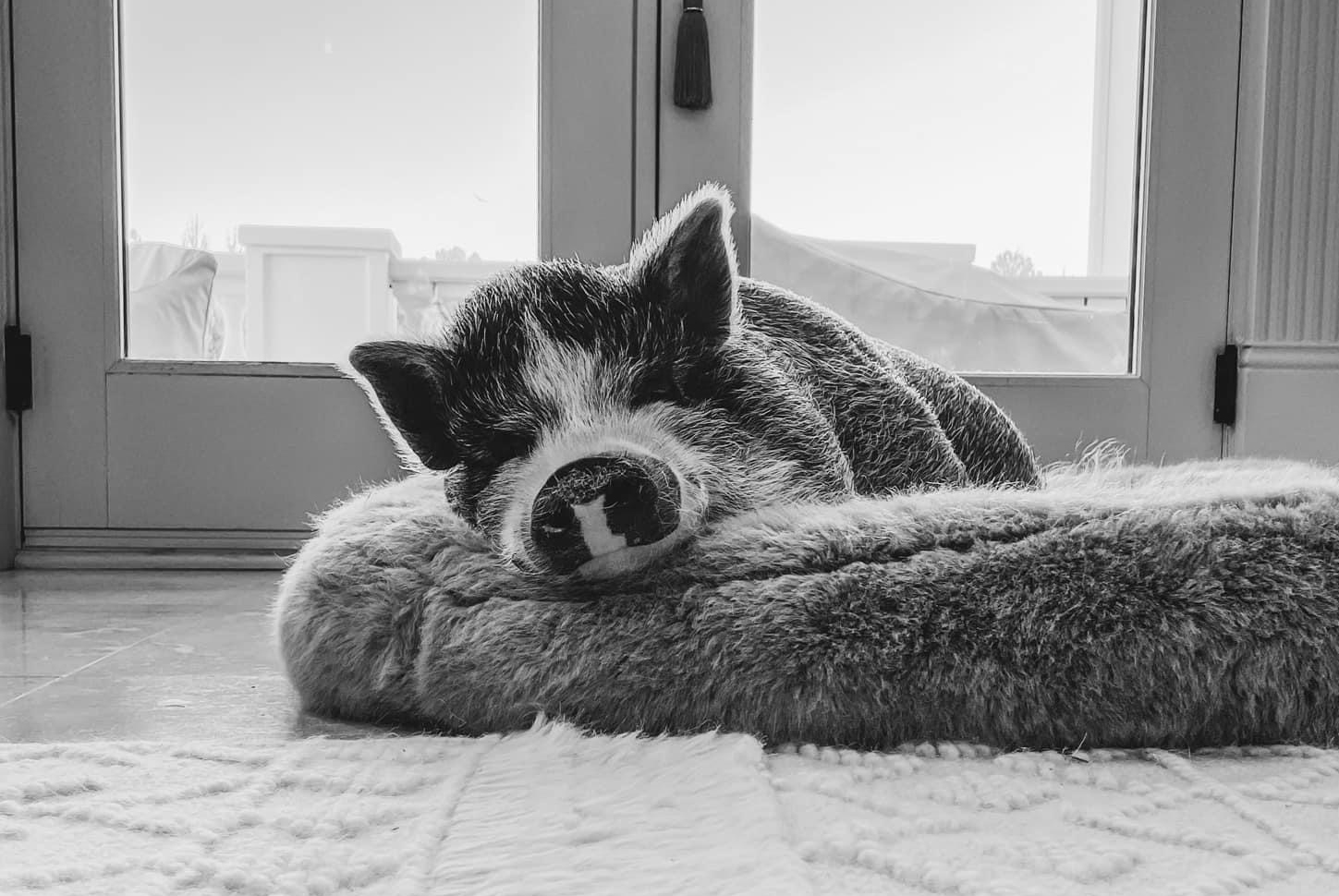
Imagine a world where your best friend oinks, snorts, and has an insatiable appetite for belly rubs. That's the reality of owning a mini pig! These intelligent and affectionate creatures are gaining popularity as pets, but are they right for you? Get ready to dive into the fascinating world of mini pig ownership and discover if you're ready for the responsibility (and the adorable chaos) that comes with it.
Bringing a mini pig into your life isn't as simple as picking one up from a farm. There are many considerations, from ensuring adequate space for them to roam and root, to providing specialized diets and understanding their unique social needs. It's also worth considering whether you're prepared for the realities of pig-proofing your home, the potential for unexpected noises, and the ongoing costs of care. And, perhaps most importantly, are you prepared to address misconceptions from friends, family, and even landlords?
So, what is itreallylike to own a mini pig? It's a whirlwind of laughter, learning, and a whole lot of love. They're incredibly smart, often learning tricks faster than dogs. They're also surprisingly clean animals, often establishing a designated bathroom area. But be warned, they can be mischievous and demanding, and their strong personalities can be both endearing and challenging. Owning a mini pig is a commitment that requires patience, understanding, and a willingness to adapt to their unique needs. Think of it as having a toddler with four legs and a snout – full of curiosity, affection, and the occasional mud puddle.
Mini pigs can make wonderful companions for the right owner. The experience entails commitment, research, and a dedication to understanding their unique needs. Owning a mini pig offers a unique and rewarding experience, with the potential for deep bonds and unforgettable memories. By understanding the reality of mini pig ownership, you can make an informed decision and potentially welcome a truly special companion into your life.
The Reality of Potty Training a Mini Pig
Potty training a mini pig is...an adventure. When we first brought Penelope home, we envisioned a seamless transition, expecting her to instinctively use the litter box. We were quickly humbled. The reality was a lot of accidents, frantic cleaning, and a whole lot of patience. We started by placing her in the litter box frequently, especially after meals and naps. Rewarding her with a small treat and lots of praise whenever she successfully went potty in the box was key. Consistency is crucial, and accidents are inevitable, but with perseverance, they get there. Mini pigs are intelligent creatures, but they also have their own agendas!
The key to success lies in understanding their behavior and recognizing their signals. They typically circle and sniff before going, so paying attention to these cues is vital. We also learned that mini pigs are very clean animals and prefer to eliminate in a designated area. This is why establishing a consistent potty spot is so important. It took us several weeks, and a fair amount of scrubbing, but Penelope eventually got the hang of it. The relief and pride we felt when she finally started using the litter box consistently were immense.
Even now, we sometimes have accidents, especially if we're not diligent about cleaning the litter box or if she's feeling stressed. But overall, potty training has been a success. It taught us a lot about Penelope's personality and the importance of patience and understanding. It’s important to remember that every pig is different, and what works for one might not work for another. Research different methods, experiment to find what suits your pig best, and don’t get discouraged by setbacks. With the right approach and a whole lot of love, you can successfully potty train your mini pig and enjoy a cleaner, happier home. It’s one of the first big steps in creating a harmonious relationship with your oinking companion!
The Intelligence of Mini Pigs
Mini pigs are often underestimated, but their intelligence is truly remarkable. They're highly trainable, capable of learning tricks, responding to commands, and even solving puzzles. In fact, some studies have shown that pigs are even smarter than dogs and have the cognitive abilities of a three-year-old human child. This intelligence is one of the most rewarding aspects of owning a mini pig, but it also presents unique challenges.
Their cleverness means they can quickly learn how to open cabinets, escape enclosures, and manipulate their environment to get what they want. This requires owners to be constantly vigilant and proactive in pig-proofing their homes. Puzzle toys, interactive games, and training sessions are essential for keeping their minds engaged and preventing boredom, which can lead to destructive behavior. One of the things that impresses me most about mini pigs is their ability to problem-solve. They can figure out how to get to food, manipulate objects to their advantage, and even understand complex social dynamics.
This intelligence also makes them incredibly sensitive and emotionally intelligent animals. They form deep bonds with their owners and can recognize different people and animals. They also have a wide range of emotions, from happiness and excitement to sadness and anxiety. As a result, it's crucial to provide them with a stimulating and enriching environment that meets their physical, mental, and emotional needs. By understanding their intelligence and providing them with the appropriate care, you can unlock their full potential and build a truly special bond with your mini pig.
Mini Pig Myths and Misconceptions
One of the biggest misconceptions about mini pigs is that they stay small forever. While they are smaller than standard farm pigs, they can still grow to be quite substantial, often weighing between 60 and 150 pounds or more. This misunderstanding often leads to owners being unprepared for the size and space requirements of their pet, which can result in them being rehomed. Another common myth is that mini pigs are low-maintenance pets. In reality, they require a significant amount of time, attention, and care.
They need specialized diets, regular hoof trims, and veterinary care, as well as enrichment activities to keep them stimulated and happy. There's also the misconception that mini pigs are dirty animals. While they do enjoy wallowing in mud to regulate their body temperature, they are naturally clean animals and can be easily litter box trained. They often establish a designated bathroom area and will avoid soiling their living space. However, their rooting behavior can sometimes give the impression that they are messy, as they use their snouts to dig and explore their surroundings. Another myth is that mini pigs are aggressive animals.
While they can be stubborn and assertive, they are generally gentle and affectionate animals, especially when properly socialized and trained. They can form deep bonds with their owners and other animals and enjoy cuddling and playing. It’s important to remember that pigs are individuals and their personalities can vary. Some may be more outgoing and playful, while others may be more shy and reserved. It is very important to do your research and understand the realities of mini pig ownership before bringing one into your home. By dispelling these myths and misconceptions, you can make an informed decision and provide your mini pig with the proper care and environment it needs to thrive.
Hidden Secrets of Mini Pig Ownership
Beyond the adorable snorts and playful antics, there are some hidden secrets to mini pig ownership that many first-time owners don't anticipate. One of the biggest surprises is just how vocal they can be. Mini pigs communicate through a variety of sounds, from contented grunts and squeals to loud oinks and snorts. They can be especially noisy when they're hungry, bored, or seeking attention, which can be challenging for owners living in apartments or close proximity to neighbors. Another secret is their incredible sense of smell.
Mini pigs use their snouts to explore their environment and can detect even the faintest scent of food. This makes it essential to keep food items securely stored and to pig-proof your home to prevent them from accessing anything they shouldn't. Another hidden secret is their surprisingly strong teeth. Mini pigs have sharp teeth that they use for rooting and chewing, and they can easily destroy furniture, carpets, and other household items if left unsupervised. Providing them with appropriate chew toys and engaging them in activities that satisfy their natural rooting instincts is crucial. Finally, one of the best-kept secrets about mini pigs is their capacity for love and companionship.
Despite their stubbornness and occasional mischief, they are incredibly affectionate animals that crave human interaction. They love cuddling, playing, and spending time with their owners, and they can form deep and lasting bonds. Owning a mini pig is a unique and rewarding experience, but it's important to be aware of these hidden secrets before bringing one into your home. By understanding their behavior and providing them with the proper care and environment, you can unlock their full potential and enjoy a truly special connection with your oinking companion. It’s worth noting that no matter how much you read and research, some things you just have to experience firsthand. The unique quirks and personality of your own pig will undoubtedly reveal even more “secrets” along the way!
Recommendations for Potential Mini Pig Owners
So, you're seriously considering adding a mini pig to your family? That's wonderful! But before you take the plunge, here are some recommendations to ensure you're truly prepared. First and foremost, do your research. Don't just rely on online articles or anecdotal stories; seek out reputable breeders or rescue organizations that can provide you with accurate and comprehensive information about mini pig care. Visit multiple breeders or rescues, meet their pigs, and ask lots of questions. This will give you a better understanding of their temperaments, personalities, and overall health.
Next, consider your living situation. Mini pigs need a significant amount of space to roam and root, both indoors and outdoors. Ensure you have a secure and fenced outdoor area where they can exercise and engage in natural behaviors. Also, make sure your home is pig-proofed, with sturdy furniture, protected electrical cords, and secure storage for food and other potentially dangerous items. Financial stability is also crucial. Mini pigs require specialized diets, regular veterinary care, and other expenses that can quickly add up.
Be prepared for ongoing costs, such as food, bedding, vaccinations, hoof trims, and potential medical emergencies. Finally, talk to your family and make sure everyone is on board with the decision. Owning a mini pig is a team effort, and it's important that everyone is willing to participate in their care and training. By following these recommendations, you can increase your chances of success and create a happy and fulfilling life for both you and your mini pig. It's also a good idea to connect with other mini pig owners in your area or online. They can provide you with valuable advice, support, and resources, and they can help you navigate the challenges and joys of mini pig ownership.
Mini Pig Diet and Nutrition
A proper diet is crucial for maintaining the health and well-being of your mini pig. Unlike other common pets, mini pigs have specific dietary needs that must be met to prevent obesity and other health problems. The foundation of their diet should consist of a high-quality, commercially formulated mini pig feed. Look for a feed that is specifically designed for mini pigs and contains a balanced blend of protein, fiber, vitamins, and minerals. Avoid feeding them dog or cat food, as these are not formulated for their unique nutritional requirements.
While treats are a great way to reward your mini pig during training, it's important to offer them in moderation. Opt for healthy snacks like fresh vegetables, fruits, and whole grains. Avoid sugary, processed treats, as these can lead to weight gain and other health issues. It is essential to monitor your mini pig's weight and adjust their food intake accordingly. Obesity is a common problem in mini pigs, and it can lead to a variety of health complications, including arthritis, heart disease, and diabetes. Consult with your veterinarian to determine the appropriate amount of food for your pig based on their age, weight, activity level, and overall health. Providing your mini pig with fresh, clean water at all times is also crucial.
Water helps regulate their body temperature, aids in digestion, and prevents dehydration. Ensure they have access to a water bowl or fountain that is easy to access and clean. It’s worth noting that some foods are toxic to pigs, including chocolate, avocados, onions, and garlic. Be sure to keep these items out of their reach to prevent accidental ingestion. Understanding the nutritional needs of your mini pig and providing them with a balanced and healthy diet is one of the most important things you can do to ensure their long-term health and happiness. By working closely with your veterinarian and monitoring their weight and overall condition, you can help them thrive and enjoy a long and fulfilling life.
Tips for a Happy Mini Pig
A happy mini pig is a well-cared-for mini pig! Providing your mini pig with a stimulating and enriching environment is essential for their physical and mental well-being. Here are some tips to ensure your oinking companion is living their best life. Firstly, provide plenty of opportunities for rooting. Rooting is a natural behavior for pigs, and it helps them satisfy their curiosity and explore their environment. Create a rooting box filled with dirt, sand, or shredded paper, and hide treats or toys inside for them to discover.
Engage in regular training sessions. Mini pigs are intelligent animals and thrive on mental stimulation. Teach them tricks, commands, and even basic obedience skills using positive reinforcement methods. This will not only keep them entertained but also strengthen the bond between you and your pig. Socialization is also crucial. Expose your mini pig to a variety of people, animals, and environments from a young age. This will help them become well-adjusted and confident, and it will prevent them from developing behavioral problems later in life. Provide them with plenty of toys.
Mini pigs enjoy playing with toys that they can chew, push, and manipulate. Rotate their toys regularly to keep them interested and engaged. Offer them regular veterinary care. Schedule routine checkups with a veterinarian who is experienced in treating mini pigs. This will help detect and prevent potential health problems early on. By following these tips, you can create a happy and fulfilling life for your mini pig. Remember that every pig is different, so it's important to observe your pig's individual preferences and needs and adjust your care accordingly. By providing them with a loving and supportive environment, you can build a strong and lasting bond with your oinking companion and enjoy many years of companionship.
Mini Pig Housing and Enrichment
Creating a comfortable and stimulating living space for your mini pig is essential for their physical and mental well-being. While mini pigs can adapt to a variety of environments, there are some key factors to consider when designing their housing. Firstly, ensure they have access to a secure and spacious indoor area. This can be a dedicated room, a large pen, or even a section of your home that is pig-proofed. The space should be large enough for them to move around freely, stretch out, and engage in natural behaviors.
Provide them with a comfortable bed or sleeping area. This can be a soft blanket, a dog bed, or even a pile of straw or hay. Make sure the bedding is clean and dry, and replace it regularly to prevent odors and bacteria. A secure outdoor area is also crucial. Mini pigs need access to fresh air, sunshine, and the opportunity to root and explore. The outdoor area should be fenced to prevent them from escaping, and it should provide shelter from the elements, such as a shade structure or a small pig house. Enrichment is key to preventing boredom and destructive behavior.
Provide your mini pig with a variety of toys, puzzles, and activities to keep them mentally stimulated. Consider adding a rooting box filled with dirt or sand, a wading pool for them to cool off in during the summer, or even a climbing structure for them to explore. It’s important to rotate their toys regularly to keep them interested and engaged. By creating a stimulating and enriching environment, you can ensure your mini pig is happy, healthy, and well-adjusted. Remember that their living space should be safe, comfortable, and provide them with plenty of opportunities to express their natural behaviors.
Fun Facts About Mini Pigs
Prepare to be amazed! Mini pigs are full of surprises. Did you know that they're incredibly clean animals? Despite their reputation for wallowing in mud, they are naturally tidy and prefer to eliminate in a designated area. They can be easily litter box trained and will often avoid soiling their living space. Another fun fact is that mini pigs are highly intelligent. Studies have shown that they're smarter than dogs and have the cognitive abilities of a three-year-old human child. They can learn tricks, solve puzzles, and even recognize their own reflection in a mirror.
Mini pigs also have a unique way of communicating. They use a variety of sounds, from contented grunts and squeals to loud oinks and snorts. They can even differentiate between different people and animals based on their scent and voice. And get this – mini pigs don't sweat! They regulate their body temperature by wallowing in mud or water, which is why they often enjoy spending time in puddles or wading pools. Here's another interesting tidbit: mini pigs have a lifespan of 12-18 years, which means they're a long-term commitment.
Be prepared to provide them with love, care, and attention for many years to come. Finally, mini pigs come in a variety of colors and patterns, including black, white, pink, spotted, and brindle. Their appearance can vary depending on their breed and genetics, making each pig unique. These fun facts are just a glimpse into the fascinating world of mini pigs. By learning more about these intelligent and affectionate creatures, you can gain a deeper appreciation for their unique qualities and understand why they make such wonderful companions. It's worth remembering that every pig is an individual, and their personality and quirks will continue to surprise and delight you throughout their lives.
How to Bond With Your Mini Pig
Building a strong bond with your mini pig is one of the most rewarding aspects of ownership. These intelligent and affectionate animals are capable of forming deep connections with their humans, but it takes time, patience, and effort to build trust and create a lasting relationship. The key to bonding with your mini pig is to spend quality time with them. Engage in activities that they enjoy, such as cuddling, playing, or going for walks. The more time you spend with your pig, the stronger your bond will become. Positive reinforcement is also crucial.
Use treats, praise, and affection to reward them for good behavior and to reinforce positive interactions. Avoid using punishment or harsh methods, as these can damage your relationship and make them fearful of you. Learn to understand their body language. Mini pigs communicate through a variety of sounds and gestures, and by paying attention to their behavior, you can learn to understand their needs and emotions. A relaxed pig will often lie down with their belly exposed, while a stressed or fearful pig may tuck their tail and avoid eye contact. Patience is key.
Building trust takes time, and it's important to be patient and understanding as your pig learns to trust you. Don't rush the process, and allow them to come to you at their own pace. Regular routines help too. Establish a consistent daily routine for feeding, playtime, and other activities. This will help your pig feel secure and confident, and it will strengthen your bond. Be consistent with your commands and expectations. Mini pigs thrive on structure and consistency, and by being clear and consistent in your interactions, you can help them understand what you expect of them. By following these tips, you can build a strong and lasting bond with your mini pig and enjoy many years of companionship. Remember that every pig is different, so it's important to tailor your approach to their individual personality and needs. With love, patience, and understanding, you can create a truly special relationship with your oinking companion.
What If My Mini Pig...?
Owning a mini pig can bring unexpected scenarios. What if your mini pig starts displaying aggressive behavior? It's important to understand that aggression in pigs is often rooted in fear, frustration, or territoriality. It's crucial to address the underlying cause of the behavior rather than simply punishing the pig. Seek guidance from a qualified veterinarian or animal behaviorist to help identify the trigger and develop a training plan to address the issue. What if your mini pig suddenly stops eating? A loss of appetite can be a sign of a variety of health problems, ranging from dental issues to infections.
It's essential to consult with your veterinarian as soon as possible to determine the cause of the problem and receive appropriate treatment. What if your mini pig starts rooting excessively indoors? Rooting is a natural behavior for pigs, but it can be destructive if it's directed at furniture or carpets. Provide your pig with a designated rooting area, such as a box filled with dirt or sand, and redirect their rooting behavior to this area. What if your mini pig becomes depressed or withdrawn? Pigs are social animals and can become depressed if they're isolated or lack mental stimulation.
Ensure your pig has plenty of opportunities for social interaction, playtime, and enrichment activities. If their behavior persists, consult with your veterinarian to rule out any underlying medical conditions. What if my mini pig gets fleas? Although they are not that common, mini pigs can also get fleas and other parasites. Use only vet approved medication, and seek veterinary advice. By being prepared for these and other potential scenarios, you can ensure that you're able to provide your mini pig with the care and support they need to thrive. Remember that every pig is different, and it's important to be proactive in addressing any health or behavioral issues that may arise. By working closely with your veterinarian and seeking guidance from qualified professionals, you can help your mini pig live a happy, healthy, and fulfilling life.
Top 5 Things to Know Before Getting a Mini Pig
Thinking of welcoming a mini pig into your home? Here are the top five things you absolutely need to know before taking the plunge:
1.They Get Bigger Than You Think: Forget those tiny teacup pigs! "Mini" pigs can still grow to be 60-150 pounds or more.
2.They Need Space: These aren't apartment pets. They need a fenced outdoor area for rooting and grazing.
3.They're Smart (and Mischievous): Their intelligence means they need constant mental stimulation to avoid boredom and destructive behavior.
4.They Require a Specific Diet: Mini pigs need a specialized diet to avoid obesity and health problems. Dog food is a big no-no.
5.They're a Long-Term Commitment: With a lifespan of 12-18 years, owning a mini pig is a commitment similar to that of a dog or cat.
Knowing and accepting these realities is essential for responsible mini pig ownership. By being prepared for the challenges and joys of mini pig ownership, you can ensure that you and your oinking companion have a happy and fulfilling life together. It's also important to remember that every pig is an individual, and their personality and needs may vary. It’s always a good idea to spend time with a mini pig before committing to ownership to ensure that you are a good match.
Question and Answer Section About What It's Like to Own a Mini Pig
Here are some frequently asked questions about owning a mini pig:
Q: Are mini pigs good with children?
A: Yes, with proper socialization and training, mini pigs can be great with children. However, it's important to supervise interactions and teach children how to handle pigs gently and respectfully.
Q: Do mini pigs smell?
A: Mini pigs themselves don't typically smell if they're properly cared for. However, their living area can become smelly if it's not cleaned regularly.
Q: Can mini pigs be left alone all day?
A: While mini pigs can be left alone for a few hours, they shouldn't be left alone all day. They need social interaction, enrichment, and regular bathroom breaks.
Q: Are mini pigs expensive to care for?
A: Yes, mini pigs can be expensive to care for. They require specialized diets, regular veterinary care, and other expenses that can quickly add up.
Conclusion of What It's Like to Own a Mini Pig
Owning a mini pig is a unique and rewarding experience, but it's not for everyone. These intelligent and affectionate animals require a significant amount of time, attention, and care. By understanding the realities of mini pig ownership and being prepared for the challenges and joys that come with it, you can make an informed decision and potentially welcome a truly special companion into your life. Do your research, be realistic about your lifestyle and resources, and be prepared to commit to a long-term relationship with your oinking friend. If you're ready for the responsibility, owning a mini pig can be a truly life-changing experience.
0 Response to "What It's Like to Own a Mini Pig"
Post a Comment