How Prey Outsmart Their Predators
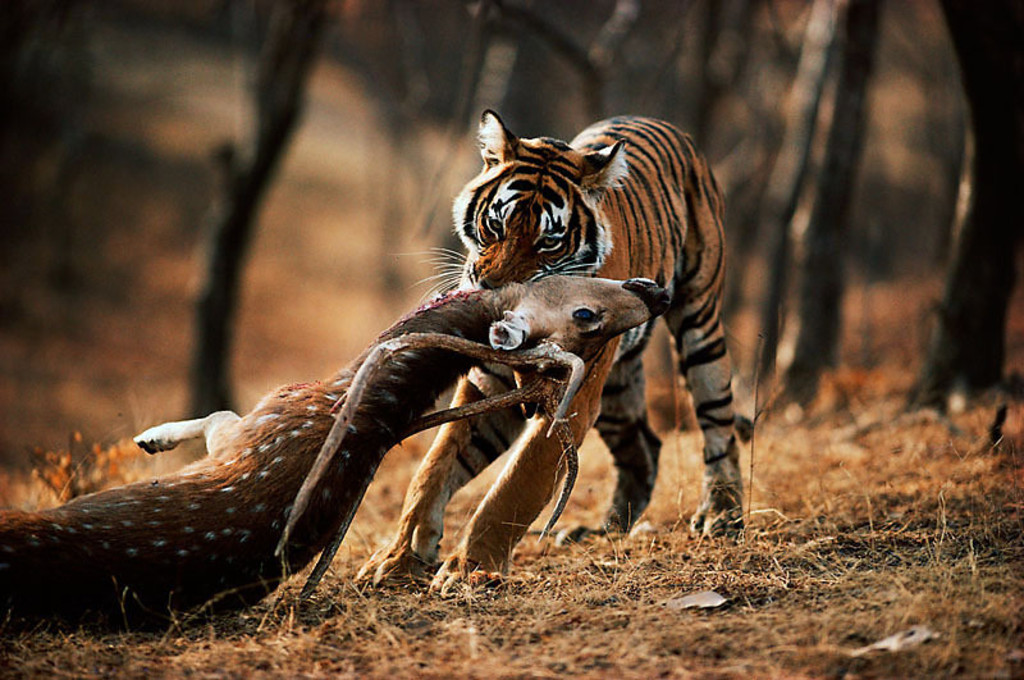
Imagine a world where every day is a life-or-death struggle. A constant game of cat and mouse, only the stakes are far higher. It sounds like a thriller movie, but this is the reality for countless creatures in the animal kingdom. But it's not just about brute strength and sharp teeth. Often, the underdog—the prey—has a few tricks up their sleeve to survive another day.
Ever feel like you're facing insurmountable odds? Like you're constantly navigating a world designed against you? That feeling, that nagging sense of vulnerability, is something that prey animals experience every single moment of their lives. For them, failure isn't just a setback; it's the end. The natural world is unforgiving and survival depends on being smarter, quicker, and more adaptable than the predator on your tail.
This article delves into the fascinating world of prey animals and the ingenious strategies they employ to outwit their predators. We'll explore the diverse range of tactics, from camouflage and mimicry to complex social behaviors and outright deception. We'll uncover how these creatures have evolved to not only survive but thrive in the face of constant threat.
We'll be exploring the incredible adaptations that allow prey to survive, focusing on camouflage, mimicry, alarm calls, and defensive formations. We'll also examine the evolutionary arms race between predator and prey, highlighting the constant innovation and adaptation that drives the natural world. Keywords: Prey, predators, survival, camouflage, mimicry, evolution, animal behavior, defense mechanisms.
The Art of Camouflage
The target of camouflage is to avoid detection by blending in with the surrounding environment. This can involve matching colors, patterns, or even textures. My wife and I once went camping in Sequoia National Park, and she, who is an avid birder, was trying to show me a specific type of owl that was native to that area. We looked for hours but we could not find it, even with our binocculars. It was only later when we went back to the visitors center that we realized how perfectly camouflaged the owls were. The color and texture of their feathers blended seamlessly with the bark of the trees. It was a stark reminder of how crucial camouflage is for survival in the wild.
Camouflage isn't just about being the same color as your surroundings. It's about disrupting your outline, creating optical illusions, and even using shadows to your advantage. Think of a zebra's stripes – they might seem conspicuous in a zoo, but in the African savanna, they break up the animal's shape, making it difficult for predators like lions to single out an individual from a herd. Similarly, many insects and reptiles mimic leaves, twigs, or even bird droppings to avoid being recognized as potential prey.
The effectiveness of camouflage depends on several factors, including the predator's vision, the prey's behavior, and the environment itself. Some animals can even change their camouflage in response to changes in their surroundings, such as the chameleon, which can alter its skin color to match different backgrounds. The constant pressure from predators drives the evolution of ever more sophisticated camouflage techniques, ensuring that prey animals stay one step ahead in the survival game.
Mimicry: Impersonating Danger
Mimicry takes camouflage a step further by not only blending in but also impersonating something dangerous or unpalatable. This can involve mimicking the appearance, behavior, or even sounds of other animals that predators avoid. Imagine a harmless butterfly that looks like a poisonous one or a snake that vibrates its tail to imitate a rattlesnake. These are examples of mimicry in action, where prey animals use deception to deter predators.
There are two main types of mimicry: Batesian mimicry, where a harmless species mimics a harmful one, and Mullerian mimicry, where multiple harmful species mimic each other. Batesian mimicry relies on predators learning to avoid the harmful species, thus indirectly protecting the harmless mimic. Mullerian mimicry, on the other hand, benefits all the participating species by reinforcing the warning signal to predators. For example, many species of brightly colored butterflies are poisonous, and they all share similar patterns, making it easier for predators to learn to avoid them.
The success of mimicry depends on the relative abundance of the mimic and the model (the species being mimicked). If the mimic becomes too common, predators may learn that the warning signal is not always reliable, reducing the effectiveness of the mimicry. This creates a dynamic balance between the mimic and the model, driving the evolution of even more convincing imitations.
The History and Myth of Outsmarting Predators
The idea of prey outsmarting predators has been a recurring theme in folklore and mythology across cultures. From the cunning rabbit in Br'er Rabbit stories to the wily fox in European fables, these tales often portray smaller, weaker animals using their wits to overcome larger, stronger adversaries. These stories reflect a deep-seated human fascination with the underdog and a recognition of the power of intelligence and resourcefulness in the face of adversity.
In reality, the evolutionary arms race between predator and prey has been going on for millions of years, resulting in a diverse array of adaptations and counter-adaptations. Predators evolve to become better hunters, while prey evolve to become better at avoiding being hunted. This constant back-and-forth drives the evolution of both groups, leading to ever more sophisticated strategies and behaviors. The fossil record provides ample evidence of this arms race, showing how both predators and prey have adapted to each other over time.
The concept of outsmarting predators is not just limited to the animal kingdom. Humans have also used their intelligence and technology to protect themselves from predators, both real and metaphorical. From building shelters to developing weapons, humans have constantly sought ways to gain an advantage over those who would harm them. This drive for survival is a fundamental aspect of human nature and has shaped our history and culture.
Hidden Secrets of Predator Evasion
Beyond the well-known strategies like camouflage and mimicry, prey animals possess a host of other hidden secrets that help them evade predators. These can include specialized senses, such as the ability to detect predators from a distance, or unique physiological adaptations, such as the ability to run at incredible speeds. Some animals even use social behavior to their advantage, forming groups to increase their chances of survival.
One fascinating example is the use of alarm calls. Many social animals, such as prairie dogs and meerkats, have evolved specific calls to warn their group members of the presence of a predator. These calls can vary depending on the type of predator, allowing the animals to take appropriate evasive action. For instance, a call for a hawk might prompt the animals to hide underground, while a call for a snake might cause them to mob the predator.
Another hidden secret is the use of distraction displays. Some birds, for example, will feign injury to lure predators away from their nests. They might limp, drag a wing, or act as if they are unable to fly, drawing the predator's attention to themselves and away from their vulnerable young. These displays are often incredibly convincing and can be highly effective in protecting offspring.
Recommendations for Better Understanding Prey Survival
To gain a deeper understanding of how prey outsmart their predators, I recommend exploring documentaries like "Planet Earth" and "Blue Planet," which showcase the incredible diversity of life on Earth and the challenges faced by both predators and prey. Reading books by biologists and ecologists, such as "The Selfish Gene" by Richard Dawkins, can also provide valuable insights into the evolutionary forces that shape animal behavior.
Visiting zoos and wildlife sanctuaries can offer a firsthand glimpse into the lives of prey animals and their adaptations for survival. Observing their behavior in a controlled environment can help you appreciate the challenges they face in the wild. Additionally, many natural history museums have exhibits on predator-prey relationships, providing a wealth of information on the topic.
Participating in citizen science projects can also be a great way to learn more about prey animals and their predators. Many organizations offer opportunities to collect data on wildlife populations, track animal movements, and monitor predator-prey interactions. This hands-on experience can provide a deeper appreciation for the complexities of the natural world and the importance of conservation efforts.
Digging Deeper: The Evolutionary Arms Race
The evolutionary arms race is a concept that describes the ongoing struggle between predators and prey, where each group evolves in response to the other. As predators become better at hunting, prey become better at avoiding being hunted, and vice versa. This constant back-and-forth drives the evolution of both groups, leading to ever more sophisticated strategies and adaptations.
One classic example of the evolutionary arms race is the relationship between bats and moths. Bats use echolocation to find moths in the dark, while moths have evolved a variety of defenses to avoid being detected. Some moths have evolved ears that can detect the ultrasonic calls of bats, allowing them to take evasive action. Others have evolved scales that scatter the bat's echolocation signals, making them harder to detect. And still others have evolved the ability to produce their own ultrasonic clicks, which may startle or confuse bats.
The evolutionary arms race is not just limited to physical adaptations. It can also involve behavioral adaptations, such as changes in hunting strategies or social behavior. For example, some predators have learned to anticipate the evasive maneuvers of their prey, while some prey have learned to cooperate with each other to defend against predators. This constant innovation and adaptation is what makes the natural world so dynamic and fascinating.
Tips for Observing Predator-Prey Interactions
Observing predator-prey interactions in the wild can be a rewarding experience, but it requires patience, knowledge, and respect for the animals involved. Start by researching the local wildlife in your area and identifying the common predators and prey. Learn about their habitats, behaviors, and feeding habits. This will help you know where to look and what to expect.
When observing wildlife, it's important to minimize your impact on the environment. Stay on designated trails, avoid making loud noises, and keep a safe distance from the animals. Use binoculars or a spotting scope to get a closer look without disturbing them. Remember, you are a guest in their home, and your goal should be to observe without interfering.
Be patient and persistent. Predator-prey interactions are often brief and unpredictable. You may have to spend hours or even days in the field before you witness one. But when you do, it will be an unforgettable experience. Take notes on what you see, including the species involved, the behavior of the animals, and the environmental conditions. This will help you learn more about the dynamics of predator-prey relationships and contribute to our understanding of the natural world.
Ethical Considerations in Wildlife Observation
When observing wildlife, it's important to be mindful of the ethical implications of your actions. Avoid approaching animals too closely, as this can cause them stress and disrupt their natural behavior. Never feed wild animals, as this can make them dependent on humans and alter their feeding habits. And be aware of the potential impact of your presence on sensitive habitats, such as nesting sites or breeding grounds.
If you are photographing wildlife, avoid using flash photography, as this can startle or disorient the animals. Be respectful of their space and avoid blocking their access to food or water. If you are sharing your photos online, consider including information about the location and conditions in which they were taken, as well as any ethical considerations you took into account.
Remember, the goal of wildlife observation should be to learn about and appreciate the natural world without causing harm to the animals or their environment. By following these ethical guidelines, you can ensure that your observations are both rewarding and responsible.
Fun Facts About Predator-Prey Dynamics
Did you know that some prey animals can regenerate lost limbs to escape from predators? Certain species of lizards and salamanders can detach their tails when threatened, distracting the predator while they make their escape. The tail will continue to twitch and move, providing a tempting target for the predator while the lizard or salamander makes its getaway. The lost tail will eventually regenerate, although it may not be exactly the same as the original.
Another fun fact is that some predators use deception to lure prey. Anglerfish, for example, have a bioluminescent lure that they dangle in front of their mouths to attract smaller fish. When a fish gets close enough, the anglerfish quickly snaps it up. Similarly, some spiders mimic the scent of female moths to attract male moths, which they then capture and eat.
And finally, did you know that some prey animals can use their own venom against predators? The slow loris, a small primate found in Southeast Asia, has a venomous bite. It licks its elbows to activate the venom, which it then uses to defend itself against predators. The venom can cause severe pain and swelling, deterring predators from attacking.
How to Encourage Biodiversity and Healthy Predator-Prey Relationships
Protecting and restoring natural habitats is essential for maintaining healthy predator-prey relationships. Preserving forests, wetlands, and grasslands provides shelter, food, and breeding grounds for both predators and prey. Supporting conservation organizations that work to protect these habitats can make a significant difference in the long-term survival of these animals.
Reducing the use of pesticides and herbicides can also help protect prey animals. These chemicals can contaminate food sources and disrupt ecosystems, harming both predators and prey. Opting for organic farming practices and supporting local farmers who use sustainable methods can help reduce the impact of agriculture on wildlife.
Educating yourself and others about the importance of predator-prey relationships is another way to make a difference. Sharing information about the role of predators in maintaining healthy ecosystems and the threats faced by prey animals can help raise awareness and inspire action. Encouraging others to appreciate and respect wildlife can contribute to a more sustainable future for all.
What If Predators Disappeared?
The disappearance of predators would have cascading effects on ecosystems, leading to widespread imbalances and potentially catastrophic consequences. Without predators to control their populations, prey animals would likely overgraze vegetation, leading to habitat degradation and loss of biodiversity. This, in turn, could affect other species that depend on those habitats, creating a domino effect throughout the food web.
The absence of predators could also lead to the spread of diseases. Predators often prey on the sick and weak, helping to keep populations healthy. Without this natural regulation, diseases could spread more rapidly, leading to outbreaks that could decimate prey populations. Additionally, the loss of predators could lead to the dominance of certain prey species, outcompeting other species and reducing overall diversity.
In some cases, the removal of predators has led to unexpected consequences. For example, the removal of wolves from Yellowstone National Park in the early 20th century led to an increase in the elk population, which overgrazed vegetation and altered the landscape. When wolves were reintroduced to the park in the 1990s, they helped to control the elk population, allowing vegetation to recover and restoring the balance of the ecosystem.
Listicle: 5 Amazing Predator Evasion Tactics
1. Playing Dead: Some animals, like opossums, feign death when threatened. They go limp, drool, and even emit a foul odor to convince predators that they are dead and unpalatable.
2. Autotomy: As mentioned earlier, some lizards and salamanders can detach their tails to escape from predators. The wriggling tail distracts the predator while the animal makes its getaway.
3. Mobbing: Some prey animals, like birds, will mob predators by swarming around them and making loud noises. This can harass the predator and deter it from attacking.
4. Chemical Defenses: Many insects and amphibians use chemical defenses to deter predators. They may secrete toxic substances that are irritating or poisonous to the touch.
5. Startle Displays: Some animals have evolved startle displays to surprise and confuse predators. These can include sudden flashes of color, loud noises, or erratic movements.
Question and Answer
Q: What is the evolutionary arms race?
A: The evolutionary arms race is a continuous cycle of adaptation and counter-adaptation between predators and prey, where each group evolves in response to the other.
Q: What is camouflage?
A: Camouflage is a type of adaptation that allows prey animals to blend in with their surroundings, making it difficult for predators to detect them.
Q: What is mimicry?
A: Mimicry is a type of adaptation where a prey animal imitates another species, such as a harmful or unpalatable one, to deter predators.
Q: Why are predators important for ecosystems?
A: Predators help to control prey populations, maintain biodiversity, and prevent the spread of diseases.
Conclusion of How Prey Outsmart Their Predators
The world of predator-prey interactions is a testament to the power of evolution and the ingenuity of nature. Prey animals have evolved a remarkable array of strategies to outwit their predators, from camouflage and mimicry to social behavior and chemical defenses. Understanding these strategies can provide valuable insights into the dynamics of ecosystems and the importance of conservation efforts. By appreciating the challenges faced by both predators and prey, we can work to protect and restore natural habitats, ensuring a sustainable future for all.
0 Response to "How Prey Outsmart Their Predators"
Post a Comment