The Art of Ambush: Predators That Wait
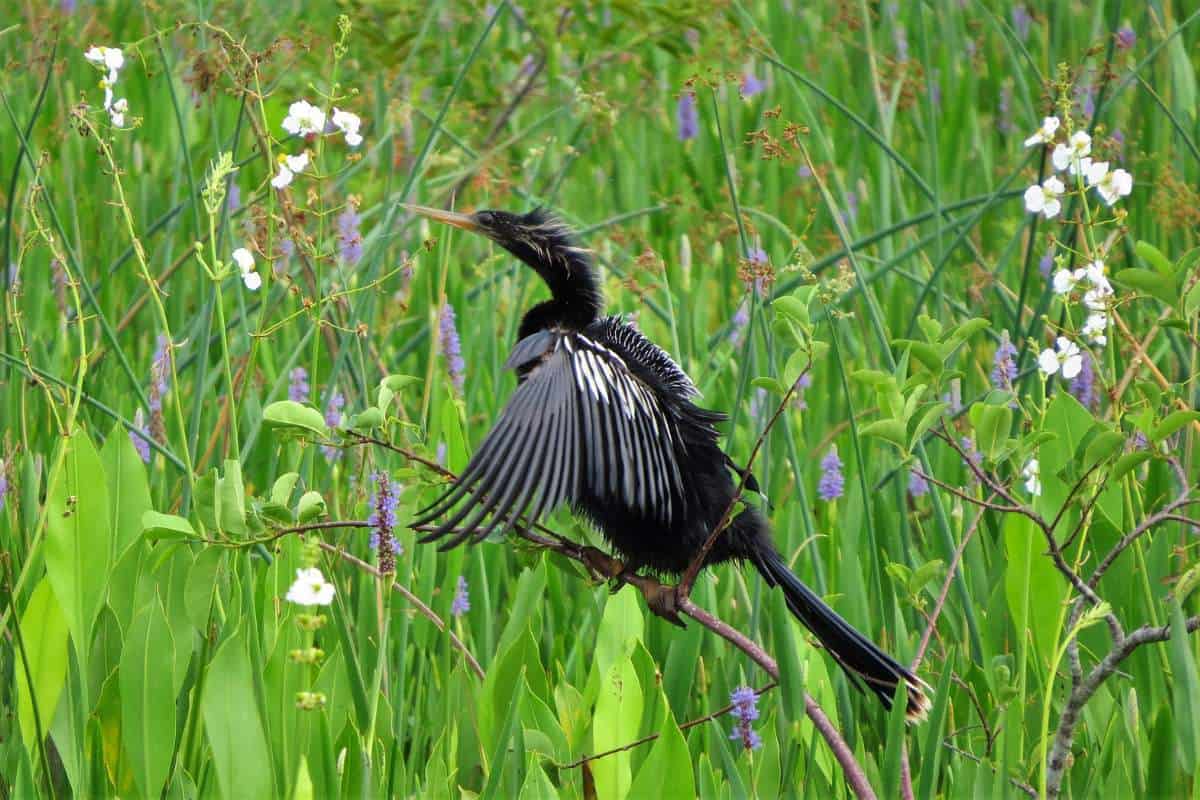
Imagine being perfectly still, a master of disguise, patiently waiting for the opportune moment to strike. This isn't the stuff of spy novels, but the everyday reality for a fascinating group of animals. We're diving into the world of ambush predators, creatures who've perfected the art of the sneak attack. Prepare to be amazed by their incredible strategies and adaptations!
Ever feel like you're constantly working hard, expending energy, but not seeing the results you hoped for? In the animal kingdom, a similar struggle exists. Some predators tirelessly chase their prey, burning precious calories with no guarantee of success. Others have found a more efficient, albeit patient, method. These are the ambush predators, and their contrasting approach highlights the diverse ways life finds a way.
This exploration of ambush predators is for anyone fascinated by the natural world, especially those intrigued by animal behavior, survival strategies, and the intricate balance of ecosystems. Whether you're a seasoned wildlife enthusiast or simply curious about the creatures around us, you'll find something captivating in the world of these stealthy hunters.
We'll uncover the secrets of ambush predators, exploring their evolutionary adaptations, hunting techniques, and the ecological roles they play. From camouflaged insects to colossal constrictors, we'll examine the diverse range of creatures that rely on stealth and surprise. Get ready to delve into the patient, calculated world of animals that wait in the shadows, ready to pounce. Key concepts will include camouflage, mimicry, patience, and the element of surprise, all crucial for survival in their respective environments.
Patience as a Virtue
Patience isn't just a good quality in humans; it's a critical survival tool for ambush predators. I remember one summer watching a spider meticulously weaving its web in my garden. Day after day, it would repair any damage, always ready for an unsuspecting insect to blunder into its sticky trap. That patience paid off, as I regularly saw it capture its prey, efficiently securing its next meal. Similarly, ambush predators often spend hours, even days, in the same spot, perfectly still, waiting for the right opportunity. This requires immense self-control and the ability to withstand discomfort. They must conserve energy and avoid attracting unwanted attention. Camouflage plays a vital role, allowing them to blend seamlessly with their surroundings. Some, like the praying mantis, even mimic leaves or flowers, further enhancing their deception. The longer they can remain undetected, the greater their chances of a successful ambush. This patience allows them to capitalize on the element of surprise, giving them a crucial advantage over their prey. It's a testament to the power of calculated waiting in the natural world, where a moment of explosive action can secure survival.
The Art of Camouflage and Mimicry
Camouflage and mimicry are the cornerstones of an ambush predator's success. Camouflage is the ability to blend in with the surrounding environment, rendering the predator virtually invisible to its prey. This can involve matching the color, pattern, and texture of the background, effectively disappearing into the landscape. Mimicry, on the other hand, takes deception a step further. It involves resembling another object or organism, often something harmless or even unappetizing, to further fool potential prey. A classic example is the orchid mantis, which perfectly mimics the petals of an orchid flower. Insects are attracted to the flower, seeking nectar, only to be met with a deadly surprise. These adaptations are not merely aesthetic; they are finely tuned to the specific environment and prey of each species. The effectiveness of camouflage and mimicry depends on a combination of genetic traits and learned behaviors. Young predators may need to refine their camouflage techniques through trial and error, learning which environments offer the best cover. The constant evolutionary arms race between predator and prey ensures that these adaptations are constantly evolving, leading to ever more sophisticated forms of deception.
History and Myth: The Serpent's Charm
Throughout history and mythology, the serpent has often been depicted as the ultimate ambush predator, embodying both fear and fascination. From the biblical story of Adam and Eve to countless legends around the world, the snake's ability to lie in wait, unseen and unheard, has captured the human imagination. The serpent's sinuous movements, silent approach, and venomous strike have made it a symbol of treachery and cunning. Myths often portray snakes as possessing hypnotic powers, able to charm or paralyze their victims before striking. While the hypnotic charm is largely mythical, the snake's ability to remain perfectly still for extended periods, combined with its sudden, lightning-fast strike, can certainly create a sense of awe and terror. In many cultures, snakes are also associated with healing and transformation, reflecting the duality of their nature as both predators and symbols of renewal. The shedding of their skin represents rebirth and regeneration, adding another layer of complexity to their symbolic meaning. Whether revered or feared, the serpent's legacy as an ambush predator continues to resonate in our collective consciousness, reminding us of the power of patience, deception, and the hidden dangers that lurk in the shadows.
The Hidden Secrets of Patience
The hidden secret to success for any ambush predator lies not just in physical adaptations, but also in mental discipline. Imagine the mental fortitude required to remain motionless for hours, enduring discomfort, hunger, and the constant temptation to give up. This level of patience requires a remarkable degree of focus and self-control. Furthermore, ambush predators must possess a keen understanding of their prey's behavior. They need to know where their prey is likely to be, what routes they typically follow, and what triggers might cause them to flee. This knowledge is often acquired through observation and experience, allowing them to anticipate their prey's movements and position themselves for the perfect ambush. In addition to patience and knowledge, ambush predators must also be able to react with lightning speed when the opportunity arises. A slow or hesitant strike can mean the difference between a successful hunt and a missed meal. This requires a combination of physical reflexes and mental alertness, allowing them to seize the moment and deliver a decisive blow. The hidden secrets of ambush predation, therefore, lie not just in camouflage and mimicry, but also in the mental qualities of patience, knowledge, and decisive action.
Recommendations for Aspiring Observers
If you're eager to learn more about ambush predators, I highly recommend spending time observing them in their natural habitats, or even through documentaries. One of the best ways to appreciate their strategies is to immerse yourself in their world. David Attenborough's documentaries offer incredible insights into the lives of these creatures, showcasing their hunting techniques in stunning detail. When observing them, remember to be patient yourself. Finding an ambush predator can take time and effort, but the reward of witnessing their behavior firsthand is well worth it. Look for clues in their environment, such as camouflaged shapes, disturbed vegetation, or signs of recent prey activity. Pay attention to the time of day and the weather conditions, as these can influence their hunting activity. If you're lucky enough to spot one, observe it from a safe distance, avoiding any sudden movements or loud noises that might scare it away. By being a respectful and observant observer, you can gain a deeper understanding of the challenges and triumphs of these fascinating predators. Another great resource is your local zoo or natural history museum. They often have exhibits dedicated to ambush predators, showcasing their adaptations and behaviors in a controlled environment.
The Psychology of the Ambush
Delving deeper into the ambush predator's mind reveals a fascinating psychological aspect. It's not just about waiting; it's about timing, anticipation, and a calculated assessment of risk versus reward. The predator must constantly evaluate its surroundings, factoring in the likelihood of a successful attack against the potential dangers of exposure. This involves a complex interplay of instinct and learned behavior. For example, a young crocodile might learn to associate certain sounds or movements with the presence of prey, allowing it to anticipate an opportune moment for an ambush. Similarly, a spider might adjust its web-building strategy based on the abundance or scarcity of prey in its environment. The element of surprise is crucial, but it's not just about catching the prey off guard. It's also about exploiting their vulnerabilities and weaknesses. An ambush predator might target prey that is injured, distracted, or simply unaware of the danger lurking nearby. This requires a keen understanding of prey behavior and the ability to identify and exploit their weaknesses. The psychology of the ambush, therefore, is a complex and fascinating field, revealing the intricate cognitive processes that underlie this successful hunting strategy.
Tips for Mastering the Art of Observation
To truly appreciate the art of ambush predation, hone your observation skills. Start by choosing a specific environment to focus on, such as a forest, a grassland, or even your own backyard. Familiarize yourself with the common plants and animals in that area. Learn to identify their tracks, calls, and other signs of their presence. Pay attention to the subtle details that often go unnoticed, such as the way the light filters through the trees, the scent of the air, and the movement of the wind. Practice focusing your attention and filtering out distractions. Try to quiet your mind and simply observe, without judgment or expectation. Look for patterns in the environment, such as the way animals move along certain paths or the way plants grow in specific locations. Learn to anticipate the behavior of the animals you are observing. Try to predict where they will go next and what they will do. This requires patience, observation, and a keen understanding of their habits. Finally, remember to be respectful of the environment and the animals you are observing. Avoid disturbing their habitat or interfering with their natural behavior. The goal is to learn and appreciate their world, not to disrupt it.
Understanding the Evolutionary Arms Race
The evolutionary arms race between predator and prey is a constant driver of innovation and adaptation. As ambush predators evolve more sophisticated techniques for catching their prey, the prey, in turn, evolve countermeasures to avoid becoming victims. This leads to a continuous cycle of adaptation and counter-adaptation, resulting in a remarkable diversity of strategies and behaviors. For example, some prey species have developed highly sensitive sensory systems that allow them to detect the presence of predators from a distance. Others have evolved camouflage that makes them difficult to spot against their background. Still others have developed alarm calls that warn other members of their group of the presence of danger. These adaptations, in turn, force ambush predators to evolve new ways of overcoming these defenses. They may develop more sophisticated camouflage, learn to ambush their prey from different angles, or even develop toxins or venoms that can quickly incapacitate their victims. The evolutionary arms race is a constant reminder of the power of natural selection and the importance of adaptation for survival.
Fun Facts About Ambush Predators
Did you know that some species of anglerfish use bioluminescent lures to attract prey in the deep sea? Or that the assassin bug injects a paralyzing venom into its victims before consuming them? The world of ambush predators is full of fascinating and bizarre adaptations. The bolas spider, for example, spins a single strand of silk with a sticky globule at the end, which it swings at passing moths, mimicking the scent of a female moth to lure them closer. The alligator snapping turtle has a tongue that resembles a worm, which it uses to lure unsuspecting fish into its mouth. These are just a few examples of the incredible diversity and ingenuity of ambush predators. Their adaptations are often so specialized and bizarre that they seem almost like something out of a science fiction movie. But they are all real, and they all serve a specific purpose in helping these predators survive and thrive in their respective environments. Exploring the world of ambush predators is a journey into the strange and wonderful realm of natural selection, where anything is possible.
How to Identify an Ambush Predator
Identifying an ambush predator in the wild can be challenging, as their camouflage and secretive habits often make them difficult to spot. However, there are certain clues you can look for to increase your chances of finding them. Start by researching the common predators in your area and their preferred habitats. This will give you a better idea of where to look and what to look for. Look for signs of their presence, such as tracks, scat, or disturbed vegetation. Pay attention to the time of day and the weather conditions, as these can influence their activity. When you are in their habitat, move slowly and quietly, avoiding any sudden movements or loud noises that might scare them away. Scan your surroundings carefully, looking for anything that seems out of place or unusual. Pay attention to patterns and textures, and look for anything that breaks those patterns. Remember that camouflage is designed to make predators blend in with their environment, so they may be difficult to spot at first glance. Be patient and persistent, and don't give up easily. With practice and experience, you will become better at identifying ambush predators and appreciating their remarkable adaptations.
What if Ambush Predators Disappeared?
The disappearance of ambush predators would have cascading effects throughout their ecosystems. As apex predators, they play a crucial role in regulating prey populations and maintaining the balance of nature. Without them, prey populations would likely explode, leading to overgrazing, habitat degradation, and a decline in biodiversity. For example, the removal of wolves from Yellowstone National Park in the early 20th century led to a dramatic increase in the elk population, which, in turn, overgrazed the vegetation along rivers and streams. This had a negative impact on the entire ecosystem, affecting everything from beaver populations to songbird diversity. Similarly, the decline of shark populations in many parts of the world has led to an increase in the populations of their prey, such as rays and smaller sharks, which, in turn, has had a negative impact on shellfish populations. Ambush predators also play a role in maintaining the health and vigor of prey populations by selectively preying on the weak, sick, and injured individuals. This helps to prevent the spread of disease and improve the overall genetic fitness of the prey population. The loss of ambush predators would disrupt these natural processes and have far-reaching consequences for the health and stability of ecosystems around the world.
Listicle: 5 Amazing Ambush Predators
Here's a quick rundown of five fascinating ambush predators and what makes them so unique:
1.The Praying Mantis: Masters of camouflage, blending seamlessly with foliage to snatch unsuspecting insects.
2.The Anglerfish: Lurks in the deep sea, using a bioluminescent lure to attract prey into its gaping maw.
3.The Trapdoor Spider: Constructs a hidden burrow with a camouflaged trapdoor, waiting for vibrations to signal an approaching meal.
4.The Alligator Snapping Turtle: Uses its tongue as a worm-like lure to entice fish into striking range.
5.The Leopard: A stealthy and powerful cat that uses its spotted coat to blend in with tall grasses, ambushing prey with explosive bursts of speed.
These five creatures represent just a small fraction of the diverse and fascinating world of ambush predators, each showcasing unique adaptations and hunting strategies.
Question and Answer
Q: What is the main difference between an ambush predator and a pursuit predator?
A: An ambush predator relies on stealth and surprise to catch its prey, whereas a pursuit predator actively chases its prey over a distance.
Q: What is camouflage, and how does it help ambush predators?
A: Camouflage is the ability to blend in with the surrounding environment, making it difficult for prey to spot the predator.
Q: How do ambush predators conserve energy?
A: They remain still for extended periods, minimizing their energy expenditure and waiting for the right opportunity to strike.
Q: What are some examples of mimicry used by ambush predators?
A: Examples include the orchid mantis mimicking a flower and the alligator snapping turtle using its tongue as a worm-like lure.
Conclusion of The Art of Ambush: Predators That Wait
The world of ambush predators is a testament to the power of patience, adaptation, and the constant struggle for survival. These creatures have evolved remarkable strategies to thrive in their respective environments, relying on stealth, camouflage, and a keen understanding of their prey. By studying their behavior and adaptations, we can gain a deeper appreciation for the intricate balance of nature and the diverse ways in which life finds a way. From the smallest insect to the largest reptile, ambush predators play a vital role in their ecosystems, regulating prey populations and maintaining the health and vigor of the natural world. Their story is a reminder that sometimes, the most effective strategy is not to chase, but to wait, observe, and strike with precision.
0 Response to "The Art of Ambush: Predators That Wait"
Post a Comment