The Smartest Birds in the World
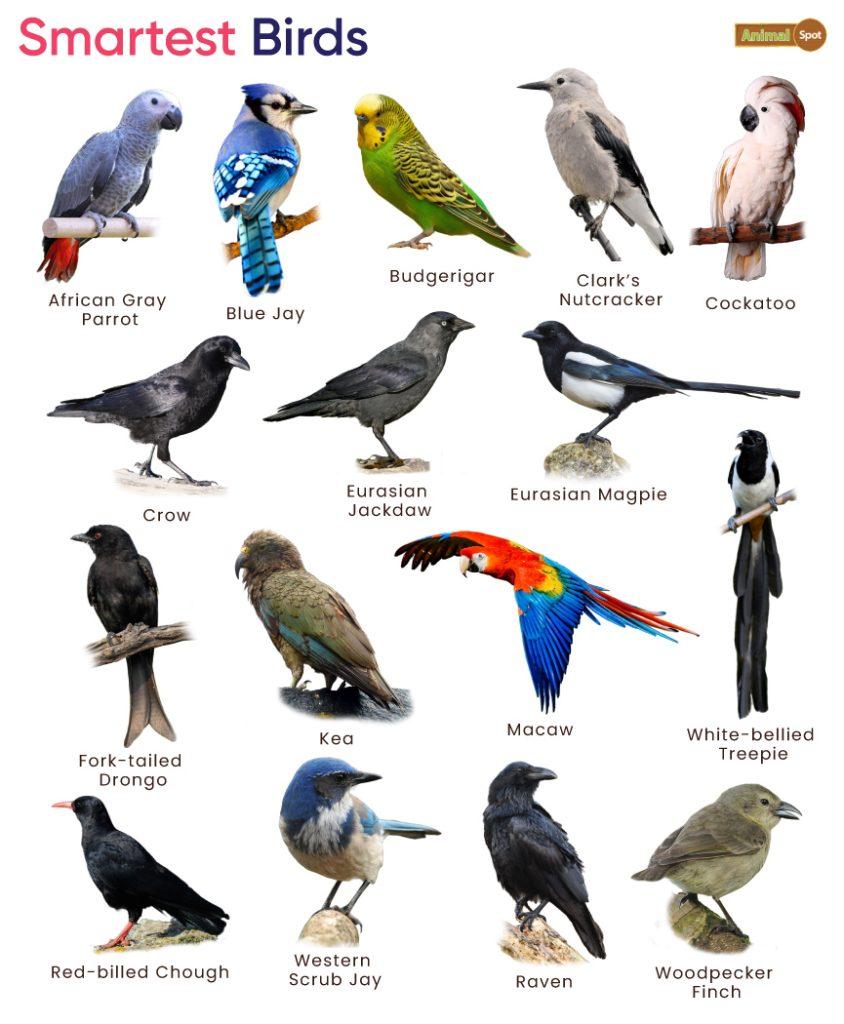
Have you ever looked into the eyes of a bird and wondered what's going on in that tiny brain? We often underestimate animals, but the avian world is full of surprises. Some birds aren't just pretty feathers and songs; they possess remarkable intelligence, capable of problem-solving, communication, and even tool use. Let's explore the feathered geniuses of our planet!
It's easy to assume that "bird brain" is synonymous with stupidity, a common misconception that overlooks the intricate behaviors and cognitive abilities displayed by many avian species. This assumption can sometimes lead to ignoring the complex social structures and ecological roles these creatures play, diminishing our appreciation for the natural world.
This article aims to shed light on some of the most intelligent birds in the world, showcasing their incredible capabilities and challenging our preconceived notions about avian intelligence. We will delve into the specific skills and behaviors that set these birds apart, examining their problem-solving abilities, communication strategies, and social interactions.
From tool-wielding crows to talking parrots, the avian world boasts some truly remarkable intellects. We'll explore the cognitive abilities that make these birds so smart, touching on aspects like problem-solving, social learning, and communication. This journey will highlight the fascinating adaptations and behaviors that have allowed these feathered friends to thrive in diverse environments, proving that intelligence comes in all shapes and sizes.
The Corvid Clan: Crows, Ravens, and Jays
My own "aha!" moment with corvid intelligence happened during a camping trip. We'd hung our food bag high in a tree, convinced it was safe from bears, only to wake up to a scattering of wrappers and a very smug-looking crow perched nearby. It had clearly figured out how to unravel our rope contraption! This experience fueled my fascination with these birds. It’s not just about solving puzzles; corvids demonstrate incredible adaptability. They learn from each other, remember faces, and even hold grudges! Their large relative brain size, especially the hippocampus, allows for exceptional spatial memory, crucial for caching food. They plan for the future, storing food in anticipation of leaner times, and can even deceive each other to protect their caches. The ingenuity of corvids extends to tool use, like New Caledonian crows crafting and using tools to extract insects from logs. They also exhibit complex social behaviors, including cooperative breeding and elaborate communication systems. These traits combined firmly place corvids among the smartest birds on Earth.
Parrots: Masters of Mimicry and More
Parrots are often recognized for their remarkable ability to mimic human speech, but their intelligence goes far beyond mere imitation. They are capable of understanding the meaning behind words and using them in context. African Grey parrots, in particular, have been shown to possess impressive cognitive abilities, including problem-solving, abstract reasoning, and even numerical competence. The ability to mimic, while fascinating, is just the tip of the iceberg. Parrots live in complex social groups, requiring advanced communication skills. They can recognize individuals, form strong bonds, and even exhibit empathy. Some species, like the Kea parrot of New Zealand, are known for their playful curiosity and problem-solving skills, often dismantling objects simply to understand how they work. Their longevity also contributes to their intelligence, as they have more time to learn and accumulate knowledge. All these factors contribute to a cognitive prowess that positions parrots among the most intelligent birds.
Owls: Silent Hunters with Sharp Minds
Owls, with their large, forward-facing eyes and nocturnal habits, often evoke a sense of mystery. While known for their exceptional hunting skills, their intelligence is often underestimated. Their keen eyesight and hearing allow them to navigate and hunt in darkness with remarkable precision. They possess excellent spatial awareness and memory, allowing them to navigate their territories and remember hunting locations. The ability to strategize and adapt to different hunting conditions also speaks to their cognitive flexibility. Moreover, some owl species exhibit complex social behaviors, including cooperative hunting and elaborate courtship rituals. The barn owl, for example, is known for its ability to learn and adapt to changing environmental conditions, demonstrating a remarkable level of intelligence for a nocturnal predator. While not as demonstrative as corvids or parrots, owls possess a unique form of intelligence perfectly tailored to their ecological niche.
The Secrets Behind Avian Brainpower
While avian brains are structurally different from mammalian brains, they are packed with neurons, even more densely than our own! This high neuron density allows for efficient information processing, enabling complex cognitive abilities. The forebrain, responsible for higher-level thinking, is particularly well-developed in intelligent birds. This area is analogous to the mammalian prefrontal cortex, playing a crucial role in planning, problem-solving, and decision-making. Furthermore, social interactions play a vital role in the development of avian intelligence. Learning from peers, observing successful strategies, and participating in complex social dynamics contribute to cognitive growth. Diet also influences brain function, with some studies suggesting that certain nutrients can enhance cognitive abilities. Understanding the neurological and environmental factors that contribute to avian intelligence provides valuable insights into the evolution of cognition itself. The study of avian intelligence not only reveals the fascinating capabilities of birds but also sheds light on the broader principles of intelligence across the animal kingdom.
How to Appreciate Bird Intelligence
One of the best ways to appreciate the intelligence of birds is to simply observe them. Pay attention to their behavior in your backyard or local park. Notice how they solve problems, interact with each other, and adapt to their environment. Providing bird feeders and bird baths can attract a variety of species, allowing for closer observation. Consider learning more about the specific birds in your area, researching their unique behaviors and cognitive abilities. Supporting conservation efforts that protect bird habitats is crucial for preserving these intelligent creatures and their complex ecosystems. Volunteering at a local bird rescue or rehabilitation center can provide hands-on experience and a deeper understanding of avian behavior. By becoming more aware and engaged with the avian world, we can gain a greater appreciation for the intelligence and complexity of these fascinating creatures. Furthermore, by advocating for responsible pet ownership and preventing the illegal trade of exotic birds, we can help protect vulnerable species and ensure their continued survival.
Specific Examples of Intelligent Bird Behavior
Consider the Clark's Nutcracker, a bird with an incredible spatial memory. It can bury thousands of caches of seeds over vast distances and remember their locations months later, even under snow! This requires a highly developed hippocampus and remarkable navigational skills. Then there's the Eurasian Jay, known for its ability to plan for the future. These birds have been observed caching different types of food depending on their anticipation of future needs, showing a level of cognitive flexibility previously thought to be unique to primates. Even seemingly simple actions, like a robin tilting its head to listen for earthworms, demonstrate a sophisticated understanding of its environment and a willingness to adapt its hunting strategy. These are just a few examples of the diverse and fascinating ways that birds demonstrate their intelligence in the wild. From navigating complex social hierarchies to solving intricate problems, birds continue to amaze us with their cognitive abilities. By studying these behaviors, we gain a deeper understanding of the evolution of intelligence and the remarkable diversity of life on Earth.
Tips for Attracting and Observing Smart Birds
Creating a bird-friendly backyard is a great way to attract intelligent birds like crows, jays, and parrots (if you live in an area where they are native). Provide a variety of food sources, including seeds, nuts, and berries. Offer fresh water in a bird bath and keep it clean. Plant native trees and shrubs that provide shelter and nesting sites. Avoid using pesticides and herbicides, as these can harm birds and their food sources. When observing birds, be patient and quiet. Use binoculars to get a closer look without disturbing them. Record your observations in a notebook or journal. Share your findings with other bird enthusiasts online or in local birdwatching groups. By creating a welcoming environment and practicing mindful observation, you can gain a deeper appreciation for the intelligence and beauty of the avian world. Remember to respect their space and avoid interfering with their natural behaviors. Ethical birdwatching practices are essential for ensuring the well-being of these fascinating creatures.
Ethical Birdwatching Practices
Always maintain a respectful distance from birds and their nests. Avoid using flash photography, as it can startle and disorient them. Never feed birds human food, as it can be harmful to their health. Do not play recorded bird songs to attract them, as this can disrupt their natural communication and breeding patterns. Be aware of your surroundings and avoid trampling vegetation or disturbing wildlife. If you encounter an injured bird, contact a local wildlife rescue or rehabilitation center. Report any illegal activities, such as poaching or nest destruction, to the appropriate authorities. By following these ethical guidelines, you can ensure that your birdwatching activities are both enjoyable and beneficial for the birds and their environment. Remember that responsible birdwatching is about observing and appreciating birds without causing them harm or disruption. Your actions can make a positive impact on their well-being and contribute to their conservation.
Fun Facts About Bird Intelligence
Did you know that some crows can recognize human faces and even hold grudges against people who have wronged them? Or that African Grey parrots can solve complex puzzles and even understand the concept of zero? New Caledonian crows are famous for crafting tools from twigs and leaves to extract insects from logs. Some species of jays will pretend to bury food to deceive other jays, showcasing a remarkable understanding of deception. Ravens have been observed cooperating to solve problems and even sharing information with each other. Many birds can navigate using the Earth's magnetic field, allowing them to migrate thousands of miles with incredible accuracy. These are just a few examples of the amazing feats of intelligence exhibited by birds. Their cognitive abilities are constantly being studied and revealed, challenging our preconceived notions about the avian world. From problem-solving to communication to social interactions, birds continue to amaze us with their intelligence and adaptability.
How to Encourage Bird Intelligence in Captivity
If you have a pet bird, it's important to provide them with opportunities to exercise their intelligence. Offer them a variety of toys and puzzles that challenge their problem-solving skills. Teach them tricks and commands to stimulate their minds. Provide them with opportunities to socialize with other birds or humans. Create a stimulating environment with plenty of enrichment activities. Rotate their toys regularly to keep them engaged and prevent boredom. Offer them a balanced diet that supports brain health. Provide them with opportunities to learn and explore new things. By creating a stimulating and enriching environment, you can help your pet bird reach its full cognitive potential. Remember that birds are intelligent creatures that need mental stimulation to thrive. By providing them with opportunities to exercise their minds, you can improve their overall well-being and strengthen your bond with them.
What if We Could Communicate With Birds?
Imagine a world where we could truly understand what birds are saying and thinking. We could learn about their complex social structures, their navigational strategies, and their perspectives on the world around them. We could collaborate with them on conservation efforts, working together to protect their habitats and ensure their survival. We could gain a deeper understanding of the evolution of intelligence and the nature of consciousness. The possibilities are endless. While we may never be able to fully communicate with birds in the same way that we communicate with each other, we can continue to learn from them and appreciate their unique perspective on the world. By studying their behavior, their communication signals, and their cognitive abilities, we can gain valuable insights into the nature of intelligence and the diversity of life on Earth. The more we learn about birds, the more we realize how much we still have to discover.
A List of The Smartest Birds in the World
Here's a listicle of some of the smartest birds in the world, based on scientific research and anecdotal evidence:
- New Caledonian Crow
- African Grey Parrot
- Raven
- Kea Parrot
- Blue Jay
- Clark's Nutcracker
- Eurasian Jay
- California Scrub-Jay
- American Crow
- Magpie
This list is not exhaustive, as there are many other bird species that exhibit remarkable intelligence. However, these birds represent some of the most well-studied and well-known examples of avian cognitive abilities. Their problem-solving skills, communication strategies, and social interactions continue to amaze and inspire scientists and bird enthusiasts alike. As research continues, we will undoubtedly discover even more about the intelligence of birds and the remarkable diversity of life on Earth. Their intelligence is showcased through their various problem-solving skills, communication strategies, and social interactions.
Question and Answer
Q: Are "bird brains" really small and simple?
A: Not at all! While bird brains are smaller than mammal brains, they are packed with neurons, making them incredibly efficient.
Q: What makes a bird "smart"?
A: It depends on how you define "smart," but generally it refers to their ability to solve problems, learn from experience, communicate effectively, and adapt to their environment.
Q: Can birds learn from each other?
A: Absolutely! Many bird species learn through social learning, observing and imitating the behaviors of other birds.
Q: What can I do to help birds in my area?
A: Provide food, water, and shelter in your backyard, avoid using pesticides, and support conservation efforts.
Conclusion of The Smartest Birds in the World
The world of avian intelligence is a fascinating realm of discovery. From the tool-wielding crows to the talking parrots and the cunning owls, the birds we've explored in this article showcase the diverse and remarkable capabilities of avian minds. Their intelligence is a testament to the power of evolution and the ingenuity of nature. By understanding and appreciating the cognitive abilities of birds, we can foster a deeper connection with the natural world and contribute to their conservation. Let's continue to learn from these feathered geniuses and celebrate the wonders of avian intelligence.
0 Response to "The Smartest Birds in the World"
Post a Comment