The Role of Dogs on a Farm
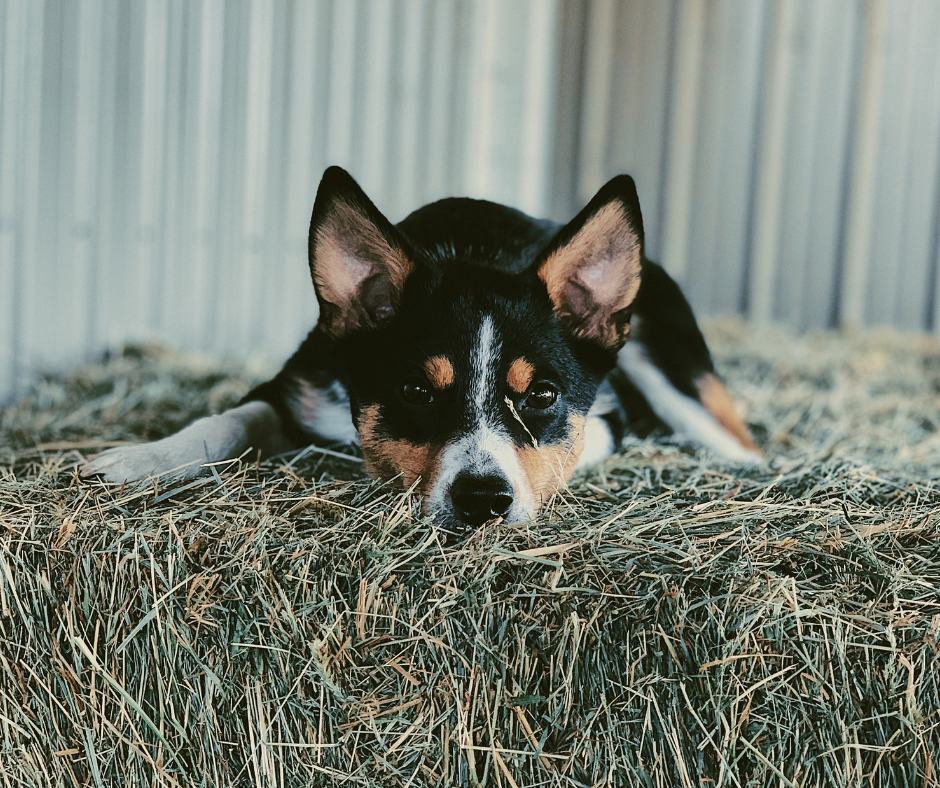
Imagine a sprawling farm, the air filled with the scent of hay and earth. Now, picture a loyal companion, tail wagging, weaving through the livestock. That's the essence of a farm dog – a vital part of the agricultural landscape.
Many envision farm life as idyllic, but the reality often involves long hours, demanding physical labor, and constant vigilance against threats to crops and livestock. The sheer isolation of rural living can also take a toll, and managing diverse tasks alone can feel overwhelming. Protecting vulnerable animals from predators and keeping order amongst a farm's inhabitants becomes a significant responsibility.
This article explores the multifaceted roles dogs play on a farm, highlighting their contributions to security, herding, pest control, companionship, and overall farm management. We'll delve into the specific skills and breeds best suited for farm work, and explore the historical significance of these canine partners.
In essence, farm dogs are more than just pets; they are indispensable working partners, guardians, and companions. From protecting livestock from predators to assisting with herding and offering unwavering loyalty, they contribute significantly to the efficiency, safety, and well-being of farm operations. This article will discuss various aspects of farm dogs like Livestock guardian dogs, herding breeds, pest control, companionship, and farm security.
A Loyal Companion
My grandfather always said, "A farm without a dog is a farm missing its heart." Growing up on his smallholding, I witnessed firsthand the profound bond between humans and their canine helpers. Our Border Collie, Bess, wasn't just a dog; she was an extension of my grandfather's will, a tireless herder, and a constant source of comfort. I remember one particularly harsh winter when a blizzard swept through, scattering the sheep across the fields. It was Bess who, through howling winds and blinding snow, tirelessly rounded them up, bringing them back to the safety of the barn. That day, I understood the true meaning of loyalty and the invaluable role a well-trained farm dog plays. Bess wasn't paid or praised with money or gold, but she was a part of our family and loved unconditionally.
Farm dogs provide invaluable companionship, easing the isolation that often accompanies rural life. They offer unconditional love, reduce stress, and boost morale, contributing to the overall well-being of farmers. This companionship is particularly important for those who work alone for extended periods, providing a sense of security and emotional support. In addition to their practical contributions, these canine companions enrich the lives of farm families, offering joy, laughter, and a deep sense of connection to the land. Farm dogs play an important role in maintaining the peace and harmony of any farm.
Guardians of the Flock: Livestock Guardian Dogs
Livestock Guardian Dogs (LGDs) are specifically bred and trained to protect livestock from predators. Breeds like the Great Pyrenees, Anatolian Shepherd, and Akbash are known for their size, intelligence, and protective instincts. These dogs bond with the livestock, becoming a part of the herd and fiercely defending them against threats. Unlike herding dogs, LGDs don't move the livestock; instead, they act as a constant deterrent to predators like coyotes, foxes, and even bears. Their presence alone is often enough to discourage predators from approaching, providing a safe environment for vulnerable animals like sheep, goats, and poultry.
The effectiveness of LGDs lies in their constant vigilance and strong bond with the livestock. They are typically introduced to the animals as puppies, allowing them to develop a natural affinity and protective instinct. Regular training and socialization are crucial to ensure they are well-behaved and effective guardians. Farmers rely on these dogs to minimize livestock losses and maintain the health and safety of their herds. LGDs provide peace of mind, allowing farmers to focus on other essential tasks knowing their animals are protected. Farm dogs play an important role in protecting the herd and keeping them safe.
History and Myths of Farm Dogs
The history of dogs on farms stretches back centuries, intertwined with the development of agriculture itself. From ancient shepherds relying on dogs to protect their flocks to medieval farmers using them to control pests, canines have been integral to farm life. Myths and legends often depict dogs as loyal protectors and symbols of good fortune, reflecting their valued role in rural communities. Stories abound of dogs heroically saving livestock from predators or alerting farmers to impending danger, solidifying their reputation as indispensable partners. Some cultures even consider dogs sacred animals, entrusted with guarding the home and ensuring the prosperity of the farm.
These historical accounts and mythical narratives highlight the enduring bond between humans and farm dogs. Their loyalty, courage, and unwavering dedication have earned them a special place in the hearts of farmers throughout history. As agriculture evolved, so too did the role of the farm dog, adapting to new challenges and continuing to provide essential services. Whether it's protecting livestock, controlling pests, or simply offering companionship, the farm dog remains a vital part of the agricultural landscape, carrying on a legacy that spans generations. They may be myths of the past, but farm dogs are a great part of any farm.
Hidden Secrets of Farm Dogs: Beyond the Basics
Beyond their obvious roles as guardians and herders, farm dogs possess a range of hidden talents and secrets that contribute to the smooth operation of a farm. Their keen sense of smell can detect intruders from afar, providing an early warning system for potential threats. They are also adept at finding lost or injured animals, often tracking them down in dense vegetation or difficult terrain. Many farm dogs possess an innate ability to anticipate the needs of their owners, offering assistance with tasks like fetching tools, closing gates, or even driving livestock from one pasture to another.
These hidden secrets reveal the remarkable intelligence and adaptability of farm dogs. Their ability to learn new tasks and respond to subtle cues makes them invaluable assets in a variety of situations. Farmers who understand and appreciate these hidden talents can maximize the dog's potential, creating a more efficient and harmonious working relationship. The key is to observe, understand, and nurture the dog's natural abilities, allowing them to flourish as integral members of the farm team. Farm dogs are great and very helpful on any farm.
Recommendations for Choosing the Right Farm Dog
Selecting the right dog for your farm is a crucial decision that can significantly impact its success and well-being. Consider your specific needs and the types of tasks you require assistance with. If you primarily need protection for livestock, a Livestock Guardian Dog breed like the Great Pyrenees or Anatolian Shepherd would be an excellent choice. For herding duties, Border Collies or Australian Shepherds are renowned for their intelligence and agility. If pest control is a major concern, terriers like Jack Russells or Rat Terriers can be highly effective in keeping rodents at bay.
It's also important to consider the dog's temperament and energy level. Choose a breed that is known for its trainability, loyalty, and ability to get along with other animals. Socialization and early training are essential to ensure the dog integrates seamlessly into the farm environment. Research different breeds, talk to experienced farmers, and spend time interacting with potential candidates before making a final decision. Investing the time and effort to find the right farm dog will pay dividends in the long run, creating a valuable partnership that benefits both you and your farm. Farm dogs are an extension of your family and farm family.
Training Your Farm Dog: Essential Tips
Effective training is the cornerstone of a successful working relationship with your farm dog. Start with basic obedience commands like "sit," "stay," and "come," and gradually introduce more complex tasks related to their specific role on the farm. Use positive reinforcement techniques, rewarding desired behaviors with treats, praise, and affection. Consistency is key; practice training sessions regularly, even if it's just for a few minutes each day. Establish clear boundaries and expectations, ensuring the dog understands its place within the farm hierarchy.
Socialization is equally important. Expose your dog to a variety of people, animals, and environments to help them develop into a well-adjusted and confident member of the farm community. Introduce them to livestock gradually, teaching them how to interact safely and respectfully. Consider enrolling in specialized training classes or working with a professional dog trainer to further enhance their skills and address any specific challenges. With patience, dedication, and consistent training, you can transform your farm dog into a highly skilled and invaluable asset. Farm dogs help create a safe work environment for the family and the animals.
Essential Tips for Farm Dog Care
Providing proper care for your farm dog is essential for their health, well-being, and ability to perform their duties effectively. Ensure they have access to fresh water and high-quality food at all times. Establish a regular feeding schedule and adjust the amount of food based on their activity level and needs. Regular veterinary checkups are crucial to monitor their health and prevent potential illnesses. Keep their vaccinations up-to-date and address any health concerns promptly.
Grooming is also important, especially for breeds with long or thick coats. Regular brushing helps prevent mats and tangles, reducing the risk of skin infections. Provide a comfortable and sheltered sleeping area, protecting them from the elements. Ensure they have plenty of exercise and mental stimulation to prevent boredom and destructive behaviors. With proper care and attention, you can ensure your farm dog lives a long, healthy, and fulfilling life, continuing to provide valuable service and companionship for years to come. Farm dogs deserve to be treated well because of the important role they play on the farm.
Common Farm Dog Breeds
Different breeds excel in different farm roles. Border Collies, known for their intelligence and boundless energy, are exceptional herding dogs. Australian Shepherds are versatile and adaptable, capable of both herding and guarding livestock. Great Pyrenees, with their imposing size and protective instincts, are reliable Livestock Guardian Dogs. Jack Russell Terriers, with their tenacity and small size, are adept at controlling rodents. Each breed possesses unique traits and abilities, making it essential to choose one that aligns with your specific needs and farm environment.
Consider the breed's temperament, energy level, and trainability when making your selection. Research their history and purpose, and talk to experienced breeders or farmers who have worked with the breed before. Socialization and early training are crucial for all farm dogs, regardless of breed. Investing the time and effort to find the right breed and provide proper training will ensure your farm dog becomes a valuable and cherished member of your farm family. Farm dogs play an important role in the every day life of a farm.
Fun Facts About Farm Dogs
Did you know that some farm dogs can instinctively sense changes in weather patterns? Their heightened senses allow them to detect approaching storms or shifts in temperature, providing an early warning system for farmers. Certain breeds have been known to develop unique communication methods with livestock, using specific barks or body language to convey commands or warnings. Some farm dogs even possess a natural talent for tracking, able to follow scent trails over long distances to find lost animals or identify intruders.
These fun facts highlight the remarkable abilities and intelligence of farm dogs. Their adaptability, loyalty, and unwavering dedication make them truly exceptional working partners. They are not just pets; they are an integral part of the farm ecosystem, contributing to its efficiency, safety, and overall well-being. Farm dogs are a part of a family and should be treated as such.
How to Train Your Dog for Farm Work
Training a farm dog requires patience, consistency, and a deep understanding of their natural instincts. Start with basic obedience commands and gradually introduce more complex tasks relevant to their role on the farm. Use positive reinforcement techniques, rewarding desired behaviors with treats, praise, and affection. Short, frequent training sessions are more effective than long, infrequent ones. Be patient and understanding, recognizing that every dog learns at their own pace.
Socialization is crucial for farm dogs, especially if they will be interacting with livestock. Introduce them to different animals gradually, teaching them how to behave appropriately and respectfully. Supervise their interactions closely and correct any unwanted behaviors immediately. Enrolling in specialized training classes or working with a professional dog trainer can provide valuable guidance and support. With dedication and consistent effort, you can transform your dog into a highly skilled and invaluable member of the farm team. Farm dogs will be your best friend as long as they know you are their best friend.
What if You Don't Have A Farm Dog?
If you don't have a farm dog, you might be missing out on a valuable asset that can significantly improve the efficiency and security of your farm. While you can manage without one, the tasks they perform – protecting livestock, controlling pests, herding animals, and providing companionship – would require more time, effort, and resources. Without a dedicated guardian, your livestock might be more vulnerable to predators, leading to potential losses. Pest control could become a constant battle, requiring more intensive methods to keep rodents and other unwanted animals at bay. Herding animals might require more manpower, and the absence of a loyal companion could lead to increased feelings of isolation and stress.
Consider the potential benefits of adding a farm dog to your operation. If you struggle with livestock protection, pest control, or herding duties, a well-trained dog could be a game-changer. Weigh the costs and benefits carefully, and consider your own needs and capabilities. A farm dog is a big commitment, but for many farmers, the rewards far outweigh the challenges. Farm dogs require the same love and attention as any other pet on the farm.
Top 5 Reasons You Need a Farm Dog
Here's a listicle of the top 5 reasons why every farm needs a dog:
- Livestock Protection: Farm dogs, especially Livestock Guardian Dogs, protect valuable animals from predators.
- Pest Control: Many dogs are natural hunters, keeping rodent populations under control.
- Herding Assistance: Certain breeds excel at herding livestock, making farm management easier.
- Companionship: Farm dogs offer unconditional love and reduce feelings of isolation for farmers.
- Farm Security: Their presence deters intruders and alerts farmers to potential dangers.
These are just some of the reasons why farm dogs are an integral part of many agricultural operations. Their contributions to security, efficiency, and overall well-being make them invaluable assets to any farm. Farm dogs are a good addition to any farm, large or small.
Question and Answer about The Role of Dogs on a Farm
Q: What are the best breeds for guarding livestock?
A: Great Pyrenees, Anatolian Shepherds, and Akbash dogs are excellent choices for Livestock Guardian Dogs.
Q: How early should I start training a farm dog?
A: Start with basic obedience training as early as possible, ideally when the puppy is around 8 weeks old.
Q: How do I introduce a new dog to my livestock?
A: Introduce them gradually under close supervision, allowing them to get used to each other's scent and presence.
Q: What are some common health concerns for farm dogs?
A: Common health concerns include hip dysplasia, bloat, parasites, and injuries from farm equipment. Regular veterinary checkups are essential.
Conclusion of The Role of Dogs on a Farm
Farm dogs are indispensable partners in agriculture, contributing to security, herding, pest control, and companionship. Their loyalty, intelligence, and unwavering dedication make them invaluable assets to any farm. By understanding their needs, providing proper training, and appreciating their unique abilities, farmers can cultivate a strong bond with their canine companions, ensuring a harmonious and productive working relationship. From protecting livestock to offering unconditional love, farm dogs enrich the lives of farmers and contribute to the success of their operations. Whether it is herding sheep, or running around, farm dogs help with many of the tasks of running a farm.
0 Response to "The Role of Dogs on a Farm"
Post a Comment