The Most Colorful Animals in the World: A Visual Feast
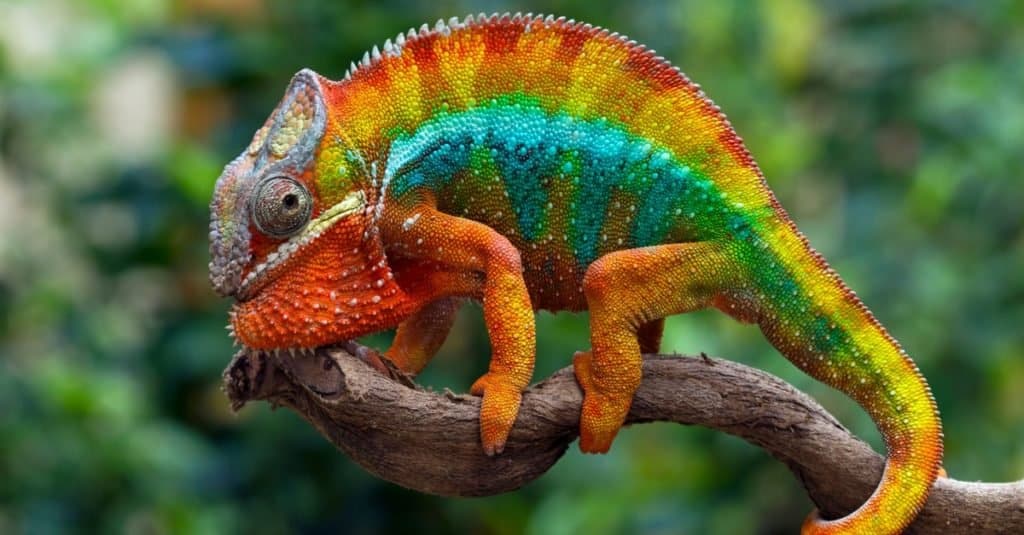
Imagine a world painted with every hue imaginable, where creatures shimmer with iridescent scales, boast feathers of impossible brightness, and possess patterns that defy the most creative artist. This world isn't a fantasy; it's the reality of our planet's animal kingdom, a place overflowing with vibrant life just waiting to be explored.
It's easy to get lost in the everyday. We see the same familiar landscapes, the same shades of gray in our cities, and sometimes forget the breathtaking diversity that thrives beyond our immediate surroundings. We might even assume that the animal world is mostly brown, green, and gray, overlooking the astonishing pops of color that exist in every corner of the globe.
This post aims to celebrate the most visually stunning animals on Earth, showcasing their incredible palettes and exploring the reasons behind their vibrant displays. Prepare to be amazed by the sheer artistry of nature as we delve into the lives of these living rainbows.
From the dazzling plumage of the mandarin duck to the electric blues of the poison dart frog, we'll uncover the science behind their colors, the purpose they serve, and the sheer beauty they bring to our world. Get ready to witness a visual feast that will leave you in awe of the natural world's boundless creativity, exploring how the colors these animals are and the reason they are that way.
A Personal Encounter with Color: The Mandarin Duck
I'll never forget the first time I saw a mandarin duck. I was walking through a local park, a bit stressed from a long day, when suddenly, a flash of vibrant color caught my eye. Perched on a branch overhanging the pond was this bird, a masterpiece of nature. The iridescent blues, greens, purples, and oranges of its plumage seemed almost unreal, like something out of a fairy tale. It was a welcome reminder that even in the most ordinary places, extraordinary beauty can be found, bringing a sense of childlike wonder back into my busy day.
The mandarin duck (Aix galericulata) is a perfect example of how vibrant colors can serve a purpose. The males, with their elaborate plumage, use their striking appearance to attract mates. This is a clear instance of sexual selection, where the brightest and most colorful individuals are more likely to be chosen by females. The intensity of their coloration signals health and vigor, indicating a desirable mate. In contrast, the females are more subtly colored, providing camouflage while they incubate their eggs. This contrast highlights the different roles that color plays in the lives of male and female mandarin ducks. Other birds, like peacocks and birds-of-paradise, also use flamboyant plumage for attracting mates, making them prime examples of this principle in action. Similarly, we can find other animals use their color for camouflage to protect them from predators.
Understanding Animal Coloration
Animal coloration isn't just about aesthetics; it's a vital aspect of survival. Colors serve many functions, from camouflage and warning signals to attracting mates and regulating body temperature. Understanding the mechanisms behind these colors and their purposes is key to appreciating the diversity of the animal kingdom.
There are two main ways animals produce color: through pigments and through structural coloration. Pigments are substances that absorb certain wavelengths of light and reflect others. For example, melanin produces browns and blacks, while carotenoids produce yellows, oranges, and reds. Structural coloration, on the other hand, relies on the way light interacts with microscopic structures on the animal's surface. This can create iridescent effects, like those seen in butterfly wings or peacock feathers. Some animals even combine both pigments and structural coloration to achieve their unique hues. For example, the blue of a blue morpho butterfly is not due to pigment, but rather to the reflection of light off of tiny scales on its wings. This structural coloration creates the dazzling blue effect that makes these butterflies so striking. Similarly, the vibrant colors of coral reefs are often a combination of pigments and the reflective properties of the coral's skeleton, showcasing the complex ways that animals use color in their environment. From the vibrant hues of tropical fish to the subtle camouflage of a chameleon, color plays a crucial role in the survival and success of animals in their diverse habitats. Learning about these processes enhances our appreciation for the beauty and complexity of the natural world.
The History and Myth of Colorful Creatures
Throughout history, colorful animals have captured the human imagination, appearing in myths, legends, and folklore around the world. These creatures have often been seen as symbols of beauty, power, or even magic, reflecting our deep connection with the natural world.
Consider the peacock, revered in many cultures as a symbol of royalty, beauty, and immortality. In ancient Greece, it was associated with the goddess Hera, while in Hinduism, it is the mount of the god Kartikeya. The peacock's iridescent plumage has inspired artists, writers, and poets for centuries, solidifying its place in our collective imagination. Similarly, the vibrant colors of parrots have made them popular companions and symbols of exotic lands. Their ability to mimic human speech has also led to their association with intelligence and communication. In some cultures, parrots are even believed to possess spiritual powers. The stories and myths surrounding colorful animals reflect our fascination with the natural world and our desire to find meaning and symbolism in the creatures that share our planet. These narratives also highlight the importance of preserving biodiversity and protecting these magnificent animals for future generations. By understanding the cultural significance of colorful animals, we can better appreciate their value and work towards their conservation.
Unveiling the Hidden Secrets of Color
While we often focus on the visual appeal of colorful animals, there's often more than meets the eye. Many of these creatures possess hidden secrets, such as the ability to change color for camouflage, communicate with ultraviolet light, or even produce their own bioluminescent glow.
Chameleons are perhaps the most famous example of animals that can change color, but their ability is often misunderstood. They don't simply change color to match their background; instead, their color changes are influenced by factors such as temperature, mood, and light intensity. They achieve this through specialized cells called iridophores, which contain nanocrystals that reflect different wavelengths of light. Some insects, like certain butterflies, can see ultraviolet light, allowing them to perceive patterns and colors that are invisible to humans. This UV vision plays a crucial role in mate selection and foraging. Bioluminescence, the production of light by living organisms, is another fascinating example of hidden coloration. Many deep-sea creatures use bioluminescence for communication, attracting prey, or deterring predators. These hidden aspects of animal coloration reveal the complexity and ingenuity of nature, highlighting the importance of ongoing research and exploration. From the subtle color changes of a chameleon to the glowing depths of the ocean, the animal kingdom continues to surprise and inspire us with its hidden secrets. Discovering these secrets allows us to gain a deeper understanding of the natural world and appreciate the diversity of life on our planet.
Recommendations for Immersing Yourself in Color
Want to experience the visual feast of colorful animals firsthand? There are many ways to immerse yourself in their world, from visiting local zoos and aquariums to traveling to exotic destinations and supporting conservation efforts.
Visiting a well-maintained zoo or aquarium can provide a fantastic opportunity to see a variety of colorful animals up close. Look for institutions that prioritize animal welfare and conservation, as these organizations often play a crucial role in protecting endangered species. If you're feeling adventurous, consider traveling to destinations known for their biodiversity, such as the Amazon rainforest or the coral reefs of Southeast Asia. These ecosystems are teeming with colorful life, offering unparalleled opportunities for wildlife observation and photography. Supporting conservation organizations that work to protect habitats and combat poaching is another way to make a positive impact. By contributing to these efforts, you can help ensure that future generations can enjoy the beauty and wonder of colorful animals. Whether you're observing a vibrant bird in your backyard or diving into a coral reef, there are countless ways to connect with the colorful world around us. Embrace the opportunity to learn, explore, and appreciate the incredible diversity of life on our planet. Remember to be a responsible traveler and respect the environment when observing wildlife in their natural habitats. With a little planning and effort, you can experience the visual feast of colorful animals and contribute to their conservation.
The Science Behind the Shades
The vivid colors we see in animals aren't just random; they're the result of complex biological processes that have evolved over millions of years. From the pigments that absorb and reflect light to the intricate structures that create iridescence, the science behind animal coloration is truly fascinating.
Pigments, such as melanin and carotenoids, are responsible for many of the colors we see in animals. Melanin produces dark colors like brown and black, while carotenoids produce bright yellows, oranges, and reds. Animals obtain carotenoids from their diet, which is why a healthy and varied diet is crucial for maintaining vibrant coloration. Structural coloration, on the other hand, relies on the way light interacts with microscopic structures on the animal's surface. These structures can create iridescent effects, like those seen in butterfly wings and peacock feathers. The arrangement and spacing of these structures determine which wavelengths of light are reflected, resulting in the dazzling colors we perceive. Some animals even have the ability to control their coloration by manipulating the pigments or structures in their skin or feathers. This allows them to camouflage themselves, communicate with others, or regulate their body temperature. The science behind animal coloration is a complex and fascinating field that continues to reveal new insights into the evolution and adaptation of life on Earth. By understanding the mechanisms behind these colors, we can better appreciate the beauty and complexity of the natural world. From the subtle hues of a moth to the vibrant colors of a coral reef, every shade tells a story of survival, adaptation, and the incredible power of evolution.
Tips for Capturing Colorful Creatures on Camera
If you're inspired to capture the beauty of colorful animals with your camera, here are a few tips to help you get the best shots. From lighting and composition to patience and respect, these guidelines will help you create stunning images that showcase the vibrant colors of the animal kingdom.
Lighting is crucial for capturing vibrant colors. Natural light is often the best option, but avoid harsh midday sun, which can wash out colors and create harsh shadows. Overcast days or golden hour (the hour after sunrise and before sunset) can provide soft, even light that brings out the richness of colors. Composition is also important. Try to fill the frame with your subject and use the rule of thirds to create a balanced and visually appealing image. Pay attention to the background and try to find a clean, uncluttered background that doesn't distract from your subject. Patience is key when photographing animals. They can be unpredictable and may take time to reveal their best colors or behaviors. Be prepared to wait for the right moment and don't get discouraged if you don't get the perfect shot right away. Respect the animals and their environment. Avoid getting too close or disturbing their natural behavior. Use a telephoto lens to get close-up shots without stressing the animals. By following these tips, you can capture stunning images of colorful animals that showcase their beauty and inspire others to appreciate the natural world. Remember to always prioritize the well-being of the animals and their environment, and your efforts will be rewarded with unforgettable photographs and a deeper connection to the animal kingdom. The most important thing is to be observant, patient, and respectful, and to let the beauty of the animals speak for itself through your lens.
The Importance of Color in Communication
Color isn't just about attracting mates or blending into the environment; it's also a powerful tool for communication. Many animals use color to signal danger, warn off rivals, or even coordinate group behavior.
Poison dart frogs, for example, use their bright colors as a warning signal to predators. Their vibrant hues are a clear indication that they are toxic and should be avoided. This is a classic example of aposematism, where animals use conspicuous coloration to deter predators. Male mandrills, a type of monkey, have brightly colored faces that serve as a signal of dominance. The intensity of their coloration is directly related to their testosterone levels, indicating their strength and social status. Some insects, like certain butterflies, use color to mimic other species. This mimicry can provide protection from predators or allow them to blend in with their surroundings. Color is also used for coordinating group behavior. Schools of fish, for example, use their synchronized color changes to avoid predators and navigate their environment. These examples illustrate the diverse ways that animals use color to communicate with each other and with their environment. Color is a complex and multifaceted tool that plays a crucial role in the survival and success of many species. By understanding the role of color in communication, we can gain a deeper appreciation for the intricacies of the animal kingdom and the importance of preserving biodiversity. The more we learn about the hidden language of color, the better equipped we are to protect the natural world and ensure that future generations can marvel at its beauty.
Fun Facts About the Most Colorful Animals
Prepare to be amazed by these fun facts about some of the world's most colorful creatures! From color-changing chameleons to bioluminescent jellyfish, the animal kingdom is full of surprises.
Did you know that the male peacock's train is not actually its tail? It's made up of elongated upper tail coverts. Chameleons don't change color to match their background; they change color based on their mood, temperature, and light conditions. The poison dart frog's bright colors are a warning signal to predators, indicating that it is toxic. The mantis shrimp has the most complex eyes in the animal kingdom, capable of seeing 12 different colors, including ultraviolet and polarized light. The flamingo's pink color comes from the carotenoid pigments in the algae and crustaceans that it eats. Bioluminescent jellyfish can create their own light through a chemical reaction, using it to attract prey or deter predators. These fun facts highlight the incredible diversity and ingenuity of the animal kingdom, showcasing the many ways that color plays a role in survival and adaptation. From the subtle camouflage of a moth to the dazzling displays of a bird-of-paradise, every animal has its own unique story to tell. By learning more about these fascinating creatures, we can deepen our appreciation for the natural world and inspire others to protect it for future generations. The animal kingdom is full of surprises, and the more we explore, the more we discover about the amazing ways that life has adapted to thrive in every corner of the planet.
How to Support Colorful Animal Conservation
The beauty of colorful animals is a treasure worth protecting. There are many ways you can contribute to their conservation, from making informed consumer choices to supporting organizations dedicated to their survival.
One of the most important things you can do is to be a responsible consumer. Avoid purchasing products that contribute to habitat destruction, such as unsustainable palm oil or illegally sourced timber. Support companies that prioritize sustainability and ethical practices. Educate yourself about the threats facing colorful animals and their habitats. Learn about the impact of climate change, pollution, and deforestation on biodiversity. Donate to conservation organizations that are working to protect endangered species and their habitats. These organizations often conduct vital research, implement conservation programs, and advocate for policy changes that benefit wildlife. Spread awareness about the importance of conservation by sharing information with your friends and family. Use social media to highlight the beauty of colorful animals and the threats they face. By working together, we can make a difference in the lives of colorful animals and ensure that future generations can enjoy their beauty and wonder. Every action, no matter how small, can contribute to a brighter future for wildlife and the planet. From making sustainable choices to supporting conservation efforts, we all have a role to play in protecting the amazing diversity of life on Earth.
What if We Lost the Colors of the Animal Kingdom?
Imagine a world where the vibrant hues of the animal kingdom faded away, replaced by drab grays and browns. What would be the consequences? The loss would be far more profound than just an aesthetic one; it would signal a catastrophic decline in biodiversity and ecosystem health.
The disappearance of colorful animals would have a devastating impact on ecosystems. Many of these animals play crucial roles in pollination, seed dispersal, and pest control. Their loss would disrupt these ecological processes, leading to cascading effects throughout the food web. The absence of colorful animals would also have a significant impact on tourism and the economy. Many people travel to exotic destinations to see these creatures in their natural habitats, supporting local communities and conservation efforts. The loss of these animals would lead to a decline in tourism revenue, further jeopardizing conservation efforts. The emotional impact of losing colorful animals would also be significant. These creatures bring joy and wonder to our lives, inspiring us to appreciate the beauty and diversity of the natural world. Their disappearance would leave a void in our hearts and minds, reminding us of the fragility of life on Earth. The prospect of a world without colorful animals is a grim one, highlighting the urgent need to protect biodiversity and conserve the habitats that support these amazing creatures. We must act now to prevent this scenario from becoming a reality, ensuring that future generations can enjoy the beauty and wonder of the animal kingdom in all its vibrant glory. The time to protect these treasures is now, before it's too late.
A Listicle of Must-See Colorful Animals
Ready to embark on a virtual safari? Here's a list of some of the most stunning and vibrant animals on Earth that you simply must see!
1.Mandarin Duck: A true masterpiece of nature with its iridescent plumage.
2.Poison Dart Frog: Tiny but mighty, these frogs come in a rainbow of warning colors.
3.Peacock: The ultimate symbol of beauty and extravagance with its dazzling train of feathers.
4.Blue Morpho Butterfly: Its iridescent blue wings shimmer in the sunlight.
5.Clownfish: A vibrant orange fish with white stripes, famously known from the movie "Finding Nemo."
6.Scarlet Macaw: A large, colorful parrot with bright red, yellow, and blue feathers.
7.Sea Slug: These underwater snails come in a variety of bright colors and patterns.
8.Mantis Shrimp: With its powerful claws and complex eyes, this crustacean is a true marvel of evolution.
9.Flamingo: A pink bird that gets its color from the food it eats.
10.Chameleon: A master of camouflage, able to change its color to blend in with its surroundings. This list is just a starting point, as there are countless other colorful animals waiting to be discovered. Each of these creatures has its own unique story to tell, and their vibrant colors are a testament to the incredible diversity and beauty of the animal kingdom. So, grab your binoculars, camera, and sense of adventure, and get ready to explore the colorful world around us. The wonders of nature await! Remember to always observe wildlife responsibly and respect their habitats.
Questions and Answers about Colorful Animals
Here are some frequently asked questions about colorful animals, along with their answers:
Q: Why are some animals so colorful?
A: Coloration serves various purposes, including attracting mates, warning predators, camouflage, and regulating body temperature. The specific function of color depends on the species and its environment.
Q: How do animals produce color?
A: Animals produce color through pigments and structural coloration. Pigments absorb certain wavelengths of light and reflect others, while structural coloration relies on the way light interacts with microscopic structures on the animal's surface.
Q: Are colorful animals always poisonous?
A: No, not all colorful animals are poisonous. However, some species, like poison dart frogs, use their bright colors as a warning signal to predators, indicating that they are toxic.
Q: What can I do to help protect colorful animals?
A: You can support conservation organizations, make sustainable consumer choices, educate yourself about the threats facing these animals, and spread awareness about the importance of conservation.
Conclusion of The Most Colorful Animals in the World: A Visual Feast
The animal kingdom is a breathtaking display of color and diversity, a testament to the power of evolution and the beauty of the natural world. By appreciating these vibrant creatures and understanding the importance of their coloration, we can work together to protect them and ensure that future generations can continue to marvel at their beauty. Let us all strive to be responsible stewards of the planet, protecting the colorful tapestry of life for years to come.
0 Response to "The Most Colorful Animals in the World: A Visual Feast"
Post a Comment