Benefits of Free-Range Chickens
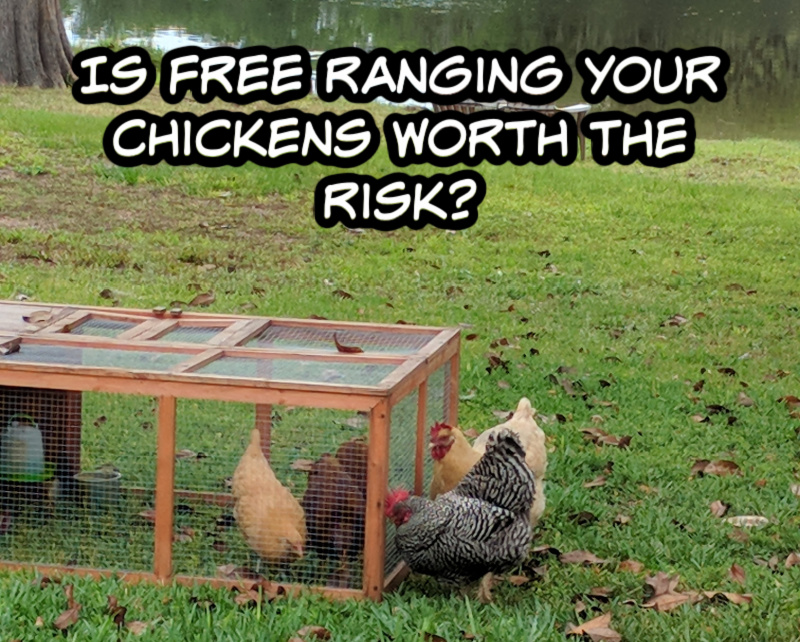
Have you ever wondered if there's a better way to get your eggs? A way that's not only more ethical but also produces healthier, tastier results? The answer might be closer than you think – just outside, scratching in the dirt and pecking at bugs.
Let's be honest, the idea of knowing exactly where your food comes from, and that the animals providing it are living happy, healthy lives, is something most of us crave. But the thought of managing a flock of chickens, the potential mess, and the unknown challenges can feel daunting. Is it really worth the effort?
This post explores the numerous benefits of raising free-range chickens, covering everything from the enhanced nutritional value of their eggs to their positive impact on your garden and the environment. We'll delve into the specifics, addressing common concerns and highlighting the advantages that make free-range chickens a worthwhile endeavor.
In essence, keeping free-range chickens can lead to superior egg quality, healthier birds, improved pest control in your garden, a natural source of fertilizer, and a more sustainable lifestyle overall. It's a win-win for you, your chickens, and the environment. We'll look at their diet, the freedom to roam, and how all of this contributes to a richer, more fulfilling experience.
Superior Egg Quality
I remember the first time I cracked open an egg from one of our free-range hens. The yolk was a vibrant, almost orange color, a stark contrast to the pale yellow I was used to seeing in store-bought eggs. The taste? Richer, more flavorful, and undeniably fresher. This wasn’t just a lucky coincidence; it was a direct result of the chicken's varied diet and access to sunlight. Free-range chickens have the freedom to forage for insects, worms, and plants, supplementing their feed with a natural source of protein and nutrients. This diverse diet translates directly into the quality of their eggs, boasting higher levels of vitamins A, D, and E, as well as omega-3 fatty acids. Studies have consistently shown that eggs from free-range hens contain significantly more nutrients than those from conventionally raised chickens. Beyond the nutritional benefits, the taste difference is undeniable. The richer flavor and firmer texture make for a noticeably better eating experience, whether you're scrambling them for breakfast or baking a cake. Investing in free-range eggs, or even better, raising your own, is an investment in your health and your palate.
Healthier, Happier Chickens
Confined spaces, restricted diets, and lack of natural behaviors can all contribute to stress and illness in chickens. Free-range chickens, on the other hand, thrive in an environment that allows them to express their natural instincts. They can dust bathe to keep their feathers clean and parasite-free, scratch in the dirt for insects, and socialize with other chickens in a natural flock setting. This freedom translates into healthier, happier birds that are less susceptible to disease. Stress is a major factor in weakened immune systems, and free-range chickens experience significantly less stress than their confined counterparts. Furthermore, the ability to forage for a diverse diet ensures they are getting the essential nutrients they need to maintain optimal health. Healthier chickens require less intervention in the form of antibiotics and other medications, making them a more sustainable and ethical choice. By providing your chickens with a free-range environment, you're not only improving their quality of life but also ensuring they are producing healthier, more nutritious eggs.
Natural Pest Control
For centuries, farmers have understood the value of chickens as natural pest control agents. Before the advent of modern pesticides, chickens were relied upon to keep gardens and fields free from harmful insects and weeds. Stories abound of chickens diligently patrolling gardens, gobbling up slugs, snails, and other pests that would otherwise wreak havoc on crops. This traditional knowledge is now being rediscovered as more and more people seek sustainable and eco-friendly gardening practices. Chickens are particularly effective at controlling pests like squash bugs, tomato hornworms, and Japanese beetles. They also help to reduce weed populations by consuming weed seeds before they have a chance to germinate. By incorporating chickens into your garden ecosystem, you can significantly reduce your reliance on chemical pesticides and herbicides, creating a healthier and more balanced environment for your plants and your family. This symbiotic relationship benefits both the garden and the chickens, providing them with a natural food source and allowing you to enjoy a pest-free garden.
Fertilizer Production
One of the often-overlooked benefits of raising free-range chickens is their ability to produce nutrient-rich fertilizer. It's no secret that chickens are prolific producers of manure, but what many people don't realize is that chicken manure is an excellent source of nitrogen, phosphorus, and potassium – essential nutrients for healthy plant growth. The secret lies in the chickens' digestive process, which breaks down organic matter and transforms it into a readily available form for plants to absorb. Chicken manure is particularly high in nitrogen, which is crucial for leaf growth and overall plant vigor. It also contains significant amounts of phosphorus, which is essential for root development and flowering, and potassium, which helps plants to resist disease and withstand stress. By composting chicken manure, you can create a valuable soil amendment that will improve the health and productivity of your garden. This not only reduces your reliance on synthetic fertilizers but also helps to close the loop in your garden ecosystem, creating a more sustainable and self-sufficient system.
Improved Soil Health
Free-range chickens contribute significantly to improved soil health through their natural foraging behaviors. As they scratch and peck at the ground, they aerate the soil, breaking up compacted areas and allowing for better water infiltration and root growth. This natural tilling action helps to improve soil structure and drainage, creating a more hospitable environment for plants to thrive. In addition to aeration, chickens also help to distribute organic matter throughout the soil. As they scratch through leaf litter, compost piles, and other organic materials, they incorporate these materials into the soil, enriching it with nutrients and improving its water-holding capacity. This is particularly beneficial in sandy or clay soils, which tend to be deficient in organic matter. Furthermore, chickens help to control weed populations by consuming weed seeds, reducing the need for herbicides and promoting a healthier balance of plants in your garden. The combination of aeration, organic matter distribution, and weed control makes chickens valuable allies in the quest for healthy, fertile soil.
Reduced Feed Costs
While it's true that free-range chickens require access to a supplemental feed, their ability to forage for their own food can significantly reduce your overall feed costs. When given the opportunity to roam freely, chickens will naturally supplement their diet with insects, worms, plants, and seeds. This foraging behavior not only provides them with a diverse range of nutrients but also reduces their reliance on commercially produced feed. The amount of feed savings will vary depending on the size of your flock, the availability of forage in your area, and the time of year. However, even a modest reduction in feed costs can add up over time, making free-range chickens a more economical option in the long run. In addition to saving money on feed, free-range chickens also contribute to a more sustainable food system by reducing the demand for commercially produced feed, which often relies on resource-intensive agricultural practices.
More Engaging Chickens
One of the most rewarding aspects of raising free-range chickens is the opportunity to observe their natural behaviors and engage with them in a more meaningful way. Free-range chickens are more active, curious, and social than their confined counterparts. They enjoy exploring their surroundings, interacting with other chickens, and even interacting with their human caretakers. This increased level of activity and engagement makes them more entertaining to watch and more rewarding to care for. You'll often find them dust bathing in the sun, chasing after insects, or simply exploring new areas of your yard. Their social interactions are also fascinating to observe, as they establish a pecking order, communicate with each other through a variety of vocalizations, and even engage in cooperative behaviors. By providing your chickens with a free-range environment, you're not only improving their quality of life but also enriching your own life with the joy of observing and interacting with these fascinating creatures.
Fun Facts About Free-Range Chickens
Did you know that chickens can recognize over 100 different faces? Or that they have a complex social structure with a clear pecking order? These are just a few of the fascinating facts about these amazing birds. Free-range chickens, in particular, exhibit a wide range of behaviors that are often hidden in confined environments. They are natural explorers, constantly searching for new food sources and investigating their surroundings. They are also surprisingly intelligent, capable of solving simple problems and even learning new tricks. Chickens also have a remarkable ability to adapt to different climates and environments. They can thrive in both hot and cold weather, provided they have access to adequate shelter and resources. Their adaptability and resilience make them a valuable asset to any homestead or small farm. By learning more about these fascinating creatures, you can gain a deeper appreciation for their role in our ecosystem and the benefits they provide.
How to Create a Free-Range Environment
Creating a free-range environment for your chickens doesn't have to be complicated or expensive. The key is to provide them with access to a safe and stimulating outdoor space where they can roam freely and express their natural behaviors. This can be as simple as opening the door to their coop and allowing them to explore your yard, or as elaborate as building a dedicated chicken run with fencing and vegetation. The size of the free-range area will depend on the size of your flock, but as a general rule, aim for at least 10 square feet of space per chicken. The free-range area should be protected from predators, such as dogs, foxes, and hawks. This can be achieved by installing fencing, netting, or even providing the chickens with access to a covered run. It's also important to provide the chickens with access to shade and shelter, especially during hot weather. This can be achieved by planting trees or shrubs, or by providing them with a simple shelter such as a lean-to or a tarp.
What if My Chickens Don't Forage?
Sometimes, even when given the opportunity to roam freely, chickens may not readily take to foraging. This can be due to a variety of factors, such as their breed, their age, or their previous experiences. Some breeds of chickens are naturally more inclined to forage than others, while younger chickens may be more hesitant to explore new environments. If your chickens are not foraging, there are several things you can do to encourage them. Start by scattering their feed in the free-range area to encourage them to explore. You can also introduce them to new food sources, such as insects, worms, or plants. Another effective strategy is to create a more stimulating environment by adding things like logs, rocks, and bushes to the free-range area. These elements will provide the chickens with new things to investigate and interact with, encouraging them to explore and forage. Finally, be patient and persistent. It may take some time for your chickens to adjust to their new environment and learn to forage effectively.
Top 5 Benefits of Free-Range Chickens
Here's a quick list summarizing the main advantages: 1.Enhanced Egg Quality: Free-range eggs boast higher nutrient levels and richer flavor.
2.Healthier, Happier Birds: Freedom promotes natural behaviors and reduces stress.
3.Natural Pest Control: Chickens efficiently control garden pests without chemicals.
4.Fertilizer Production: Chicken manure provides valuable nutrients for your garden.
5.Reduced Feed Costs: Foraging reduces reliance on commercial feed. These benefits collectively contribute to a more sustainable, ethical, and rewarding experience of raising chickens.
Question and Answer About Free-Range Chickens
Here are some frequently asked questions about raising free-range chickens:
Q: Are free-range chickens more susceptible to predators?
A: Yes, they can be. Proper fencing, supervised ranging, and providing shelters are crucial to protect them.
Q: Do free-range chickens require more space?
A: Yes, they need significantly more space than conventionally raised chickens to roam and forage.
Q: Are free-range eggs more expensive?
A: Often, yes, due to the increased labor and resources required for free-range farming. However, you can save money by raising your own.
Q: How do I prevent my chickens from destroying my garden?
A: Use temporary fencing to restrict access to sensitive areas or supervise their foraging time.
Conclusion of Benefits of Free-Range Chickens
The move towards free-range chickens is more than just a trend; it's a commitment to a more sustainable, ethical, and rewarding lifestyle. From the superior quality of the eggs to the natural pest control and fertilizer they provide, the benefits are undeniable. While there may be challenges along the way, the rewards – both for you and your flock – make it a worthwhile endeavor. So, consider opening the coop door and letting your chickens roam free. You might be surprised at the difference it makes.
0 Response to "Benefits of Free-Range Chickens"
Post a Comment